
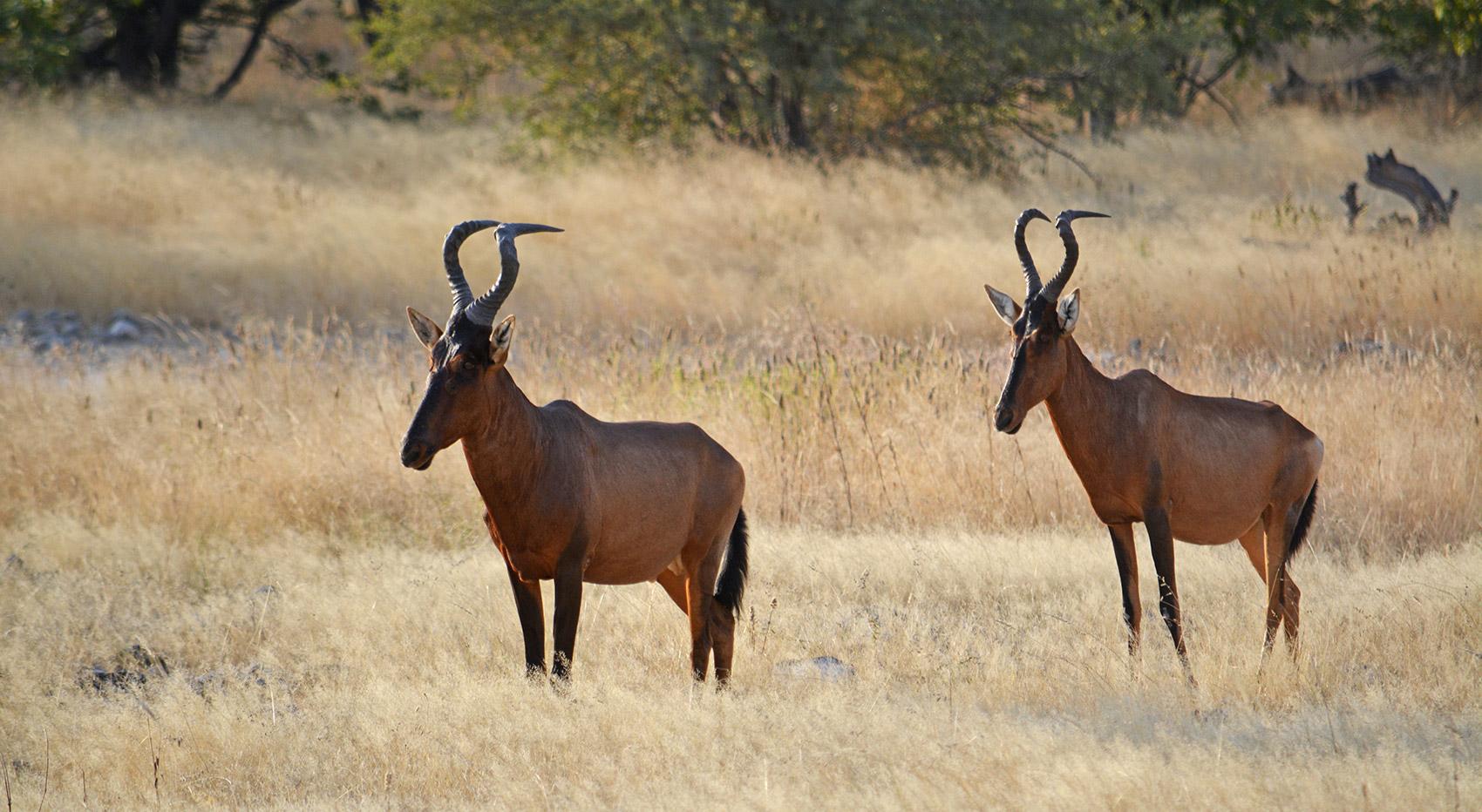
A guide to how safari operators manage flight delays and what to do if your safari is affected by a delayed or canceled flight.
The Reality of Air Travel in Africa
Air travel in Africa can sometimes be unpredictable. Delays and cancellations can happen for a variety of reasons, from weather to technical issues. While this can be frustrating, a good safari operator will have a plan in place to deal with flight delays and to minimize their impact on your safari. Our safari operators can help you choose an operator that is experienced in handling these situations.
How Operators Respond to Delays
A good safari operator will monitor your flights and will be aware of any delays or cancellations. They will be in communication with the airline and will work to find a solution. This may involve rebooking you on a different flight, arranging for ground transportation, or adjusting your itinerary. Their goal is to get you to your destination as quickly and as safely as possible. For more on this topic, visit our knowledge center.
Still researching? Let us help.
Our advisory team has planned safaris across 9 African countries. We can turn your research into a real plan.
Talk to an AdvisorThe Importance of a Buffer Day
When planning your safari, it is a good idea to build in a buffer day at the beginning of your trip. This will give you some flexibility in case of a flight delay. A buffer day will allow you to arrive at your first destination with plenty of time to rest and relax before starting your safari. This can help to reduce stress and ensure that you start your safari on the right foot. For more planning tips, explore our destinations page.
The Role of Travel Insurance
Travel insurance is essential when traveling in Africa. A good travel insurance policy will cover the costs of flight delays and cancellations, including the cost of rebooking flights and arranging for accommodation. Be sure to read your policy carefully to understand what is covered. Having a good travel insurance policy will give you peace of mind and protect you from financial loss. Use our cost calculator to factor in the cost of travel insurance.
Common Causes of Flight Delays in African Aviation
Understanding the root causes of flight delays in Africa can help you better prepare for your safari. While the continent's aviation industry is rapidly modernizing, certain challenges remain that can impact flight schedules. These are not daily occurrences but are factors that seasoned travelers and safari planners account for.
Weather Patterns and Seasonality: Africa's weather is diverse and can be extreme. In East Africa, the long rains from March to May can bring intense downpours and low cloud cover, affecting visibility and airport operations. For instance, flights to remote airstrips in the Serengeti or Maasai Mara may be delayed until conditions improve. Similarly, the harmattan season in West and Central Africa (from late November to March) can bring thick dust haze, reducing visibility to levels that may temporarily halt air traffic.
Air Traffic and Infrastructure: Many African airports are undergoing significant expansion, but congestion can still be a factor, particularly at major hubs like Nairobi (NBO), Johannesburg (JNB), and Addis Ababa (ADD). The sheer volume of flights, combined with ongoing construction or infrastructure upgrades, can lead to ground delays. Furthermore, some smaller domestic airports or bush airstrips have limited operational capacity, meaning they can only handle a certain number of takeoffs and landings per hour, creating bottlenecks during peak travel times.
Logistical and Ground Handling Realities: Ground handling services—refueling, baggage handling, and catering—can sometimes be less efficient than in major global hubs. This is not a reflection of the quality of the staff but often a result of limited equipment or personnel, especially at smaller, regional airports. A delay in one of these services can have a cascading effect on an aircraft's departure time. It is part of the adventure of African travel, and operators who work in these destinations are well-versed in navigating these local realities.
> Expert Insight: When planning a safari that involves multiple domestic flights, especially to remote areas, it is wise to build in buffer time. An itinerary that connects a flight from the Serengeti to a connecting flight to Rwanda for gorilla trekking on the same day can be risky. A premium safari planning guide will always recommend an overnight stay near the airport to mitigate the risk of a missed connection due to a minor delay.
Done Reading? Let's Build Your Safari.
Skip the guesswork. Work with an advisor who has been on the ground across East and Southern Africa.
Plan With UsThe Ripple Effect: How Delays Impact Your Safari Itinerary
A flight delay is more than just an inconvenience; it can have a significant ripple effect on a tightly scheduled safari itinerary. Understanding these potential impacts is key to appreciating why your safari operator has contingency plans in place. From missed game drives to logistical reshuffles, the consequences of a delay can be far-reaching, but a well-prepared operator can mitigate most of the disruption.
Missed Activities and Game Drives: The most immediate impact of a delay is on your planned activities. If a morning flight from Arusha to a remote airstrip in the Selous Game Reserve is delayed by several hours, you might miss the entirety of your afternoon game drive. In some cases, a missed connection could mean losing a full day of activities. For example, if a delayed flight from Nairobi causes you to miss the last connecting flight to the Maasai Mara, you may have to overnight in the city and forfeit that day's safari experiences. This is where the value of working with an experienced operator becomes clear, as they can often arrange for a private charter or adjust the schedule to make up for lost time.
Lodge and Accommodation Logistics: Your safari lodges are booked and paid for in advance, and they expect you to arrive on a specific day. A significant delay could mean you are a no-show, and without communication from your operator, the lodge may even release your room. Safari operators have direct lines of communication with lodge managers and will immediately inform them of any delays, ensuring your booking is held. They will also coordinate new arrival times and any necessary logistical adjustments, such as arranging for a late dinner or preparing for an early morning departure the next day.
Transfers and Ground Transportation: A crucial, and often overlooked, component of your safari is the ground transportation waiting for you at the airstrip. Your safari guide and vehicle are scheduled to meet your flight at a specific time. If your flight is delayed, your operator's ground team must be notified. In remote areas with limited communication, this can be challenging. Reputable operators have robust communication systems, often using satellite phones or radio networks, to ensure that your guide is aware of the delay and will be there to meet you, no matter when you land. This prevents the stressful scenario of arriving at a remote airstrip with no one there to pick you up.
> Traveler's Tip: When you receive your final itinerary, take a moment to review the planned flight times and connections. If you see a connection that looks tight (e.g., less than 90 minutes), don't hesitate to ask your safari planning guide about the contingency plan. A good planner will have already considered this and can explain the backup arrangements, giving you confidence that your journey is in safe hands. For more planning resources, visit our knowledge center.
Proactive Strategies: How Top Safari Operators Mitigate Delays
While some delays are unavoidable, the difference between a minor inconvenience and a trip-ruining disaster lies in the proactive measures your safari operator takes long before you even depart. The best operators don’t just react to problems; they anticipate them. This foresight is built into the very fabric of their trip planning and operational execution, ensuring a smoother and more resilient safari experience.
Strategic Itinerary Design: A key strategy is building a robust itinerary with built-in buffer time. An experienced safari planning guide will avoid scheduling critical activities immediately after a flight, especially if it's a route known for potential delays. For instance, instead of flying from the Serengeti to Kigali for a gorilla trek on the same day, a top-tier operator will schedule an overnight stay in Kigali. This not only eliminates the risk of missing the expensive and time-sensitive gorilla trek due to a flight delay but also allows you to rest and acclimate. This thoughtful scheduling is a hallmark of a premium safari planner who prioritizes experience over a rushed, checklist-style itinerary.
Vetting and Partnering with Reliable Air Carriers: Safari operators develop deep relationships with local and regional airlines. They know which carriers have a strong track record for on-time performance and which ones are more prone to schedule changes. They will preferentially book you on more reliable airlines, even if it costs slightly more. This insider knowledge is invaluable and is something you wouldn't have access to when booking flights independently. Their choice of airline is a calculated decision to minimize risk from the outset.
The Power of a Dedicated Ground Team: A safari operator's ground team is their eyes and ears. These teams, which include guides, drivers, and airport representatives, are in constant communication. If a flight is delayed, the airport representative immediately relays that information to the lodge and the waiting guide. This seamless communication network means that even if you are delayed by hours, your guide will be waiting for you upon arrival, and the lodge will be ready to welcome you. This operational backbone is what separates a professional operator from a simple booking agent.
Contingency Planning and Charter Flights: For critical connections or in situations where a commercial flight delay would derail a significant portion of the itinerary, high-end operators have contingency plans that may include private charter flights. While this is a more expensive option, it provides an unparalleled level of flexibility and control. If a commercial flight is canceled, an operator can often scramble a charter aircraft to get you to your destination with minimal disruption. This ability to deploy private aviation solutions is a key differentiator and a service worth inquiring about when you plan your safari.
Your Safari is a System, Not Just a Series of Bookings
Ultimately, it is crucial to understand that a high-quality African safari is a complex, interconnected system. It is not merely a collection of individual hotel and flight bookings. Every component, from the international flight arriving in Africa to the smallest bush flight between remote camps, is a link in a chain. A delay in one link can affect the entire system, and this is why the expertise of a seasoned safari operator is invaluable.
Think of your operator as the system architect and manager. They have designed the itinerary with redundancies and contingency plans, they monitor the system in real-time, and they have the resources and relationships to make adjustments when unforeseen events occur. This is the peace of mind you are investing in when you work with a professional.
When you are ready to move beyond simple bookings and want a comprehensively managed safari experience, the guidance of an expert is essential. Connect with our team of safari operators to begin crafting a journey that is not only extraordinary but also resilient. Let us handle the complexities so you can immerse yourself in the magic of Africa. To start the conversation, plan your safari with us today.
Need Expert Safari Guidance?
Get expert advisory support from a firm founded by a former safari guide — with real operational knowledge across 9 African countries and full-journey accountability.
Related Planning Guides
Recommended Reading
 Safari Operator Articles
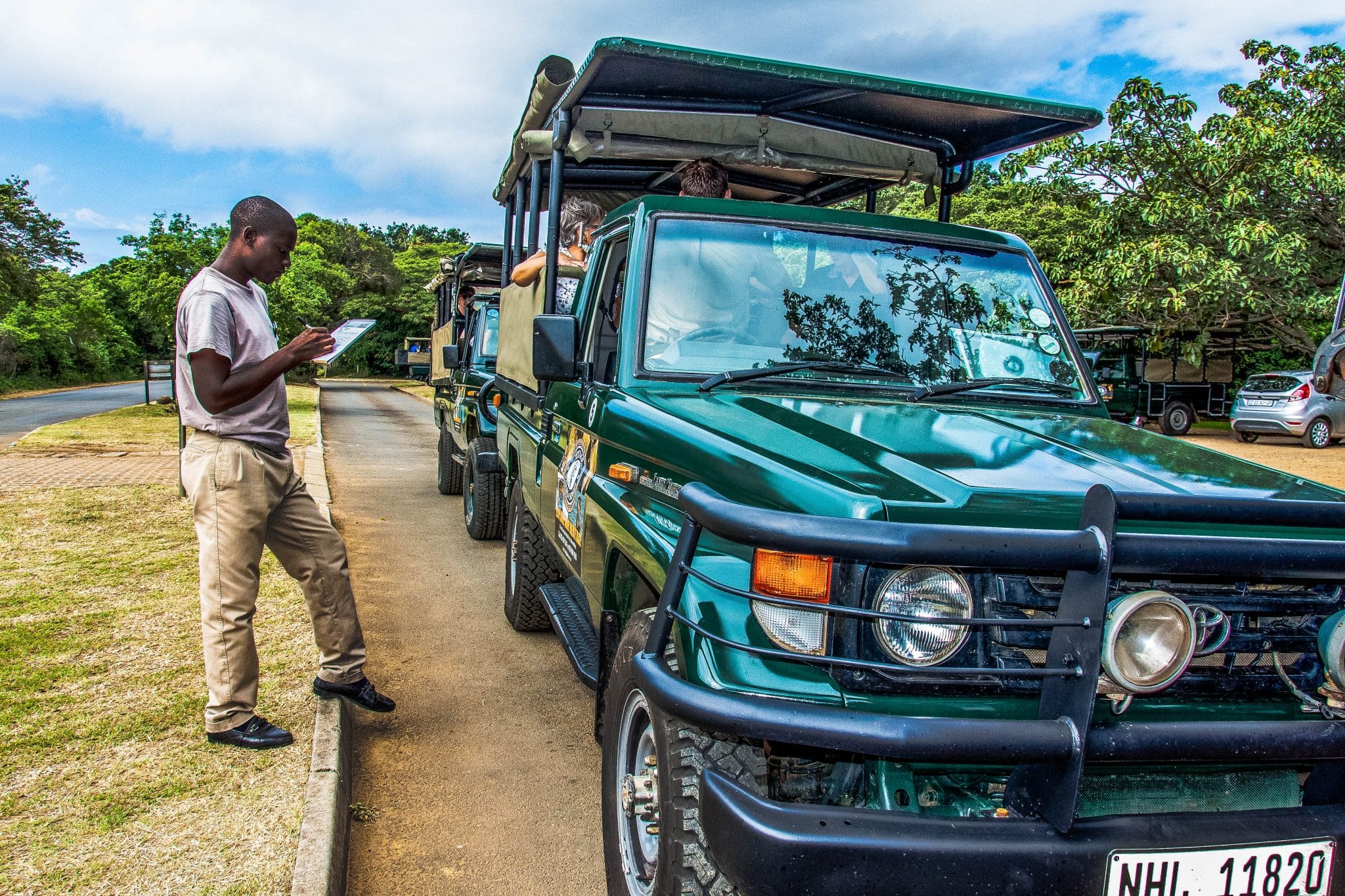
How Safari Operators Handle Emergencies
An overview of the emergency preparedness and response protocols that reputable safari operators have in place to ensure the safety of their clients.
 Safari Operator Articles
How Safari Operators Handle Dietary Requirements
A guide to how safari operators accommodate dietary requirements and what to do to ensure your needs are met while on safari.
 Safari Operator Articles
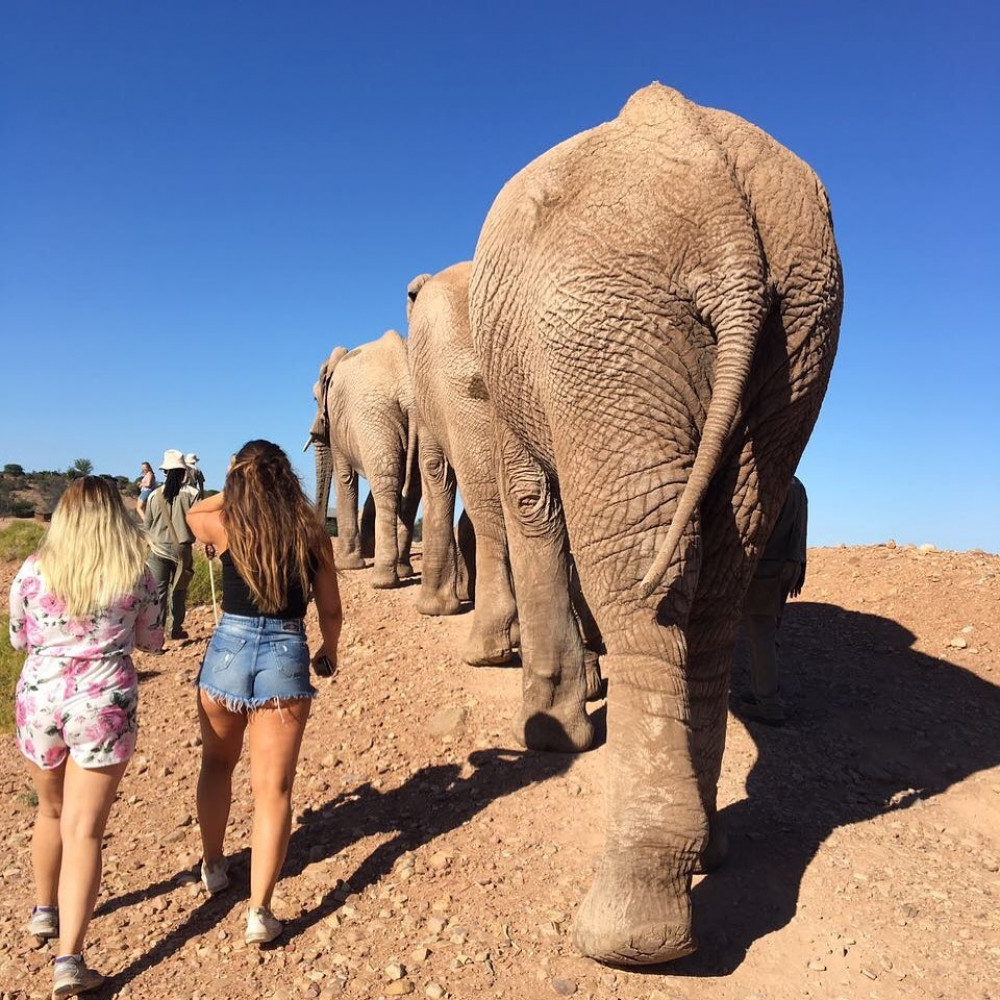
How Safari Operators Handle Medical Emergencies
An overview of the medical emergency protocols that safari operators have in place to ensure the health and safety of their clients.
Safari Comparison ArticlesSafari With International Operator vs Local Operator
An in-depth comparison of Safari With International Operator vs Local Operator to help you choose the perfect safari experience. Explore the pros, cons, and key
 Safari Planning
How to Choose a Safari Operator
Learn how to choose a reputable African safari operator with our expert guide. We cover vetting companies, questions to ask, and understanding safari costs.
 Safari Costs
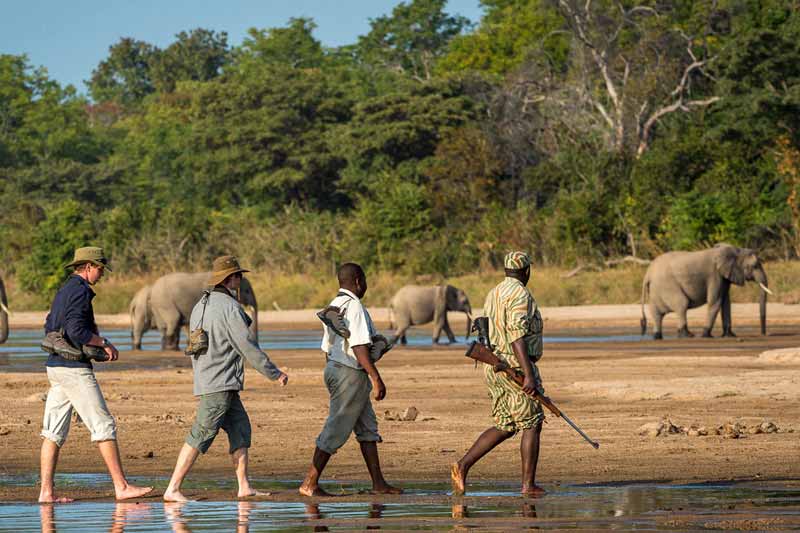
Safari Flights Cost Guide
Your complete guide to safari flight costs. Learn about international, regional, and charter flight prices to top African safari destinations and save money.