
An overview of the emergency preparedness and response protocols that reputable safari operators have in place to ensure the safety of their clients.
The Importance of Emergency Preparedness
While safaris are generally very safe, it is important to be prepared for the unexpected. A reputable safari operator will have a comprehensive emergency response plan in place to deal with a range of potential situations, from medical emergencies to vehicle breakdowns. This plan should be well-documented and all staff should be trained on how to implement it. Our safari operators can help you find operators with robust safety protocols.
Medical Emergencies
In the event of a medical emergency, a good safari operator will have a clear plan of action. This includes having a well-stocked first-aid kit on hand and having staff who are trained in first aid. For more serious emergencies, the operator should have a relationship with a medical evacuation service, such as the Flying Doctors Service, which can transport a patient to a hospital quickly and safely. When choosing an operator, ask about their medical emergency protocols.
Still researching? Let us help.
Our advisory team has planned safaris across 9 African countries. We can turn your research into a real plan.
Talk to an AdvisorVehicle Breakdowns and Other Logistical Issues
Vehicle breakdowns can happen, even with the best-maintained vehicles. A good safari operator will have a plan in place to deal with this situation. This may include having a backup vehicle on standby or having a mechanic who can be dispatched to the location. The operator should also have a plan for dealing with other logistical issues, such as road closures or flight delays. For more on this topic, visit our knowledge center.
Communication is Key
In any emergency situation, communication is key. A good safari operator will have a reliable means of communication, such as a satellite phone or a two-way radio, to stay in touch with their base of operations. They will also keep you informed about the situation and what is being done to resolve it. Clear and calm communication can make a big difference in a stressful situation. Use our cost calculator to compare operators and their safety standards.
Medical Emergencies: From Minor Ailments to Major Crises
A critical component of any reputable safari operation is its medical emergency response plan. While Africa’s top safari destinations are generally safe, the remote wilderness setting requires operators to be self-sufficient and prepared for anything. Medical incidents can range from minor cuts, insect bites, and dehydration to more severe issues like allergic reactions, fractures, or sudden illness.
A well-equipped safari vehicle is the first line of defense. Your guide’s vehicle should contain a comprehensive first-aid kit stocked with more than just bandages and antiseptic wipes. These kits typically include supplies for treating common bush ailments: antihistamines for allergic reactions, rehydration salts, pain relievers, and basic wound care materials. Many guides are trained in first aid and can handle these minor issues competently.
> Expert Insight: Before your trip, inform your safari planning guide and operator of any pre-existing medical conditions, allergies, or required medications. This allows them to prepare accordingly and ensures your guide is aware of potential health concerns.
For more serious medical events, communication is the next critical step. As mentioned, reliable satellite phones or two-way radios are standard equipment. When a serious medical issue arises, the guide’s first call is to the camp or lodge manager, who then initiates a broader response. This may involve contacting a doctor for advice or arranging for an evacuation. In prime safari destinations like the Okavango Delta in Botswana or the Serengeti in Tanzania, many high-end operators have relationships with services like the Flying Doctors. These organizations provide emergency medical evacuation by air, transporting patients to the nearest well-equipped hospital, often in cities like Nairobi or Johannesburg. For travelers, securing comprehensive travel insurance that includes medical evacuation coverage is non-negotiable.
Done Reading? Let's Build Your Safari.
Skip the guesswork. Work with an advisor who has been on the ground across East and Southern Africa.
Plan With UsVehicle Breakdowns and Recovery Protocols
The rugged terrain of the African bush is notoriously tough on vehicles. Even the most well-maintained 4x4s can suffer from mechanical issues, from flat tires to engine trouble. A professional safari operator has robust protocols to handle these inevitable situations with minimal disruption to your experience.
Most guides are skilled bush mechanics, capable of fixing common problems on the spot. A simple tire change is a routine event. For more complex issues, a clear chain of command is activated. The guide will radio the camp or a nearby partner vehicle for assistance. In many cases, a support vehicle with a mechanic can be dispatched to your location. While waiting, your guide’s priority is your safety and comfort. They will choose a safe, open area to stop, and will keep you entertained and informed with their knowledge of the surrounding environment. These unplanned stops can sometimes lead to unexpected and memorable wildlife sightings.
> Traveler's Tip: Vehicle breakdowns are a part of the adventure. Patience and a positive attitude go a long way. Use the downtime to ask your guide questions, learn about the smaller flora and fauna, and soak in the scenery. A good operator will turn a potential inconvenience into an interesting part of your safari story.
In the rare event that a vehicle cannot be repaired in the field, a replacement vehicle will be sent. This is where choosing an operator with a large, well-maintained fleet and a strong operational presence in the area becomes crucial. They have the resources to execute a swift vehicle swap, ensuring you can continue your game drive or return to camp safely. You can explore our destinations page to learn more about the specific challenges and operator standards in each region.
Wildlife Encounters and Safety Measures
Close encounters with Africa’s magnificent wildlife are the highlight of any safari, but they also carry inherent risks. Safari guides undergo extensive training to understand animal behavior and predict their movements. This expertise is your primary safety measure. A guide knows when a breeding herd of elephants needs space, when a lion is showing signs of agitation, or when it’s safe to approach a relaxed leopard.
In the rare instance of a dangerous wildlife encounter, such as an animal charging the vehicle, the guide's calm and experienced response is paramount. They are trained to de-escalate the situation, whether by slowly backing the vehicle away or by making a loud noise to deter the animal. It is crucial that you follow your guide’s instructions without question. This includes staying in the vehicle, keeping your voice low, and avoiding sudden movements.
At unfenced tented camps, the risk of wildlife wandering through is a real and exciting part of the experience. However, camps have strict rules to ensure guest safety. You will be escorted to and from your tent after dark by a staff member, and you will be instructed never to leave your tent at night. These protocols are in place for your protection and must be respected.
Choosing an Operator with a Strong Emergency Plan
Ultimately, the best way to ensure a safe safari is to choose a reputable operator with a proven track record and a comprehensive emergency response plan. When planning your safari, don’t hesitate to ask potential operators or your safari planning guide specific questions about their safety protocols:
- Guide Training: What level of medical and mechanical training do your guides have? Are they certified in first aid and CPR?
- Communication: What communication systems are in place in your vehicles and camps? Do you use satellite phones?
- Vehicle Fleet: How old are your vehicles, and what is your maintenance schedule? Do you have backup vehicles available?
- Emergency Contacts: Do you have relationships with medical evacuation services like the Flying Doctors?
- Staff Preparedness: How is your camp staff trained to handle emergencies?
A trustworthy operator will be transparent and confident in their answers. Their investment in safety is a direct investment in your well-being. For more articles on safari planning and safety, visit our knowledge center. Or, if you're ready to start planning, you can plan your safari with one of our expert advisors.
Need Expert Safari Guidance?
Get expert advisory support from a firm founded by a former safari guide — with real operational knowledge across 9 African countries and full-journey accountability.
Related Planning Guides
Recommended Reading
 Safari Operator Articles
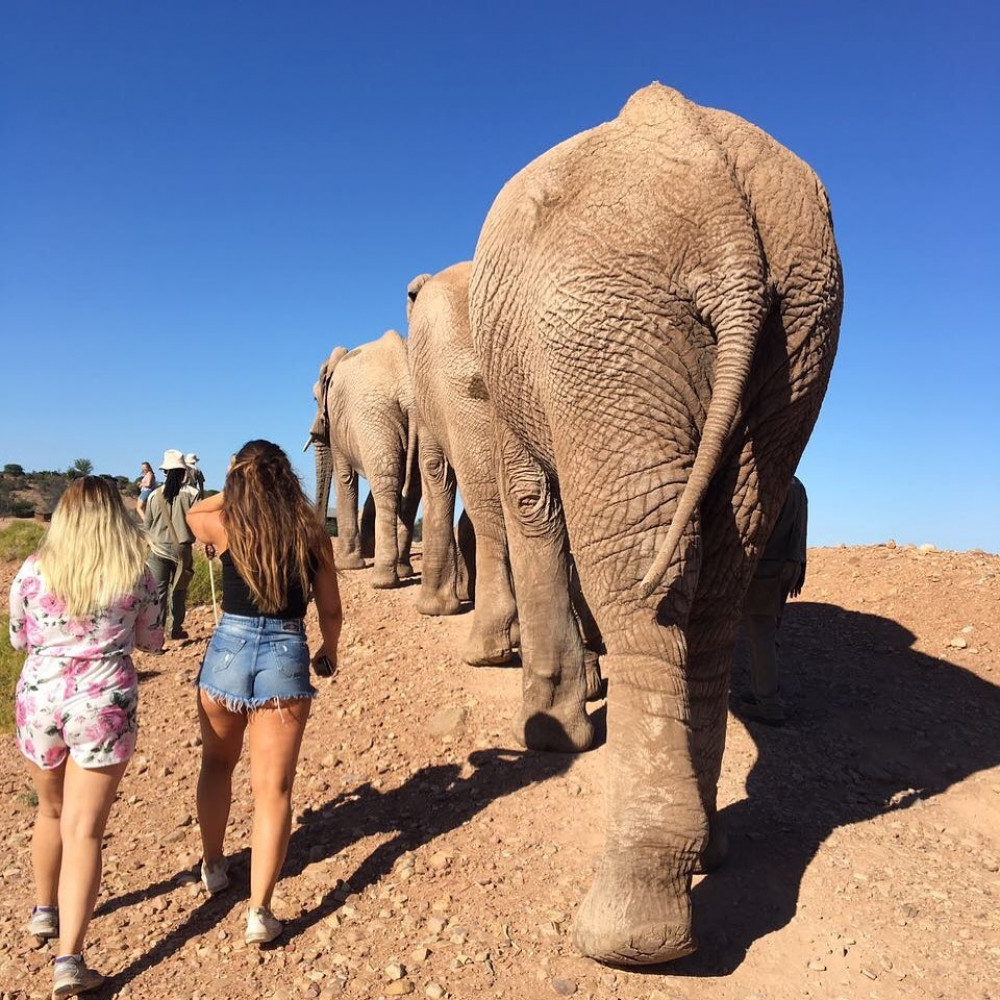
How Safari Operators Handle Medical Emergencies
An overview of the medical emergency protocols that safari operators have in place to ensure the health and safety of their clients.
 Safari Operator Articles
How Safari Operators Handle Dietary Requirements
A guide to how safari operators accommodate dietary requirements and what to do to ensure your needs are met while on safari.
 Safari Operator Articles
How Safari Operators Handle Weather Disruptions
A guide to how safari operators deal with weather-related disruptions and what to expect if your safari is affected by bad weather.
 Safari Comparison Articles
Safari With International Operator vs Local Operator
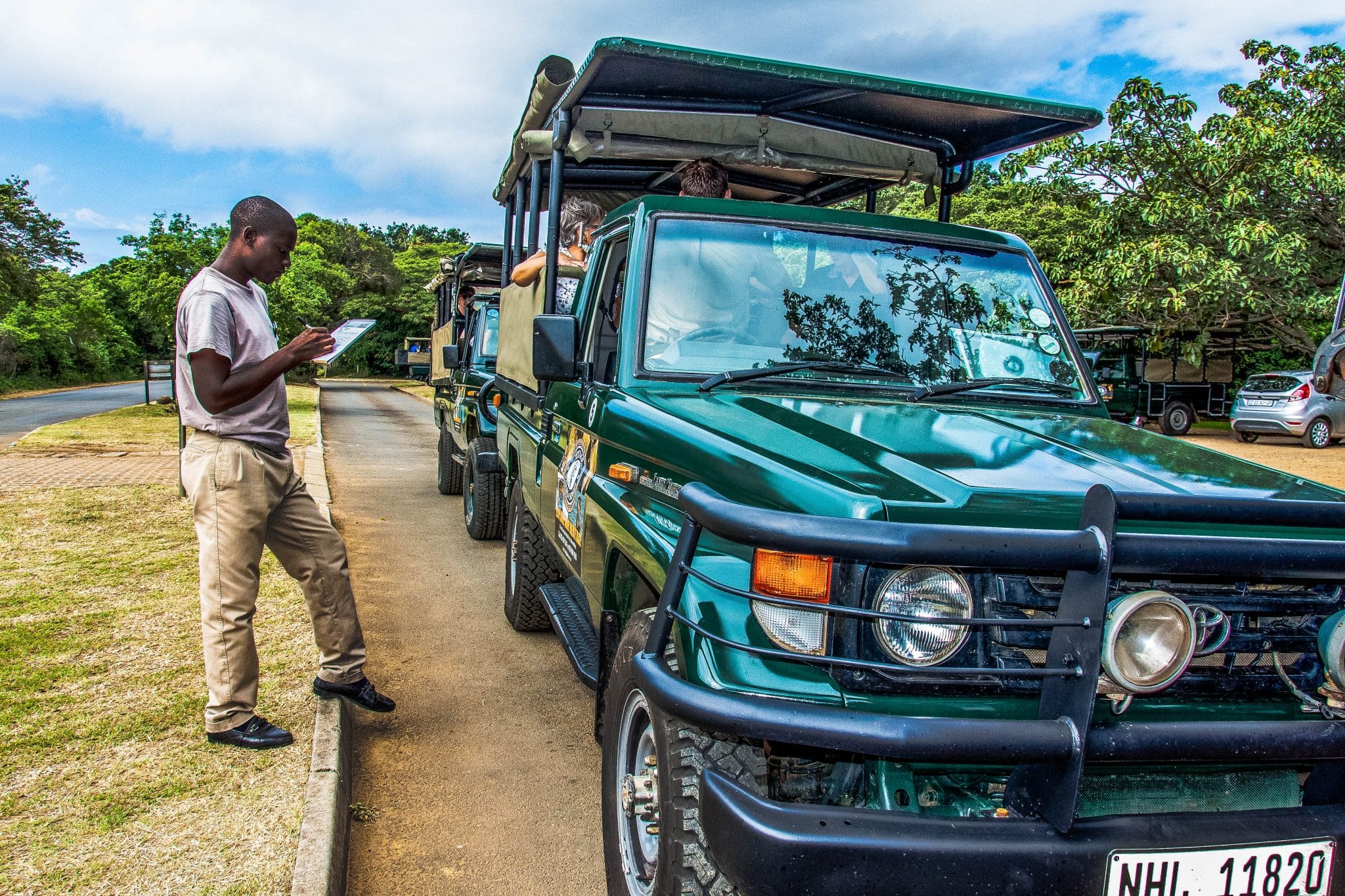
An in-depth comparison of Safari With International Operator vs Local Operator to help you choose the perfect safari experience. Explore the pros, cons, and key
 Safari Planning
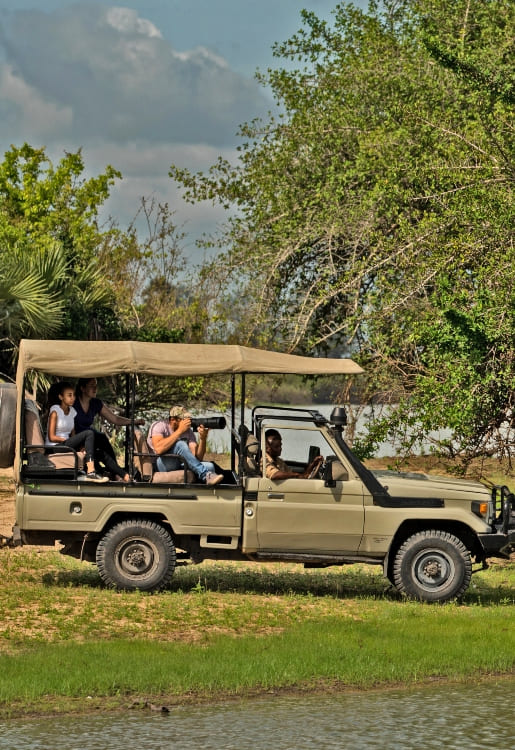
How to Choose a Safari Operator
Learn how to choose a reputable African safari operator with our expert guide. We cover vetting companies, questions to ask, and understanding safari costs.
 Safari Intelligence Insights
How Safari Operators Work
Understand how safari operators work, from local DMCs to planners and lodges. Learn the roles of each and how to choose the right partners for your African safari.