
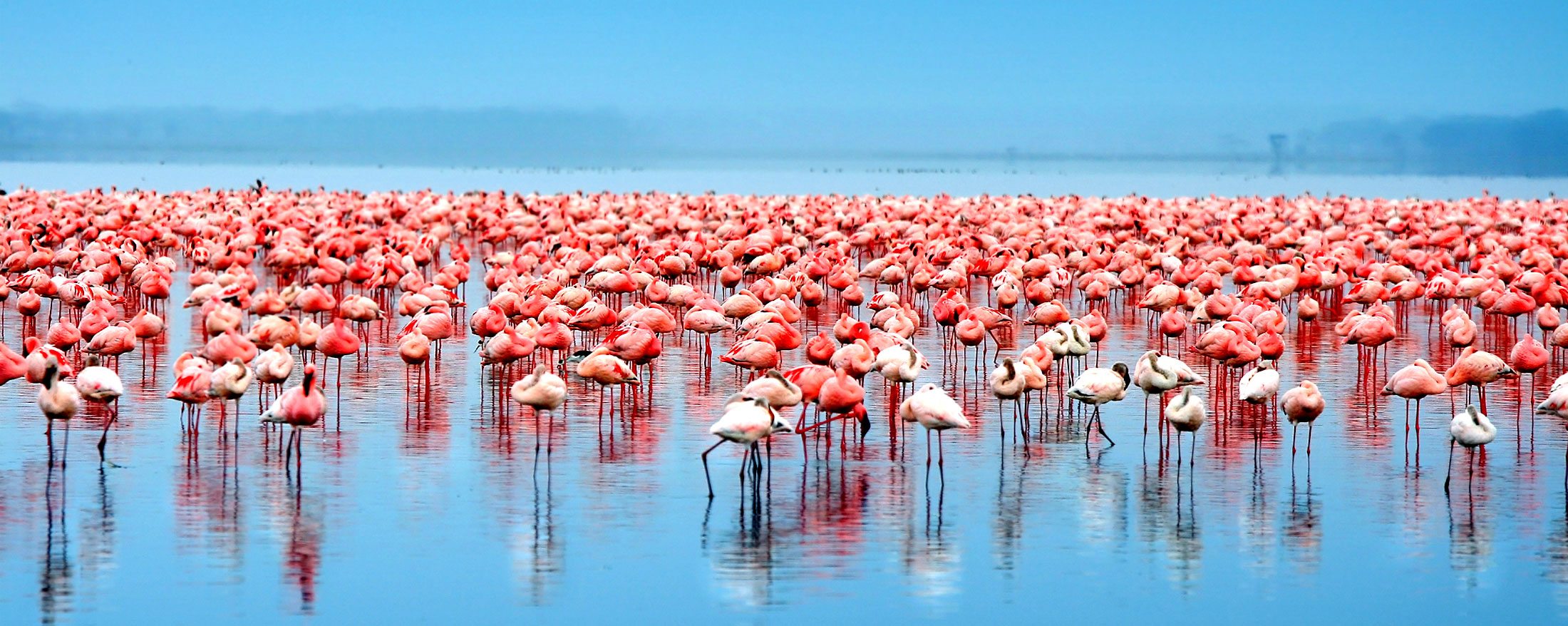
A guide to how safari operators deal with weather-related disruptions and what to expect if your safari is affected by bad weather.
The Unpredictability of Mother Nature
Weather in Africa can be unpredictable, and sometimes it can disrupt even the best-laid safari plans. Heavy rains can make roads impassable, and storms can ground small aircraft. While it is impossible to control the weather, a good safari operator will have a plan in place to deal with weather-related disruptions. Our safari operators can help you choose an operator that is prepared for any eventuality.
How Operators Adapt to Changing Conditions
A good safari operator is flexible and adaptable. They have a network of contacts on the ground who can provide them with up-to-date information on weather and road conditions. If a road is impassable, they will find an alternative route. If a flight is canceled, they will make alternative arrangements. Their goal is to minimize the disruption to your safari and to keep you safe and comfortable. For more on this topic, visit our knowledge center.
Still researching? Let us help.
Our advisory team has planned safaris across 9 African countries. We can turn your research into a real plan.
Talk to an AdvisorThe Importance of Communication
In the event of a weather-related disruption, communication is key. A good safari operator will keep you informed about the situation and what is being done to resolve it. They will explain your options and help you make the best decision. Clear and honest communication can help to reduce stress and uncertainty in a challenging situation. Use our cost calculator to see how your safari costs might be affected by weather disruptions.
The Role of Travel Insurance
Travel insurance can be a lifesaver in the event of a weather-related disruption. A good travel insurance policy will cover the costs of canceled flights, missed connections, and other unforeseen expenses. Be sure to read your policy carefully to understand what is covered. Having a good travel insurance policy will give you peace of mind and protect you from financial loss. For more travel tips, explore our destinations page.
Common Weather Scenarios and Operator Responses
While a general overview is helpful, understanding how expert safari operators handle specific weather events provides a clearer picture of their preparedness. The best operators have detailed contingency plans for various scenarios, ensuring both guest safety and the quality of the safari experience.
Scenario 1: Intense Rainfall and Flooded Landscapes
Heavy, prolonged rains are common during the "green season" in destinations like Tanzania's Serengeti or Kenya's Maasai Mara. While this season brings lush landscapes and fewer crowds, it can also render dirt roads impassable and cause rivers to swell.
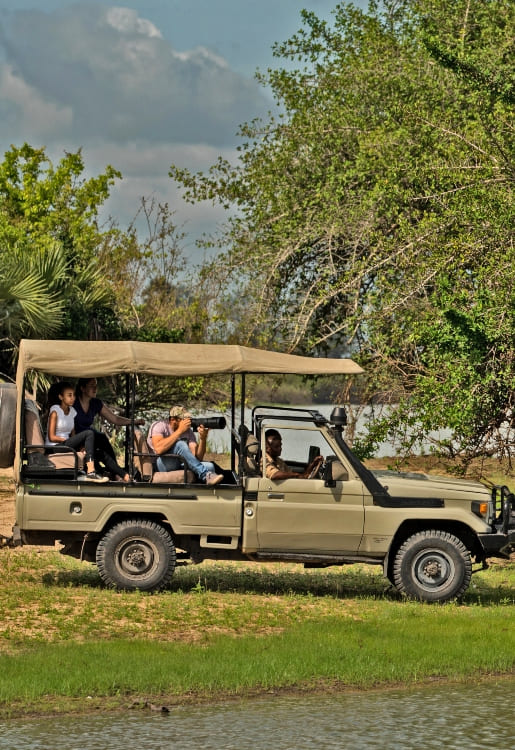
- Vehicle and Guide Preparedness: A top-tier operator's vehicles are equipped for these conditions. This includes having snorkels fitted to the air intakes for crossing deep water, powerful winches for recovery if a vehicle gets stuck, and high-traction mud tires. More importantly, their guides possess intimate knowledge of the terrain. They know which tracks turn to black cotton soil (a notoriously sticky mud) and should be avoided, and they understand the alternative routes through higher ground that remain accessible.
- Itinerary Adjustments: If a specific area of a park, like a river crossing point for a migration viewing, becomes inaccessible, a skilled guide will pivot. They might focus on another part of the park known for its resident wildlife or explore areas where the drainage is better. The goal is to adapt the day's plan to maximize wildlife sightings despite the challenging conditions. Communication via long-range radio between guides is crucial here, as they share real-time information on road status and animal movements.
> Expert Insight: When vetting an operator, ask about their guide training and vehicle modifications. Inquire specifically about their protocols for handling impassable roads during the rainy season. Their answer will reveal their level of preparedness.
Scenario 2: Extreme Heat and Dry Season Drought
In contrast, the dry season in parks like Ruaha in Tanzania or Etosha in Namibia can bring scorching heat and severe drought. While this concentrates wildlife around limited water sources, creating spectacular viewing opportunities, it also presents its own set of challenges.
- Managing Heat Stress: Professional operators adjust their game drive schedules to avoid the intense midday heat. This means early morning departures and late afternoon excursions, with a long break back at the lodge during the hottest part of the day. Vehicles are stocked with ample chilled water for guests, and guides are trained to recognize signs of heat exhaustion in their clients.
- Wildlife Behavior Expertise: The heat dramatically influences animal behavior. Guides use this knowledge to their advantage, focusing searches on the few remaining rivers and waterholes where animals are forced to congregate. This is often the best time to see predators in action as they lie in wait for thirsty prey.
Done Reading? Let's Build Your Safari.
Skip the guesswork. Work with an advisor who has been on the ground across East and Southern Africa.
Plan With UsThe Critical Role of Communication and Camp Logistics
Effective communication is the backbone of a safe and successful safari, especially when weather turns unexpectedly. Operators cannot rely on cellular networks, which are non-existent in most remote wildlife areas.
On-the-Ground Coordination: Professional safari companies invest in robust communication systems, including high-frequency (HF) radios in each vehicle and at every camp. This allows guides to share information about sudden storms, flash floods, or even exceptional wildlife sightings. If one guide finds a road blocked, they can instantly warn others. This network ensures that the entire team operates with the same set of real-time information, enhancing both safety and the overall guest experience.
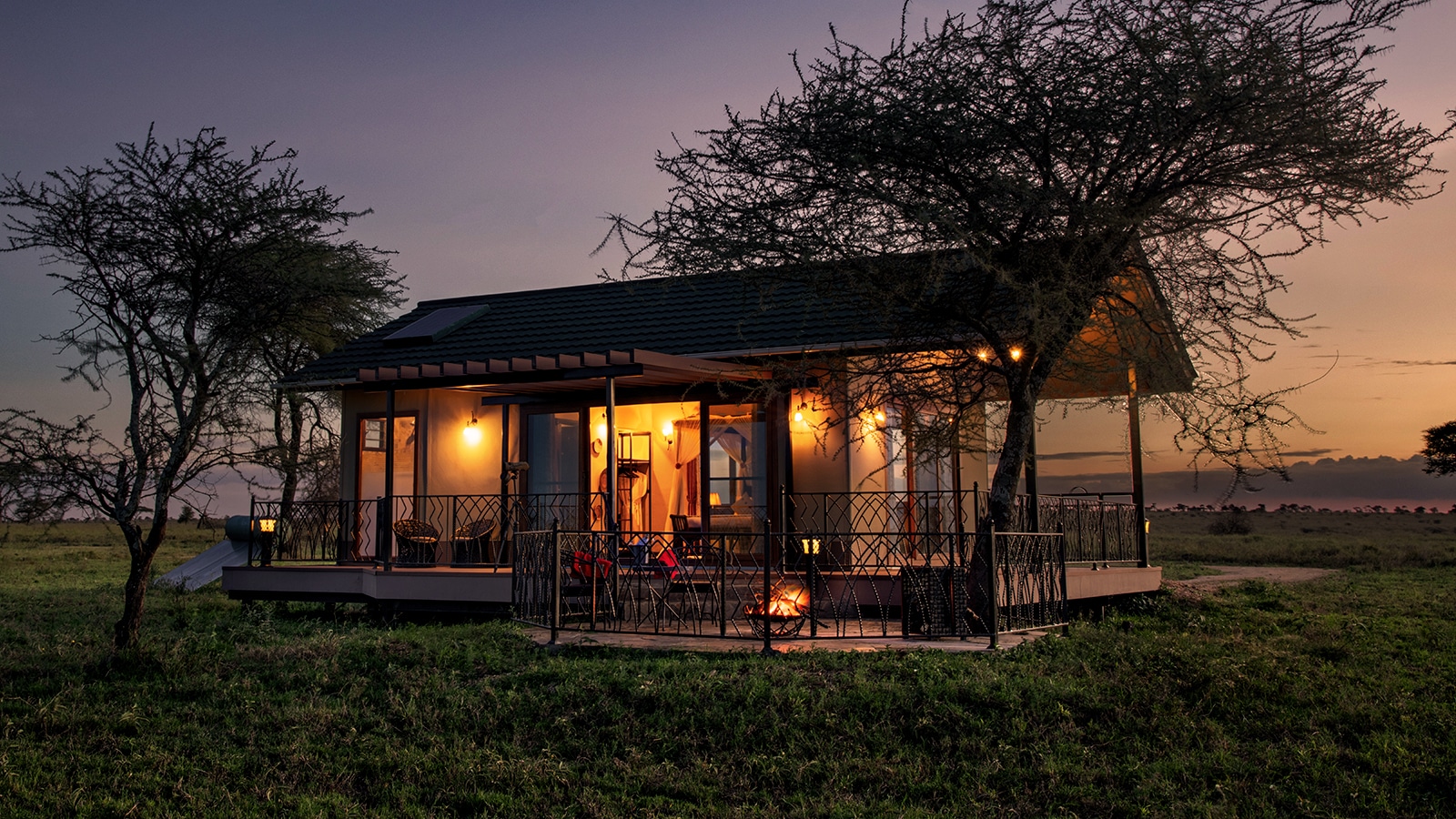
Lodge and Camp Preparedness: Safari lodges and camps are also built to withstand regional weather patterns. Tented camps, for example, use heavy-duty, all-weather canvas and are strategically positioned to minimize the impact of high winds or flooding. Permanent lodges have backup generators for power and sophisticated water filtration systems. During a storm, the camp staff and management work to ensure guest comfort and safety, securing tents and managing any operational disruptions seamlessly. For more information on what to expect from different types of accommodations, visit our knowledge center.
How Weather Impacts Different Safari Activities
Weather disruptions affect various safari activities differently. Understanding these nuances can help you set realistic expectations for your trip.
- Hot Air Balloon Safaris: This is perhaps the most weather-sensitive activity. Balloon flights, common in the Serengeti and Maasai Mara, require calm, stable air. They are often canceled due to high winds, rain, or low cloud cover. Reputable operators will provide a full refund or attempt to reschedule your flight for the next available day.
- Walking Safaris: Guided walks are highly dependent on safe conditions. The presence of nearby thunderstorms (due to lightning risk) or extremely wet, slippery ground can lead to cancellations. In areas famous for walking safaris, like Zambia's South Luangwa National Park, guides are experts at assessing conditions and will always prioritize safety.
- Gorilla Trekking: A downpour can make the steep trails in Uganda's Bwindi Impenetrable Forest or Rwanda's Volcanoes National Park incredibly muddy and challenging. However, treks are rarely canceled due to rain alone. Operators will proceed, but it is essential that travelers are prepared with excellent waterproof gear and sturdy, high-traction hiking boots. The reward of a gorilla encounter is well worth the effort.
Ultimately, the ability to navigate weather-related challenges is a hallmark of a high-quality safari operator. Their investment in equipment, guide training, and contingency planning ensures that your adventure remains safe, comfortable, and extraordinary, no matter what the weather brings. To discuss which destinations are best for your travel dates, connect with our safari operators or plan your safari today.
Need Expert Safari Guidance?
Get expert advisory support from a firm founded by a former safari guide — with real operational knowledge across 9 African countries and full-journey accountability.
Related Planning Guides
Recommended Reading
 Safari Operator Articles
How Safari Operators Handle Emergencies
An overview of the emergency preparedness and response protocols that reputable safari operators have in place to ensure the safety of their clients.
 Safari Operator Articles
How Safari Operators Handle Dietary Requirements
A guide to how safari operators accommodate dietary requirements and what to do to ensure your needs are met while on safari.
 Safari Operator Articles
How Safari Operators Handle Medical Emergencies
An overview of the medical emergency protocols that safari operators have in place to ensure the health and safety of their clients.
Safari Comparison ArticlesSafari With International Operator vs Local Operator
An in-depth comparison of Safari With International Operator vs Local Operator to help you choose the perfect safari experience. Explore the pros, cons, and key
 Safari Planning
How to Choose a Safari Operator
Learn how to choose a reputable African safari operator with our expert guide. We cover vetting companies, questions to ask, and understanding safari costs.
 Safari Travel Tips
Safari Weather Tips
Master African safari weather with our expert guide. Learn about climate zones, wet vs. dry seasons, and what to pack for the perfect safari adventure.