
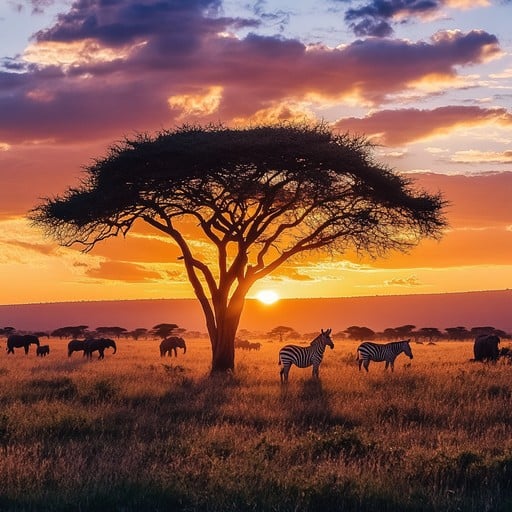
Expert guide on best time for walking safaris with month-by-month conditions, pricing, and planning recommendations for safari travelers.
Introduction to Best Time for Walking Safaris
Exploring best time for walking safaris reveals the depth and complexity of African safari travel. Whether you're drawn to the vast savannas of East Africa or the lush waterways of Southern Africa, this knowledge will serve you well throughout your journey.
Key Details and Considerations
Delving deeper into best time for walking safaris, travelers discover that Africa's safari industry has evolved significantly over the past decades. Modern safari experiences combine traditional wilderness exploration with contemporary comfort and conservation awareness. The key is finding the right balance for your travel style and budget, which our cost calculator can help you determine.
Still researching? Let us help.
Our advisory team has planned safaris across 9 African countries. We can turn your research into a real plan.
Talk to an AdvisorPractical Advice
For practical guidance on best time for walking safaris, consider these expert recommendations. First, start your research early and use reliable sources like our knowledge center for up-to-date information. Second, don't underestimate the value of professional guidance, as a knowledgeable safari planning guide can save you time, money, and potential disappointment. Third, remain flexible in your planning, as Africa's natural environments are dynamic and unpredictable.
Expert Insights
The landscape of best time for walking safaris reflects broader trends in African tourism, including the growing emphasis on authentic experiences, wildlife conservation, and cultural exchange. Modern safari travelers are more informed and discerning than ever, seeking meaningful connections with the natural world rather than simply checking off a bucket list. Our knowledge center supports this approach with in-depth articles covering every aspect of safari travel.
Planning Your Next Steps
In summary, best time for walking safaris is a multifaceted topic that rewards careful study and thoughtful planning. Whether you're a first-time safari traveler or a returning enthusiast, staying informed about the latest developments and best practices ensures the best possible experience. Explore our destinations, consult our safari operators, and use our cost calculator to begin planning your African adventure today.
Done Reading? Let's Build Your Safari.
Skip the guesswork. Work with an advisor who has been on the ground across East and Southern Africa.
Plan With UsA Deeper Look: Prime Destinations for Walking Safaris
While the concept of a walking safari is broadly applicable, certain destinations in Africa have perfected this art form, offering unparalleled experiences. The quality of guiding, the terrain, and the density of wildlife all play a crucial role. Here are some of the top-tier locations that should be on every walking enthusiast's radar.
South Luangwa National Park, Zambia: The Birthplace of the Walking Safari
Often hailed as the home of the walking safari, South Luangwa offers an experience steeped in tradition and expertise. The guides here undergo some of the most rigorous training on the continent, and it shows. A walk in South Luangwa is an education in the bush, focusing on the intricate details of the ecosystem. You’ll learn to identify tracks, understand animal behavior, and appreciate the smaller flora and fauna that are often missed from a vehicle.
- Best time to visit: The dry season, from June to October, is ideal. The vegetation is sparse, making wildlife easier to spot, and animals congregate around the shrinking Luangwa River.
- What makes it special: The focus is on tracking big game on foot, including lions and leopards, with highly experienced guides and armed rangers from the Department of National Parks and Wildlife.
> Expert Insight: Many camps in South Luangwa are seasonal, built from natural materials and dismantled at the end of the dry season. This minimizes environmental impact and enhances the feeling of being truly immersed in the wilderness. For an authentic experience, consider a multi-day walking safari between bushcamps.
Mana Pools National Park, Zimbabwe: Walking with Giants
Mana Pools is legendary among safari connoisseurs for its incredible light, beautiful albida trees, and the unique opportunity to walk in areas with high concentrations of elephants and other big game. The park’s open floodplains allow for excellent visibility, and the relaxed nature of the elephants here (due to a long history of non-threatening human presence) can lead to incredibly intimate and respectful encounters.
- Best time to visit: The dry season (June to October) is prime time. The albida trees drop their protein-rich pods, attracting elephants in large numbers.
- What makes it special: The freedom. In certain areas of the park, experienced visitors are even permitted to walk without a guide (though we strongly recommend always going with a professional). The focus is less on tracking and more on observing the theater of the wild unfold around you.
Ruaha National Park, Tanzania: A Rugged and Remote Frontier
For those seeking a more off-the-beaten-path adventure, Ruaha in southern Tanzania is an excellent choice. It’s one of the largest parks in Africa, yet it receives a fraction of the visitors of its northern counterparts. The terrain is wild and varied, from rolling hills to rocky outcrops and the Great Ruaha River. This is a destination for the more adventurous traveler.
- Best time to visit: The dry season from June to October is the best time for wildlife viewing.
- What makes it special: The sheer remoteness and the diversity of wildlife, including a healthy population of wild dogs. A walking safari here feels like a true exploration.
The Seasonal Rhythms of a Walking Safari
Understanding the seasonal calendar is key to planning the perfect walking safari. Each season offers a different experience, with its own set of advantages and disadvantages.
The Dry Season (June - October): The Classic Experience
This is the most popular time for a walking safari for several reasons:
- Visibility: The bush is less dense, making it easier to see animals from a distance.
- Wildlife Concentration: Water becomes scarce, so animals gather around rivers and waterholes, making them easier to find.
- Comfort: The weather is generally pleasant, with warm days and cool nights.
This is the ideal time for first-time walkers and those focused on seeing big game. However, it is also the busiest and most expensive time to travel. For more information on safari costs, our cost calculator is an excellent resource.
The Green Season (November - April): The Connoisseur's Choice
The "green" or "emerald" season is a time of renewal in the bush. The rains transform the landscape into a lush, green paradise. While walking can be more challenging, the rewards are significant.
- Photography: The vibrant colors, dramatic skies, and clear air make for stunning photographic opportunities.
- Young Animals: This is the birthing season for many species, and seeing the bush full of new life is a magical experience.
- Fewer Crowds: You’ll often feel like you have the wilderness all to yourself.
> Traveler's Tip: The green season is perfect for birdwatchers, as migratory birds are present in huge numbers. It also offers better value for money. If you are a seasoned safari-goer, a green season walking safari offers a fresh and fascinating perspective on the African bush.
What to Expect on Your Walk
A walking safari is a sensory experience. It’s about smelling the wild sage, hearing the crunch of your boots on the dry earth, and feeling the thrill of a close encounter. The focus shifts from simply spotting big game to understanding the ecosystem as a whole.
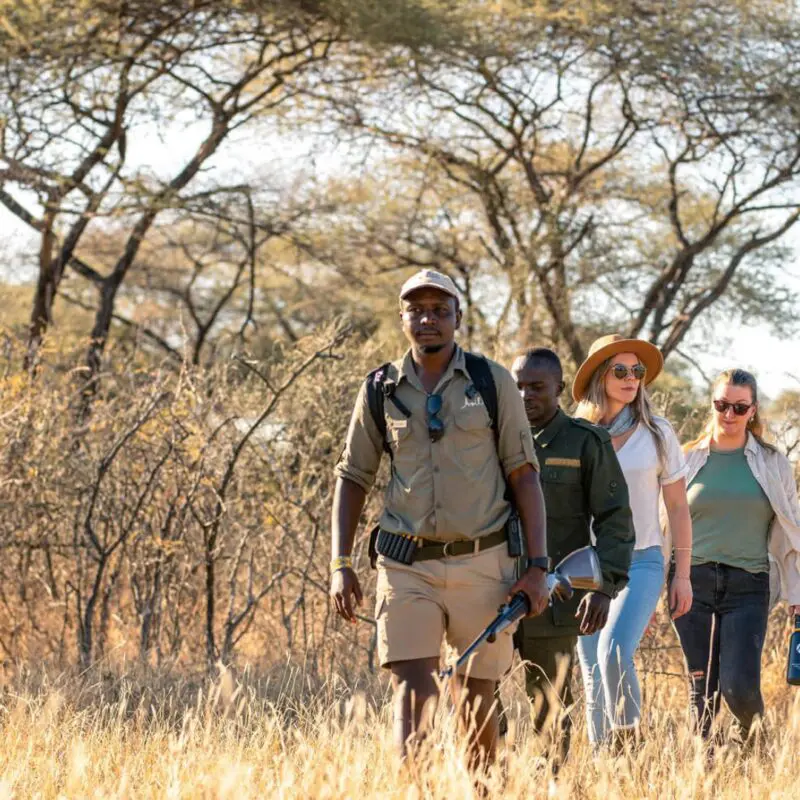
You’ll typically embark on a walk in the early morning, after a light breakfast, and again in the late afternoon to avoid the midday heat. Walks can last anywhere from two to four hours. Your guide will lead the way, with an armed ranger providing security. The pace is gentle, with frequent stops to examine tracks, plants, and smaller creatures.
Safety is paramount. You will be instructed to walk in single file, to keep quiet, and to follow your guide's instructions at all times. This is not a time for bravado; it is a time for respect and quiet observation. To learn more about safari safety, visit our knowledge center.
Ready to take the next step? Our safari operators are experts in crafting bespoke walking safari itineraries. Plan your safari with us and experience the African wilderness in its purest form.
Need Expert Safari Guidance?
Get expert advisory support from a firm founded by a former safari guide — with real operational knowledge across 9 African countries and full-journey accountability.
Related Planning Guides
Recommended Reading
 Season & Timing Guides
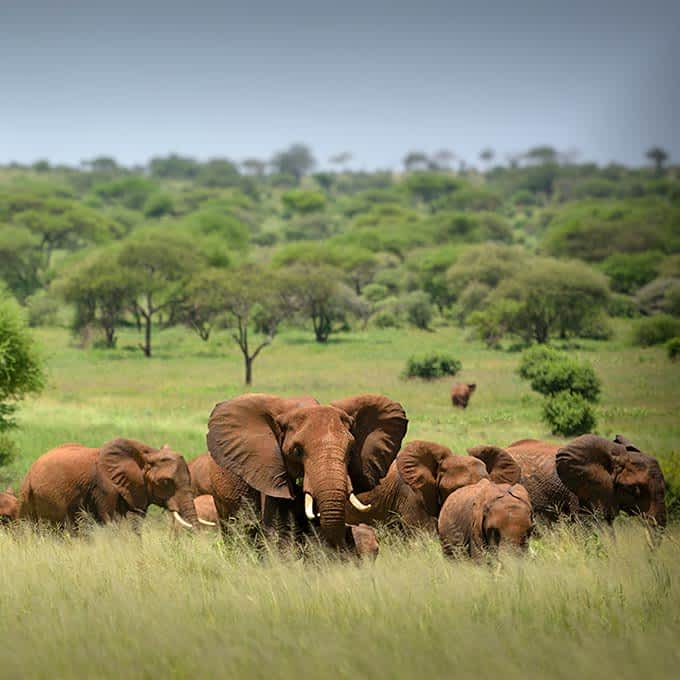
Best Time to Visit Tanzania for Safari
Expert guide on best time to visit tanzania for safari with month-by-month conditions, pricing, and planning recommendations for safari travelers.
 Season & Timing Guides
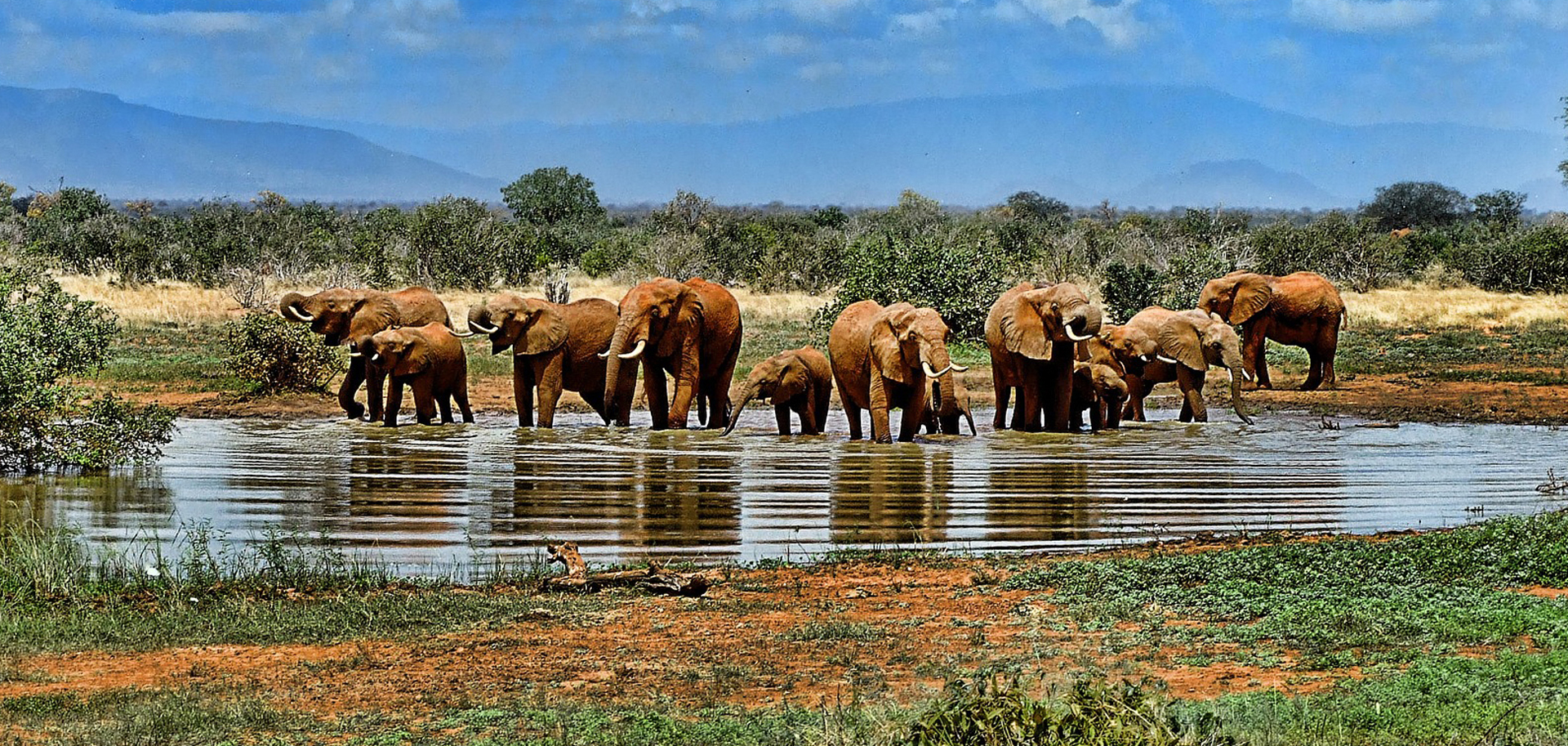
Best Time to Visit Kenya for Safari
Expert guide on best time to visit kenya for safari with month-by-month conditions, pricing, and planning recommendations for safari travelers.
 Season & Timing Guides
Best Time to Visit Botswana for Safari
Expert guide on best time to visit botswana for safari with month-by-month conditions, pricing, and planning recommendations for safari travelers.
 Destination Guides
Best Safari Destinations for Walking Safaris
Discover everything you need to know about Best Safari Destinations for Walking Safaris. From wildlife and landscapes to lodges and activities, this guide cover
 Safari Planning
Best Countries for First-Time Safari Travelers
Discover the best countries for a first-time safari. Our expert guide compares Tanzania, Kenya, South Africa, and more to help you plan your dream African adventure.
 Safari Planning
Best Time of Year to Go on Safari
Discover the best time of year to go on an African safari. Learn about the wet and dry seasons, and find out the ideal months to visit top destinations.