
This is a dummy meta description for How Climate Change Is Affecting Safari Seasons.
About How Climate Change Is Affecting Safari Seasons
This in-depth guide explores how climate change is affecting safari seasons, providing essential information for anyone planning an African safari. Understanding this topic thoroughly will help you make informed decisions and have a more rewarding safari experience. Africa's safari industry continues to evolve, and staying informed about the latest developments ensures you get the best possible experience.
Why This Matters for Your Safari
How Climate Change Is Affecting Safari Seasons is an important consideration for safari travelers. Whether you're a first-time visitor or a returning enthusiast, understanding the nuances of this topic can significantly impact your trip. From choosing the right destinations to selecting appropriate operators, every decision builds on foundational knowledge. Our safari operators can provide personalized guidance based on your specific needs.
Still researching? Let us help.
Our advisory team has planned safaris across 9 African countries. We can turn your research into a real plan.
Talk to an AdvisorKey Insights and Recommendations
Based on extensive industry experience and traveler feedback, several key insights emerge. First, research is your best investment, as the more you know before booking, the better your experience will be. Second, flexibility in timing and destinations often leads to better value and fewer crowds. Third, working with experienced professionals, whether guides, operators, or advisors, consistently produces superior outcomes. Explore our knowledge center for more detailed articles on related topics.
Practical Applications
Putting this knowledge into practice starts with your planning process. Begin by identifying your priorities, whether that's specific wildlife encounters, landscape preferences, or cultural experiences. Then use resources like our destination guides, cost calculator, and operator directory to build an itinerary that aligns with your goals. Don't rush the planning process, as a well-planned safari is almost always more rewarding than a hastily arranged one.
Further Reading
To deepen your understanding, explore related articles in our knowledge center. Each guide is written by safari industry professionals with firsthand experience across Africa's top destinations. For personalized advice, our safari planning guidey team is available to answer your questions and help refine your plans.
Done Reading? Let's Build Your Safari.
Skip the guesswork. Work with an advisor who has been on the ground across East and Southern Africa.
Plan With UsThe Great Migration's Unpredictable Rhythm
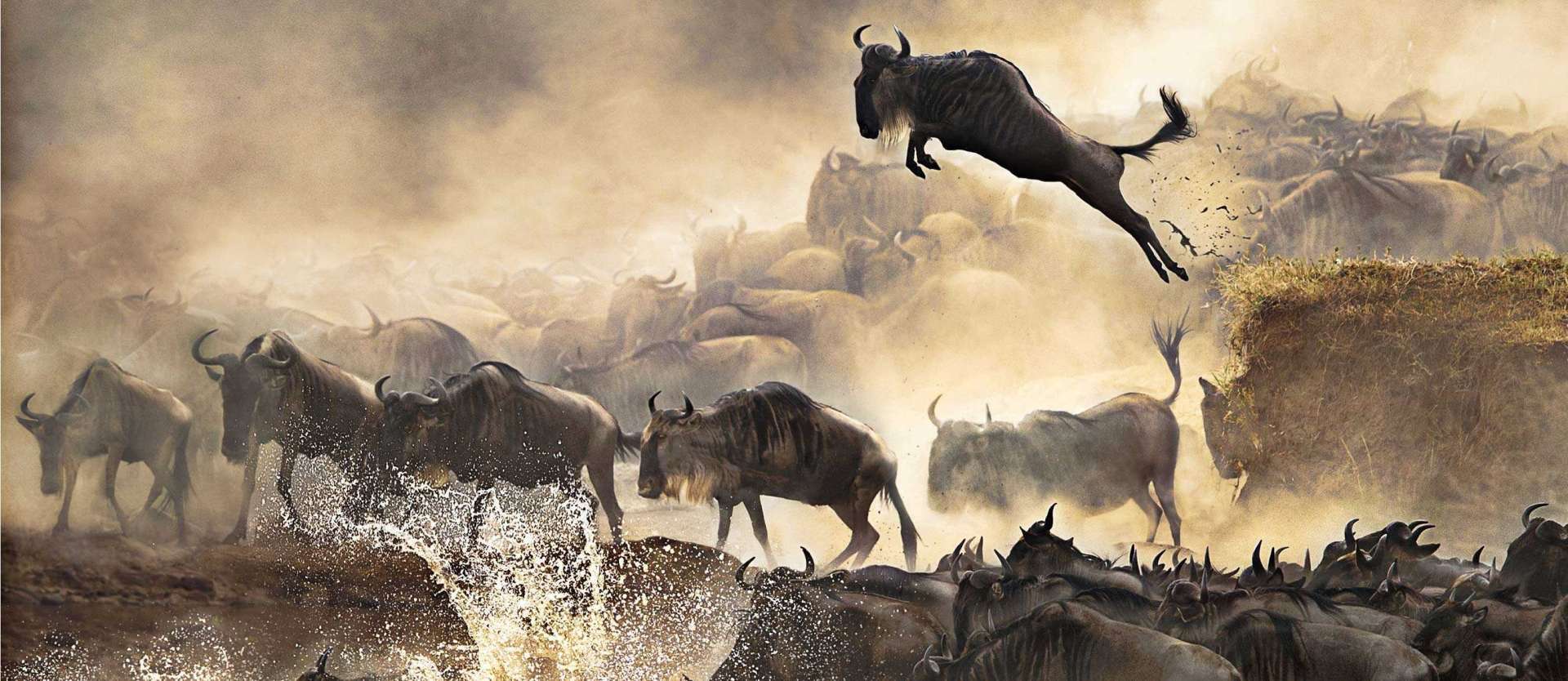
One of Africa’s most sought-after wildlife spectacles, the Great Migration in the Serengeti-Mara ecosystem, is undergoing a noticeable shift. This colossal movement of over 1.5 million wildebeest, zebras, and gazelles has always been dictated by rainfall patterns, but climate change is making these patterns increasingly erratic. The long and short rains, which historically fell within predictable windows, are now arriving earlier, later, or not at all. This directly impacts the timing of the migration, making it harder for travelers to plan their trips to witness key events like the dramatic Mara River crossings or the calving season in the southern Serengeti.
For instance, a delay in the long rains (typically March to May) can hold the herds in the southern Serengeti for longer, pushing back their northward journey. Conversely, unseasonal rains in the northern plains might cause the herds to move erratically or splinter into smaller groups, making them harder to locate. This unpredictability is a significant challenge for safari operators and travelers alike, who often book their trips months or even years in advance. To navigate this, it is more important than ever to work with experienced safari operators who have on-the-ground networks providing real-time information.
Traveler's Tip: Embrace Flexibility
When planning a safari focused on the Great Migration, consider adding a few extra days to your itinerary. This provides a buffer to account for unpredictable herd movements and increases your chances of witnessing the spectacle. A longer safari allows your guide to cover more ground and adapt the daily plan based on the latest wildlife sightings.
Beyond the Migration: A Continent-Wide Impact
The effects of climate change are not limited to the Great Migration. Across Africa, diverse ecosystems and their inhabitants are facing unprecedented challenges. In Southern Africa, particularly in Botswana and Zimbabwe, prolonged droughts are shrinking vital water sources like the Okavango Delta and the Zambezi River. This has profound consequences for wildlife, especially large mammals like elephants and hippos that depend on these water bodies.
In Amboseli National Park, Kenya, famous for its large elephant herds against the backdrop of Mount Kilimanjaro, the drying of wetlands is forcing elephants to raid farms for food and water, leading to increased human-wildlife conflict. Similarly, the changing climate is affecting birdlife. Migratory birds are altering their routes and timing, while some resident species are struggling to adapt to the changing availability of food and nesting sites.
> Expert Insight: The "Green Season," once considered the "off-season" for safaris, is gaining popularity. This period, corresponding with the rains, offers lush landscapes, fewer crowds, and often lower prices. It's an excellent time for birdwatching and photography, and many animals give birth during this time of abundance. Our cost calculator can help you compare prices for different seasons.
Regional Deep Dive: A Closer Look at Key Destinations
To better understand the on-the-ground reality, let’s explore how climate change is affecting specific safari regions.
East Africa: Kenya and Tanzania
In the Serengeti-Mara ecosystem, the heart of East African safaris, the timing of the rains is everything. The calving season, when thousands of wildebeest give birth in the southern Serengeti, is a prime example. This event, traditionally occurring in January and February, is timed with the fresh grazing that follows the short rains. A failure of these rains can lead to lower birth rates and weaker calves, impacting the entire ecosystem. For those planning a safari to witness this incredible event, it is crucial to consult our knowledge center for the latest updates and predictions.
Southern Africa: Botswana and Zambia
Botswana's Okavango Delta, a UNESCO World Heritage Site, is a vast inland delta that supports a huge concentration of wildlife. However, the delta is fed by rainfall in the Angolan highlands, and any disruption to these rains can have a cascading effect. Lower water levels in the delta mean less habitat for aquatic species and force terrestrial animals to travel further in search of water. In Zambia, the iconic Victoria Falls, while still a powerful sight, has seen reduced flow during peak dry seasons, a stark visual reminder of the changing climate.
Central Africa: Uganda and Rwanda
The rainforests of Uganda and Rwanda, home to the endangered mountain gorillas and chimpanzees, are also feeling the effects of climate change. Altered rainfall patterns can impact the availability of the fruits and plants that these primates rely on. While the immediate impact on gorilla trekking is minimal, the long-term health of these fragile ecosystems is a major concern for conservationists. When you plan your safari to these regions, you are directly contributing to the conservation efforts that are vital for protecting these magnificent animals.
Planning Your Safari in a Changing World
While the challenges are significant, a safari in Africa remains a life-changing experience. The key to a successful trip in this new era of climate uncertainty is careful planning and a flexible mindset. By working with reputable operators and knowledgeable advisors, you can navigate the unpredictability and still have an incredible journey. Your visit also plays a crucial role in supporting the conservation initiatives that are working to protect these wild places for generations to come. Explore our destinations to find the perfect safari for you.
Need Expert Safari Guidance?
Get expert advisory support from a firm founded by a former safari guide — with real operational knowledge across 9 African countries and full-journey accountability.
Related Planning Guides
Recommended Reading
 Safari Operator Articles
How Safari Operators Adapt to Climate Change
Learn about how safari operators adapt to climate change and how it can impact your safari experience. Get expert advice and start planning your dream safari today.
 Safari Cost Guides
How Exchange Rates Affect Safari Costs
Learn about how exchange rates affect safari costs in this comprehensive safari guide covering key insights and practical advice.
 Season & Timing Guides
How Moon Phases Affect Safari Wildlife
Discover the surprising ways in which the lunar cycle influences the behavior of predators and prey, and how it can impact your night game drive experiences.
 Season & Timing Guides
How Tides Affect Coastal Safari Experiences
Learn how the ebb and flow of tides shape coastal ecosystems and influence wildlife activities, from marine life to birdwatching, on a coastal safari.
 Season & Timing Guides
Understanding Safari Seasons in Tanzania
A guide to the best times to visit Tanzania for a safari, covering the Great Migration, the dry season, and the green season in this iconic East African destination.
 Safari Comparison Articles
Rainy Season Safari vs Dry Season Safari
An in-depth comparison of Rainy Season Safari vs Dry Season Safari to help you choose the perfect safari experience. Explore the pros, cons, and key differences