
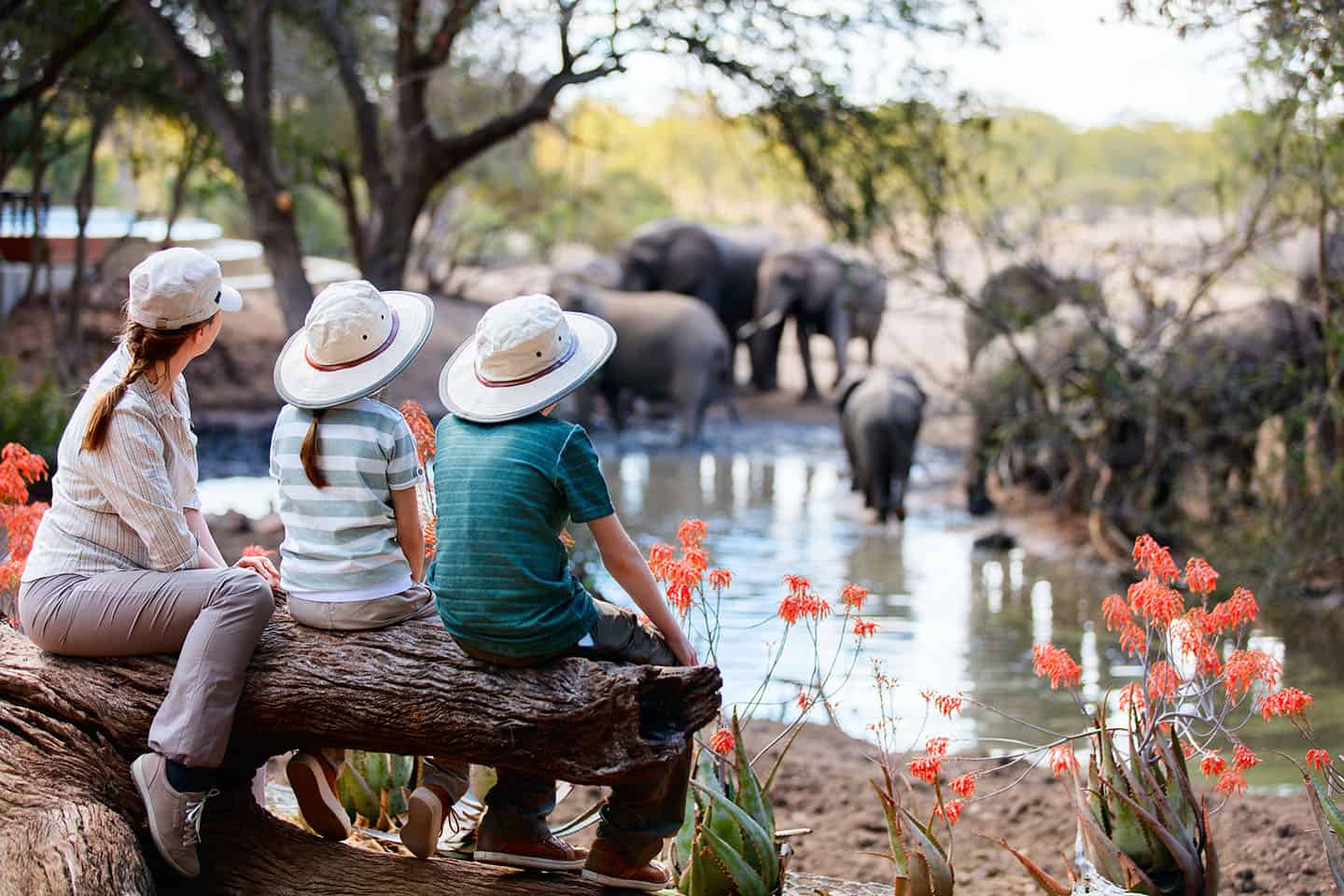
An in-depth comparison of Full Moon Safari vs New Moon Safari to help you choose the perfect safari experience. Explore the pros, cons, and key differences to m
Full Moon Safari vs New Moon Safari
The safari industry has evolved significantly, and so has the approach to full moon safari vs new moon safari. This guide reflects current best practices and real-world insights from operators across East and Southern Africa.
Seasonal Factors and Timing: Full Moon Safari vs New Moon Safari
The timing of your safari significantly impacts full moon safari vs new moon safari. Dry season months, typically June through October in most East African destinations, offer different conditions than the green season months of November through May. Each period has distinct advantages and considerations.
Peak season brings excellent wildlife viewing but also higher prices and more crowded parks. Shoulder seasons offer a balance of good conditions and fewer crowds. Understanding how seasonal factors affect full moon safari vs new moon safari helps you choose the optimal time for your specific priorities.
Still researching? Let us help.
Our advisory team has planned safaris across 9 African countries. We can turn your research into a real plan.
Talk to an AdvisorMaking the Most of Your Experience: Full Moon Safari vs New Moon Safari
Finally, remember that a safari is more than just wildlife viewing. The cultural experiences, landscapes, and personal connections you make along the way are equally valuable. Approaching full moon safari vs new moon safari with this broader perspective will enrich your entire journey.
Photography enthusiasts should pay special attention to full moon safari vs new moon safari as it relates to their equipment and technique. The lighting conditions, distances, and movement patterns of African wildlife create unique challenges and opportunities that benefit from advance preparation.
Practical Planning Steps
Step three is creating a detailed plan that accounts for all aspects of full moon safari vs new moon safari. This should include timelines, budgets, backup options, and contingency plans. The most successful safari travelers are those who plan thoroughly while remaining flexible enough to adapt to changing conditions.
Step one in addressing full moon safari vs new moon safari is to clearly define your priorities and expectations. Are you focused on specific wildlife sightings, cultural experiences, photography opportunities, or a combination? Your answer will shape every subsequent decision.
Common Mistakes to Avoid: Full Moon Safari vs New Moon Safari
Underestimating the importance of full moon safari vs new moon safari is perhaps the biggest mistake of all. Travelers who give this aspect of their safari proper attention consistently report more satisfying experiences than those who treat it as an afterthought.
One of the most frequent mistakes travelers make with full moon safari vs new moon safari is waiting too long to start planning. Popular safari destinations and lodges book up months in advance, especially during peak season. Last-minute planning often results in limited options and higher costs.
Another common error is relying solely on online reviews without consulting experienced professionals. While traveler reviews provide valuable perspectives, they often lack the context and expertise that a qualified safari planning guide can offer. The best approach combines both sources of information.
Done Reading? Let's Build Your Safari.
Skip the guesswork. Work with an advisor who has been on the ground across East and Southern Africa.
Plan With UsThe Nocturnal Theater: Wildlife Behavior Under the Moon
The most significant difference between a full moon and a new moon safari lies in the behavior of nocturnal animals and the quality of your game viewing. The phase of the moon directly influences the ambient light, which in turn affects predator-prey dynamics.
During a new moon, the sky is at its darkest. This lack of moonlight provides excellent cover for predators. In destinations renowned for night drives, such as Zambia's South Luangwa National Park or the private Sabi Sand Game Reserve in South Africa, a new moon can dramatically increase your chances of witnessing a hunt. Leopards, lions, and hyenas use the deep shadows to their advantage, allowing them to stalk their prey more effectively. The darkness also enhances the stargazing, offering breathtaking views of the Milky Way, unhindered by lunar light.
Conversely, a full moon bathes the landscape in a soft, silvery light. While this can make for a beautifully atmospheric experience, it can also make predators more visible to their prey, sometimes leading to less hunting activity. However, it offers a unique opportunity for activities beyond a standard vehicle-based night drive. Some camps in Botswana’s Makgadikgadi Pans or private conservancies in Laikipia, Kenya, offer guided walking safaris under the full moon, allowing you to experience the bush in a completely different and deeply immersive way. You may also see large herbivores like elephants and hippos grazing more confidently, further from the safety of water or thick bush.
Case Study: Two Nights, Two Moons
To illustrate the difference, consider two distinct scenarios:
- Scenario A: New Moon in the Luangwa Valley. On a pitch-black, new-moon night, your guide's spotlight is the only source of light, creating a focused beam that cuts through the darkness. The air is tense with anticipation. Suddenly, the light catches the reflective eyes of a leopard, low to the ground, stalking a puku antelope. The complete darkness conceals the predator's approach, and you witness a raw, unfiltered moment of nature. This is the thrilling, action-oriented potential of a new moon safari.
- Scenario B: Full Moon in the Okavango Delta. The landscape is illuminated by a bright full moon, bright enough to cast shadows. You're on a raised sleep-out platform overlooking a waterhole. The experience is not about an active search but a patient observation. You don't need a spotlight. The moonlight reveals a herd of elephants silently drinking from the waterhole, their massive forms silhouetted against the water. The feeling is one of peace, tranquility, and a profound connection to the nocturnal world on its own terms.
Related Resources
For more information on planning your safari, explore our destination guides, browse the safari operator directory, or connect with an experienced safari planning guide for personalized guidance.
Comparing the Experience: Full Moon vs. New Moon Safari
To make an informed decision, it's helpful to directly compare the key aspects of a safari under each lunar condition. While both offer unique magic, they cater to different priorities and safari styles. Use this table to align your expectations with the right lunar cycle for your adventure.
| Feature | New Moon Safari (Dark Sky) | Full Moon Safari (Bright Sky) | | :--------------------- | :-------------------------------------------------------------------------------------- | :-------------------------------------------------------------------------------------------- | | Primary Advantage | Optimal conditions for predator action and intense, focused wildlife sightings. | Ethereal atmosphere, landscape visibility, and unique non-vehicle activities. | | Wildlife Viewing | Increased likelihood of witnessing hunts. Predators like lions and leopards use the darkness for cover. Sightings are typically via spotlight. | Herbivores may be more active and visible. Predator hunting can be less frequent as prey can spot them more easily. | | Best For... | Thrill-seekers, travelers focused on predator sightings, and serious wildlife photographers. | Travelers seeking a tranquil, atmospheric experience, unique activities like moonlit walks, and landscape appreciation. | | Atmosphere | Tense, focused, and full of anticipation. The world exists only within the beam of the spotlight. | Serene, magical, and expansive. The landscape is bathed in a soft, silvery light, revealing silhouettes and shadows. | | Stargazing | Absolutely phenomenal. The lack of moonlight reveals the full glory of the Milky Way and countless constellations. | The moon's brightness washes out fainter stars, making it less ideal for deep-sky astronomy but beautiful in its own right. | | Photography | Requires fast lenses (f/2.8 or wider) and high ISO capabilities. Relies on skillfully using a spotlight. | Allows for creative long-exposure shots, landscape astrophotography, and capturing silhouettes against the moonlit sky. | | Recommended Locations | Private reserves in South Africa (Sabi Sand, Timbavati) and Zambia's South Luangwa National Park. | Botswana's Makgadikgadi Pans, private conservancies in Laikipia (Kenya), and Namibia's desert landscapes. |
Top Lodges for Nocturnal Safaris
Choosing the right lodge is critical, as night drives and specialized lunar activities are often exclusive to certain properties, particularly those in private conservancies where rules are more flexible than in national parks. For expert guidance, connect with our safari operators.
For New Moon Predator Action
These lodges are located in predator-rich areas and have a strong reputation for exceptional night drives.
- Londolozi Private Game Reserve, South Africa: Located in the Sabi Sand, Londolozi is world-famous for its leopard sightings. Their guides are masters of the spotlight, offering some of the most reliable and ethically conducted nocturnal predator viewing on the continent. Expect to pay upwards of $1,500 per person, per night.
- The Bushcamp Company, Zambia: In the South Luangwa, a park that pioneered the walking safari, this collection of camps offers some of the best night drives in Africa. Camps like Chindeni and Bilimungwe provide an intimate and wild experience, focusing on the raw action of the bush after dark.
For Full Moon Atmosphere and Activities
These properties leverage the full moon to offer experiences that go beyond the vehicle.
- Jack's Camp, Botswana: Situated in the Makgadikgadi Pans, Jack's Camp is synonymous with unique desert experiences. During the dry season, a full moon allows for surreal quad bike journeys across the salt pans and sleeping out under the stars, enveloped by the immense, silent landscape. It's a profound, almost spiritual experience.
- Loisaba Tented Camp, Kenya: In the private Loisaba Conservancy in Laikipia, the camp is famous for its
Need Expert Safari Guidance?
Get expert advisory support from a firm founded by a former safari guide — with real operational knowledge across 9 African countries and full-journey accountability.
Related Planning Guides
Recommended Reading
 Safari Comparison Articles
Honeymoon Safari vs Family Safari
An in-depth comparison of Honeymoon Safari vs Family Safari to help you choose the perfect safari experience. Explore the pros, cons, and key differences to mak
 Luxury Safaris
Luxury Safari for Honeymoons
Discover the ultimate luxury honeymoon safari in Africa. Our guide covers exclusive experiences, top destinations, and expert planning advice for a romantic adventure.
 Safari Planning Guides
How to Plan a Safari Honeymoon in Africa
Discover how to plan your dream safari with our expert guide on How to Plan a Safari Honeymoon in Africa. Get tips on destinations, costs, and more.
 Safari Cost Guides
Cost of a Honeymoon Safari
Planning a safari? Learn about cost of a honeymoon safari. Get expert advice and insights from Safari Intelligence to plan your perfect trip.
 Season & Timing Guides
How Moon Phases Affect Safari Wildlife
Discover the surprising ways in which the lunar cycle influences the behavior of predators and prey, and how it can impact your night game drive experiences.
 Safari Operator Articles
Safari Operators That Specialize in Honeymoons
A guide to choosing a safari operator that specializes in honeymoons for a romantic and unforgettable start to your married life.