
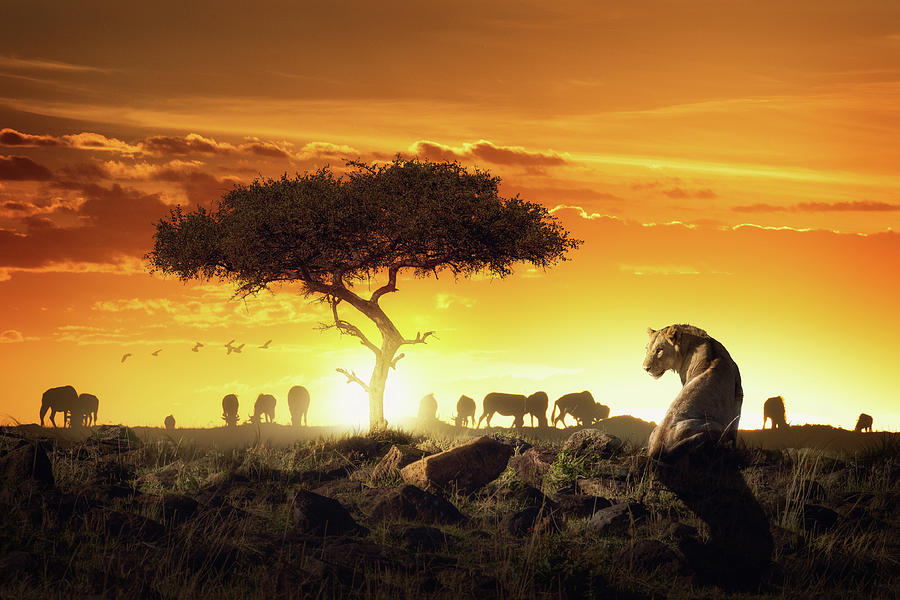
An in-depth comparison of Short Safari vs Long Safari \u2013 What to Choose to help you choose the perfect safari experience. Explore the pros, cons, and key di
Short Safari vs Long Safari – What to Choose
Planning a safari involves many important decisions, and understanding short safari vs long safari – what to choose is one of the most critical. This comprehensive guide draws on years of field experience to help you navigate this aspect of safari travel with confidence.
Expert Recommendations: Short Safari vs Long Safari – What to Choose
Safari advisors consistently recommend starting your planning process at least six to twelve months before your intended travel dates. This lead time allows you to secure preferred accommodations, take advantage of early booking rates, and properly prepare for all aspects of short safari vs long safari – what to choose.
Budget considerations play an important role in short safari vs long safari – what to choose. While it is tempting to cut corners, experienced travelers consistently report that investing in quality where it matters most leads to significantly better outcomes. The key is knowing where to allocate your budget for maximum impact.
Working with a qualified safari planning guide can significantly improve your experience with short safari vs long safari – what to choose. Advisors who have personal experience in your chosen destinations can provide insights that no guidebook or website can match. They understand the subtle differences between properties, the best times to visit specific areas, and how to structure an itinerary that maximizes your time.
Still researching? Let us help.
Our advisory team has planned safaris across 9 African countries. We can turn your research into a real plan.
Talk to an AdvisorPractical Planning Steps
Step three is creating a detailed plan that accounts for all aspects of short safari vs long safari – what to choose. This should include timelines, budgets, backup options, and contingency plans. The most successful safari travelers are those who plan thoroughly while remaining flexible enough to adapt to changing conditions.
Step two involves researching your options thoroughly. Compare different destinations, operators, and approaches to short safari vs long safari – what to choose. Read reviews from verified travelers, consult with safari operators, and cross-reference information from multiple sources.
Step one in addressing short safari vs long safari – what to choose is to clearly define your priorities and expectations. Are you focused on specific wildlife sightings, cultural experiences, photography opportunities, or a combination? Your answer will shape every subsequent decision.
Regional Considerations Across Africa
Southern Africa presents a different landscape for short safari vs long safari – what to choose. Countries like Botswana, South Africa, Namibia, and Zimbabwe each have established infrastructure and practices that reflect their unique environments. The Okavango Delta, for instance, requires water-based considerations that land-based safaris in Kruger National Park do not.
Central and West African destinations, including Uganda, Rwanda, and the Congo, offer specialized experiences like gorilla trekking that bring their own set of requirements. These destinations often involve more challenging terrain and different logistical considerations compared to the classic savanna safari.
Making the Most of Your Experience
To truly optimize short safari vs long safari – what to choose, approach your safari with an open mind and realistic expectations. Africa has a way of surprising even the most experienced travelers, and some of the best moments come from unexpected encounters and unplanned detours.
Photography enthusiasts should pay special attention to short safari vs long safari – what to choose as it relates to their equipment and technique. The lighting conditions, distances, and movement patterns of African wildlife create unique challenges and opportunities that benefit from advance preparation.
Finally, remember that a safari is more than just wildlife viewing. The cultural experiences, landscapes, and personal connections you make along the way are equally valuable. Approaching short safari vs long safari – what to choose with this broader perspective will enrich your entire journey.
Done Reading? Let's Build Your Safari.
Skip the guesswork. Work with an advisor who has been on the ground across East and Southern Africa.
Plan With UsThe Short Safari: A Focused Encounter
A short safari, typically lasting 4 to 7 days, is an excellent option for travelers with limited time or those who wish to focus on a singular, high-impact experience. These itineraries are designed to maximize wildlife viewing by concentrating on one or two specific ecosystems, often utilizing fly-in transfers to reduce time spent on the road. For example, a 5-day safari could focus entirely on gorilla trekking in Uganda's Bwindi Impenetrable Forest, providing two trekking opportunities to spend time with different gorilla families. This focused approach is intense, rewarding, and logistically efficient.
Another classic short safari model is a 4-day fly-in trip to Kenya's Maasai Mara National Reserve. By flying directly from Nairobi, you can be on a game drive within hours of leaving the city. This is particularly effective for witnessing the Great Migration from July to October, allowing for several days dedicated to finding and following the massive herds and their predators without the long drive times from the capital.
The Long Safari: An In-Depth Exploration
A long safari, lasting from 10 to 14 days or more, allows for a far deeper and more comprehensive exploration of a region. This extended duration permits a more relaxed pace and the ability to combine multiple, diverse ecosystems, revealing the full scope of a country's biodiversity. A longer itinerary is essential for travelers who want to immerse themselves in the environment, appreciate the nuances of animal behavior, and experience a variety of safari activities beyond standard game drives, such as guided bush walks, cultural visits, and night drives.
For instance, a 12-day journey through Tanzania—often called the 'Northern Circuit'—is a perfect example. This itinerary can comfortably include the vast plains of the Serengeti National Park, the unique caldera of the Ngorongoro Crater, and the elephant-rich woodlands of Tarangire National Park. The additional time allows for exploring different sections of the Serengeti, such as the Mara River in the north or the Ndutu plains in the south, depending on the season and the movement of the Great Migration. This variety not only increases the diversity of wildlife sightings but also provides a much richer understanding of East Africa's interconnected ecosystems.
Related Resources
For more information on planning your safari, explore our destination guides, browse the safari operator directory, or connect with an experienced safari planning guide for personalized guidance.
The Cost Equation: Is a Longer Safari Worth the Investment?
While a longer safari naturally involves a higher total cost, it often represents better value. The per-day cost can decrease on extended trips, as fixed expenses like international flights are spread over more days. A significant portion of your safari budget is allocated to reaching the destination; maximizing your time on the ground makes that investment more worthwhile.
Longer itineraries, such as those spanning 10 to 14 days, also unlock access to more remote, exclusive, and less-crowded reserves. While camps in these areas may have a higher nightly rate, they provide unparalleled wildlife viewing and a more intimate connection with the environment, away from the main tourist circuits. Our safari cost calculator can help you model different scenarios and understand how trip length impacts your overall budget.
> Traveler's Tip: Consider traveling during the shoulder seasons (such as April-May or November). You can often book a longer, more comprehensive safari for the same price as a shorter trip during the peak season, while still enjoying fantastic game viewing.
Case Study: Two Safari Itineraries Compared
To illustrate the trade-offs, let's compare two potential Tanzanian itineraries—one short, one long.
The 5-Day "Northern Circuit Express"
This fast-paced trip focuses on the most famous highlights. It might include one day in the Ngorongoro Crater and two to three days in the central Serengeti. While you will see incredible wildlife, much of your time is spent traveling between locations. The experience can feel rushed, with less time to linger at sightings or appreciate the subtle nuances of the ecosystem. This is a great option if you are short on time or combining a safari with other travel plans.
**The 12-Day "Tanzania Immersion"
This itinerary allows for a much deeper exploration. It could begin in Tarangire National Park, known for its large elephant herds, before heading to the Ngorongoro Highlands for a cultural visit. From there, you would continue to the Serengeti, spending time in both the central region and a more remote area like the Grumeti Reserve in the west or the Lamai Wedge in the north. This extended duration allows for multiple full-day game drives, opportunities to witness predator-prey interactions without rushing, and time to simply absorb the wildness of it all.
> Expert Insight: The true magic of a safari often reveals itself in moments of stillness—waiting for a leopard to descend from a tree or watching a herd of elephants interact at a waterhole. A longer safari provides the gift of time, allowing your guide to follow their instincts and lead you to these unforgettable, unscripted moments. For personalized itinerary planning, we recommend speaking with our safari operators.
Need Expert Safari Guidance?
Get expert advisory support from a firm founded by a former safari guide — with real operational knowledge across 9 African countries and full-journey accountability.
Related Planning Guides
Recommended Reading
 Safari Planning Guides
How to Choose Between a Lodge Safari and Camping Safari
Discover how to plan your dream safari with our expert guide on How to Choose Between a Lodge Safari and Camping Safari. Get tips on destinations, costs, and more.
 Safari Planning
How to Choose a Safari Operator
Learn how to choose a reputable African safari operator with our expert guide. We cover vetting companies, questions to ask, and understanding safari costs.
 Safari Planning Guides
How to Plan a Short 3-Day Safari in Kenya
Discover how to plan your dream safari with our expert guide on How to Plan a Short 3-Day Safari in Kenya. Get tips on destinations, costs, and more.
 Safari Planning Guides
How to Choose Between Flying and Driving on Safari
Discover how to plan your dream safari with our expert guide on How to Choose Between Flying and Driving on Safari. Get tips on destinations, costs, and more.
 Safari Operator Articles
How to Choose a Safari Operator in Tanzania
Learn how to select the best safari operator in Tanzania for your dream trip to the Serengeti, Ngorongoro Crater, and other iconic parks.
 Safari Operator Articles
How to Choose a Safari Operator in Kenya
Discover how to choose the right safari operator in Kenya for an unforgettable experience in the Maasai Mara, Amboseli, and other famous reserves.