
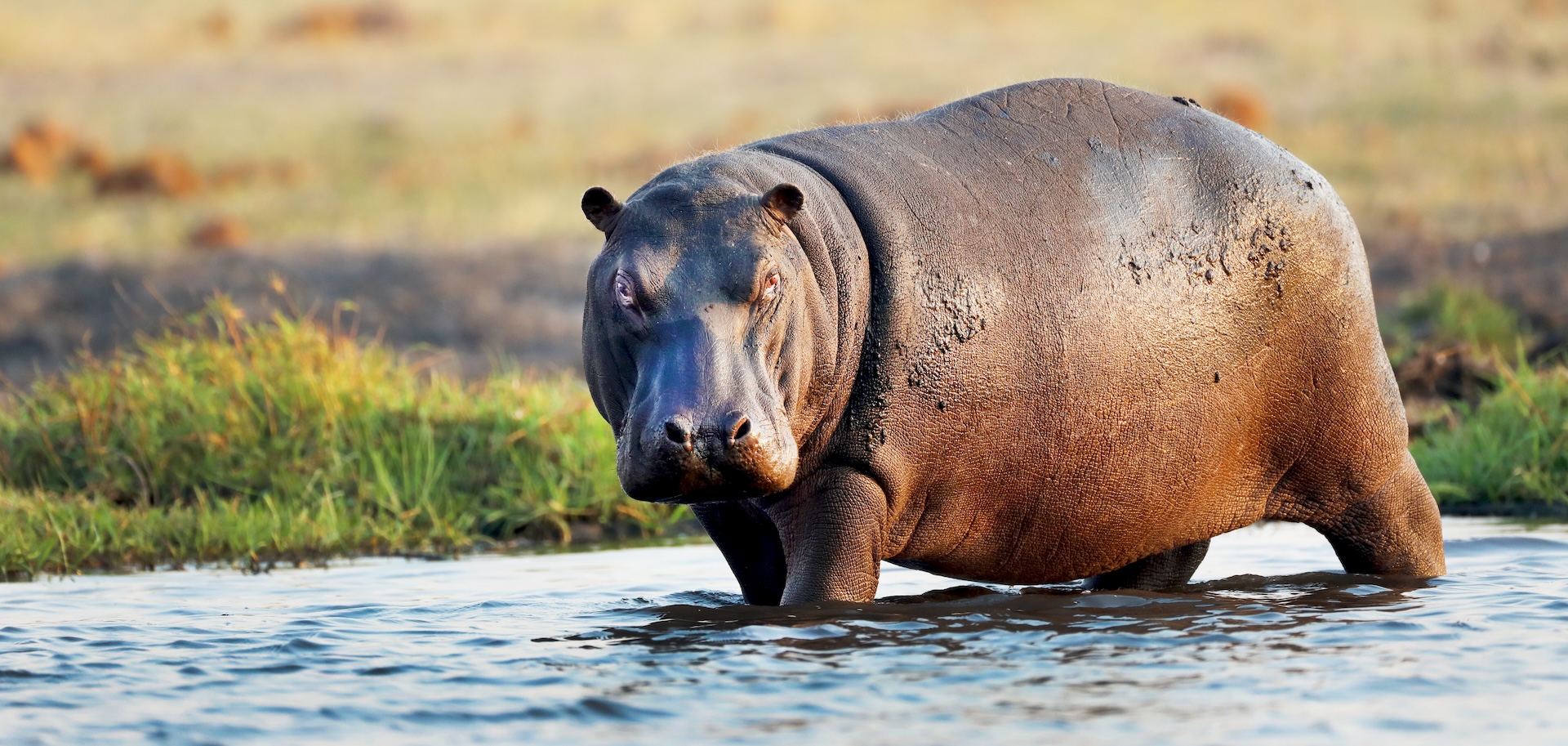
A complete guide to Complete Guide to Meru National Park. Learn about the wildlife, activities, and best time to visit this amazing destination.
The Setting of "Born Free"
Meru National Park is famous as the place where George and Joy Adamson raised and released Elsa the lioness, as told in the book and film "Born Free." The park has a rich history and a special place in the hearts of many wildlife lovers. A visit to Meru is a chance to experience the landscape that inspired this classic story. For more on the history of conservation, visit our knowledge center.
A Park Restored
In the 1980s, Meru was devastated by poaching, and its wildlife was decimated. However, in recent years, the park has been the focus of a major restoration effort, and its wildlife populations have made a remarkable recovery. Today, Meru is once again a thriving wilderness, with healthy populations of elephants, lions, and rhinos. Explore more conservation success stories on our destinations page.
Still researching? Let us help.
Our advisory team has planned safaris across 9 African countries. We can turn your research into a real plan.
Talk to an AdvisorA Diverse and Beautiful Landscape
Meru has a diverse and beautiful landscape, with 13 rivers flowing through it. The park is a mosaic of different habitats, including open grasslands, acacia woodlands, and dense riverine forests. This variety of habitats supports a wide range of wildlife, and game drives in Meru are always full of surprises. Our safari operators can help you plan a trip that explores the different corners of this beautiful park.
Planning Your Meru Safari
Meru is a great destination for those who are looking for a wild and off-the-beaten-path safari experience. The best time to visit is during the dry season, from June to October. The park is home to a number of small and exclusive lodges, which offer a high level of comfort and service. To get an idea of the costs for a safari to Meru, use our cost calculator. Our team can help you plan an unforgettable adventure in this wilderness reborn.
A Deeper Dive into Meru's Remarkable Wildlife
While many Kenyan parks are famous for the sheer density of animals, Meru National Park offers something different: a sense of discovery and a chance to see rare and unusual species in a truly wild setting. The park is a sanctuary for a remarkable diversity of wildlife, including the celebrated "Big Five"—lion, leopard, elephant, buffalo, and rhinoceros.
However, what truly sets Meru apart is its population of the "Northern Five," a collection of species adapted to the arid landscapes of northern Kenya. These include:
- Grevy's Zebra: Larger than the common plains zebra, with narrower, more numerous stripes that don't extend to the belly or legs.
- Reticulated Giraffe: Distinguished by its beautiful coat of polygonal, liver-colored spots outlined by a network of brilliant white lines.
- Beisa Oryx: A striking antelope with long, straight horns and distinctive black-and-white facial markings.
- Gerenuk: Often called the "giraffe-necked antelope," the gerenuk has a unique ability to stand on its hind legs to browse on high branches.
- Somali Ostrich: Recognizable by its blue-gray neck and legs, which differentiate it from its southern cousin.
> Expert Insight: The presence of both common and Grevy's zebra in Meru offers a unique opportunity to compare these two distinct species in their natural habitat. Look for them in the park's open grasslands.
Meru is also a designated rhino sanctuary, and one of the best places in Kenya to see both black and white rhinos. The dedicated conservation efforts have been so successful that the park now helps to restock other conservation areas.
Birdwatching in Meru is another highlight, with over 400 recorded species. The park's many rivers and streams attract a variety of water birds, while the forests and grasslands are home to raptors, hornbills, and the spectacular golden-breasted starling.
Done Reading? Let's Build Your Safari.
Skip the guesswork. Work with an advisor who has been on the ground across East and Southern Africa.
Plan With UsConservation and Rebirth: A Story of Hope
Meru's journey is a powerful story of resilience. In the 1970s and 80s, the park was devastated by poaching, which decimated its wildlife populations, particularly elephants and rhinos. For years, Meru was considered a no-go zone for tourists.
However, a concerted effort by the Kenya Wildlife Service (KWS), in partnership with international conservation organizations like the French Development Agency (AFD) and the International Fund for Animal Welfare (IFAW), has transformed Meru. The park's security was upgraded, infrastructure was rebuilt, and wildlife was reintroduced. This ambitious project, one of the largest of its kind in Kenya, has been a resounding success. Today, Meru is a thriving wilderness once more, a testament to the power of conservation.
The Landscapes of Meru: A Mosaic of Habitats
Part of what makes Meru's wildlife so diverse is its incredible variety of habitats. The park is crossed by 13 rivers and numerous mountain-fed streams, creating a lush, riverine ecosystem that contrasts sharply with the arid plains. The Tana River, Kenya's longest, forms the park's southern boundary.
Key landscapes in Meru include:
- Riverine Forests: Dense forests along the riverbanks, home to leopards, elephants, and a rich array of birdlife.
- Open Savannah: Rolling grasslands dotted with acacia trees, where you'll find herds of zebra, buffalo, and oryx.
- Doum Palm Forests: The park is famous for its doum palms, which create a unique and picturesque landscape.
- Kopjes: Rocky outcrops that provide a habitat for klipspringers and offer stunning views of the surrounding plains.
This mosaic of landscapes makes every game drive in Meru an adventure, with a new vista and new wildlife encounters around every corner.
Planning Your Meru Adventure: Insider Tips
While Meru is a year-round destination, the best time for wildlife viewing is during the dry seasons, from June to September and January to March. During these months, the vegetation is less dense, and animals congregate around the rivers and waterholes, making them easier to spot.
> Traveler's Tip: If you're a keen birdwatcher, consider visiting during the wet season (November to May). The park is lush and green, and you'll be rewarded with sightings of migratory birds.
Getting to Meru is part of the adventure. The park is located about 350 km (217 miles) northeast of Nairobi. The drive takes approximately 5-6 hours, offering a glimpse of rural Kenya and the changing landscapes as you approach the park. Alternatively, you can take a scheduled or charter flight from Nairobi's Wilson Airport to one of Meru's airstrips, which takes about an hour.
Accommodation in Meru is exclusive and intimate, with a handful of high-quality lodges and camps that offer a personalized safari experience. Options range from the luxurious Elsa's Kopje, named after the famous lioness from "Born Free," to the more rustic and adventurous Offbeat Meru Camp. Our safari operators can help you choose the perfect accommodation to suit your style and budget.
A Sample 3-Day Meru Itinerary
To give you a taste of what a Meru safari could look like, here's a sample itinerary:
- Day 1: Arrival and Afternoon Game Drive. Arrive at your lodge in time for lunch, settle in, and then head out for your first game drive. Explore the riverine forests and open plains, keeping an eye out for elephants, giraffes, and the elusive leopard.
- Day 2: Full Day in Meru. Spend the day exploring the different corners of the park. Visit the rhino sanctuary, search for the "Northern Five," and enjoy a picnic lunch in the bush. In the evening, relax by the campfire and listen to the sounds of the African night.
- Day 3: Morning Game Drive and Departure. Enjoy one last game drive before breakfast, then transfer to the airstrip for your flight back to Nairobi, or begin your drive back to the city.
This is just a starting point. A safari to Meru can easily be combined with other destinations in Kenya, such as Samburu or the Maasai Mara. For a personalized itinerary and a detailed cost estimate, plan your safari with us or explore our knowledge center for more safari inspiration.
Need Expert Safari Guidance?
Get expert advisory support from a firm founded by a former safari guide — with real operational knowledge across 9 African countries and full-journey accountability.
Related Planning Guides
Recommended Reading
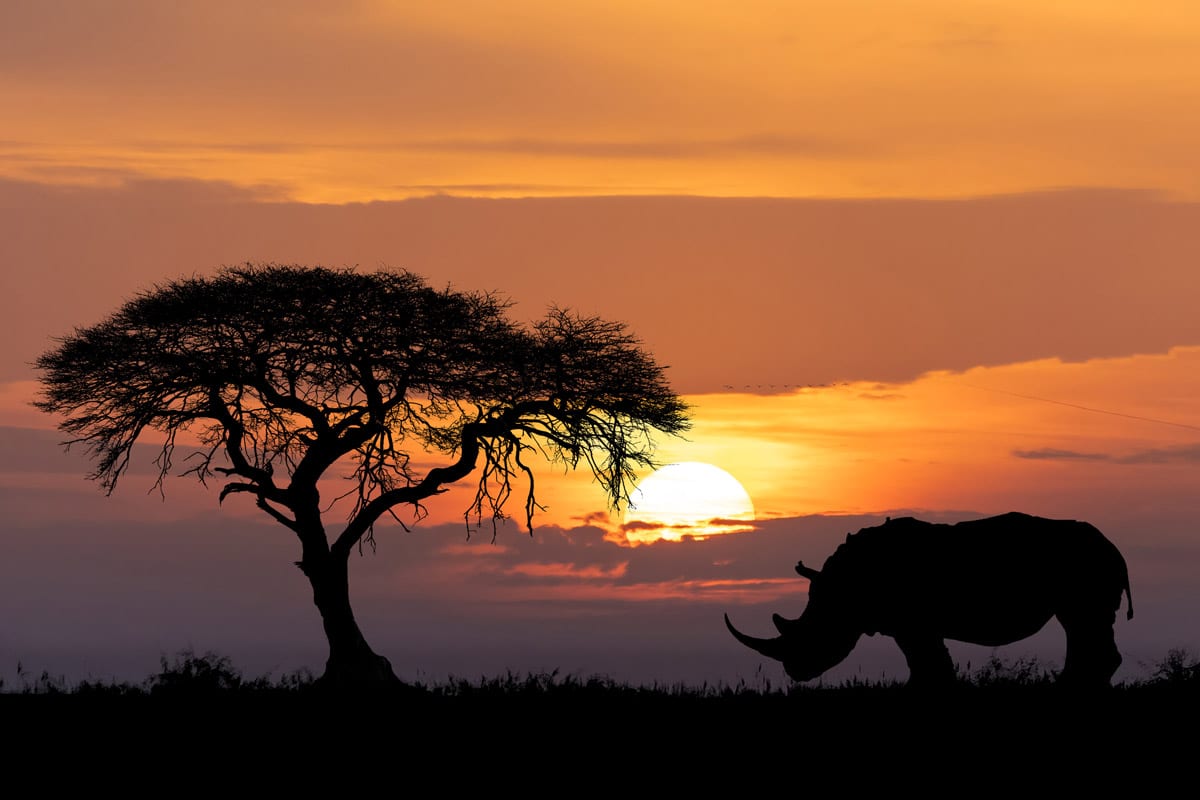 Destination Guides
Katavi National Park: A Remote Wilderness
Experience the raw and remote wilderness of Katavi National Park. This guide covers its incredible wildlife, when to visit, and what to expect.
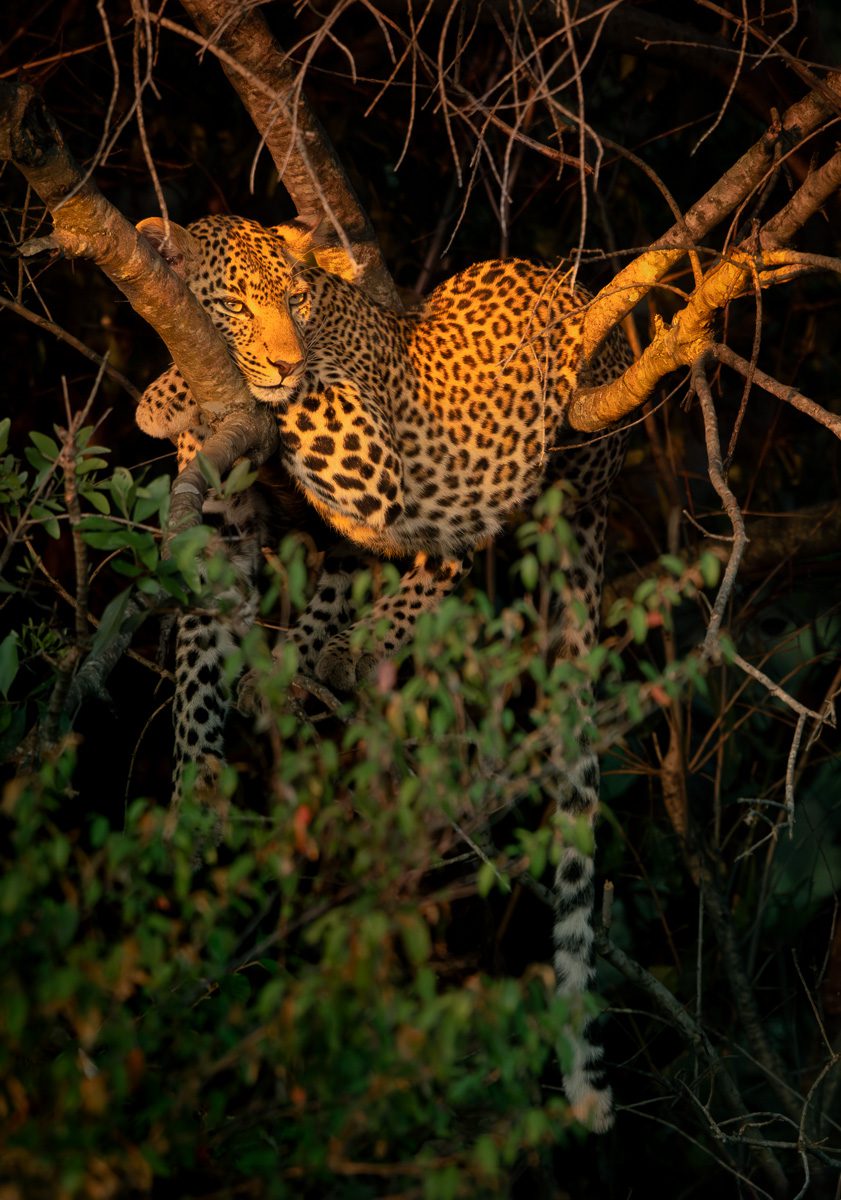 Destination Guides
Complete Guide to Table Mountain National Park
A complete guide to Complete Guide to Table Mountain National Park. Learn about the wildlife, activities, and best time to visit this amazing destination.
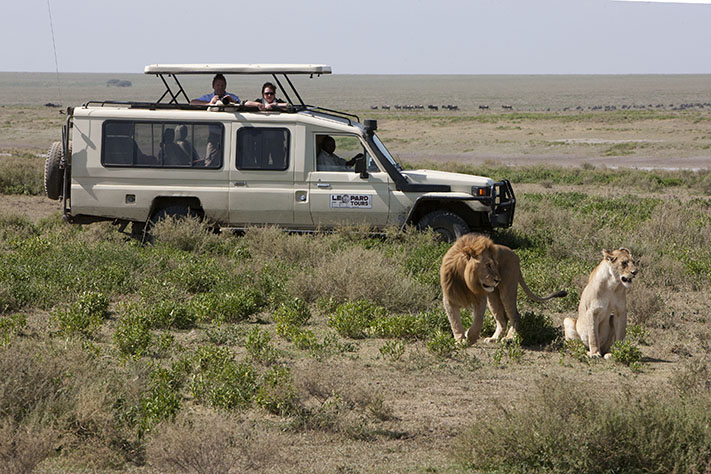 Destination Guides
Complete Guide to Nyerere National Park
Learn about complete guide to nyerere national park in this comprehensive safari guide.
 National Park Guides
Serengeti National Park Guide
Explore the wonders of Serengeti National Park with our expert guide. Learn about the Great Migration, wildlife, and planning your unforgettable Tanzanian safari.
 National Park Guides
Kruger National Park Guide
Discover the ultimate guide to Kruger National Park. Learn about its incredible wildlife, the best time to visit, and how to plan your dream safari adventure.
 National Park Guides
Chobe National Park Guide
Discover the ultimate guide to Chobe National Park, Botswana\