
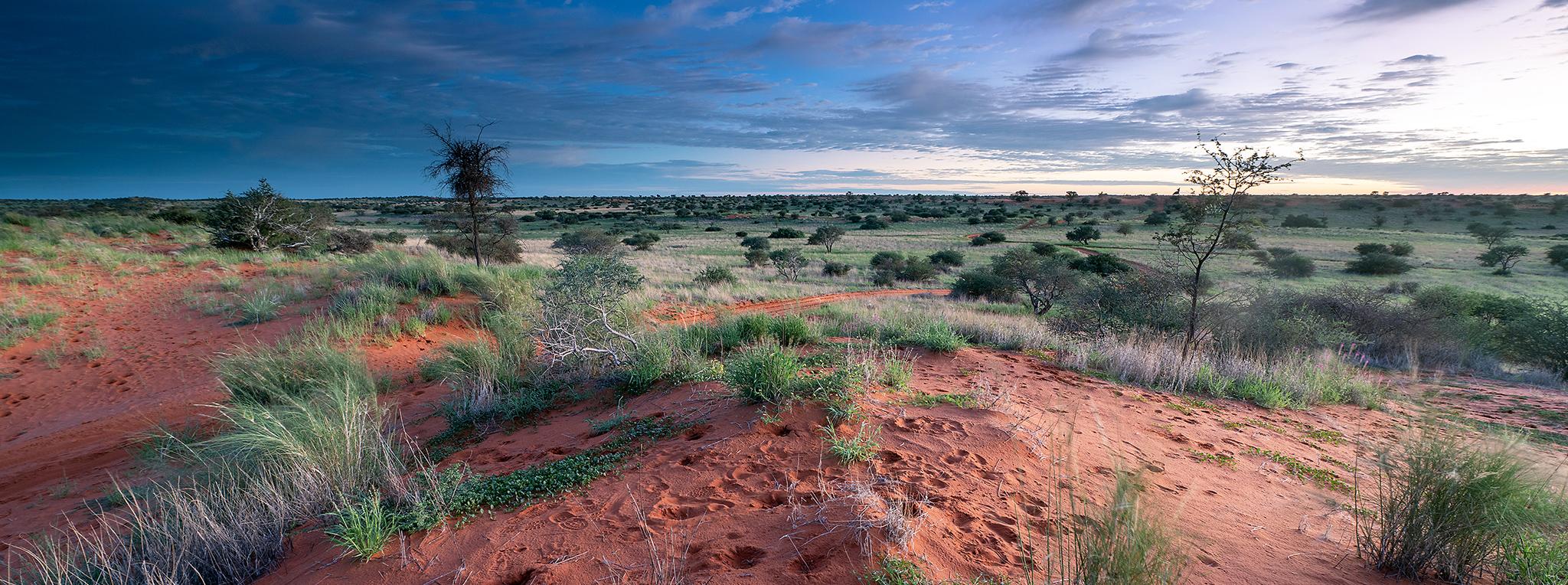
A complete guide to Complete Guide to Mount Kenya National Park. Learn about the wildlife, activities, and best time to visit this amazing destination.
Africa's Second-Highest Peak
Mount Kenya is the second-highest mountain in Africa, after Kilimanjaro. It is a UNESCO World Heritage Site and a sacred mountain for the local Kikuyu people. The mountain has three main peaks: Batian, Nelion, and Point Lenana. While the first two are technical climbs, Point Lenana can be reached by any fit hiker. For more on mountain climbing destinations, explore our guide to East Africa.
A Trek Through Diverse Ecosystems
A trek up Mount Kenya takes you through a series of diverse and beautiful ecosystems. You will start in the lush montane forest, home to elephants, buffalos, and a variety of monkeys. As you climb higher, you will pass through a bamboo zone, a heather zone, and finally into the alpine zone, with its unique and otherworldly giant groundsel and lobelia plants. Our safari operators can help you choose the right route for your fitness level and interests.
Still researching? Let us help.
Our advisory team has planned safaris across 9 African countries. We can turn your research into a real plan.
Talk to an AdvisorThe Challenge and the Reward
Climbing Mount Kenya is a challenging but incredibly rewarding experience. The trek takes several days, and you will need to acclimatize to the altitude. The final ascent to Point Lenana is usually done at night, so that you can reach the summit in time to watch the sunrise over the African plains. It is a truly unforgettable moment. For more on preparing for a high-altitude trek, visit our knowledge center.
Planning Your Mount Kenya Climb
The best time to climb Mount Kenya is during the dry seasons, from January to February and from June to October. It is essential to climb with a reputable operator who will provide experienced guides and porters. To get an idea of the costs for a Mount Kenya climb, use our cost calculator. Our team can help you plan a safe and successful climb of this magnificent mountain.
A Deeper Dive into Mount Kenya's Climbing Routes
While the trek to Point Lenana is achievable for most fit hikers, the route you choose will significantly shape your experience. Three main routes offer different perspectives of the mountain, each with its own unique character, scenery, and challenges. Our safari operators can help you select the perfect route based on your fitness level, time constraints, and preferences.
The Sirimon Route: The Gentle Ascent
The Sirimon Route is the most popular choice for a reason. It offers a gradual, steady ascent, making it the best route for acclimatization. The trail starts on the northwestern side of the mountain and winds through a beautiful forested landscape, home to colobus monkeys and a variety of bird species. As you gain altitude, the forest gives way to expansive moorlands with giant groundsels and lobelias, offering breathtaking views of the jagged peaks above.
> Expert Insight: The Sirimon Route is an excellent choice for first-time high-altitude trekkers. Its gentle gradient allows your body to adjust to the altitude more effectively, increasing your chances of a successful summit.
The Chogoria Route: The Scenic Spectacle
Widely regarded as the most beautiful of the three main routes, the Chogoria Route descends from the summit through a dramatic landscape of gorges, waterfalls, and the stunning Lake Michaelson. The trail is steeper and more challenging than the Sirimon Route, but the rewards are well worth the effort. You'll traverse the Gorges Valley, a landscape carved by glaciers, and enjoy spectacular views of the surrounding peaks.
> Traveler's Tip: If you have the time, consider a route that combines the ascent via Sirimon and the descent via Chogoria. This "best of both worlds" itinerary offers the gradual acclimatization of the Sirimon Route and the breathtaking scenery of the Chogoria Route.
The Naro Moru Route: The Direct Challenge
The Naro Moru Route is the shortest and most direct route to Point Lenana, making it a popular choice for those with limited time. However, its steep ascent profile makes it the most challenging in terms of acclimatization. The trail is known for its "Vertical Bog," a notoriously muddy section that can be particularly challenging during the wet season. While the Naro Moru Route may be the quickest way to the summit, it requires a high level of fitness and a healthy dose of determination.
Done Reading? Let's Build Your Safari.
Skip the guesswork. Work with an advisor who has been on the ground across East and Southern Africa.
Plan With UsThe Unique Biodiversity of Mount Kenya National Park
Mount Kenya is not just a mountain; it's a vital ecosystem and a UNESCO World Heritage Site. The park's diverse habitats, which change dramatically with altitude, support a remarkable array of wildlife and plant species. As you ascend the mountain, you'll journey through several distinct vegetation zones, each with its own unique character.
- Lower Slopes: The lower slopes of Mount Kenya are covered in montane forest, a rich habitat for a variety of wildlife. Keep an eye out for black-and-white colobus monkeys, Sykes' monkeys, and a variety of bird species. You may also spot signs of larger animals like elephants and buffalo, which roam the lower forests.
- Bamboo Zone: As you gain altitude, the montane forest gives way to a dense bamboo zone. This is the preferred habitat of the elusive bongo, a large and beautifully striped antelope. While sightings are rare, the experience of trekking through the dense bamboo is a unique and memorable part of the Mount Kenya experience.
- Alpine Moorlands: Above the bamboo zone, you'll enter the otherworldly landscape of the alpine moorlands. This is where you'll find the iconic giant groundsels and lobelias, some of which grow to several meters in height. The moorlands are also home to a variety of high-altitude wildlife, including rock hyraxes and the occasional leopard.
Acclimatization and Altitude Sickness: A Serious Consideration
Climbing Mount Kenya is a serious undertaking, and altitude sickness is a real risk. Acute Mountain Sickness (AMS) can affect anyone, regardless of age or fitness level. The key to a safe and successful climb is to acclimatize properly. This means ascending slowly, drinking plenty of water, and listening to your body.
> Traveler's Tip: "Pole, pole" (slowly, slowly) is the mantra on Mount Kenya. Don't be in a rush to reach the summit. A slow and steady pace will give your body the time it needs to adjust to the altitude.
Our experienced guides are trained to recognize the early signs of AMS and will take all necessary precautions to ensure your safety. If you are concerned about altitude sickness, we recommend consulting with your doctor before your trip. They may prescribe Diamox, a medication that can help to prevent and treat AMS. For more information on preparing for a high-altitude trek, visit our knowledge center.
Need Expert Safari Guidance?
Get expert advisory support from a firm founded by a former safari guide — with real operational knowledge across 9 African countries and full-journey accountability.
Related Planning Guides
Recommended Reading
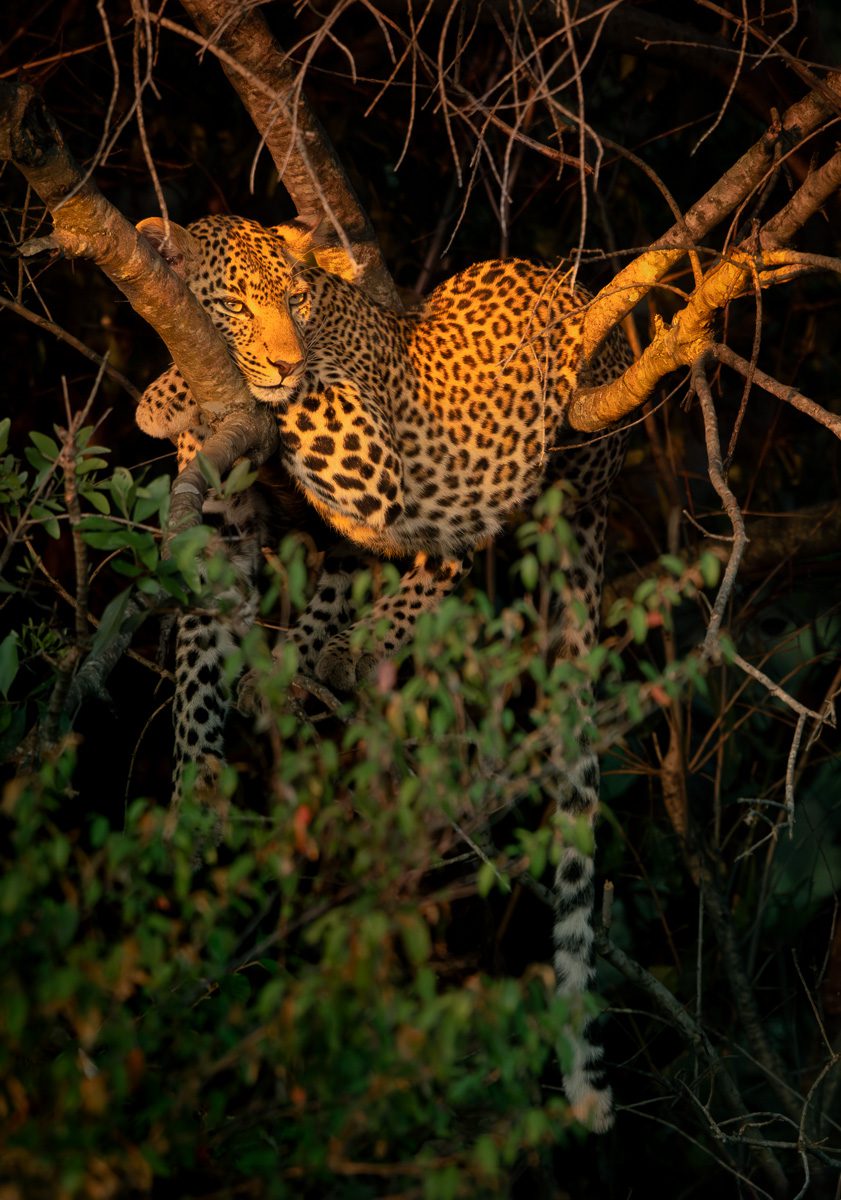 Destination Guides
Complete Guide to Table Mountain National Park
A complete guide to Complete Guide to Table Mountain National Park. Learn about the wildlife, activities, and best time to visit this amazing destination.
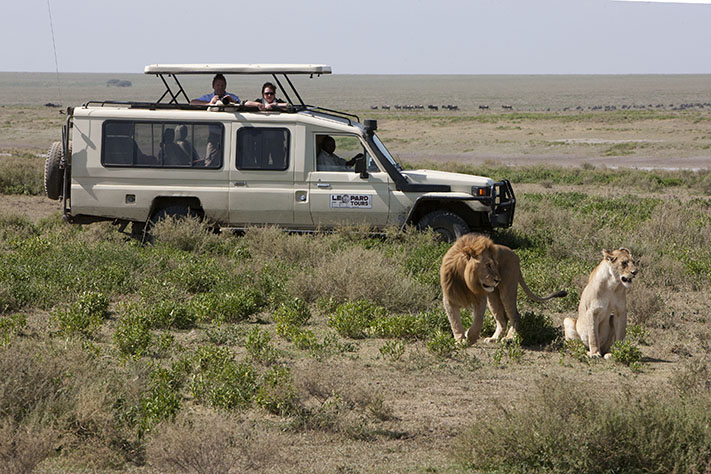 Destination Guides
Complete Guide to Nyerere National Park
Learn about complete guide to nyerere national park in this comprehensive safari guide.
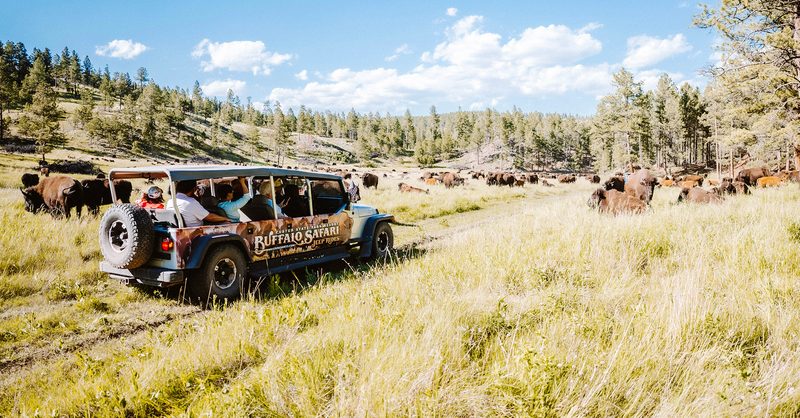 Destination Guides
Complete Guide to Loango National Park Gabon
Discover everything you need to know about Complete Guide to Loango National Park Gabon. From wildlife and landscapes to lodges and activities, this guide cover
 National Park Guides
Serengeti National Park Guide
Explore the wonders of Serengeti National Park with our expert guide. Learn about the Great Migration, wildlife, and planning your unforgettable Tanzanian safari.
 National Park Guides
Kruger National Park Guide
Discover the ultimate guide to Kruger National Park. Learn about its incredible wildlife, the best time to visit, and how to plan your dream safari adventure.
 National Park Guides
Chobe National Park Guide
Discover the ultimate guide to Chobe National Park, Botswana\