

Explore Matobo Hills National Park in Zimbabwe, a UNESCO World Heritage Site known for its dramatic granite landscapes, ancient rock art, and rich history.
A Landscape of Balancing Rocks
Matobo Hills National Park is a place of extraordinary beauty and cultural significance. Located in southwestern Zimbabwe, the park is characterized by its dramatic landscape of granite domes and balancing rock formations, known as kopjes. These unique geological features have been sculpted by millions of years of erosion, creating a breathtaking and otherworldly scene. For more on Zimbabwe's unique landscapes, see our destinations page.
A Rich Cultural Heritage
The Matobo Hills have been inhabited by humans for thousands of years, and the park is home to a wealth of archaeological and historical sites. The caves and rock shelters contain a vast collection of San (Bushmen) rock art, dating back over 2,000 years. The park is also a sacred place for the local Ndebele people and is the final resting place of Cecil John Rhodes, the controversial British imperialist. Our safari operators can help you arrange a cultural tour of the park.
Still researching? Let us help.
Our advisory team has planned safaris across 9 African countries. We can turn your research into a real plan.
Talk to an AdvisorWildlife in the Hills
While not a traditional Big Five destination, Matobo Hills National Park is home to a good variety of wildlife. The park is one of the best places in Zimbabwe to see both black and white rhinos, and it has a healthy population of leopards. Other animals you might see include giraffes, zebras, wildebeest, and a variety of antelope species. The park is also a haven for birdlife, with over 300 species recorded, including the world's largest concentration of black eagles. For more on rhino conservation, visit our knowledge center.
Planning Your Visit
Matobo Hills National Park can be visited year-round, but the dry season (April to October) is generally the best time for wildlife viewing. The park offers a range of accommodation options, from campsites to lodges. A visit to Matobo Hills is a chance to explore a unique and beautiful landscape, and to delve into the rich history and culture of Zimbabwe. Use our cost calculator to help plan your Zimbabwean adventure.
Deeper Exploration: Activities and Practicalities
While the stunning landscape is a draw in itself, Matobo Hills offers a range of immersive activities that connect you with its history and wildlife. One of the most sought-after experiences is tracking rhinos on foot. Led by an expert guide, this activity allows you to get remarkably close to these magnificent creatures in their natural habitat, offering a profound and humbling wildlife encounter. This is a rare opportunity, as Matobo boasts one of Zimbabwe's most successful rhino conservation programs.
For those interested in the rich cultural tapestry, a visit to the Nswatugi Cave is essential. This site contains some of the most well-preserved San rock art in the region, with intricate paintings depicting animals and human figures, providing a window into a hunter-gatherer society from millennia ago. Another key site is the famous "View of the World," the burial place of Cecil John Rhodes. The short hike to this granite dome rewards you with breathtaking 360-degree panoramic views of the surrounding kopjes, a landscape that feels both ancient and timeless.
Done Reading? Let's Build Your Safari.
Skip the guesswork. Work with an advisor who has been on the ground across East and Southern Africa.
Plan With UsGetting to the Park and Accommodation Tips
Matobo Hills National Park is conveniently located just 35 kilometers south of Bulawayo, Zimbabwe's second-largest city, making it easily accessible by road. The drive typically takes under an hour. Visitors can choose from a variety of lodging options that cater to different budgets. For a touch of luxury and history, Camp Amalinda is built into the granite boulders themselves, offering a unique and atmospheric stay. For those seeking a more rustic and intimate experience, Big Cave Camp provides stunning views and guided activities. There are also several well-maintained national park lodges and campsites for the more budget-conscious traveler. Booking accommodation in advance, especially during the peak dry season (June to October), is highly recommended to secure your preferred choice.
Advanced Itineraries and Insider Tips for Matobo Hills
While a brief visit can cover the main highlights, dedicating two to three days allows for a much deeper appreciation of Matobo Hills' unique character. A well-paced itinerary balances the park's three core pillars: its unique wildlife, its profound history, and its breathtaking landscapes. For personalized itinerary planning, our safari operators can craft a journey tailored to your interests.
A Sample 2-Day Exploration
For an immersive experience, consider this popular itinerary:
- Day 1: Arrival and Rhino Tracking. Arrive from Bulawayo in the late morning and check into your chosen lodge. After lunch, embark on the park's signature activity: tracking white rhinos on foot. Led by a highly trained and armed guide, you will learn to read tracks and signs before approaching the rhinos in a safe and respectful manner. The experience of standing just meters away from these gentle giants is profoundly moving and a highlight of any trip to Zimbabwe. The day concludes with a sundowner drink from a granite viewpoint, watching the rocks glow golden in the setting sun.
- Day 2: History and Panoramic Views. Start the morning with a visit to one of the park's renowned rock art sites, such as the Nswatugi Cave. Here, you can witness thousands of years of San history painted onto the granite walls. Afterward, drive to the Malindidzimu hill, the site of Cecil John Rhodes' grave, famously known as "World's View." The final ascent is a short but steep walk up the bare granite dome, which rewards you with one of southern Africa's most spectacular and uninterrupted 360-degree panoramas.
Beyond the Highlights: Deeper Cultural and Wildlife Insights
For those with more time, the park offers layers of discovery. The Matobo Hills are a spiritual sanctuary for the local Ndebele people, and the Njelele shrine is one of the most important rain-making shrines in the region. While access is restricted, understanding its significance provides a deeper context to the landscape's cultural resonance.
The park's wildlife is subtle and best appreciated on guided walks. Beyond rhinos, look for the elusive klipspringer, a small antelope that expertly navigates the steep granite kopjes. The park also hosts a significant population of leopards, which use the caves and crevices for shelter. While spotting them requires luck, their presence adds a thrilling dimension to game drives. Birdwatching is exceptional, with the world's highest concentration of Black Eagles soaring among the cliffs. The area around the Maleme Dam is particularly rewarding for birders.
Choosing Your Base: Accommodation in Matobo Hills
Your choice of lodging significantly shapes your experience in the park. The options cater to different styles and budgets, from historic luxury to self-catering simplicity. Booking is essential, especially from June to October.
| Lodge | Style & Atmosphere | Price Range | Ideal For | |--------------------|--------------------------------------------------|-----------------|--------------------------------------------------| | Camp Amalinda | Unique luxury lodge built into the granite boulders | $$$$ | Travelers seeking a distinctive, high-end experience | | Big Cave Camp | Rustic-chic lodge with stunning panoramic views | $$$ | Couples and photographers seeking atmosphere | | National Parks Lodges | Simple, self-catering chalets (e.g., Maleme Dam) | $ | Budget-conscious travelers and families |
Practical Information: Park fees are approximately $20 USD per person for international visitors, payable at the main gate. Guided activities like rhino tracking typically cost between $40-$60 USD per person. For a complete overview of Zimbabwe's safari offerings, browse our destination guides.
Need Expert Safari Guidance?
Get expert advisory support from a firm founded by a former safari guide — with real operational knowledge across 9 African countries and full-journey accountability.
Related Planning Guides
Recommended Reading
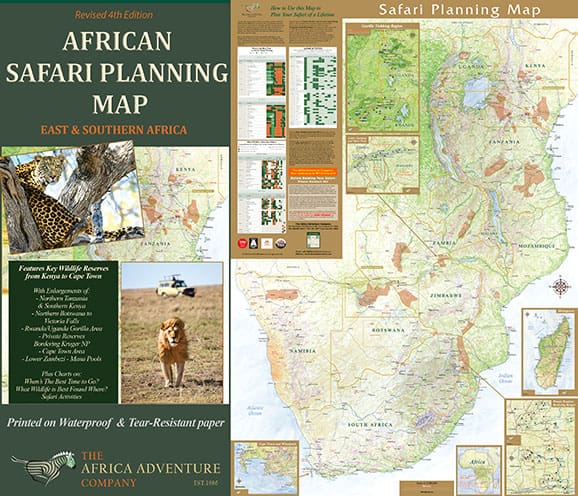 Destination Guides
Nyungwe Forest: A Primate Paradise in the Land of a Thousand Hills
Discover Nyungwe Forest National Park in Rwanda, an ancient rainforest that is home to a remarkable diversity of primates and offers the thrilling experience of a canopy walk.
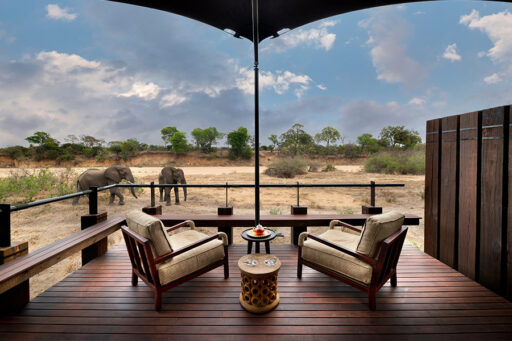 Destination Guides
Shimba Hills National Reserve: Coastal Rainforest
A complete guide to Complete Guide to Shimba Hills National Reserve. Learn about the wildlife, activities, and best time to visit this amazing destination.
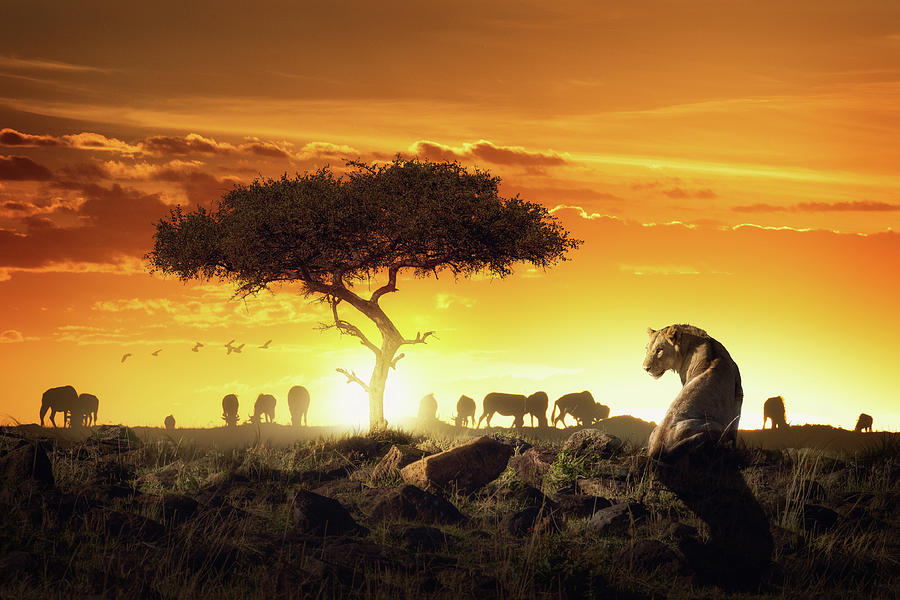 Destination Guides
Addo Elephant National Park: A Success Story
A complete guide to Complete Guide to Addo Elephant National Park. Learn about the wildlife, activities, and best time to visit this amazing destination.
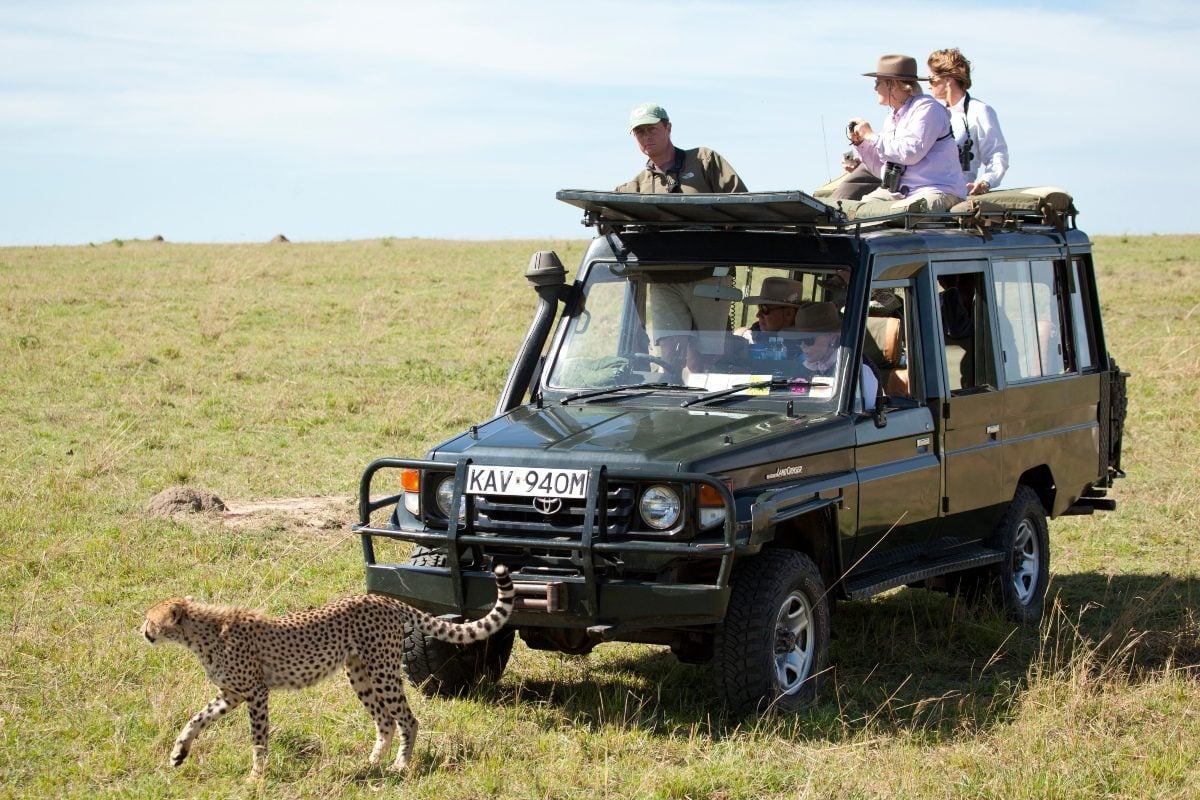 Additional Safari Topics
Safari Landscape Types
Discover the diverse safari landscape types, from savannas and deserts to wetlands and forests. Learn how each ecosystem shapes your African safari adventure.
 Expert Safari Knowledge
History of African Safaris
Explore the rich history of African safaris, from their origins in trade and exploration to the rise of big-game hunting and the modern era of conservation.
 Safari Planning Guides
How to Plan a Safari for Volcanic Landscapes
Learn about how to plan a safari for volcanic landscapes in this comprehensive safari guide covering key insights and practical advice.