
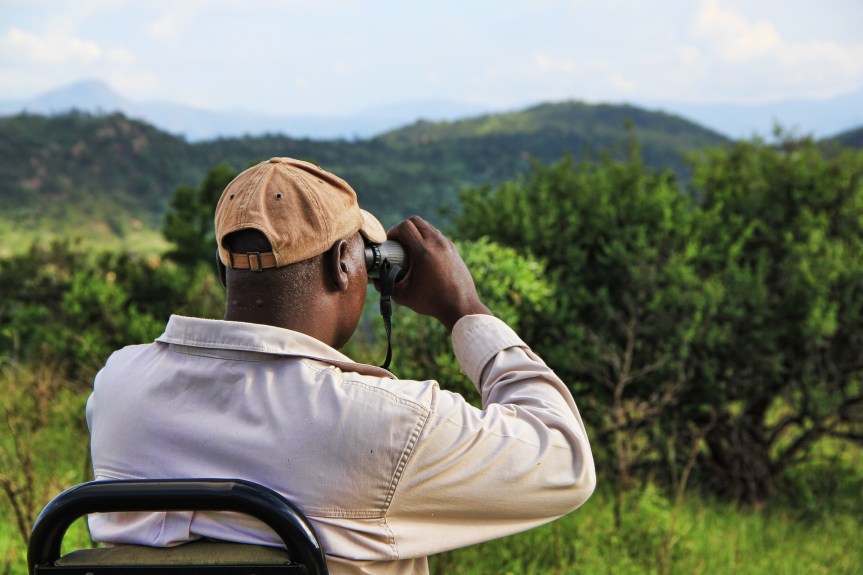
Discover Matusadona National Park in Zimbabwe, a unique wilderness area on the shores of Lake Kariba, known for its dramatic landscapes and rich wildlife.
A Wilderness Reborn
Matusadona National Park is a place of rugged beauty and remarkable transformation. Situated on the southern shore of Lake Kariba in northern Zimbabwe, the park is a stunning combination of dramatic, forest-clad hills and a wildlife-rich shoreline. The creation of Lake Kariba in the 1950s transformed the area, creating a unique ecosystem where the bush meets the water. For more on Zimbabwe's diverse parks, see our destinations page.
A Haven for Wildlife
Matusadona is a sanctuary for a wide variety of wildlife. The lakeshore plains are home to large herds of elephants and buffalo, while the dense woodlands provide cover for black rhinos, which have been reintroduced to the park. The park is also known for its healthy population of lions, and leopards are frequently seen. The birdlife is exceptional, with over 240 species recorded, including the iconic African fish eagle. Our safari operators can help you plan a safari focused on wildlife viewing.
Still researching? Let us help.
Our advisory team has planned safaris across 9 African countries. We can turn your research into a real plan.
Talk to an AdvisorWater-Based and Land-Based Activities
Matusadona offers a unique combination of water-based and land-based safari activities. You can explore the park on traditional game drives and walking safaris, or take to the water on a boat cruise or canoeing trip. Fishing for the famous tigerfish and bream is also a popular activity. This variety of activities provides a comprehensive and immersive safari experience. For more on safari activities, visit our knowledge center.
Planning Your Matusadona Safari
The best time to visit Matusadona is during the dry season, from May to October, when wildlife is concentrated along the shoreline. The park is home to a number of intimate and exclusive safari lodges and camps, as well as houseboats on Lake Kariba. A safari in Matusadona is a chance to experience a truly wild and remote corner of Zimbabwe. Use our cost calculator to help plan your Zimbabwean adventure.
The Black Rhino's Return: A Conservation Case Study
Matusadona's modern conservation story is powerfully defined by the ambitious return of the black rhino. Historically a sanctuary for the species, the park's rhino population was decimated by poaching in the late 20th century. However, a landmark, multi-year initiative is underway to reverse this loss. In a critical partnership, the Zimbabwe Parks and Wildlife Management Authority joined forces with African Parks, a conservation non-profit that assumed management of Matusadona in 2019.
This collaboration has focused on re-establishing Matusadona as a premier black rhino sanctuary. The core of the project involves the complex translocation of rhinos from other regions into the park's secure environment. This is more than just moving animals; it involves creating a robust security framework with highly trained anti-poaching units, implementing advanced real-time monitoring, and ensuring the habitat can sustain a growing population. For travelers, witnessing the results of this effort offers a profound connection to the impact of dedicated conservation, making a rhino sighting here a particularly meaningful experience.
Done Reading? Let's Build Your Safari.
Skip the guesswork. Work with an advisor who has been on the ground across East and Southern Africa.
Plan With UsPractical Tips for Your Matusadona Journey
Given its remote and wild nature, planning a safari to Matusadona requires careful logistical consideration. Access is most commonly arranged via chartered light aircraft or a boat transfer across Lake Kariba, both of which offer spectacular scenic introductions to the park. While self-driving is an option for the most experienced and self-sufficient 4x4 adventurers, the routes are rugged and demand thorough preparation.
When packing, focus on practicality. Lightweight, neutral-colored clothing is essential for game drives. High-strength insect repellent is a must, particularly near the lakeshore. Also vital are robust sun protection (hat, sunglasses, high-SPF sunscreen) and a quality pair of binoculars to enhance wildlife viewing from a distance. Due to the prevalence of water activities, a waterproof dry bag is a wise addition to protect cameras and electronic devices. Booking well in advance—ideally 9 to 12 months—is crucial, as the park's lodges are small and exclusive, ensuring an intimate and uncrowded safari experience.
Choosing Your Matusadona Lodge: From Luxury to Rustic
While the park’s remote nature means fewer lodges than in other major parks, the options available offer exceptional quality and distinct experiences. Your choice of accommodation will significantly shape your safari, whether you prioritize panoramic luxury, classic tented authenticity, or a rustic, water-focused adventure. Many lodges can be booked through our trusted operator directory.
Bumi Hills Safari Lodge, perched atop a range of hills overlooking the vastness of Lake Kariba, represents the pinnacle of luxury in Matusadona. With its 10 suites offering private balconies and breathtaking views, an acclaimed infinity pool, and a full-service spa, it caters to travelers seeking comfort and elegance. The lodge provides a balanced mix of water and land activities, from game drives searching for lions to sunset cocktail cruises. Expect to pay a premium, with rates typically starting from $700 - $1,000+ per person per night.
For a more classic and intimate safari feel, Changa Safari Camp is an excellent choice. Set within a private concession on the eastern boundary of the park, this camp features eight spacious and beautifully designed canvas tents. The focus here is on an authentic bush experience, with an emphasis on walking safaris with expert guides and traditional game drives. Its location offers a superb blend of shoreline and woodland habitats. Rates generally fall in the $550 - $750 per person per night range.
For those seeking a truly wild and water-centric experience, Rhino Safari Camp offers a rustic and authentic adventure. This intimate, owner-run camp features unique stilted chalets built on wooden platforms right on the lakeshore. The focus is less on opulent luxury and more on immersive wildlife encounters, particularly through boating, canoeing, and fishing. It’s an ideal choice for seasoned safari-goers and photographers. This more adventurous option is also more accessible in price, often ranging from $400 - $550 per person per night.
| Lodge Feature | Bumi Hills Safari Lodge | Changa Safari Camp | Rhino Safari Camp | | ---------------------- | ------------------------------ | ------------------------------ | ------------------------------ | | Style | Luxury Lodge | Classic Tented Camp | Rustic & Authentic Bush Camp | | Location | Hilltop Escarpment | Private Lakeshore Concession | Lakeshore | | Primary Focus | Balanced Luxury (Land & Water) | Walking & Driving Safaris | Water-Based Activities | | Price Range (pp/pn)| $700 - $1,000+ | $550 - $750 | $400 - $550 | | Best For | Honeymooners, Luxury Seekers | Safari Purists, Active Travelers | Adventurers, Anglers, Photographers |
A Sample 4-Day Matusadona Itinerary
A well-paced itinerary allows you to experience the full spectrum of Matusadona's offerings. Here is a sample plan that combines the park's unique land and water environments.
- Day 1: Arrival and Lake Immersion. Arrive at the Bumi Hills airstrip via a morning charter flight from Victoria Falls or Harare. A guide will transfer you to your lodge, such as Changa Safari Camp. After settling in and enjoying lunch, you'll head out for a sunset boat cruise on Lake Kariba. This is a perfect introduction to the park’s incredible birdlife and the sight of elephants and buffalo coming to the shoreline to drink.
- Day 2: Walking Safaris and Game Drives. Start the day with an early morning walking safari. Accompanied by an armed professional guide, you'll track wildlife on foot, learning to read the signs of the bush—an intense and rewarding experience. After returning for a late breakfast and rest, the afternoon is dedicated to a classic 4x4 game drive, exploring the woodland areas in search of predators and the park's famous rhino.
- Day 3: Fishing and Exploration. Today is dedicated to the water. Head out after breakfast for a morning of fishing for the legendary tigerfish or bream. Even for non-anglers, a boat provides a unique vantage point for photography. You can explore the skeletal trees of submerged forests and navigate into quiet bays. Enjoy a picnic lunch on an island before returning to the lodge in the afternoon for some relaxation or another short game drive.
- Day 4: Final Safari and Departure. Enjoy one last morning activity—perhaps a short, guided walk or a final game drive to a scenic spot. After a final breakfast overlooking the lake, you will be transferred back to the airstrip for your onward charter flight. For help customizing an itinerary like this, contact our safari operators.
Need Expert Safari Guidance?
Get expert advisory support from a firm founded by a former safari guide — with real operational knowledge across 9 African countries and full-journey accountability.
Related Planning Guides
Recommended Reading
 Destination Guides
Discovering Lake Manyara National Park
Discover the beauty of Lake Manyara National Park, from its famous tree-climbing lions to the stunning flocks of flamingos. Plan your visit today!
 Destination Guides
Lake Naivasha: A Freshwater Oasis
A complete guide to Complete Guide to Lake Naivasha. Learn about the wildlife, activities, and best time to visit this amazing destination.
 Destination Guides
Bangweulu Wetlands: Where the Water Meets the Sky
Discover the unique Bangweulu Wetlands in Zambia, a haven for birdlife, including the rare shoebill stork, and a vital community-based conservation area.
 National Park Guides
Lake Nakuru National Park Guide
Discover the ultimate guide to Lake Nakuru National Park. Learn about its famous flamingos, rhino sanctuary, diverse wildlife, and stunning landscapes.
 Safari Planning Guides
How to Plan a Safari for River and Lake Wildlife
Learn about how to plan a safari for river and lake wildlife in this comprehensive safari guide covering key insights and practical advice.
 Wildlife Guides
Nocturnal Wildlife of the African Bush
A comprehensive guide to Nocturnal Wildlife of the African Bush. Learn about its habitat, behavior, diet, and conservation status.