
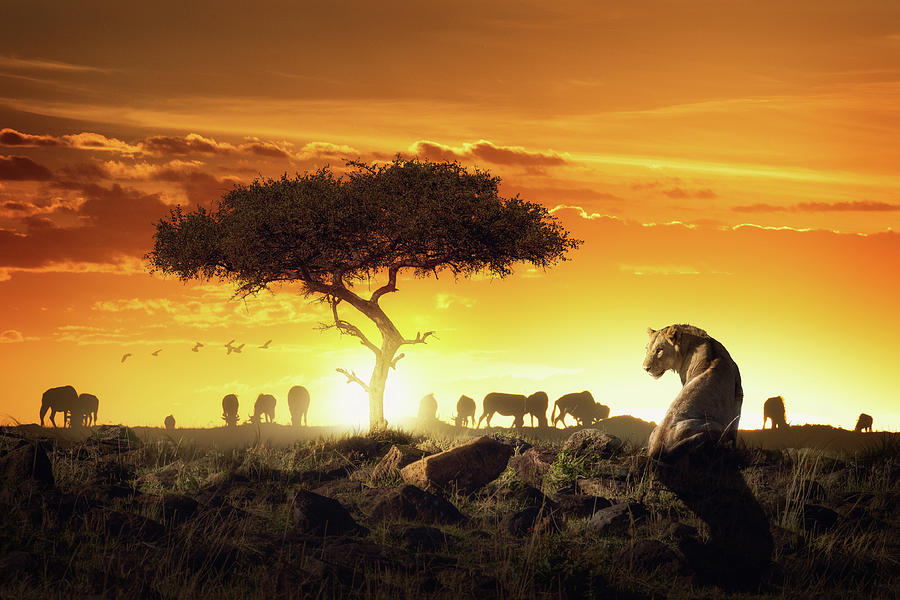
A complete guide to Complete Guide to Addo Elephant National Park. Learn about the wildlife, activities, and best time to visit this amazing destination.
From 11 to Over 600 Elephants
Addo Elephant National Park is a remarkable conservation success story. The park was established in 1931 to protect the last 11 elephants in the area. Today, the park is home to over 600 elephants, as well as a wide variety of other wildlife. A visit to Addo is a chance to witness the results of this incredible conservation effort. For more on conservation success stories, visit our knowledge center.
The Big Seven
Addo is unique in that it is a "Big Seven" destination. In addition to the traditional Big Five (lion, leopard, elephant, rhino, and buffalo), the park is also home to the great white shark and the southern right whale, which can be seen in the marine section of the park. This makes Addo one of the most diverse and exciting parks in South Africa. Our safari operators can help you plan a trip that includes both the terrestrial and marine sections of the park.
Still researching? Let us help.
Our advisory team has planned safaris across 9 African countries. We can turn your research into a real plan.
Talk to an AdvisorA Malaria-Free Destination
Like Pilanesberg, Addo is located in a malaria-free area, making it a great destination for families. The park is also very accessible, located just a short drive from the city of Port Elizabeth. This combination of accessibility and safety makes Addo a popular choice for a first-time safari. Explore more family-friendly destinations on our website.
Planning Your Addo Safari
Addo is a year-round destination, but the best time for game viewing is during the dry season, from May to September. The park offers a wide range of accommodation options, from campsites to luxurious lodges. To get an idea of the costs for a safari to Addo, use our cost calculator. Our team can help you plan a memorable and inspiring safari to this incredible park.
Beyond the Big Five: Discovering Addo's Big Seven
While many parks boast the "Big Five," Addo Elephant National Park offers a unique distinction: it is home to the "Big Seven." This includes the traditional Big Five—lion, leopard, elephant, rhino, and buffalo—plus the great white shark and the southern right whale. The park's expansion to include a marine protected area has made it one of the few places in the world where you can see this incredible variety of wildlife in a single conservation area.
Finding the marine components of the Big Seven requires a visit to the coastal sections of the park, such as the Woody Cape section, which includes the St. Croix and Bird Island groups. These islands are critical breeding grounds for seabirds, including the largest breeding colony of gannets on the planet and a significant population of African penguins. Boat tours from Port Elizabeth offer opportunities for whale watching and viewing the rich marine life that completes Addo's Big Seven.
Done Reading? Let's Build Your Safari.
Skip the guesswork. Work with an advisor who has been on the ground across East and Southern Africa.
Plan With UsA Deeper Dive into Addo's Biodiversity
Beyond the headline attractions, Addo's diverse habitats support a remarkable array of species. The park's vegetation ranges from thicket and fynbos to coastal dunes and forests, creating niches for a wide variety of animals.
One of the park's most unique inhabitants is the flightless dung beetle, which is found almost exclusively in this region. These industrious insects play a crucial role in the ecosystem by breaking down elephant dung. The park has a high density of these beetles, and you will often see signs reminding visitors to drive carefully to avoid harming them.
> Traveler's Tip: When you see a fresh pile of elephant dung on the road, slow down and look closely. You may be rewarded with a sighting of these fascinating and endangered beetles at work. It's a small but significant part of the Addo experience that many visitors miss.
Other notable wildlife includes the Burchell's zebra, warthog, and various antelope species such as the red hartebeest, eland, and kudu. The park is also a rewarding destination for birdwatchers, with over 400 species recorded. Keep an eye out for the Bokmakierie, a brightly colored bushshrike, and the majestic martial eagle.
The Different Faces of Addo: Exploring the Park's Sections
Addo Elephant National Park is not a single, monolithic entity. It is a mosaic of different sections, each with its own character and attractions. Understanding these areas can help you plan a more comprehensive and rewarding visit.
- Main Game Area: This is the heart of the park and where most visitors spend their time. It offers the highest concentration of elephants and other large mammals. The well-maintained road network makes it suitable for self-drive safaris.
- Colchester Section: Located in the southern part of the park, this section offers a mix of game viewing and river-based activities on the Sundays River. It's an excellent area for birdwatching and offers a different perspective on the park's landscape.
- Darlington Section: Situated to the north, this area is more rugged and remote, offering a wilderness experience for the more adventurous traveler. It is home to the Darlington Dam, which attracts a variety of waterbirds.
- Woody Cape Section: Stretching from the Sundays River to the Bushman's River, this section encompasses a dramatic coastline with massive sand dunes and coastal forests. It is the gateway to the park's marine component and offers excellent opportunities for hiking and birdwatching.
For a truly immersive experience, consider a multi-day itinerary that includes both the main game area and one of the coastal sections. Our safari operators can help you design a trip that showcases the full diversity of Addo.
A Seasonal Guide to Addo: When to Visit
While Addo is a year-round destination, the experience can vary significantly with the seasons. The best time for your visit will depend on your interests.
The Dry Season (May to September): This is the prime time for game viewing. As water sources become scarce, animals congregate around the park's waterholes, making them easier to find. The vegetation is also less dense, which improves visibility. The weather is generally mild and pleasant, with cool nights and warm days.
The Wet Season (October to April): The park is transformed during the wet season, with lush green landscapes and beautiful wildflowers. This is the best time for birdwatching, as many migratory species are present. While game viewing can be more challenging due to the denser vegetation and dispersed water sources, the park is less crowded, and you may find better deals on accommodation. This is also the calving season for many antelope species, offering the chance to see young animals.
> Expert Insight: For photographers, the wet season can be particularly rewarding. The dramatic skies, vibrant colors, and abundance of birdlife create stunning photographic opportunities. To learn more about safari photography, visit our knowledge center.
Accommodation Spotlight: From Rustic to Refined
Addo offers a wide range of accommodation options to suit every budget and travel style. Whether you prefer a rustic campsite or a luxurious safari lodge, you'll find something to meet your needs.
- For the Budget-Conscious: The park's own rest camps, such as Addo Main Camp and Matyholweni Rest Camp, offer affordable self-catering chalets and campsites. These provide a comfortable and convenient base for exploring the park.
- For the Mid-Range Traveler: Private lodges just outside the park, such as Zuurberg Mountain Village, offer a higher level of comfort and service, with guided game drives and other activities.
- For the Luxury Seeker: For a truly indulgent experience, consider one of the private concessions within the park, such as Gorah Elephant Camp or Riverdene Family Lodge. These exclusive lodges offer five-star service, gourmet cuisine, and expert-guided safaris in pristine wilderness areas.
To explore accommodation options and get an idea of costs, use our cost calculator or plan your safari with one of our expert advisors.
Getting to Addo and Practical Travel Tips
Addo Elephant National Park is one of the most accessible of South Africa's major national parks. The main gate is located about an hour's drive from the city of Gqeberha (formerly Port Elizabeth), which has a domestic airport with regular flights from Johannesburg and Cape Town.
Most visitors choose to rent a car and self-drive in the park. The main roads are tarred, and the gravel roads are generally in good condition and suitable for a standard sedan. However, a high-clearance vehicle will provide a better viewing experience.
For those who prefer a guided experience, numerous tour operators offer day trips and multi-day packages from Gqeberha. These typically include a guided game drive in an open safari vehicle, which can enhance your chances of spotting wildlife.
When planning your visit, remember to book accommodation and activities well in advance, especially during the peak season. Also, be aware that the park is in a malaria-free area, which makes it an excellent choice for families with young children. Explore more family-friendly destinations on our website.
Need Expert Safari Guidance?
Get expert advisory support from a firm founded by a former safari guide — with real operational knowledge across 9 African countries and full-journey accountability.
Related Planning Guides
Recommended Reading
 Destination Guides
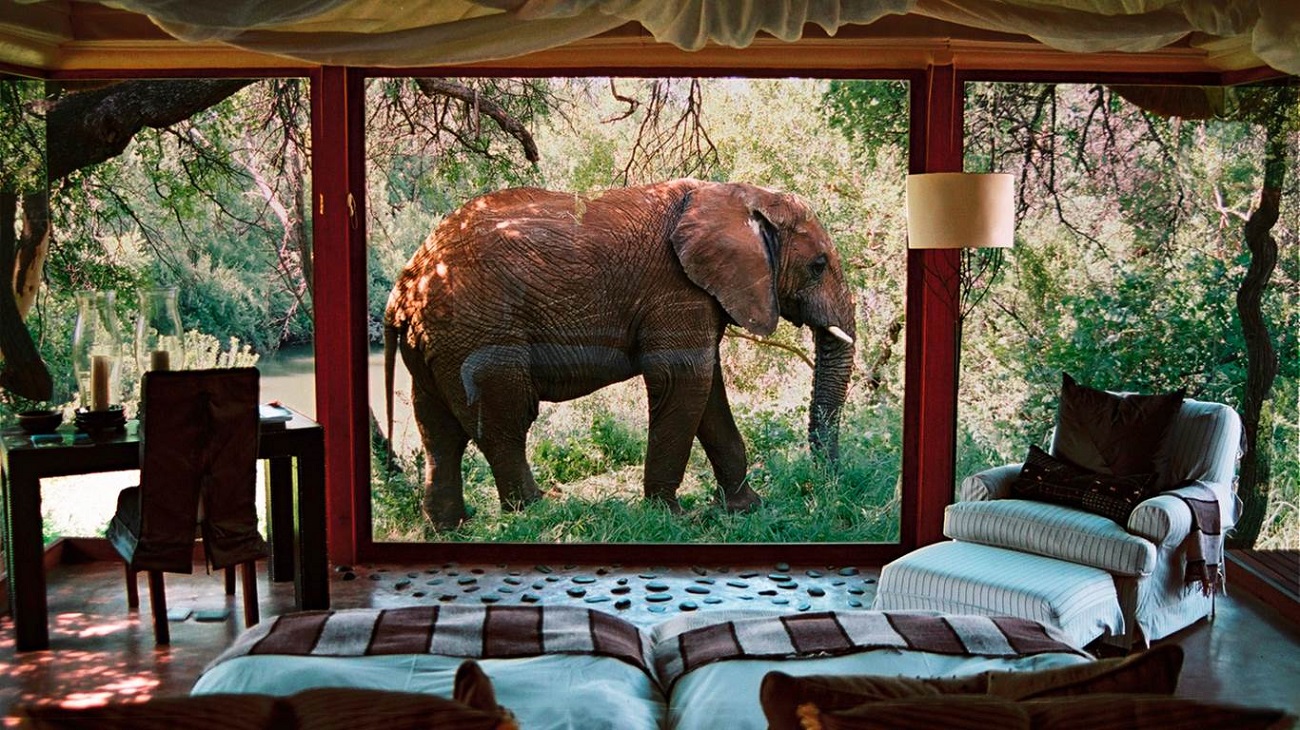
Tsavo East National Park: Land of Red Elephants
A complete guide to Complete Guide to Tsavo East National Park. Learn about the wildlife, activities, and best time to visit this amazing destination.
 Destination Guides
Complete Guide to Table Mountain National Park
A complete guide to Complete Guide to Table Mountain National Park. Learn about the wildlife, activities, and best time to visit this amazing destination.
 Destination Guides
Complete Guide to Nyerere National Park
Learn about complete guide to nyerere national park in this comprehensive safari guide.
 National Park Guides
Serengeti National Park Guide
Explore the wonders of Serengeti National Park with our expert guide. Learn about the Great Migration, wildlife, and planning your unforgettable Tanzanian safari.
 National Park Guides
Kruger National Park Guide
Discover the ultimate guide to Kruger National Park. Learn about its incredible wildlife, the best time to visit, and how to plan your dream safari adventure.
 National Park Guides
Chobe National Park Guide
Discover the ultimate guide to Chobe National Park, Botswana\