
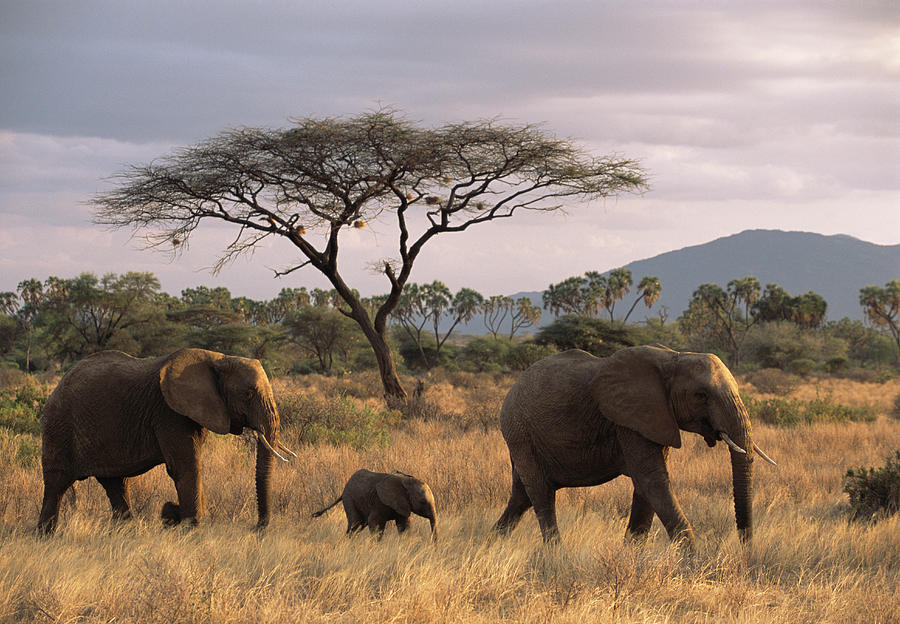
Learn all about Complete Guide to Flamingo Colonies in Africa in this comprehensive guide. Discover the best time to go, what to see, and how to plan your trip.
Introduction to Complete Guide to Flamingo Colonies in Africa
Exploring complete guide to flamingo colonies in africa reveals the depth and complexity of African safari travel. Whether you're drawn to the vast savannas of East Africa or the lush waterways of Southern Africa, this knowledge will serve you well throughout your journey.
Key Details and Considerations
Delving deeper into complete guide to flamingo colonies in africa, travelers discover that Africa's safari industry has evolved significantly over the past decades. Modern safari experiences combine traditional wilderness exploration with contemporary comfort and conservation awareness. The key is finding the right balance for your travel style and budget, which our cost calculator can help you determine.
Still researching? Let us help.
Our advisory team has planned safaris across 9 African countries. We can turn your research into a real plan.
Talk to an AdvisorPractical Advice
When applying insights about complete guide to flamingo colonies in africa to your safari planning, remember that the best experiences come from thoughtful preparation combined with openness to the unexpected. Africa has a way of surprising even the most seasoned travelers. Use our comprehensive planning resources to build a solid foundation, then trust your guides and the wilderness to deliver moments you'll never forget.
Expert Insights
Safari professionals with decades of experience note that understanding complete guide to flamingo colonies in africa gives travelers a significant advantage. The difference between a good safari and an exceptional one often comes down to the details, from choosing the right accommodation to timing your game drives for optimal wildlife viewing. Our safari operators bring this expertise to every consultation, helping you avoid common pitfalls and discover hidden gems.
Planning Your Next Steps
To wrap up, mastering complete guide to flamingo colonies in africa is an investment that pays dividends throughout your safari journey. The more you understand about Africa's diverse ecosystems, wildlife, and tourism infrastructure, the better equipped you'll be to make decisions that lead to extraordinary experiences. Start your planning journey with our comprehensive knowledge center and connect with our team of experienced safari operators for personalized guidance.
Done Reading? Let's Build Your Safari.
Skip the guesswork. Work with an advisor who has been on the ground across East and Southern Africa.
Plan With UsDistinguishing Africa's Flamingo Species: Lesser vs. Greater
While the iconic image of a vast sea of pink birds is familiar to many, not all flamingos are the same. Africa is home to two distinct species that often congregate together: the Lesser Flamingo (Phoeniconaias minor) and the Greater Flamingo (Phoenicopterus roseus). Understanding their differences enhances the viewing experience and provides deeper insight into their specialized roles in the ecosystem.
| Feature | Lesser Flamingo | Greater Flamingo | |---|---|---| | Size & Weight | Smaller and lighter, standing about 80-90 cm tall. | Taller and heavier, reaching heights of 110-150 cm. | | Plumage Color | Intense, deep pink to reddish plumage. | Paler, whitish-pink plumage. | | Bill Color | Dark, carmine-red bill with a black tip. | Light pink bill with a distinct black tip. | | Diet | Primarily feeds on microscopic blue-green algae (spirulina). | Feeds on a broader diet of brine shrimp, insect larvae, and small mollusks. | | Population | The world's most numerous flamingo species. | Less abundant than the Lesser Flamingo. |
> Expert Insight: The distinct dietary preferences of the two species is a classic example of niche partitioning. By consuming different food sources, Lesser and Greater Flamingos can coexist in the same habitat with minimal competition, a crucial survival strategy in the often-harsh alkaline lakes they inhabit.
Premier Flamingo Destinations in the Great Rift Valley
The Great Rift Valley is the epicenter of flamingo activity in Africa, with its chain of alkaline "soda lakes" providing the perfect environment for these filter-feeding birds. Each lake offers a unique viewing experience.
Lake Natron, Tanzania: The Ultimate Breeding Ground
Lake Natron is arguably the most critical flamingo habitat in the world. This hyper-saline and scorching environment, inhospitable to most life, is the preferred breeding ground for the vast majority of the world's Lesser Flamingos. The lake's high alkalinity provides a protective barrier against predators, allowing the birds to nest and raise their young in relative safety.
- Best Time to Visit: The breeding season typically runs from August to October, but large congregations can be seen year-round.
- What to Expect: Witnessing the mass nesting event at Lake Natron is a once-in-a-lifetime spectacle. The sheer number of birds and the dramatic, otherworldly landscape create an unforgettable scene.
- Traveler's Tip: Due to its remote location and harsh conditions, a trip to Lake Natron requires careful planning. It is essential to travel with a reputable operator. Our safari operators can help you incorporate this unique destination into your itinerary.
Lake Manyara, Tanzania: A Gentle Introduction
Located within Lake Manyara National Park, this alkaline lake offers a more accessible flamingo viewing experience. While not a primary breeding site, the lake supports a significant population of both Lesser and Greater Flamingos, who come to feed on the abundant algae and crustaceans.
- Best Time to Visit: Flamingos are present for much of the year, with numbers peaking during the wet season (November to May).
- What to Expect: The sight of thousands of pink birds against the backdrop of the Rift Valley escarpment is breathtaking. The park also offers excellent opportunities to see other wildlife, including tree-climbing lions.
Lake Nakuru & Lake Bogoria, Kenya: A Tale of Two Lakes
These two Kenyan lakes are famous for their massive flamingo populations, which can fluctuate dramatically between them. Lake Nakuru, a UNESCO World Heritage Site, was once the go-to destination for flamingo sightings. However, in recent years, rising water levels have altered the lake's chemistry, causing many of the flamingos to relocate to the nearby Lake Bogoria.
- Lake Nakuru: While flamingo numbers have decreased, the park remains a fantastic destination for birding and wildlife viewing, with a healthy population of rhinos.
- Lake Bogoria: Currently, Lake Bogoria is the best place in Kenya to see vast flocks of Lesser Flamingos. The lake's geysers and hot springs add to its dramatic scenery.
- Traveler's Tip: When planning a safari to this region, it's crucial to get up-to-date information on flamingo movements. Our knowledge center provides the latest updates and our safari operators can tailor your itinerary to maximize your chances of seeing these spectacular birds.
Understanding Flamingo Migrations and Behavior
Flamingos are nomadic birds, constantly moving between different lakes in search of optimal feeding and breeding conditions. These movements are driven by a variety of factors, including water levels, food availability, and salinity. The birds' ability to fly long distances allows them to exploit these ephemeral resources across the vast African landscape.
> Expert Insight: The synchronized courtship dances of flamingos are one of nature's most captivating displays. Flocks of several hundred birds will march in unison, turning their heads from side to side and flashing their wings to attract a mate. This elaborate ritual strengthens social bonds and ensures that nesting occurs at the same time, a crucial factor for the survival of the colony.
Conservation and the Future of Africa's Flamingos
Despite their vast numbers, flamingos face a number of threats, including habitat loss, water pollution, and climate change. The specialized nature of their habitat makes them particularly vulnerable to environmental changes. The soda lakes of the Rift Valley are a fragile ecosystem, and their protection is paramount for the long-term survival of these iconic birds.
By choosing to travel with responsible and ethical safari operators, you are contributing to the conservation of these vital habitats. To learn more about planning a sustainable safari, visit our plan your safari page.
Planning Your Flamingo Safari
Incorporating a flamingo-viewing experience into your African safari is highly recommended. The best way to do this is to work with a knowledgeable safari planning guide who can help you choose the right destinations and time of year to visit. Our cost calculator can give you a preliminary idea of what to budget for your trip, and our team of safari operators is always on hand to provide personalized advice and create a custom itinerary that matches your interests and budget.
Need Expert Safari Guidance?
Get expert advisory support from a firm founded by a former safari guide — with real operational knowledge across 9 African countries and full-journey accountability.
Related Planning Guides
Explore Related Topics
Recommended Reading
 Wildlife Guides
Complete Guide to African Penguin Colonies
Learn all about Complete Guide to African Penguin Colonies in this comprehensive guide. Discover the best time to go, what to see, and how to plan your trip.
 Wildlife Guides
Complete Guide to Whale Sharks in East Africa
Learn all about Complete Guide to Whale Sharks in East Africa in this comprehensive guide. Discover the best time to go, what to see, and how to plan your trip.
 Wildlife Guides
Complete Guide to Vulture Species of Africa
Learn all about Complete Guide to Vulture Species of Africa in this comprehensive guide. Discover the best time to go, what to see, and how to plan your trip.
 Country Guides
Complete Safari Guide to South Africa
Your complete guide to Complete Safari Guide to South Africa. Find the best destinations, planning tips, and more for your next safari adventure.
 Destination Guides
Complete Guide to Table Mountain National Park
A complete guide to Complete Guide to Table Mountain National Park. Learn about the wildlife, activities, and best time to visit this amazing destination.
 Destination Guides
Complete Guide to Garden Route Safari Options
A complete guide to Complete Guide to Garden Route Safari Options. Learn about the wildlife, activities, and best time to visit this amazing destination.