
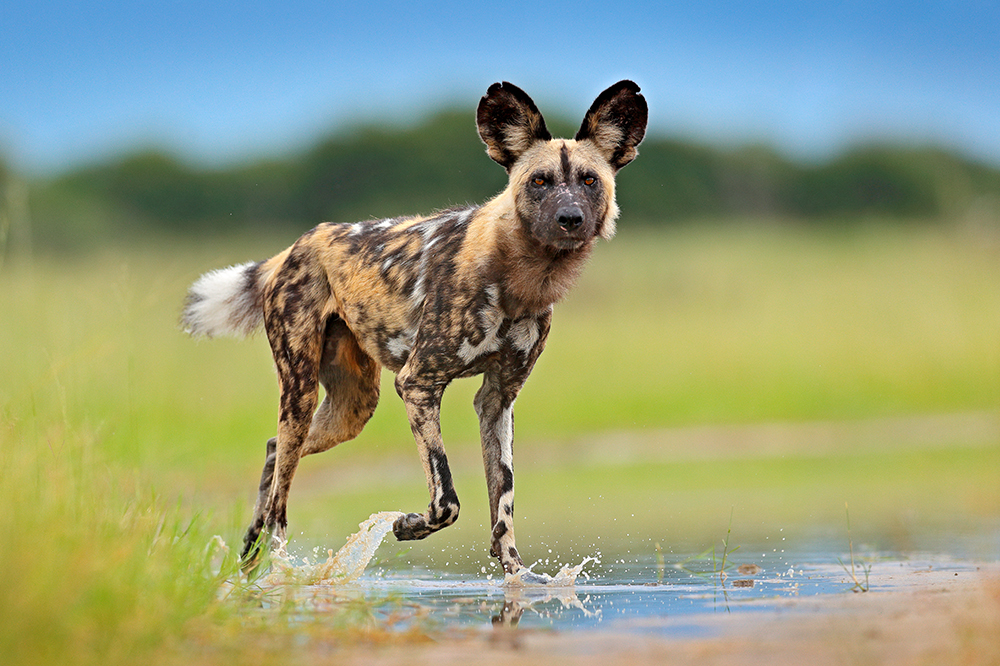
Discover the best time to witness the Great Migration. Our month-by-month guide helps you plan your safari to see this incredible wildlife spectacle.
'''The Great Wildebeest Migration is one of nature's most awe-inspiring spectacles, a continuous journey of over 1.5 million wildebeest, 200,000 zebras, and a host of other antelope across the plains of the Serengeti in Tanzania and the Maasai Mara in Kenya. This dramatic, year-long odyssey is driven by the search for fresh grazing and water, and it creates a constantly moving wildlife spectacle that is both breathtaking and profound. Understanding the timing and route of the migration is key to planning a successful safari to witness this incredible event. This guide will walk you through the annual cycle of the Great Migration, helping you decide on the best time to travel to witness this natural wonder.
The Great Migration: A Year-Round Spectacle
It is a common misconception that the Great Migration only happens during a few months of the year. In reality, it is a continuous, cyclical journey with different highlights and events happening in various locations throughout the year. The herds are constantly on the move, and there is always something to see. The question is not if the migration is happening, but where it is happening at any given time. The best time to see the migration depends on what you want to experience, whether it's the drama of a river crossing, the tenderness of the calving season, or the sheer spectacle of vast herds on the move.
Understanding the Migration Route
The migration follows a clockwise route, starting in the southern Serengeti of Tanzania, moving north through the Serengeti to the Maasai Mara in Kenya, and then returning south. The timing of these movements is dictated by the rains, which bring fresh grazing. While the general pattern is predictable, the exact timing can vary from year to year depending on the weather.
January to March: Calving Season in the Southern Serengeti
For many, the calving season is the most moving and exciting part of the Great Migration. From late January to March, the wildebeest herds congregate in the short-grass plains of the southern Serengeti and the Ngorongoro Conservation Area, particularly in the Ndutu region. This is where the wildebeest give birth to over 500,000 calves in a synchronized event over a few short weeks.
What to Expect
The sheer number of newborn calves is a sight to behold. The plains are teeming with life, and the young wildebeest are a delight to watch as they take their first steps and begin to run with the herd within minutes of being born. This abundance of vulnerable prey also attracts a high concentration of predators, including lions, cheetahs, and hyenas. The interactions between predators and prey during this time are a raw and powerful display of the circle of life.
Where to Stay
Mobile camps in the Ndutu area are the best option for accommodation during the calving season, as they are positioned to be in the heart of the action. Lodges on the southern Serengeti plains are also a good choice.
Still researching? Let us help.
Our advisory team has planned safaris across 9 African countries. We can turn your research into a real plan.
Talk to an AdvisorApril and May: The Trek Northward
As the rains in the south begin to end, the herds start their long journey north in search of greener pastures. In April and May, the migration moves from the southern Serengeti towards the Western Corridor. This is a time of transition, and the herds can be spread out over a vast area. The long columns of wildebeest on the move are an impressive sight, stretching for miles across the plains.
What to Expect
The landscape during this time is lush and green from the long rains. While the herds are more dispersed, the sheer scale of the migration is still evident. This is a great time for photographers to capture the dramatic landscapes of the Serengeti with the migrating herds as a backdrop. The rut, or mating season, also begins during this time, and you may witness males competing for females.
Where to Stay
Lodges and camps in the central and western Serengeti are well-positioned to intercept the herds as they move north. Mobile camps also begin to move north to follow the migration.
June to July: The Grumeti River Crossing
As the migration continues its journey north, it reaches the Grumeti River in the Serengeti's Western Corridor. This is the first of two major river crossings the herds must face. The Grumeti River is known for its large crocodiles, which lie in wait for the wildebeest to cross. The crossing is a dramatic and often chaotic event, as the wildebeest plunge into the water, trying to avoid the waiting predators.
What to Expect
The Grumeti River crossing is a thrilling and suspenseful spectacle. The tension builds as the herds gather on the banks of the river, hesitating before making the perilous journey across. The crossing itself is a frenzy of activity, with wildebeest leaping into the water, crocodiles attacking, and the herd struggling to reach the other side. It is a powerful and unforgettable experience.
Where to Stay
Lodges and camps along the Grumeti River offer prime viewing opportunities for the river crossing. These properties are often in high demand, so it is essential to book well in advance.
August to October: The Mara River Crossing and the Maasai Mara
From August to October, the migration reaches its northernmost point in the Maasai Mara National Reserve in Kenya. This is where the most famous and dramatic event of the migration takes place: the Mara River crossing. The Mara River is a formidable obstacle, with steep banks and a strong current. The herds must cross the river to reach the fresh grazing of the Maasai Mara, and the crossing is a life-or-death struggle.
What to Expect
The Mara River crossing is the pinnacle of the Great Migration. The sight of thousands of wildebeest plunging into the river, battling the current and the waiting crocodiles, is a spectacle of raw, untamed nature. The crossing can happen at any time of day, and it is a waiting game for both the wildebeest and the safari-goers hoping to witness it. The drama and intensity of the Mara River crossing are what make it one of the most sought-after wildlife experiences in the world.
Where to Stay
Lodges and camps in the Maasai Mara, particularly those located near the Mara River, are the best places to stay to witness the crossing. The Maasai Mara is a popular destination, so booking your safari well in advance is crucial, especially for travel during these months.
Done Reading? Let's Build Your Safari.
Skip the guesswork. Work with an advisor who has been on the ground across East and Southern Africa.
Plan With UsNovember and December: The Return South
As the short rains begin in the south, the herds start their journey back to the Serengeti. In November and December, the migration moves south from the Maasai Mara, through the eastern Serengeti, and back towards the calving grounds in the south. This is a time of replenishment, as the herds follow the rains to the fresh green shoots that are beginning to sprout on the southern plains.
What to Expect
The return journey is a more dispersed and less dramatic affair than the northward trek, but it is still an impressive sight. The herds are on the move again, and the cycle is about to begin anew. This is a great time to see the migration in a different part of the Serengeti and to enjoy the beautiful green landscapes that the rains bring.
Where to Stay
Lodges and camps in the central and eastern Serengeti are good options for viewing the migration during this time. Mobile camps will also be positioned to follow the herds as they move south.
Planning Your Migration Safari
To make the most of your migration safari, it is essential to plan ahead. The best time to see the migration depends on your interests and what you want to experience. Here are a few tips to help you plan your trip:
- Book in advance: The Great Migration is a popular event, and accommodation in the best locations gets booked up months, or even years, in advance. It is essential to book your safari as early as possible, especially if you want to travel during the peak season.
- Be flexible: The timing of the migration can vary from year to year, so it is important to be flexible with your travel dates. A good safari operator will be able to advise you on the best time to travel based on the most up-to-date information.
- Choose a reputable operator: A knowledgeable and experienced safari operator is key to a successful migration safari. They will be able to help you plan your itinerary, choose the right accommodation, and ensure that you are in the best possible position to witness the migration.
Witnessing the Great Migration is a once-in-a-lifetime experience. By understanding the annual cycle of the migration and planning your trip carefully, you can ensure that you have a front-row seat to one of the greatest wildlife shows on Earth. '''
Need Expert Safari Guidance?
Get expert advisory support from a firm founded by a former safari guide — with real operational knowledge across 9 African countries and full-journey accountability.
Related Planning Guides
Explore Related Topics
Recommended Reading
 Season & Timing Guides
Best Time to See the Great Migration in Serengeti
Expert guide on best time to see the great migration in serengeti with month-by-month conditions, pricing, and planning recommendations for safari travelers.
 Season & Timing Guides
Best Time to See the Great Migration in Masai Mara
Expert guide on best time to see the great migration in masai mara with month-by-month conditions, pricing, and planning recommendations for safari travelers.
 Season & Timing Guides
Best Time to See Baby Animals on Safari
Expert guide on best time to see baby animals on safari with month-by-month conditions, pricing, and planning recommendations for safari travelers.
 Safari Planning
Best Time of Year to Go on Safari
Discover the best time of year to go on an African safari. Learn about the wet and dry seasons, and find out the ideal months to visit top destinations.
 Safari Planning
Best Countries for First-Time Safari Travelers
Discover the best countries for a first-time safari. Our expert guide compares Tanzania, Kenya, South Africa, and more to help you plan your dream African adventure.
 Destination Guides
Best Safari Destinations for Zebra Migration
Your complete guide to Best Safari Destinations for Zebra Migration. Find the best destinations, planning tips, and more for your next safari adventure.