
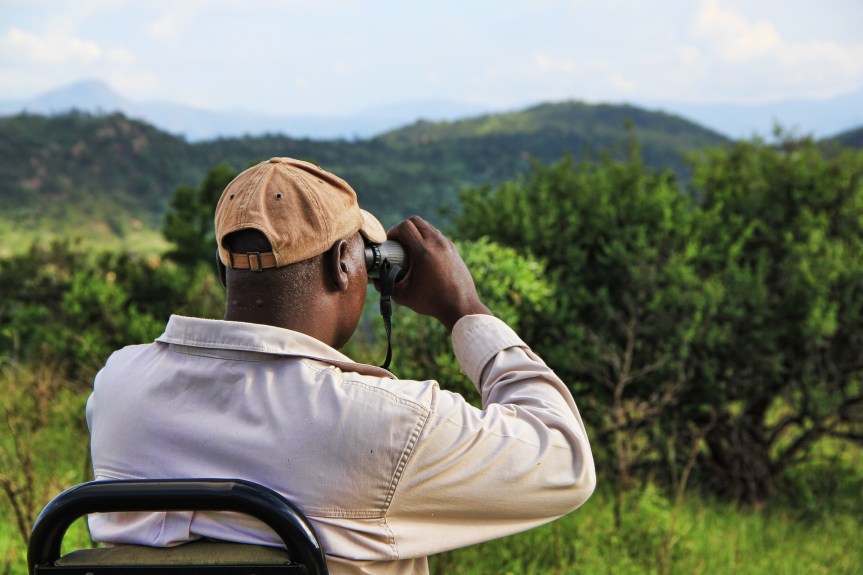
Expert guide on best time to see chimpanzees in africa with month-by-month conditions, pricing, and planning recommendations for safari travelers.
Introduction to Best Time to See Chimpanzees in Africa
Exploring best time to see chimpanzees in africa reveals the depth and complexity of African safari travel. Whether you're drawn to the vast savannas of East Africa or the lush waterways of Southern Africa, this knowledge will serve you well throughout your journey.
Key Details and Considerations
Several critical factors influence best time to see chimpanzees in africa in the African safari context. Geographic location, time of year, and the specific activities you're interested in all play important roles. The diversity of Africa's safari destinations means that no two experiences are alike, and understanding these nuances helps you plan more effectively. Our destination guides provide detailed information for each region.
Still researching? Let us help.
Our advisory team has planned safaris across 9 African countries. We can turn your research into a real plan.
Talk to an AdvisorPractical Advice
Putting your knowledge of best time to see chimpanzees in africa into practice requires a systematic approach. Begin by defining your priorities and non-negotiables, then research destinations and operators that align with your vision. Our operator directory features thousands of safari companies across 17 African countries. Compare options carefully, read reviews, and don't hesitate to ask detailed questions before committing to a booking.
Expert Insights
Safari professionals with decades of experience note that understanding best time to see chimpanzees in africa gives travelers a significant advantage. The difference between a good safari and an exceptional one often comes down to the details, from choosing the right accommodation to timing your game drives for optimal wildlife viewing. Our safari operators bring this expertise to every consultation, helping you avoid common pitfalls and discover hidden gems.
Planning Your Next Steps
In summary, best time to see chimpanzees in africa is a multifaceted topic that rewards careful study and thoughtful planning. Whether you're a first-time safari traveler or a returning enthusiast, staying informed about the latest developments and best practices ensures the best possible experience. Explore our destinations, consult our safari operators, and use our cost calculator to begin planning your African adventure today.
Done Reading? Let's Build Your Safari.
Skip the guesswork. Work with an advisor who has been on the ground across East and Southern Africa.
Plan With UsA Detailed Seasonal Guide to Chimpanzee Trekking
Understanding the seasonal variations in Africa's chimpanzee habitats is key to planning a successful trekking experience. The dry and wet seasons significantly impact the accessibility of the forests and the behavior of the chimpanzees. Here’s a breakdown of the best times to visit the top chimpanzee trekking destinations.
Kibale National Park, Uganda
Kibale National Park is arguably the best place in the world for chimpanzee trekking, with a population of over 1,500 individuals. The park is accessible year-round, but the experience can differ between seasons.
Dry Season (June to September and December to February):
- Trekking Conditions: The forest trails are drier and less slippery, making for easier and more enjoyable treks. The vegetation is also less dense, which can improve visibility.
- Chimpanzee Behavior: During the dry season, food is more concentrated in certain areas of the forest. This can mean that chimpanzees are found in larger groups and may not have to travel as far to find food. However, this is not a guarantee, and they can still be quite mobile.
Wet Season (March to May and October to November):
- Trekking Conditions: The trails can be muddy and slippery, so good hiking boots are essential. Rain is common, but it usually comes in short, heavy downpours, often in the afternoon. The forest is lush and green, offering beautiful scenery.
- Chimpanzee Behavior: Food is more abundant and widespread during the wet season. This can cause the chimpanzees to break into smaller foraging groups and cover larger distances, which can sometimes make tracking them more challenging. However, the wet season is also a time of plenty, and you may witness interesting social behaviors.
> Traveler's Tip: Don't be discouraged by the wet season. The rain often clears up quickly, and the lower number of tourists can lead to a more intimate and exclusive experience. Plus, the photography opportunities in the vibrant, green forest are exceptional.
Mahale Mountains National Park, Tanzania
Mahale is a remote and stunningly beautiful park on the shores of Lake Tanganyika. It offers a unique and immersive chimpanzee trekking experience.
Dry Season (May to October):
- Trekking Conditions: This is the best time to visit Mahale. The weather is warm and dry, and the lake is calm, making for pleasant boat transfers to the park. The forest trails are at their best, and the risk of malaria is lower.
- Chimpanzee Behavior: The chimpanzees are often found in the lower slopes of the mountains during the dry season, which means the treks to find them are generally shorter and less strenuous. They are also more likely to be seen in larger social groups.
Wet Season (November to April):
- Trekking Conditions: The rains can make the forest trails challenging, and boat transfers on the lake can be rough. Some lodges in Mahale close during the peak of the wet season (March and April).
- Chimpanzee Behavior: The chimpanzees tend to move to the higher, more remote slopes of the mountains in search of food, which can lead to longer and more demanding treks.
Gombe Stream National Park, Tanzania
Famous as the site of Jane Goodall's pioneering research, Gombe offers an intimate and historic chimpanzee trekking experience.
Dry Season (June to October):
- Trekking Conditions: Similar to Mahale, the dry season is the optimal time to visit Gombe. The weather is pleasant, and the forest is more accessible.
- Chimpanzee Behavior: The chimpanzees are easier to locate as they stay closer to the lake and the lower slopes.
Wet Season (November to April):
- Trekking Conditions: The wet season brings humidity and rain, making the treks more challenging. However, the park is beautifully green, and there are fewer visitors.
- Chimpanzee Behavior: The chimpanzees are more dispersed and can be harder to find.
For more information on these destinations, explore our destinations page or connect with one of our safari operators for personalized guidance.
The Chimpanzee Trekking Experience: What to Expect
A chimpanzee trek is a thrilling and unpredictable adventure. Unlike a traditional safari game drive, you will be on foot, deep in the forest, actively searching for these intelligent primates. Here’s a step-by-step guide to what you can expect on the day of your trek.
The Briefing
Your day will begin early in the morning with a briefing at the park headquarters. Here, you will be assigned to a small group (usually no more than six people) and introduced to your guide. The guide will go over the rules and regulations for chimpanzee trekking, which are in place to protect both the chimpanzees and the visitors. These rules typically include:
- Maintaining a minimum distance from the chimpanzees (usually around 8-10 meters).
- Not eating or drinking near the chimpanzees.
- Avoiding direct eye contact, which can be perceived as a threat.
- Not using flash photography.
- Staying quiet and avoiding sudden movements.
The Trek
After the briefing, you will head into the forest with your guide and a park ranger. The trek can last anywhere from one to four hours, depending on the location of the chimpanzee group you are tracking. The terrain can be steep, uneven, and muddy, so a good level of fitness is required. Your guide will be in communication with trackers who are already in the forest, following the chimpanzees from a distance. They will lead you to the last known location of the group.
The Encounter
Once you have located the chimpanzees, you will have one hour to observe them. This time limit is strictly enforced to minimize the impact on the animals. You will be able to watch them as they go about their daily lives – grooming, playing, foraging, and interacting with each other. It is a truly magical and humbling experience to witness these incredible creatures in their natural habitat.
> Expert Insight: The one-hour time limit may seem short, but it is a crucial conservation measure. It ensures that the chimpanzees do not become overly habituated to human presence, which could alter their natural behaviors and make them more vulnerable to poaching.
The Chimpanzee Habituation Experience
For those who want a more in-depth experience, some parks, such as Kibale National Park, offer a Chimpanzee Habituation Experience. This allows you to spend a full day with the chimpanzees, from the time they wake up in the morning to the time they build their nests for the night. You will join the researchers and trackers as they follow the chimpanzees, and you will have the opportunity to learn about their behavior and social dynamics in much greater detail. This is an incredible experience for anyone with a deep interest in primates.
To start planning your own chimpanzee trekking adventure, use our cost calculator to get an idea of the budget required, and then plan your safari with the help of our expert team.
Understanding the Cost of Chimpanzee Trekking
The cost of chimpanzee trekking can vary significantly depending on the destination, the time of year, and the type of experience you choose. It is important to understand what is included in the price of a permit and what additional costs you will need to budget for.
Permit Costs
The single largest cost associated with chimpanzee trekking is the permit. The permit gives you permission to enter the park and track the chimpanzees for one hour. The revenue generated from permit sales is essential for funding the conservation of the chimpanzees and their habitat, as well as supporting the local communities.
Here is an approximate breakdown of permit costs for the top chimpanzee trekking destinations:
| Destination | Permit Cost (per person) | | ----------------------------- | ------------------------ | | Kibale National Park, Uganda | $200 - $250 | | Mahale Mountains NP, Tanzania | $150 - $200 | | Gombe Stream NP, Tanzania | $100 - $150 |
Note: These prices are subject to change and should be confirmed with one of our safari operators before booking.
What's Included in the Permit?
The permit fee typically includes:
- Park entrance fees
- The services of a guide and a park ranger
- The one-hour encounter with the chimpanzees
What's Not Included?
The permit fee does not usually include:
- Accommodation
- Transportation to and from the park
- Meals and drinks
- Tips for your guide and ranger
The Chimpanzee Habituation Experience Cost
The Chimpanzee Habituation Experience is a more expensive option, but it offers a much more immersive and educational experience. The permit for the habituation experience in Kibale National Park is currently around $250 per person. This includes a full day with the chimpanzees, accompanied by researchers and trackers.
Budgeting for Your Trip
When budgeting for your chimpanzee trekking trip, it is important to factor in all of the costs, not just the permit. You will need to budget for accommodation, transportation, food, and tips. The overall cost of your trip will depend on your travel style and the level of comfort you are looking for. For a detailed breakdown of safari costs, visit our knowledge center or use our cost calculator.
Written & Reviewed By
Philips Okot
Former safari guide from Uganda and founder of Safari Intelligence. Philips has spent years guiding travelers across East and Southern Africa and now provides independent safari advisory services to help travelers plan with confidence.
Need Expert Safari Guidance?
Get expert advisory support from a firm founded by a former safari guide — with real operational knowledge across 9 African countries and full-journey accountability.
Related Planning Guides
Recommended Reading
 Season & Timing Guides
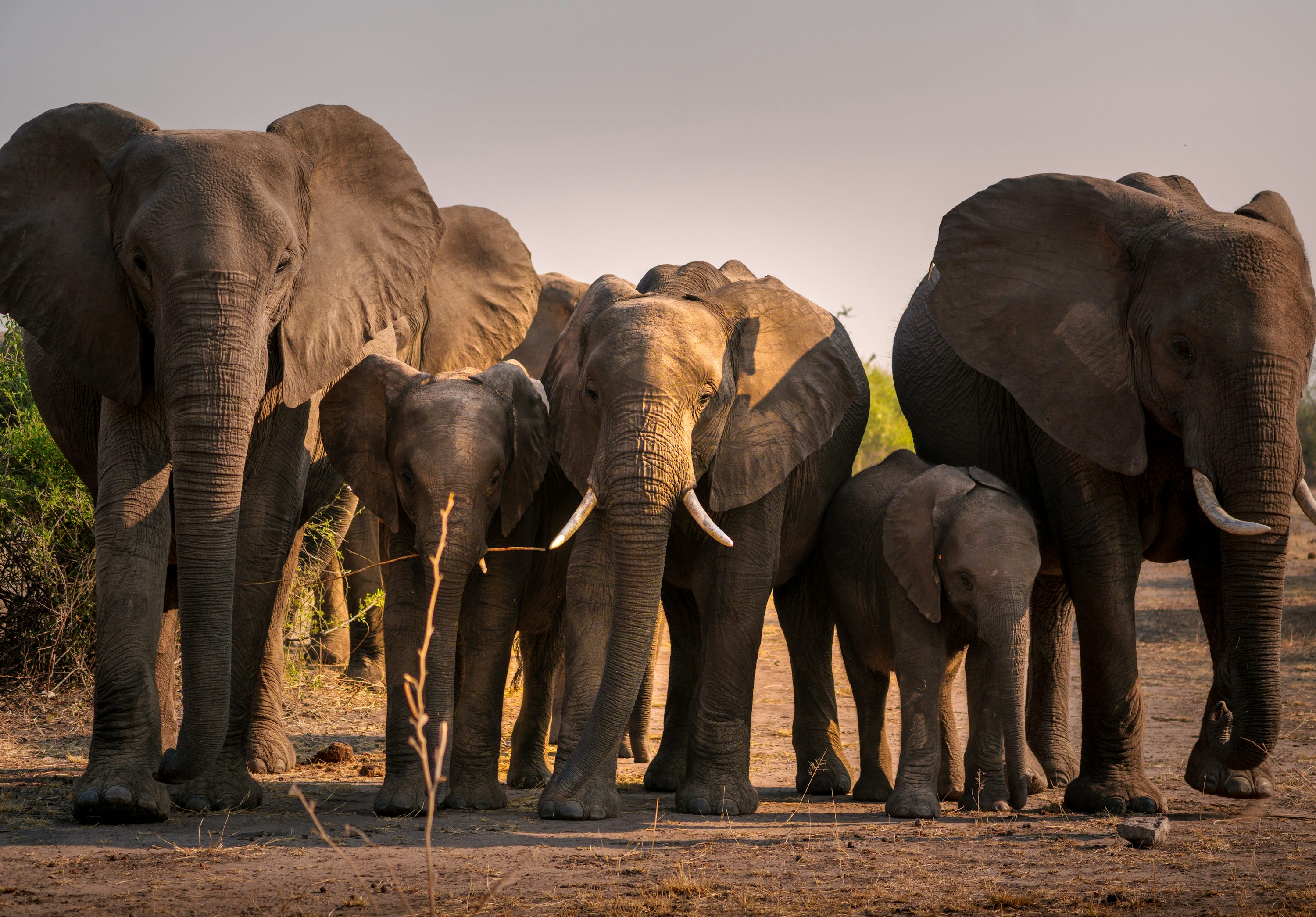
Best Time to See Flamingos in Africa
Expert guide on best time to see flamingos in africa with month-by-month conditions, pricing, and planning recommendations for safari travelers.
 Season & Timing Guides
Best Time to See Whale Sharks in East Africa
Expert guide on best time to see whale sharks in east africa with month-by-month conditions, pricing, and planning recommendations for safari travelers.
 Season & Timing Guides
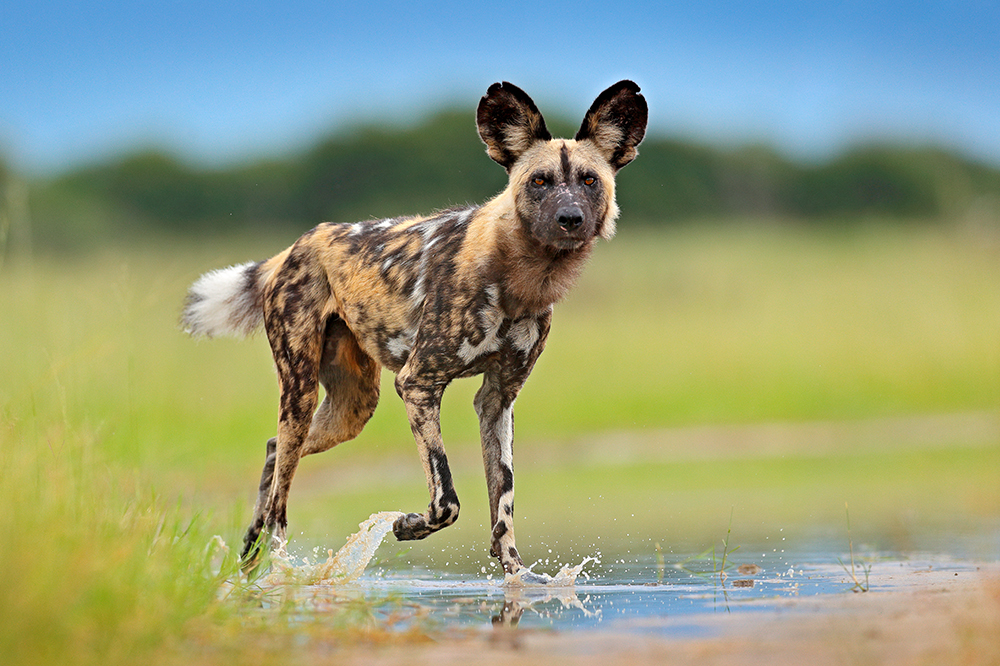
Best Time to See Sea Turtles in Africa
Expert guide on best time to see sea turtles in africa with month-by-month conditions, pricing, and planning recommendations for safari travelers.
 Additional Safari Topics
Best Time to See the Migration
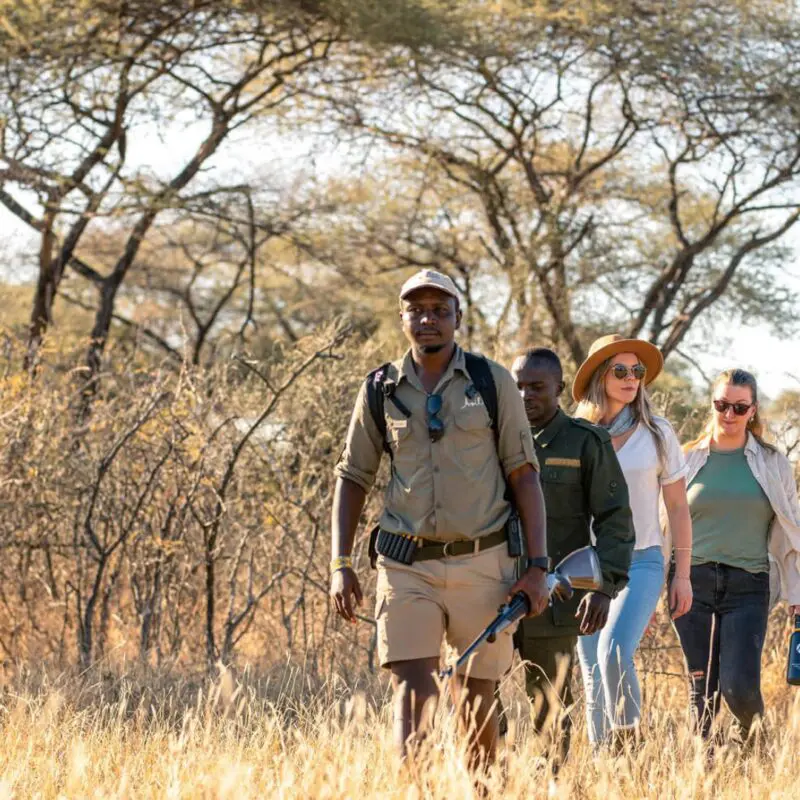
Discover the best time to witness the Great Migration. Our month-by-month guide helps you plan your safari to see this incredible wildlife spectacle.
 Safari Planning
Best Countries for First-Time Safari Travelers
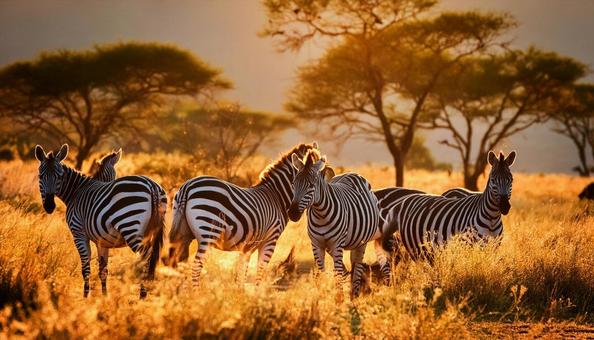
Discover the best countries for a first-time safari. Our expert guide compares Tanzania, Kenya, South Africa, and more to help you plan your dream African adventure.
 Safari Planning Guides
How to Plan a Safari for First-Time Visitors to Africa
Learn about how to plan a safari for first-time visitors to africa in this comprehensive safari guide covering key insights and practical advice.