
Expert guide on best time for photography on safari with month-by-month conditions, pricing, and planning recommendations for safari travelers.
Introduction to Best Time for Photography on Safari
Exploring best time for photography on safari reveals the depth and complexity of African safari travel. Whether you're drawn to the vast savannas of East Africa or the lush waterways of Southern Africa, this knowledge will serve you well throughout your journey.
Key Details and Considerations
Delving deeper into best time for photography on safari, travelers discover that Africa's safari industry has evolved significantly over the past decades. Modern safari experiences combine traditional wilderness exploration with contemporary comfort and conservation awareness. The key is finding the right balance for your travel style and budget, which our cost calculator can help you determine.
Still researching? Let us help.
Our advisory team has planned safaris across 9 African countries. We can turn your research into a real plan.
Talk to an AdvisorPractical Advice
For practical guidance on best time for photography on safari, consider these expert recommendations. First, start your research early and use reliable sources like our knowledge center for up-to-date information. Second, don't underestimate the value of professional guidance, as a knowledgeable safari planning guide can save you time, money, and potential disappointment. Third, remain flexible in your planning, as Africa's natural environments are dynamic and unpredictable.
Expert Insights
The landscape of best time for photography on safari reflects broader trends in African tourism, including the growing emphasis on authentic experiences, wildlife conservation, and cultural exchange. Modern safari travelers are more informed and discerning than ever, seeking meaningful connections with the natural world rather than simply checking off a bucket list. Our knowledge center supports this approach with in-depth articles covering every aspect of safari travel.
Planning Your Next Steps
To wrap up, mastering best time for photography on safari is an investment that pays dividends throughout your safari journey. The more you understand about Africa's diverse ecosystems, wildlife, and tourism infrastructure, the better equipped you'll be to make decisions that lead to extraordinary experiences. Start your planning journey with our comprehensive knowledge center and connect with our team of experienced safari operators for personalized guidance.
Done Reading? Let's Build Your Safari.
Skip the guesswork. Work with an advisor who has been on the ground across East and Southern Africa.
Plan With UsMastering the Golden Hour: Sunrise and Sunset on Safari
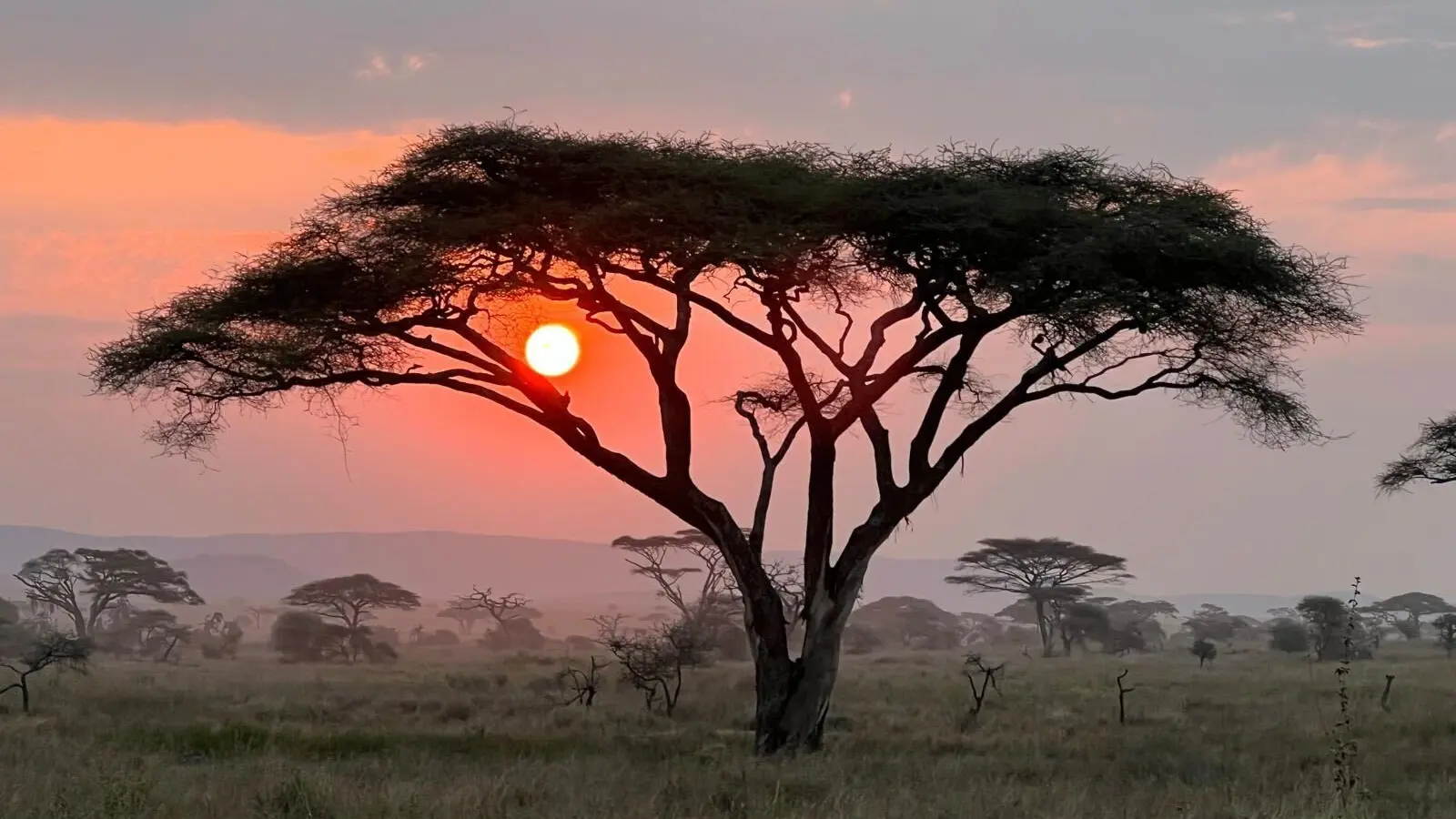
The “golden hour”—the first hour after sunrise and the last hour before sunset—is legendary among photographers for good reason. During these periods, the sun is low on the horizon, casting a soft, warm, and directional light that bathes the landscape in a golden glow. This magical light is not only beautiful but also incredibly flattering for wildlife photography, creating rich colors, dramatic long shadows, and a sense of depth that is absent in the harsh midday sun.
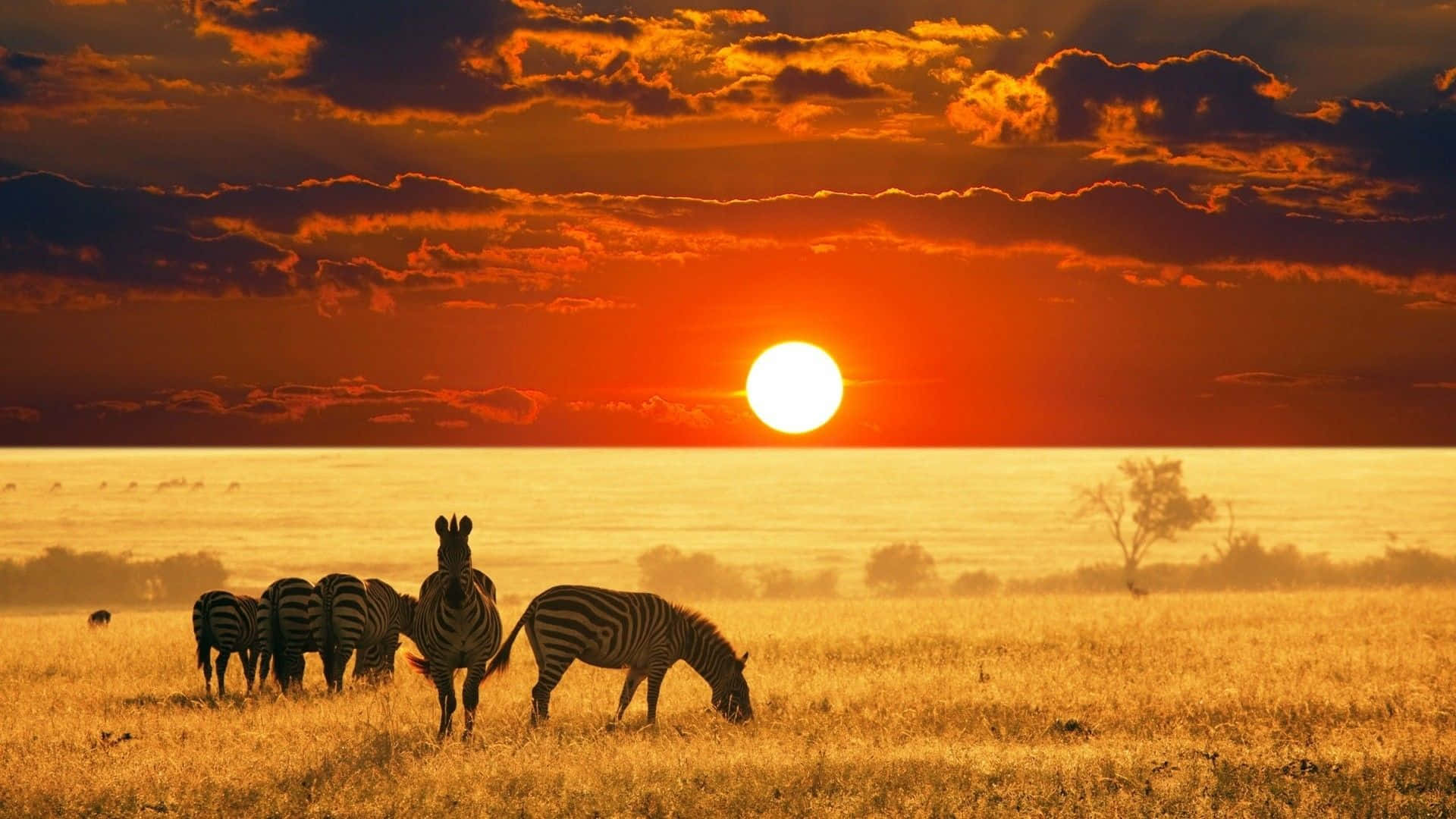
On safari, the golden hour is even more significant. This is when the savanna comes alive. Predators like lions, leopards, and cheetahs are most active, using the cool, dim light to their advantage for hunting. Nocturnal animals may still be out, and diurnal animals are just beginning their day. This convergence of beautiful light and peak animal activity creates unparalleled photographic opportunities. Imagine capturing a lioness stalking through the tall grass, her coat illuminated by the rising sun, or a herd of elephants silhouetted against a fiery sunset. These are the moments that define safari photography.
Practical Tips for Golden Hour Photography
To make the most of the golden hour, you need to be prepared. Game drives are often scheduled to coincide with these times, but it’s essential to communicate with your guide about your photographic goals. Let them know you want to prioritize being in a prime position for sunrise and sunset shots.
> Expert Insight: Don’t pack up your camera as soon as the sun dips below the horizon. The “blue hour” that follows sunset can produce stunning, moody images with soft, cool tones. This is a great time to experiment with silhouettes and long exposures if you have a tripod or a steady surface like a beanbag.
Here are a few tips to maximize your golden hour success:
- Be Ready Early: The best light is fleeting. Be ready to shoot before the sun even rises. This means having your camera settings dialed in and being in a good location.
- Use a Wide Aperture: A wide aperture (e.g., f/2.8 or f/4) will help you gather as much light as possible and create a beautiful, blurred background (bokeh) that makes your subject pop.
- Watch Your Shutter Speed: In lower light, you’ll need to be mindful of your shutter speed to avoid motion blur. Increase your ISO if necessary to maintain a fast enough shutter speed, especially for moving animals.
- Embrace Silhouettes: Sunrises and sunsets are the perfect time to create dramatic silhouettes. Position yourself so that your subject is between you and the sun, and expose for the bright background.
For those planning a safari with photography as a key goal, consider destinations like the Maasai Mara in Kenya or the Serengeti in Tanzania, where the wide-open plains offer unobstructed views of the horizon. Our team of safari operators can help you design an itinerary that maximizes your time in these iconic landscapes. For more planning resources, visit our knowledge center.
The Green Season: A Photographer's Hidden Gem
While the dry season is often touted as the best time for wildlife viewing due to sparse vegetation and concentrated animal populations around water sources, the “green season” (or rainy season) offers a completely different and equally compelling photographic canvas. This period, which varies by region but generally coincides with the rains, transforms the dry, dusty landscapes into a vibrant, emerald wonderland. The air is clear of dust, the skies are often filled with dramatic clouds, and the entire ecosystem bursts with new life.
For photographers, the green season brings several unique advantages:
- Vibrant Landscapes: The lush, green scenery provides a stunning backdrop for wildlife photos. The contrast between a leopard’s rosette coat and the verdant foliage, or a lilac-breasted roller against a dramatic, stormy sky, can create exceptionally powerful images.
- Fewer Crowds: The green season is typically the low or shoulder season for tourism. This means fewer vehicles at sightings, giving you more time and space to compose the perfect shot without pressure.
- Healthier Animals: With abundant food and water, animals are often in their best condition. Their coats are full and healthy, and the general stress on the ecosystem is lower.
- Dramatic Skies: The afternoon thunderstorms common in the green season produce some of the most spectacular skies imaginable. Think dark, moody clouds, rainbows, and ethereal light breaking through after a storm.
> Traveler's Tip: Don't be deterred by the term “rainy season.” Rains often come in short, intense bursts in the afternoon, leaving the rest of the day clear and bright. A waterproof camera cover and a bit of flexibility are all you need to take advantage of this incredible time of year.
Destinations like Botswana’s Okavango Delta and Zambia’s South Luangwa National Park are particularly spectacular during the green season. It’s also the time for calving in the Serengeti, where thousands of wildebeest give birth, attracting predators and creating a spectacle of life and death. To explore what a green season safari might look like, check out our destinations page or use our cost calculator to compare seasonal pricing.
Structuring Your Safari for Photographic Success
Beyond just choosing the right time of year, structuring your safari itself is crucial for maximizing your photographic potential. A standard group safari might not provide the flexibility and focus that a serious photographer needs. To truly elevate your safari photography, you need to think about the logistics of your trip, from the vehicle you use to the guide who leads you.
One of the most significant decisions you can make is whether to opt for a private vehicle and guide. While this comes at an additional cost, the benefits for a photographer are immense. With a private vehicle, you have complete control over your schedule. You can stay at a sighting for as long as you want, waiting for the perfect light or for a specific animal behavior to unfold. You’re not bound by the interests or schedule of a group. You can also position the vehicle exactly as you need to for the best angle and light, something that’s often a compromise in a shared vehicle.
> Expert Insight: When booking a safari with a focus on photography, specifically request a guide with experience working with photographers. A photography-focused guide understands the importance of light, positioning, and patience. They can anticipate animal behavior and get you into the right spot at the right time. They also know the local parks intimately and can often lead you to the territories of specific, well-known animals.
Choosing Photography-Friendly Lodges and Camps
Many lodges and camps are now catering specifically to the needs of photographers. These properties often offer features that can make a significant difference in your workflow and the quality of your images:
- Specialized Vehicles: Some lodges have vehicles with open sides, three rows of seats (for just two photographers), or even custom-built photography arms and mounts.
- Beanbags and Mounts: Photography-focused camps will provide beanbags for stabilizing long lenses on the vehicle’s frame, a simple but essential tool for sharp images.
- Charging Stations: Ample and reliable charging stations in rooms or common areas are a must for photographers with multiple batteries, laptops, and other electronics.
- Digital Hubs: A few high-end lodges even have dedicated media centers where you can download, review, and edit your images on a large screen, sometimes with the help of a resident pro.
When you plan your safari with us, we can connect you with operators and lodges that are renowned for their photographic focus. Investing in these specialized services can be the difference between coming home with a few good snapshots and returning with a portfolio of breathtaking wildlife art.
By strategically combining the best season, the magical light of the golden hour, and a safari structured for photographic success, you set the stage for an incredibly rewarding experience. The wild landscapes of Africa offer endless inspiration, and with the right planning, you can be there to capture it.
Need Expert Safari Guidance?
Get expert advisory support from a firm founded by a former safari guide — with real operational knowledge across 9 African countries and full-journey accountability.
Related Planning Guides
Recommended Reading
 Season & Timing Guides
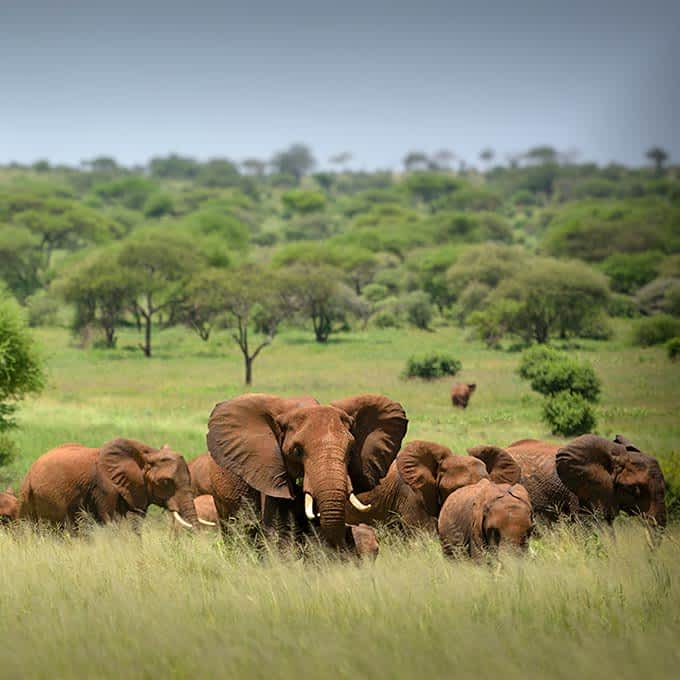
Best Time to Visit Tanzania for Safari
Expert guide on best time to visit tanzania for safari with month-by-month conditions, pricing, and planning recommendations for safari travelers.
 Season & Timing Guides
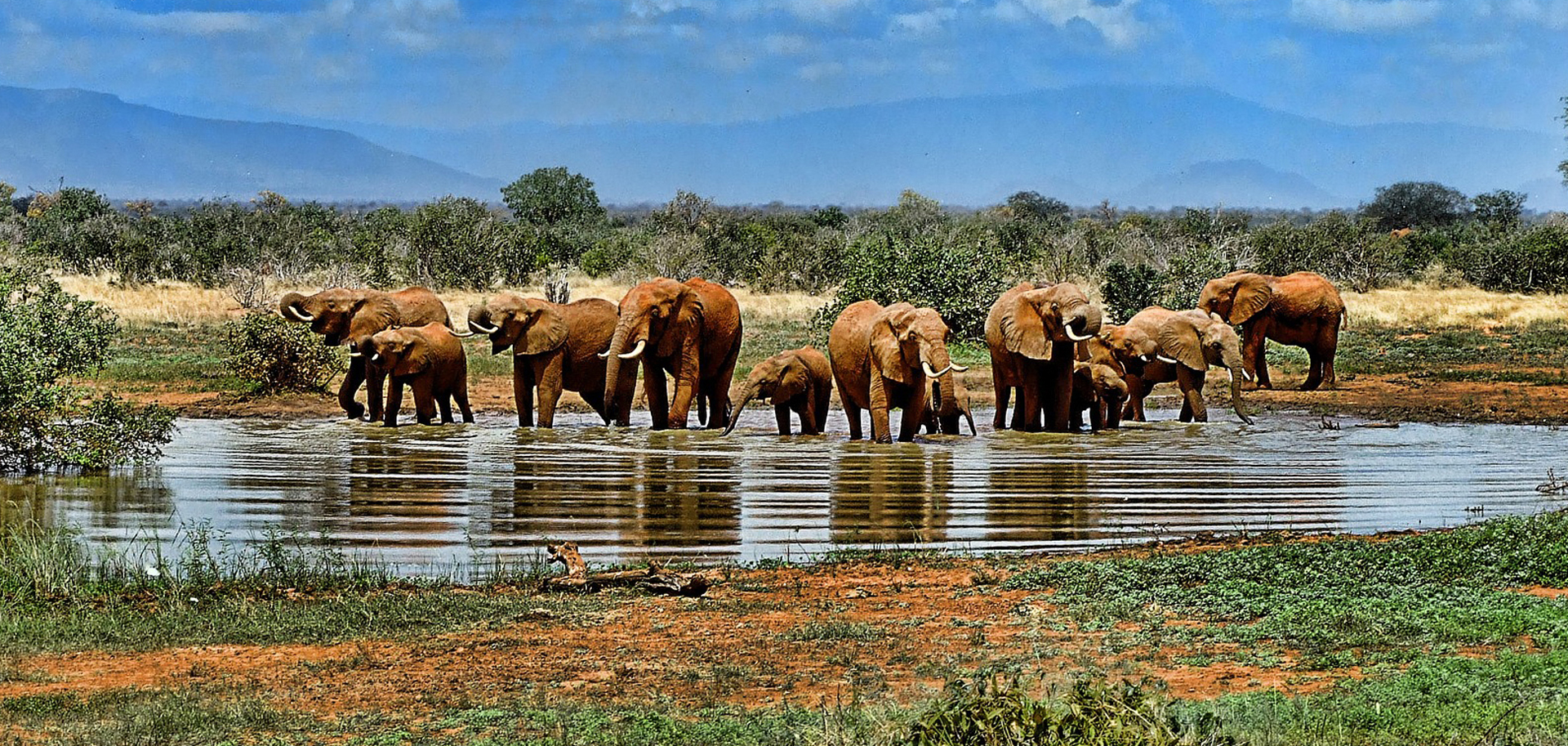
Best Time to Visit Kenya for Safari
Expert guide on best time to visit kenya for safari with month-by-month conditions, pricing, and planning recommendations for safari travelers.
 Season & Timing Guides
Best Time to Visit Botswana for Safari
Expert guide on best time to visit botswana for safari with month-by-month conditions, pricing, and planning recommendations for safari travelers.
 Safari Planning
Best Countries for First-Time Safari Travelers
Discover the best countries for a first-time safari. Our expert guide compares Tanzania, Kenya, South Africa, and more to help you plan your dream African adventure.
 Destination Guides
Best Safari Destinations for Photography
Discover everything you need to know about Best Safari Destinations for Photography. From wildlife and landscapes to lodges and activities, this guide covers it
 Safari Planning
Best Time of Year to Go on Safari
Discover the best time of year to go on an African safari. Learn about the wet and dry seasons, and find out the ideal months to visit top destinations.