
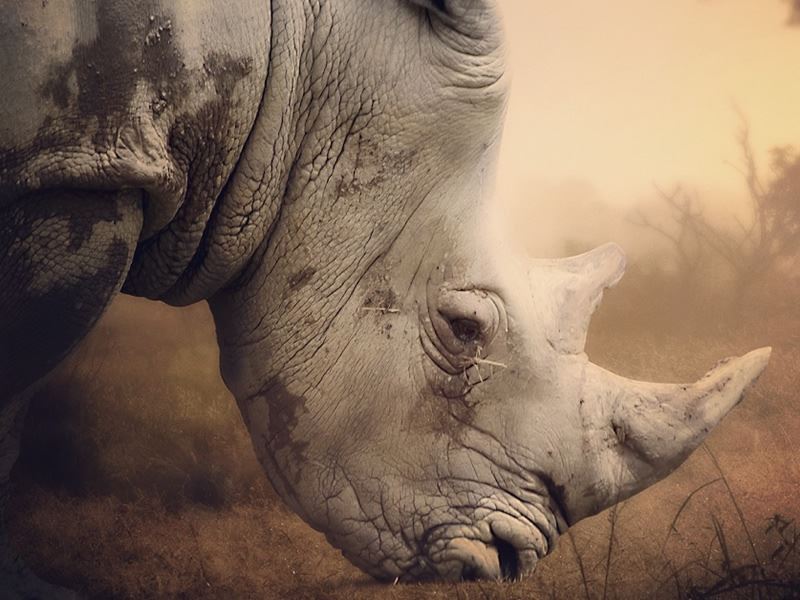
Discover the three species of zebra, their unique stripe patterns, and the best places to see them in Africa. Plan your safari with our expert guide.
''' With their dazzling black-and-white striped coats, zebras are one of the most iconic and beloved animals of the African savanna. A quintessential safari sighting, these hardy and spirited equids are a common sight across much of eastern and southern Africa. But beyond their familiar appearance, zebras are fascinating creatures with complex social lives, unique adaptations, and a surprising diversity among their ranks. Understanding the different species and their behaviors can greatly enrich your safari experience, offering a deeper appreciation for these "horses in pajamas."
The Three Species of Zebra
While they may look similar at a glance, Africa is home to three distinct species of zebra, each with its own unique characteristics, stripe patterns, and habitat preferences. Learning to distinguish between them is a rewarding skill for any safari enthusiast.
Plains Zebra (Equus quagga)
The plains zebra is the most common and widespread of the three species, and the one you are most likely to encounter on safari. They are found in grasslands and woodlands across eastern and southern Africa. Their stripes are broad and extend down to their bellies, often with lighter, brownish "shadow stripes" in between the black ones. Plains zebras are highly social and live in family groups, or harems, led by a single stallion.
Grévy's Zebra (Equus grevyi)
Named after a 19th-century French president, the Grévy's zebra is the largest and most striking of the zebra species. It is also the most endangered. Found only in the arid grasslands of northern Kenya and Ethiopia, they are distinguished by their large, rounded ears and narrow, tightly packed stripes that do not extend to the belly or lower legs. Unlike plains zebras, Grévy's zebras have a more fluid social structure, and territorial stallions defend large territories, mating with any females that pass through.
Mountain Zebra (Equus zebra)
As their name suggests, mountain zebras are adapted to rugged, mountainous terrain. There are two subspecies: the Cape mountain zebra, found in South Africa's Eastern and Western Cape provinces, and the Hartmann's mountain zebra, found in Namibia and Angola. Both have a distinctive gridiron pattern of narrow stripes on their rump, a prominent dewlap on their throat, and their stripes do not cover their white bellies. The Cape mountain zebra was once hunted to the brink of extinction but has made a remarkable comeback thanks to dedicated conservation efforts.
Where to See Zebras in Africa
Zebra sightings are a highlight of any safari, and certain destinations offer exceptional opportunities to see them in large numbers and unique environments.
The [Great Migration](/knowledge/great-migration-guide) in Tanzania and Kenya
Nowhere is the spectacle of zebras more impressive than during the Great Migration. Hundreds of thousands of plains zebras join over a million wildebeest on their epic annual journey across the Serengeti-Mara ecosystem. They are "pioneer grazers," feeding on the longer, tougher grasses and clearing the way for the more selective wildebeest. Witnessing the vast herds crossing the Mara River, braving crocodiles and predators, is an unforgettable experience.
Namibia's [Etosha](/destinations/namibia) National Park
Etosha National Park is a stronghold for Hartmann's mountain zebras and also has a healthy population of plains zebras. The park's numerous waterholes are a magnet for wildlife, and during the dry season, you can see large herds of both zebra species congregating to drink, often alongside elephants, giraffes, and rhinos.
South Africa's Kruger and Mountain Zebra National Parks
Kruger National Park offers excellent sightings of plains zebras, which are abundant throughout the park. For a more specialized experience, Mountain Zebra National Park in the Eastern Cape was established specifically to protect the endangered Cape mountain zebra. The park's dramatic landscapes provide a stunning backdrop for viewing these rare and beautiful animals.
Still researching? Let us help.
Our advisory team has planned safaris across 9 African countries. We can turn your research into a real plan.
Talk to an AdvisorZebra Behavior and Social Structure
Zebras are highly social animals with a fascinating and complex social system that is crucial for their survival in the wild.
The Harem and Bachelor Herds
Plains and mountain zebras live in stable family groups called harems. A harem consists of a dominant stallion, several mares (females), and their offspring. The stallion fiercely defends his harem from rival males. Young males, upon reaching maturity, leave their natal herds and join bachelor herds, where they will live and practice their fighting skills until they are old enough and strong enough to challenge a stallion for his own harem.
Communication and Defense
Zebras communicate through a variety of vocalizations, including barks, brays, and snorts, as well as through their body language, such as the position of their ears and tail. When threatened by predators like lions or hyenas, the herd bunches together, presenting a confusing mass of stripes that makes it difficult for a predator to single out an individual. A stallion will aggressively defend his family, using powerful kicks and sharp teeth to fight off attackers.
The Purpose of a Zebra's Stripes
The zebra's distinctive stripes are its most famous feature, and scientists have long debated their primary function. Several theories have been proposed, and it is likely that the stripes serve multiple purposes.
Camouflage and Predator Confusion
The most classic theory is that the stripes provide camouflage, breaking up the zebra's outline in the shimmering heat of the African plains. When a herd is running, the moving stripes can create a dazzling and confusing spectacle for a pursuing predator, making it difficult to target a single animal.
Thermoregulation
More recent research suggests that the stripes may help zebras regulate their body temperature. The black stripes absorb heat while the white stripes reflect it, creating convection currents of air that flow over the zebra's body and help to cool it down.
Pest Deterrence
Another compelling theory is that the stripes deter biting insects like tsetse flies and horseflies. Studies have shown that these flies are less likely to land on striped surfaces than on uniformly colored ones, perhaps because the stripes disrupt their visual perception.
Conservation Status and Threats
While plains zebras are still numerous, their populations are declining, and they are classified as Near Threatened by the IUCN. The Grévy's zebra is Endangered, and the mountain zebra is Vulnerable. The primary threats to all zebra species are habitat loss due to human encroachment and agriculture, competition with livestock for grazing and water, and illegal hunting. Conservation efforts are focused on protecting their habitats, mitigating human-wildlife conflict, and combating poaching.
In conclusion, zebras are far more than just striped horses. They are a diverse and fascinating group of animals with complex social lives and remarkable adaptations to their environment. From the vast migrating herds of the Serengeti to the rare mountain dwellers of South Africa, zebras are an essential and captivating part of the African wilderness. A deeper understanding of these incredible creatures will undoubtedly make your next safari adventure even more meaningful. '''
Need Expert Safari Guidance?
Get expert advisory support from a firm founded by a former safari guide — with real operational knowledge across 9 African countries and full-journey accountability.
Related Planning Guides
Explore Related Topics
Recommended Reading
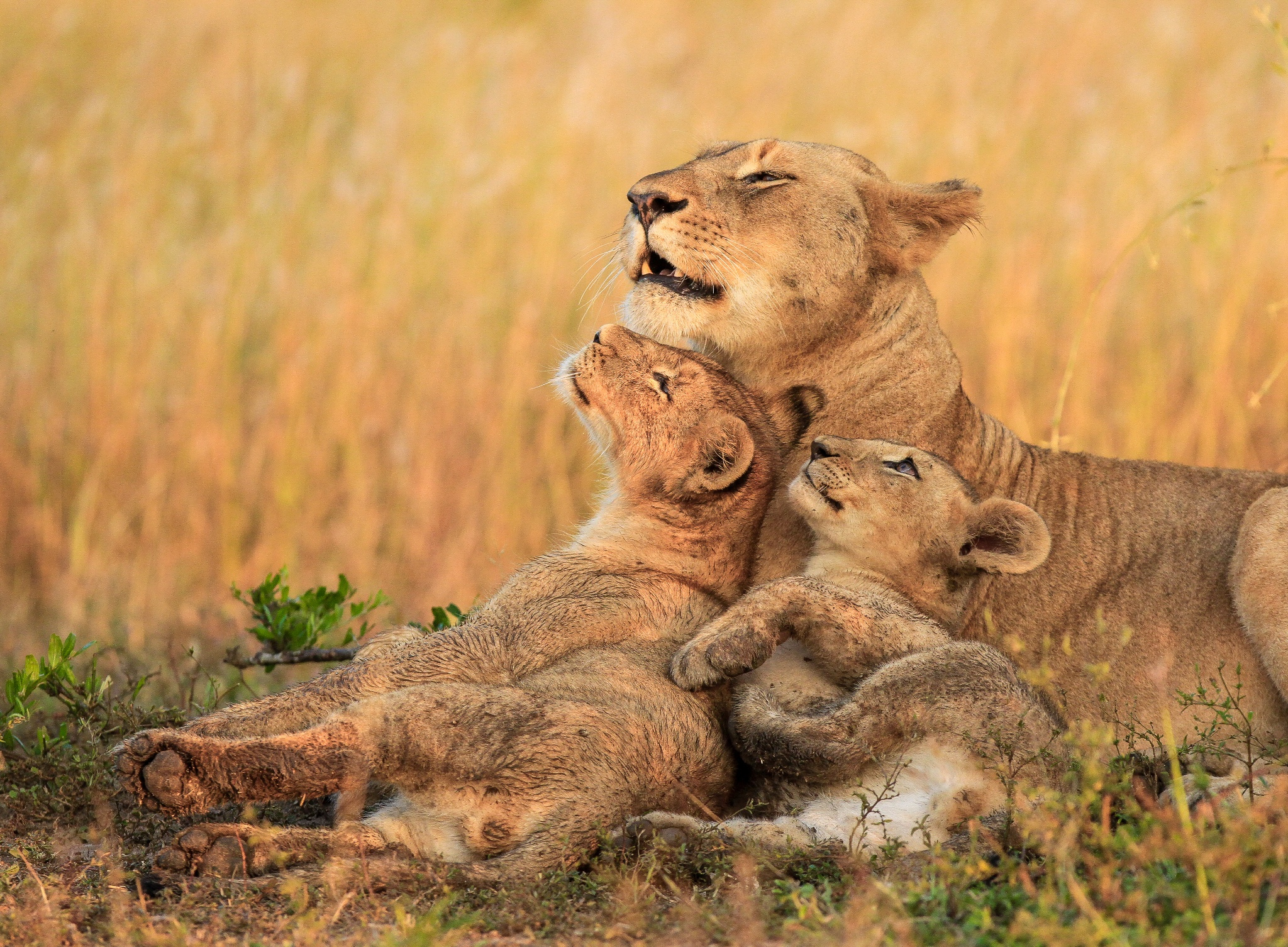 Wildlife Guides
Complete Guide to Zebra Migration Patterns
Learn all about Complete Guide to Zebra Migration Patterns in this comprehensive guide. Discover the best time to go, what to see, and how to plan your trip.
 Wildlife Guides
Complete Guide to Vulture Species of Africa
Learn all about Complete Guide to Vulture Species of Africa in this comprehensive guide. Discover the best time to go, what to see, and how to plan your trip.
 Wildlife Guides
Complete Guide to Hornbill Species of Africa
Learn all about Complete Guide to Hornbill Species of Africa in this comprehensive guide. Discover the best time to go, what to see, and how to plan your trip.
 Country Guides
Complete Safari Guide to South Africa
Your complete guide to Complete Safari Guide to South Africa. Find the best destinations, planning tips, and more for your next safari adventure.
 Country Guides
South Africa Safari Currency and Money Guide
A comprehensive guide to South Africa Safari Currency and Money Guide. Learn everything you need to know for your next safari adventure.
 Country Guides
South Africa Safari Food and Cuisine Guide
A comprehensive guide to South Africa Safari Food and Cuisine Guide. Learn everything you need to know for your next safari adventure.