
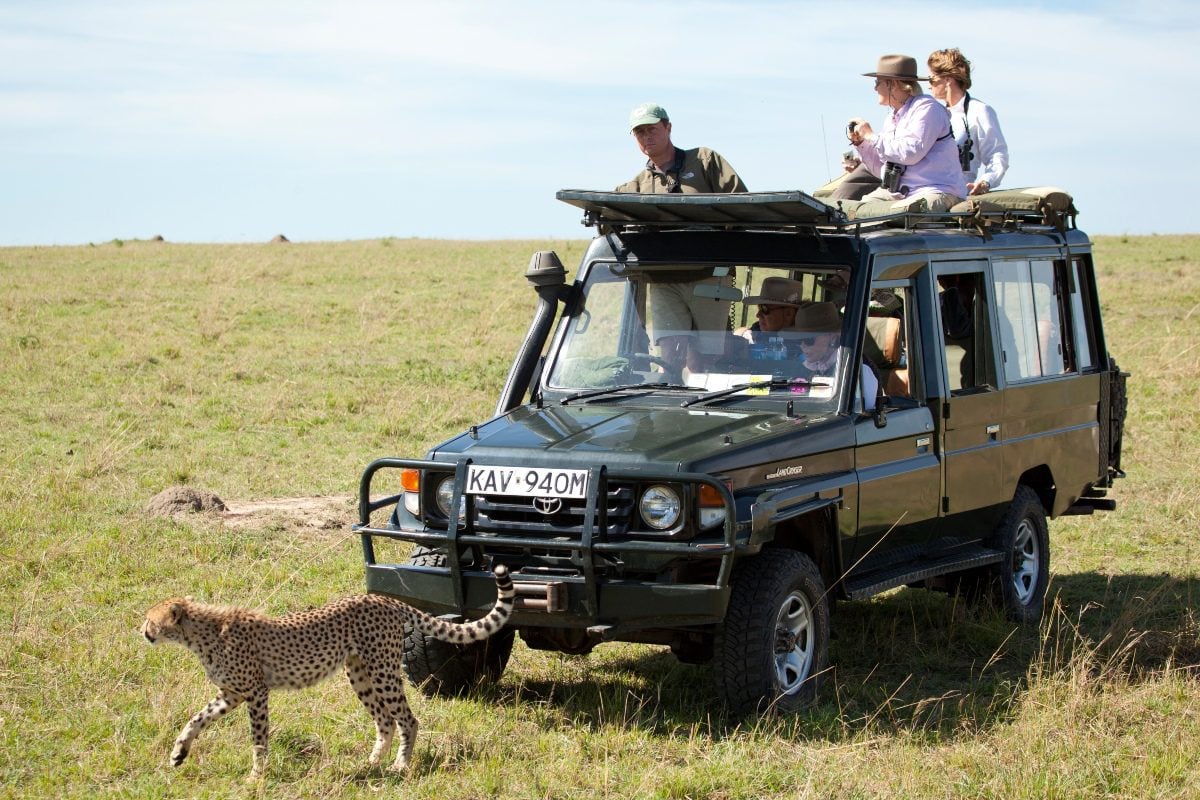
This is a dummy meta description for Ultimate Safari Packing List for Southern Africa.
About Ultimate Safari Packing List for Southern Africa
This in-depth guide explores ultimate safari packing list for southern africa, providing essential information for anyone planning an African safari. Understanding this topic thoroughly will help you make informed decisions and have a more rewarding safari experience. Africa's safari industry continues to evolve, and staying informed about the latest developments ensures you get the best possible experience.
Why This Matters for Your Safari
Ultimate Safari Packing List for Southern Africa is an important consideration for safari travelers. Whether you're a first-time visitor or a returning enthusiast, understanding the nuances of this topic can significantly impact your trip. From choosing the right destinations to selecting appropriate operators, every decision builds on foundational knowledge. Our safari operators can provide personalized guidance based on your specific needs.
Still researching? Let us help.
Our advisory team has planned safaris across 9 African countries. We can turn your research into a real plan.
Talk to an AdvisorKey Insights and Recommendations
Based on extensive industry experience and traveler feedback, several key insights emerge. First, research is your best investment, as the more you know before booking, the better your experience will be. Second, flexibility in timing and destinations often leads to better value and fewer crowds. Third, working with experienced professionals, whether guides, operators, or advisors, consistently produces superior outcomes. Explore our knowledge center for more detailed articles on related topics.
Practical Applications
Putting this knowledge into practice starts with your planning process. Begin by identifying your priorities, whether that's specific wildlife encounters, landscape preferences, or cultural experiences. Then use resources like our destination guides, cost calculator, and operator directory to build an itinerary that aligns with your goals. Don't rush the planning process, as a well-planned safari is almost always more rewarding than a hastily arranged one.
Further Reading
To deepen your understanding, explore related articles in our knowledge center. Each guide is written by safari industry professionals with firsthand experience across Africa's top destinations. For personalized advice, our safari planning guidey team is available to answer your questions and help refine your plans.
Done Reading? Let's Build Your Safari.
Skip the guesswork. Work with an advisor who has been on the ground across East and Southern Africa.
Plan With UsSpecialized Gear for Unique Southern African Experiences
Beyond the standard safari attire, certain activities in Southern Africa demand specialized gear. If your itinerary includes a walking safari in Zambia’s South Luangwa National Park or rhino tracking in Zimbabwe's Matobo Hills, your footwear becomes paramount. Broken-in, waterproof hiking boots with solid ankle support are non-negotiable. Many travelers make the mistake of bringing new boots, only to suffer from blisters that ruin the experience. Also, consider packing gaiters to protect your lower legs from thorns and insects.
For water-based activities like a mokoro excursion in Botswana's Okavango Delta, quick-dry clothing and a waterproof bag for your camera and electronics are essential. A wide-brimmed hat is also crucial for sun protection on the water, as the reflection can intensify the sun's rays. A case study from one of our clients highlights this: they were on a mokoro trail and their non-waterproof backpack was soaked, damaging a camera lens. A simple dry bag, which costs as little as $20-$30, could have prevented this.
Seasonal Adjustments: Packing for the Green vs. Dry Season
Your packing list will vary significantly depending on whether you travel during the dry season (typically May to October) or the green season (November to April). During the dry season in destinations like Kruger National Park or Etosha National Park, the mornings and evenings can be surprisingly cold. A warm fleece, beanie, and gloves are essential for early morning game drives.
Conversely, the green season brings warmer temperatures but also afternoon thunderstorms. A lightweight, breathable rain jacket is a must. This season also sees an increase in insects, so a reliable insect repellent containing DEET is highly recommended, especially in lower-lying areas like the Zambezi Valley. Don't assume one packing list fits all seasons; a well-prepared traveler is a comfortable traveler.
Essential Electronics and Photography Gear
While a smartphone can capture decent images, a dedicated camera setup is essential for serious wildlife photography. For most wildlife encounters in Southern Africa, a lens with a focal length of at least 300mm is recommended. A 100-400mm zoom lens is a versatile choice, allowing you to capture both wider shots of animals in their environment and tighter portraits. For the vast landscapes of Namibia or the dramatic Victoria Falls, a wide-angle lens (e.g., 16-35mm) is invaluable.
Power is a critical consideration in the bush. While most lodges and camps have charging facilities, they are often limited to central areas and run on generators for specific hours. A high-capacity power bank (20,000mAh or more) is a must-have to keep your phone, camera batteries, and other devices charged. Also, pack a universal travel adapter. Southern Africa uses a variety of plug types, including Type M (South Africa, Botswana), Type D (Namibia, Zimbabwe), and Type G (Zambia). Bringing a universal adapter saves you from carrying multiple single-country plugs.
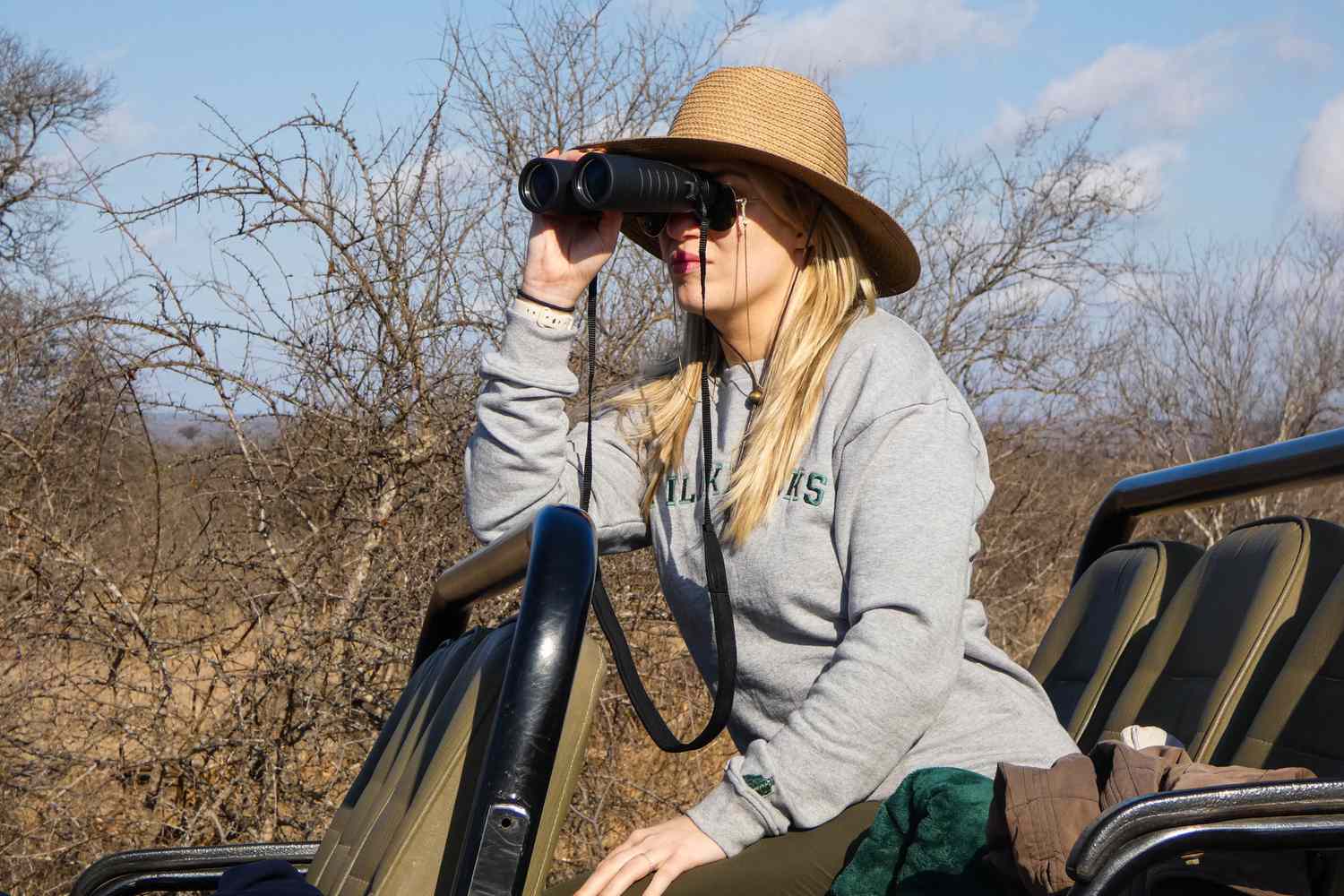
Finally, don't forget binoculars. They are as important as your camera. A good pair of binoculars, such as an 8x42 or 10x42 configuration, will transform your game viewing experience, allowing you to spot distant birds or see the subtle details of a leopard's coat. For more expert advice on camera gear, consult with our safari operators who can connect you with photography-focused operators.
Building a Comprehensive Safari First-Aid Kit
A well-stocked first-aid kit is a non-negotiable item. While your guide and lodge will have emergency supplies, having a personal kit for minor issues provides immediate comfort and convenience. Your kit should go beyond basic plasters and include:
- Antiseptic Wipes & Cream: For cleaning and treating minor cuts and scrapes.
- Pain Relievers: Ibuprofen or paracetamol for headaches or muscle soreness.
- Antihistamines: Both oral tablets and a topical cream for insect bites and allergic reactions.
- Blister Treatment: Moleskin or specialized blister plasters are essential, especially if you plan on doing any walking safaris.
- Insect Repellent: Choose a repellent with at least 30% DEET for maximum effectiveness, particularly in malaria-prone areas like the Okavango Delta and Kruger National Park.
- Sun Protection: High-SPF sunscreen (SPF 30-50) and a lip balm with SPF protection are crucial. The African sun is intense, even on overcast days.
- Personal Medications: Bring a sufficient supply of any prescription medications you take, along with a copy of your prescription.
Before your trip, consult your doctor or a travel clinic about necessary vaccinations and malaria prophylaxis. This is particularly important if your itinerary includes destinations in northern Botswana, Zambia, or Zimbabwe. For more health and safety information, see our destination guides.
Navigating Documents, Currency, and Tipping
Proper documentation is critical for a smooth journey. Ensure your passport is valid for at least six months beyond your departure date and has at least two blank pages. Some countries, like South Africa, are very strict about this. Keep both physical and digital copies of your passport, visas, flight itineraries, and travel insurance policy. Store the digital copies in a secure cloud service.
Regarding currency, it's wise to have a mix of US Dollars and local currency. US Dollars are widely accepted for tipping guides and lodge staff across Southern Africa. However, for local markets, shops, and restaurants, you will need local currency such as the South African Rand (ZAR), Botswana Pula (BWP), or Namibian Dollar (NAD). Credit cards (Visa and Mastercard) are accepted in most established lodges and city restaurants, but it's essential to carry cash for gratuities and purchases in more remote areas. Tipping is customary but discretionary; a general guideline is $10-$15 USD per person per day for a guide and $5-$10 USD per person per day for general camp staff.
Need Expert Safari Guidance?
Get expert advisory support from a firm founded by a former safari guide — with real operational knowledge across 9 African countries and full-journey accountability.
Related Planning Guides
Recommended Reading
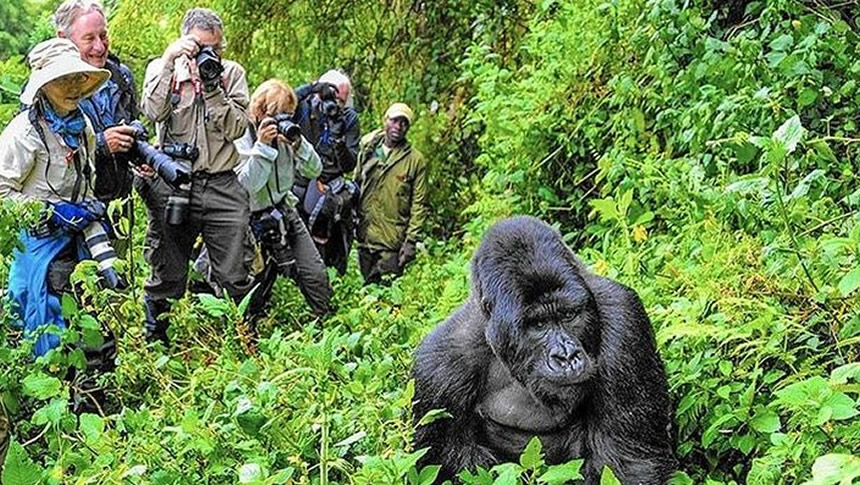 Packing & Preparation
Ultimate Safari Packing List for East Africa
This is a dummy meta description for Ultimate Safari Packing List for East Africa.
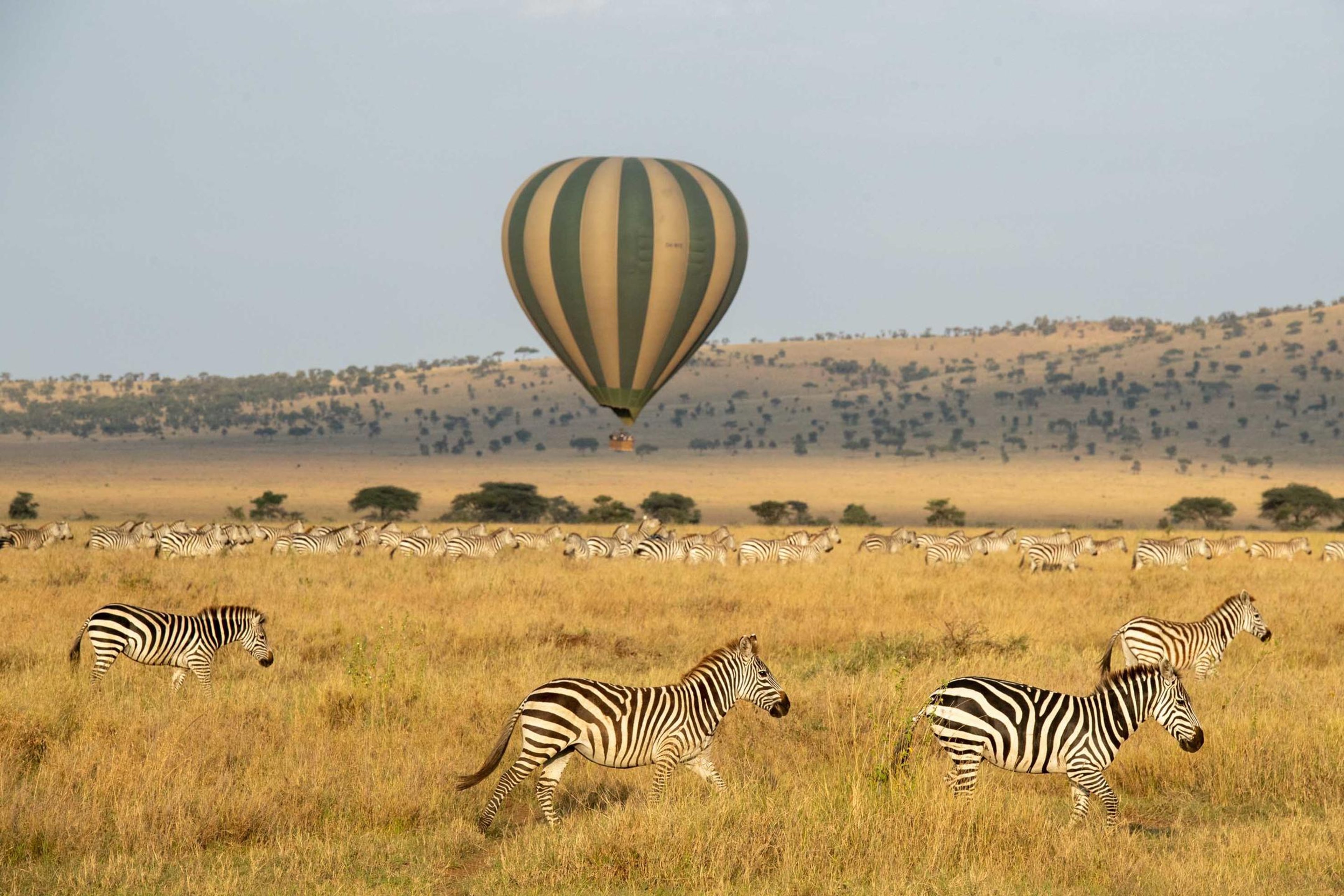 Packing & Preparation
Ultimate Safari Packing List for Gorilla Trekking
This is a dummy meta description for Ultimate Safari Packing List for Gorilla Trekking.
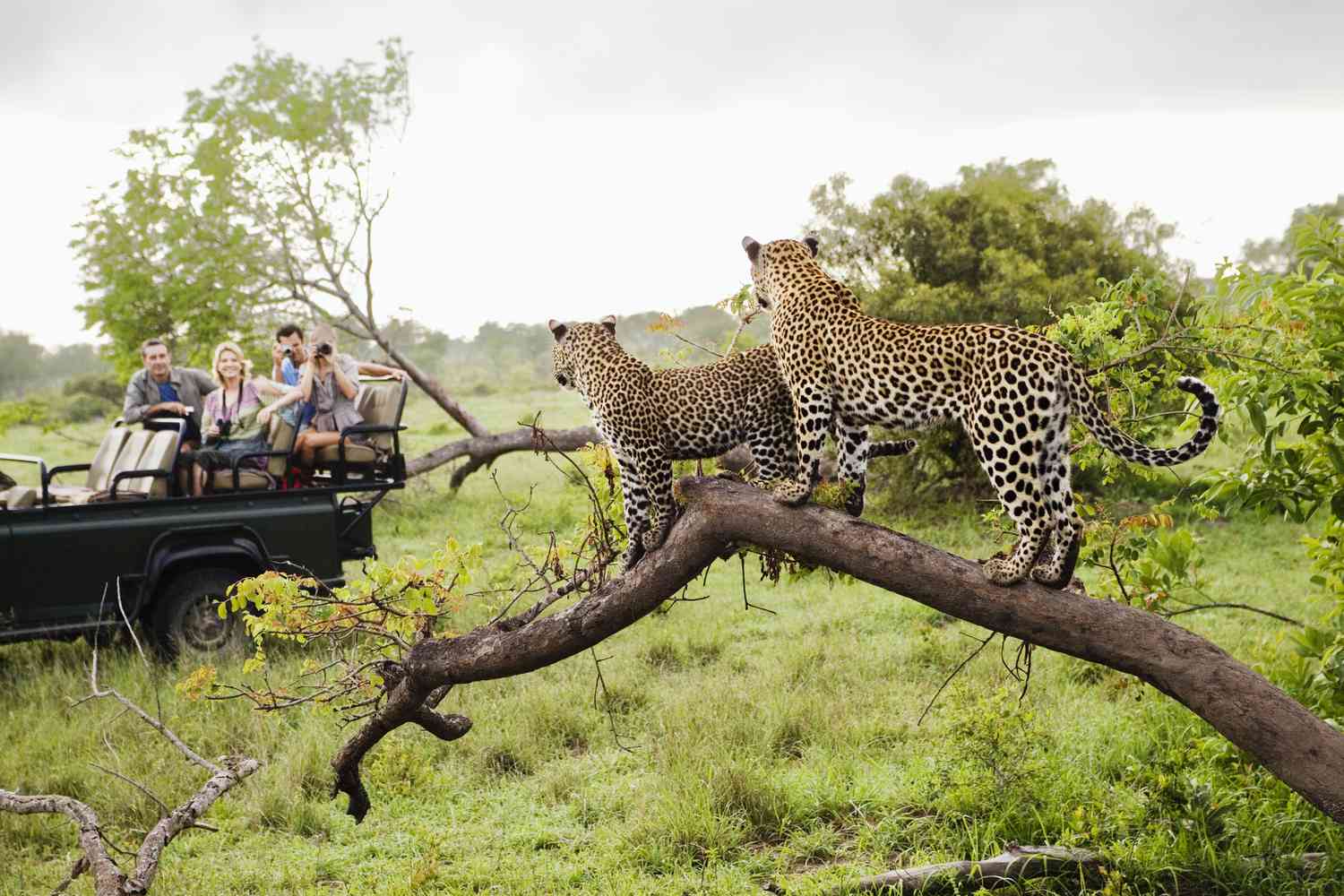 Packing & Preparation
Ultimate Safari Packing List for Walking Safaris
This is a dummy meta description for Ultimate Safari Packing List for Walking Safaris.
 Safari Cost Guides
Safari Cost Comparison East Africa vs Southern Africa
Learn about safari cost comparison east africa vs southern africa in this comprehensive safari guide covering key insights and practical advice.
 Safari Comparison Articles
East Africa vs Southern Africa Safari Comparison
Learn about east africa vs southern africa safari comparison in this comprehensive safari guide covering key insights and practical advice.
 Safari Comparison Articles
Guided Safari vs Self-Drive Safari in South Africa
An in-depth comparison of Guided Safari vs Self-Drive Safari in South Africa to help you choose the perfect safari experience. Explore the pros, cons, and key d