
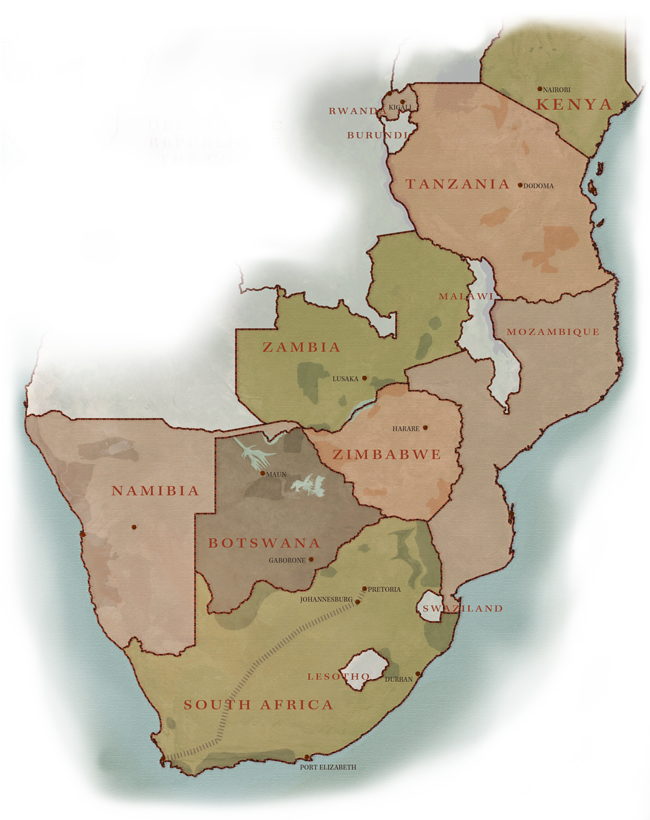
Learn about safari refund policies explained in this comprehensive safari guide covering key insights and practical advice.
Overview
Understanding the financial aspects of safari refund policies explained is essential for planning a safari that delivers exceptional value. Safari costs vary significantly based on destination, season, accommodation level, and the specific activities included. This guide breaks down the key cost factors and provides practical budgeting advice to help you plan wisely.
Detailed Analysis
A thorough analysis of safari refund policies explained reveals nuances that many travelers overlook during initial planning. The safari industry encompasses a wide range of options, from budget-friendly camping safaris to ultra-luxury private conservancy experiences. Each tier offers its own set of advantages and trade-offs. Working with experienced safari operators can help you navigate these options and find the sweet spot that matches your expectations and budget.
Still researching? Let us help.
Our advisory team has planned safaris across 9 African countries. We can turn your research into a real plan.
Talk to an AdvisorPractical Guidance
From a practical standpoint, safari refund policies explained requires attention to both the big picture and the fine details. Start by establishing your priorities and non-negotiables: what experiences are most important to you? What's your realistic budget range? Are there specific wildlife encounters or landscapes you're determined to see? Once you've clarified these fundamentals, use our cost calculator to model different scenarios and our operator directory to identify companies that specialize in your preferred type of experience.
Expert Insights
Leading safari guides and travel professionals agree that safari refund policies explained is an area where knowledge creates meaningful advantages. As the industry evolves and traveler expectations shift, staying informed helps you identify genuine value and avoid common pitfalls. Browse our operator directory to connect with companies that demonstrate transparency, quality, and commitment to responsible tourism.
Planning Your Next Steps
As you continue planning your African safari, keep the insights from safari refund policies explained in mind as valuable reference points. The more thoroughly you understand the various dimensions of safari travel, the better positioned you'll be to create an experience that exceeds your expectations. Explore our destinations, browse the knowledge center, and connect with our safari operators to take the next confident step in your journey.
Done Reading? Let's Build Your Safari.
Skip the guesswork. Work with an advisor who has been on the ground across East and Southern Africa.
Plan With UsDeconstructing Safari Payment Schedules and Refund Timelines
Understanding when and how you'll get a refund is directly tied to your payment schedule. Safari operators structure payments to align with their own non-refundable deposits to lodges, charter flight companies, and park authorities. While specifics vary, a typical payment schedule follows a predictable pattern that impacts potential refunds.
The Deposit: Your initial deposit, typically 20-30% of the total safari cost, is often non-refundable immediately upon booking. This secures your space and allows the operator to make initial confirmations. From the operator's perspective, this covers the administrative costs of building your itinerary and the initial, non-recoverable payments they make on your behalf.
Interim and Final Payments: You will likely have a final payment due 60 to 90 days before your departure date. Some operators may have an interim payment as well. The closer you get to your travel date, the more of your total payment becomes non-refundable.
Here is a common tiered cancellation fee structure:
- 120+ days before departure: Loss of deposit (20-30%).
- 90-119 days before departure: 50% of total cost is non-refundable.
- 60-89 days before departure: 75% of total cost is non-refundable.
- Less than 60 days before departure: 100% of total cost is non-refundable.
> Traveler's Tip: Always mark your calendar with the key payment and cancellation dates provided by your operator. Understanding these deadlines is the first step in protecting your investment. For a detailed breakdown of how these costs add up, explore our safari cost calculator.
The Critical Role of Travel Insurance
While an operator's refund policy is your primary agreement with them, a comprehensive travel insurance policy is your ultimate financial safety net. No traveler anticipates a last-minute emergency, but life is unpredictable. A robust insurance plan protects you from losing your entire investment due to unforeseen circumstances.
When evaluating insurance, look for policies that cover:
- Trip Cancellation & Interruption: This is the most critical component. It reimburses your non-refundable trip costs if you have to cancel or cut your trip short due to a covered reason (e.g., illness, family emergency, job loss).
- Emergency Medical & Evacuation: Medical facilities in remote safari locations are limited. This coverage is essential for covering the high cost of medical treatment and, if necessary, emergency evacuation to a better-equipped hospital.
- Baggage Loss or Delay: Airlines can and do lose luggage. This coverage helps you replace essential items so your trip isn't ruined.
> Expert Insight: Consider a "Cancel for Any Reason" (CFAR) upgrade. While more expensive, a CFAR policy provides the highest level of flexibility, allowing you to cancel for reasons not typically covered by standard policies, such as fear of travel or simply changing your mind. It usually reimburses up to 75% of your non-refundable trip cost.
Navigating "Force Majeure" and Unforeseen Events
The term "Force Majeure" became a household phrase during the COVID-19 pandemic. This legal clause in your contract addresses extraordinary events or circumstances beyond anyone's control, such as natural disasters, pandemics, or political instability. In such cases, operators are often released from their normal refund obligations.
However, how they handle it reveals their character. During the pandemic, the best operators worked tirelessly to offer clients postponements, credits for future travel, or partial refunds where possible. Less reputable companies simply invoked the clause and kept all funds.
This is where working with a trusted partner is invaluable. A quality safari planning guidey firm vets operators not just on their safari experience, but on their financial stability and ethical standards. Our safari operators have navigated these complex situations and can guide you toward partners who have a proven track record of doing the right thing by their clients, even in a crisis.
Real-World Scenarios: Cancellation Case Studies
Let's analyze a few hypothetical situations to see how refund policies and insurance play out in the real world.
Scenario 1: The Medical Emergency A family of four has paid in full for a $40,000 safari to Tanzania, departing in 45 days. Two weeks before the trip, a child is hospitalized and cannot travel.
- Operator Policy: Since the cancellation is within 60 days, the operator's policy states that 100% of the cost is non-refundable.
- Best Outcome: The family has a comprehensive travel insurance policy. They file a claim with documentation from the doctor, and the insurance company reimburses their non-refundable $40,000 trip cost.
Scenario 2: The Border Closure A couple is scheduled to visit Kenya for their honeymoon in 60 days. A month before their trip, unexpected political instability causes the country to close its borders to tourists.
- Operator Policy: This is a classic "Force Majeure" event. The operator is not obligated to provide a cash refund.
- Best Outcome: A high-quality operator will immediately offer a postponement of the trip for up to 24 months at no extra cost. The couple can reschedule their dream honeymoon for the following year, preserving their investment. This is a key reason to plan your safari with a vetted operator.
Scenario 3: A Change of Heart A traveler books a solo safari to Botswana a year in advance. Six months later, they decide they'd rather go to South America instead.
- Operator Policy: The cancellation is well outside the 120-day window. The operator will likely refund all payments made, except for the non-refundable 25% deposit.
- Best Outcome with CFAR: If the traveler had a "Cancel for Any Reason" insurance policy, they could file a claim to recover a significant portion (usually 75%) of their lost deposit. Without it, the deposit is forfeited as per the operator's terms.
Understanding these policies is a fundamental part of responsible safari planning. For more in-depth guides on everything from packing lists to choosing the right destinations, be sure to explore our knowledge center.
Need Expert Safari Guidance?
Get expert advisory support from a firm founded by a former safari guide — with real operational knowledge across 9 African countries and full-journey accountability.
Related Planning Guides
Recommended Reading
 Safari Cost Guides
Safari Cancellation Policies Explained
Learn about safari cancellation policies explained in this comprehensive safari guide covering key insights and practical advice.
 Safari Operator Articles
Safari Operator Refund Policies Compared
Learn about safari operator refund policies compared and how it can impact your safari experience. Get expert advice and start planning your dream safari today.
 Safari Cost Guides
Safari Transfer Costs Explained
Planning a safari? Learn about safari transfer costs explained. Get expert advice and insights from Safari Intelligence to plan your perfect trip.
 Safari Cost Guides
Safari Travel Insurance Costs Explained
Planning a safari? Learn about safari travel insurance costs explained. Get expert advice and insights from Safari Intelligence to plan your perfect trip.
 Safari Costs
Safari Pricing Explained
Understand what drives African safari prices. This guide explains the key factors that determine safari costs, from accommodation and season to destination.
 Safari Costs
Safari Park Fees Explained
Understand safari park fees and how they contribute to conservation. This guide explains park entry costs in Africa, helping you budget for your safari.