
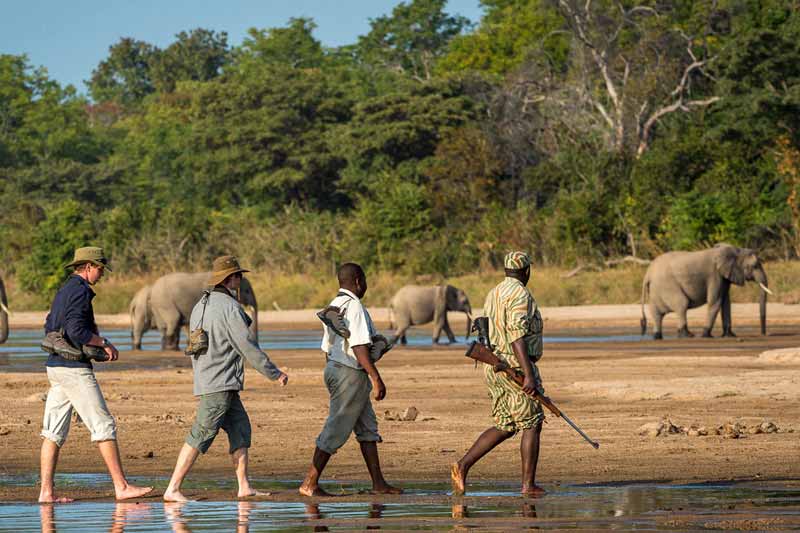
Learn about safari pharmacy and medication access in this comprehensive safari guide.
Introduction
Exploring safari pharmacy and medication access reveals the depth and complexity of African safari travel. Whether you're drawn to the vast savannas of East Africa or the lush waterways of Southern Africa, this knowledge will serve you well throughout your journey.
Key Details and Considerations
Delving deeper into safari pharmacy and medication access, travelers discover that Africa's safari industry has evolved significantly over the past decades. Modern safari experiences combine traditional wilderness exploration with contemporary comfort and conservation awareness. The key is finding the right balance for your travel style and budget, which our cost calculator can help you determine.
Still researching? Let us help.
Our advisory team has planned safaris across 9 African countries. We can turn your research into a real plan.
Talk to an AdvisorPractical Advice
Putting your knowledge of safari pharmacy and medication access into practice requires a systematic approach. Begin by defining your priorities and non-negotiables, then research destinations and operators that align with your vision. Our operator directory features thousands of safari companies across 17 African countries. Compare options carefully, read reviews, and don't hesitate to ask detailed questions before committing to a booking.
Expert Insights
Industry experts emphasize that safari pharmacy and medication access continues to evolve as safari tourism grows and adapts to new challenges. Conservation-focused tourism, community engagement, and sustainable practices are increasingly important considerations for discerning travelers. By choosing operators who prioritize these values, you contribute to the long-term preservation of Africa's wild places. Browse our operator directory to find companies committed to responsible tourism.
Planning Your Next Steps
To wrap up, mastering safari pharmacy and medication access is an investment that pays dividends throughout your safari journey. The more you understand about Africa's diverse ecosystems, wildlife, and tourism infrastructure, the better equipped you'll be to make decisions that lead to extraordinary experiences. Start your planning journey with our comprehensive knowledge center and connect with our team of experienced safari operators for personalized guidance.
Done Reading? Let's Build Your Safari.
Skip the guesswork. Work with an advisor who has been on the ground across East and Southern Africa.
Plan With UsEssential Over-the-Counter Medications for Your Safari Kit
While your safari lodge or camp will have a basic first-aid kit, it is highly recommended that you carry a personal supply of over-the-counter (OTC) medications. This ensures you have immediate access to familiar remedies for minor ailments, preventing any disruption to your safari experience. When packing, consider including the following items, tailored to the specific conditions you might encounter in the African bush.
- Pain and Fever Relief: Acetaminophen (Tylenol) or Ibuprofen (Advil, Motrin) are essential for headaches, muscle soreness from bumpy game drives, or mild fevers.
- Antihistamines: Useful for allergic reactions to insect bites, dust, or pollen. Non-drowsy formulas like Cetirizine (Zyrtec) or Loratadine (Claritin) are ideal for daytime use. Having a topical hydrocortisone cream is also wise for soothing itchy bites.
- Gastrointestinal Remedies: Changes in diet and water can sometimes lead to an upset stomach. Pack anti-diarrhea medication like Loperamide (Imodium) and a gentle laxative. Rehydration salts are also crucial to have on hand in case of dehydration from diarrhea or vomiting.
- Motion Sickness Medication: If you are prone to motion sickness, especially during small aircraft flights between camps or on bumpy roads, medication like Dimenhydrinate (Dramamine) is a must.
- Antiseptic Wipes and Band-Aids: For minor cuts and scrapes, which can easily happen when getting in and out of safari vehicles or on walking safaris.
- Eye Drops: The dry, dusty conditions on game drives can irritate your eyes. A small bottle of lubricating eye drops can provide significant relief.
> Traveler's Tip: Pack your medical kit in your carry-on luggage, never in your checked bags. This ensures you have it with you in case of luggage delays and that temperature-sensitive items are not exposed to extreme heat or cold in the cargo hold.
Traveling with Prescription Medications: A Step-by-Step Guide
Traveling with prescription medication requires careful planning to ensure you comply with local regulations and have an uninterrupted supply. Start this process at least two months before your departure.
- Consult Your Doctor: Discuss your travel plans with your physician. Obtain a letter on official letterhead that lists your prescribed medications (using their generic names), the medical condition they treat, and the prescribed dosage. This documentation is crucial for customs officials.
- Carry Sufficient Supply: Bring enough medication for the entire duration of your trip, plus extra to cover any potential travel delays. It is often difficult, and sometimes impossible, to get a specific prescription refilled in Africa.
- Keep Medications in Original Containers: All prescription drugs should be kept in their original, clearly labeled containers. This helps with identification by customs and avoids any suspicion of misuse.
- Check Airline and Country Regulations: Some medications, particularly controlled substances, may have restrictions. Check with the embassies of the countries you will be visiting and the airline you are flying with to ensure your medications are permitted.
Our safari operators can provide guidance on the specific regulations for your chosen destinations, helping you navigate this important step in your safari planning.
Accessing Pharmacies in Major Safari Hubs
Should you need to purchase medication or see a pharmacist, major safari hubs like Nairobi (Kenya), Arusha (Tanzania), and Johannesburg (South Africa) have well-stocked, reputable pharmacies. These establishments are typically located in shopping centers or near major hospitals and are staffed by qualified professionals.
In Nairobi, for example, you will find chains like Goodlife Pharmacy, which are comparable to Western pharmacies. In Arusha, several reliable pharmacies are located in the city center. However, once you leave these urban centers for the bush, your access to pharmacies will become extremely limited or non-existent. This is why front-loading your preparation and packing everything you need is so critical.
> Expert Insight: Be cautious of counterfeit medications, which can be a problem in some parts of Africa. Always purchase from reputable, established pharmacies. Avoid street vendors or small, unofficial-looking shops. Your safari operator or hotel concierge can direct you to a trustworthy pharmacy.
Medical Facilities in Remote Safari Areas
While on safari in remote locations like the Serengeti or the Okavango Delta, medical facilities are basic and intended for emergencies. Most high-end safari camps and lodges have a staff member trained in first aid and a direct line of communication to medical services. For serious emergencies, this typically involves the Flying Doctors service.
The Flying Doctors: Organizations like AMREF Flying Doctors provide air ambulance services to evacuate patients from remote areas to well-equipped hospitals in major cities. Membership or travel insurance that includes medical evacuation coverage is essential for any safari. This is not a corner to cut; the peace of mind it provides is invaluable. Our plan your safari guide includes more information on selecting the right travel insurance.
Understanding the cost of your safari is important, and our cost calculator can help you budget. However, the cost of not having proper medical evacuation insurance can be astronomical. For minor issues, your camp manager and guide are your first point of contact. They have experience with common bush ailments and can provide immediate assistance or advice.
Need Expert Safari Guidance?
Get expert advisory support from a firm founded by a former safari guide — with real operational knowledge across 9 African countries and full-journey accountability.
Related Planning Guides
Recommended Reading
 Travel Logistics
Safari Travel Money and ATM Access
Navigating safari travel money can be complex. Our guide covers everything from ATM access in remote areas to currency exchange and carrying cash safely.
 Travel Logistics
Safari Accessible Room Options
A disability shouldn\
 Packing & Preparation
Safari Medication and Prescription Guide
Learn all about Safari Medication and Prescription Guide in this comprehensive guide.
 Safari Comparison Articles
Big Five Safari vs Big Cat Safari
An in-depth comparison of Big Five Safari vs Big Cat Safari to help you choose the perfect safari experience. Explore the pros, cons, and key differences to mak
 Safari Planning Guides
How to Plan a Safari for Big Cat Viewing
Learn about how to plan a safari for big cat viewing in this comprehensive safari guide covering key insights and practical advice.
 Destination Guides
Mikumi National Park: An Accessible Safari
Discover Mikumi National Park, an accessible and affordable safari destination in Tanzania. Learn about its wildlife, activities, and when to visit.