
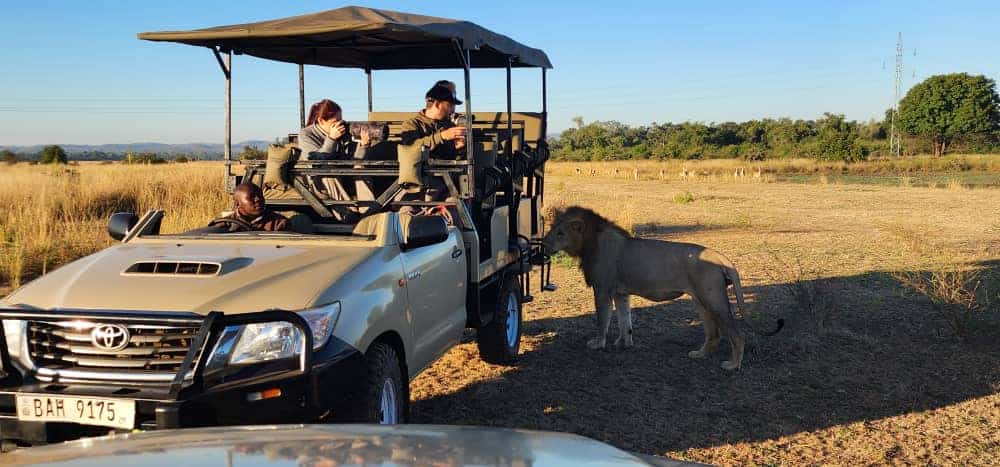
Charter flights offer flexibility and convenience, but they also have luggage restrictions. Learn what you need to know before you book a charter flight for your safari.
The Convenience of Charter Flights
Charter flights are a popular option for safari-goers who want to maximize their time in the bush and avoid long drives between destinations. A charter flight can take you directly from one remote airstrip to another, giving you more time to enjoy the wildlife and scenery. However, like light aircraft, charter flights have strict luggage restrictions that you need to be aware of. Our safari operators can provide you with the specific luggage allowance for your charter flight.
Understanding Charter Flight Luggage Restrictions
The luggage restrictions for charter flights are similar to those for light aircraft. The weight limit is typically between 15 and 20 kilograms (33 to 44 pounds) per person, and soft-sided bags are mandatory. This is because the luggage is stored in a small, irregularly shaped compartment, and hard-sided suitcases simply will not fit. For more information on packing for a safari, visit our knowledge center.
Still researching? Let us help.
Our advisory team has planned safaris across 9 African countries. We can turn your research into a real plan.
Talk to an AdvisorMaking the Most of Your Luggage Allowance
When packing for a charter flight safari, it's all about being strategic. Choose versatile clothing that can be mixed and matched, and take advantage of the laundry services offered at most lodges. It's also a good idea to pack your essential items, such as medication and a change of clothes, in your carry-on bag. For a detailed packing list and other travel tips, explore our destinations page. To help you budget for your safari, including the cost of charter flights, use our cost calculator.
A Case Study: The Hard-Shell Suitcase Dilemma
To illustrate the importance of these rules, consider the experience of a recent traveler to Tanzania. The traveler, an avid photographer, arrived at Arusha Airport for a charter flight to a remote camp in the Serengeti. Despite being advised to use a soft-sided duffel, he brought a rigid, hard-shell suitcase to protect his camera gear.
Upon check-in with the charter airline, the ground crew immediately identified the bag as non-compliant. The aircraft’s luggage pod was simply not designed to accommodate inflexible baggage. The traveler was faced with a difficult choice: leave the suitcase behind in Arusha (and risk damaging his expensive equipment by repacking it loosely) or pay a significant last-minute fee to have the bag transported by road, a journey that would take over a day. He chose the latter, resulting in an unexpected expense of over $200 and the inconvenience of being without his primary luggage for the first two days of his safari. This scenario highlights a critical reality of bush flying: the rules are in place for logistical and safety reasons, and exceptions are rarely possible.
Practical Tips for Popular Safari Airlines
While the 15kg (33 lbs) limit in a soft-sided bag is a golden rule, specifics can vary slightly between the most popular regional airlines that handle the bulk of safari air travel.
For instance, SafariLink, which operates extensively across Kenya, strictly enforces the 15kg limit, including both checked luggage and hand-carry items. They offer secure storage facilities in Nairobi for excess luggage at a nominal fee, which is a reliable option for travelers connecting to a beach holiday in Zanzibar or Diani afterward.
Similarly, Coastal Aviation in Tanzania, known for connecting the vast Serengeti with southern parks like Ruaha and Nyerere National Park, also adheres to the 15kg soft-bag policy. It's crucial to note that for both airlines, the dimensions of the bag also matter, often needing to be around 60-70cm (24-27 inches) in length. For photographers, this means packing camera bodies and lenses in a smaller, flexible camera bag or insert that can be placed inside the main duffel.
Done Reading? Let's Build Your Safari.
Skip the guesswork. Work with an advisor who has been on the ground across East and Southern Africa.
Plan With UsBeyond the Baggage Pod: Weight, Balance, and Bush Airstrip Safety
While the irregular shape of a charter aircraft’s luggage pod is the most cited reason for soft-sided bag requirements, the underlying issue is far more critical: aircraft safety. Light aircraft, such as the Cessna Grand Caravan or de Havilland Twin Otter commonly used for safari transfers, have a precise maximum takeoff weight (MTOW). This weight is calculated meticulously by the pilot before every single flight, taking into account the passengers, fuel, and all luggage. Exceeding the MTOW can dangerously affect the aircraft's ability to climb, its stability in the air, and its landing distance.
Furthermore, the distribution of weight (the 'weight and balance') is just as important. Luggage is strategically placed to ensure the aircraft's center of gravity is within a safe range. Hard-shell cases, being rigid and of a fixed shape, cannot be maneuvered into tight spaces to achieve this balance. Soft duffel bags, however, can be compressed and adjusted to fit, ensuring the aircraft remains stable and safe to fly. This is especially vital when operating from the short, unpaved, and often challenging airstrips found in remote parks like Botswana's Okavango Delta or Tanzania's Selous Game Reserve. The pilot’s ability to manage weight and balance directly impacts the safety of everyone on board, making the luggage rules a non-negotiable aspect of bush flying.
Regional Charter Airline Luggage Policy Comparison
Navigating the specific policies of different regional airlines is key to a smooth journey. While the 15kg soft-bag rule is the standard, minor variations exist. The table below provides a quick reference for the primary charter airlines in East and Southern Africa. For complex itineraries, our safari operators can confirm the exact requirements for each leg of your journey.
| Airline | Primary Country | Standard Allowance (inc. hand luggage) | Bag Type | Key Considerations | |-------------------|-----------------|----------------------------------------|---------------|---------------------------------------------------------------------------------------------------------------------| | SafariLink | Kenya | 15 kg (33 lbs) | Soft-sided | Strict enforcement. Offers reliable luggage storage in Nairobi. Ideal for travelers combining a safari with a beach trip. | | AirKenya | Kenya | 15 kg (33 lbs) | Soft-sided | Similar to SafariLink. Serves major parks like the Maasai Mara, Amboseli, and Samburu from Wilson Airport. | | Coastal Aviation| Tanzania | 15 kg (33 lbs) | Soft-sided | Extensive network across the Serengeti and southern parks. Bag dimensions are often checked (approx. 25x30x62 cm). | | Auric Air | Tanzania | 15 kg (33 lbs) | Soft-sided | Another major Tanzanian operator. They may offer a 'freight seat' for excess luggage at the cost of an extra passenger. | | Mack Air | Botswana | 20 kg (44 lbs) | Soft-sided | More generous allowance reflects the logistics of the Okavango Delta. Still strictly soft bags only. | | Scenic Air | Namibia | 20 kg (44 lbs) | Soft-sided | Services remote destinations like the Skeleton Coast and Kaokoland. Weight limits are critical due to vast distances. |
Solutions for Excess and Specialized Luggage
What if your luggage is unavoidably over the limit? This is a common concern for professional photographers or travelers on extended, multi-country itineraries. Fortunately, there are practical solutions:
- Book a Freight Seat: Most charter airlines, including Auric Air in Tanzania, allow you to purchase an additional seat on the aircraft specifically for your luggage. This typically grants you an extra 75kg (165 lbs) of allowance, which is more than enough for heavy camera equipment or bulky bags. While it comes at the cost of a full passenger fare, it provides peace of mind and is the most secure way to transport sensitive gear. This must be arranged well in advance.
- Utilize Luggage Storage: As mentioned, airlines like SafariLink offer secure storage at their hub at Wilson Airport, Nairobi. This is perfect if you are returning to the same city after your safari. You can leave your large suitcase with city clothes or beachwear and just take your safari-essentials in a compliant duffel bag. Similar services are available at major international airports like Jomo Kenyatta International Airport (NBO) and Julius Nyerere International Airport (DAR).
- Road Transfers: For non-essential items, a road transfer can be arranged. This involves having your excess luggage driven to your final lodge or your departure airport. While it is a viable option, it is the least reliable. Road conditions in remote areas can be unpredictable, and delays are common. This option is best for items you will not need for the last few days of your trip. Our team in the operator directory can help coordinate this with trusted ground handlers.
Need Expert Safari Guidance?
Get expert advisory support from a firm founded by a former safari guide — with real operational knowledge across 9 African countries and full-journey accountability.
Related Planning Guides
Recommended Reading
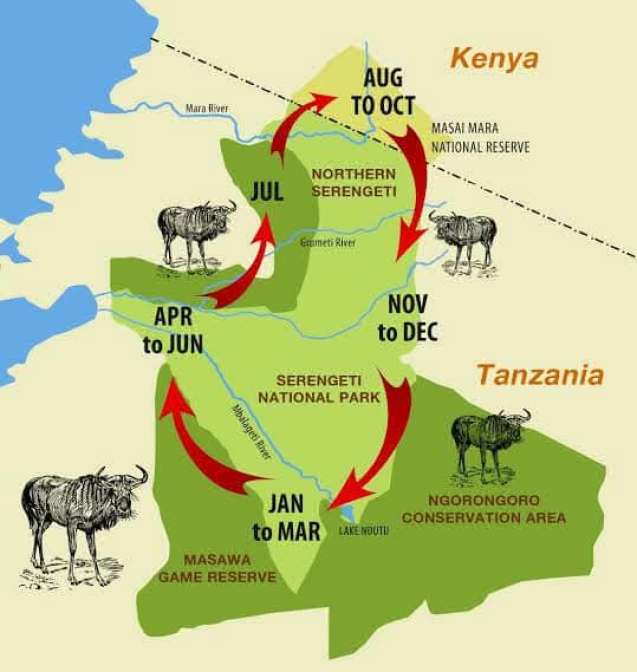 Travel Logistics
Safari Luggage Restrictions for Light Aircraft
Flying on a small bush plane is a quintessential safari experience. Our guide to luggage restrictions for light aircraft will help you pack smart and avoid any issues.
 Travel Logistics
Safari Charter Flight Options Explained
Learn about safari charter flight options explained and how it can impact your safari experience. Get expert advice and start planning your dream safari today.
 Advanced Safari Planning
Safari Charter Flights
Discover how safari charter flights can elevate your African safari. This guide explains the benefits, costs, and logistics of using bush planes to save time.
 Packing & Preparation
Safari Luggage Weight Restrictions
Learn all about Safari Luggage Weight Restrictions in this comprehensive guide.
 Family Safaris
Safari Age Restrictions Explained
Planning a family safari? Our guide to safari age restrictions explains the rules for game drives, walking safaris, and gorilla trekking in Africa.
 Travel Logistics
Safari Luggage Storage Options
Don\