
A guide to staying healthy and safe on a Botswana safari, from malaria prevention and vaccinations to wildlife encounters and personal security.
Health Precautions for Botswana
Before traveling to Botswana, it is essential to consult with a travel doctor to discuss necessary vaccinations and health precautions. While no vaccinations are required for entry from most countries, it is advisable to be up-to-date on routine shots. Malaria is a risk in the northern parts of Botswana, including the Okavango Delta and Chobe National Park, so anti-malarial medication is highly recommended. For more detailed health information, our knowledge center is an excellent resource.
Water, Food, and Sun Safety
In Botswana, it is recommended to drink bottled or purified water. Most safari camps and lodges provide safe drinking water. Be cautious with food, especially from street vendors, and ensure it is well-cooked. The sun in Botswana can be very strong, so it is important to use a high-SPF sunscreen, wear a hat, and drink plenty of water to stay hydrated. Our safari operators can provide information on lodges and camps that adhere to high health and safety standards.
Still researching? Let us help.
Our advisory team has planned safaris across 9 African countries. We can turn your research into a real plan.
Talk to an AdvisorWildlife and Personal Security
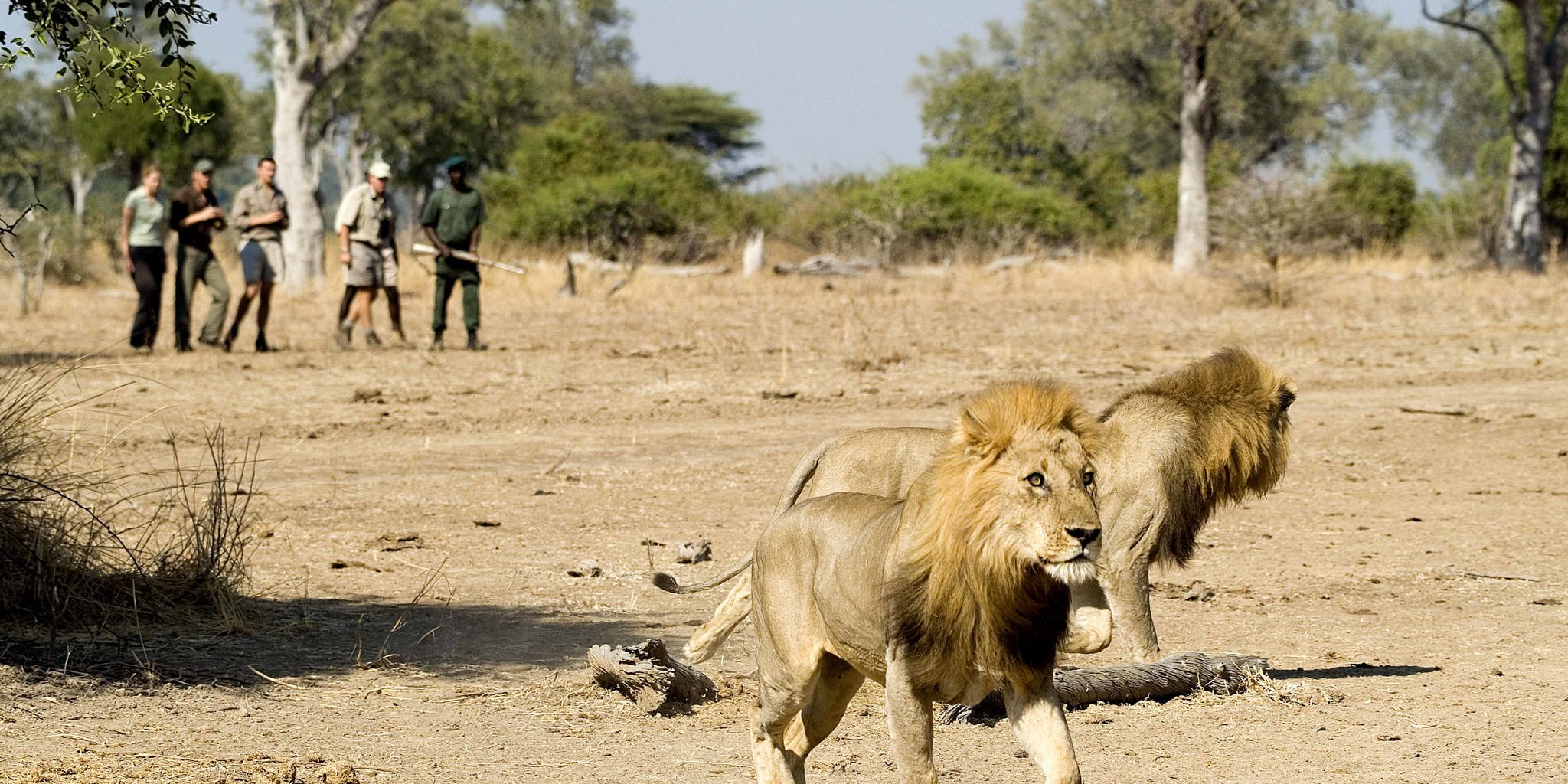
Botswana is renowned for its unfenced wilderness areas, which means wildlife can roam freely. Always listen to your guide's instructions and maintain a safe distance from animals. Never get out of your vehicle unless in a designated safe area. While Botswana is generally a safe country, it is wise to take precautions in urban areas. Avoid walking alone at night and keep your valuables secure. To learn more about the incredible safari destinations in Botswana, visit our destinations page.
Medical Evacuation and Travel Insurance
A crucial aspect of safari safety in Botswana is securing comprehensive travel insurance that includes robust medical evacuation coverage. Botswana's most iconic safari destinations, such as the Okavango Delta and the Moremi Game Reserve, are exceptionally remote and often accessible only by small aircraft. In the event of a serious injury or sudden illness, ground transportation to a capable hospital is simply not an option. This is where services like Okavango Air Rescue become indispensable. For a relatively small fee (often included by operators or available for direct purchase), this service guarantees that a medically equipped helicopter or plane can be dispatched to your location. They provide critical stabilization and transport to a proper medical facility in Maun or, for more complex cases, to advanced hospitals in Johannesburg, South Africa.
Consider this scenario: a traveler on a guided walk deep within a private concession in the Okavango Delta is bitten by a venomous snake. The guide administers immediate first aid, but the situation requires urgent anti-venom and hospital care. With medical evacuation coverage, the camp manager can make an emergency call via satellite phone. Within hours, a helicopter with a paramedic arrives to stabilize the patient and fly them directly to a private clinic in Maun. Without this coverage, the outcome could be tragic, and the logistical and financial burden would be immense.
Navigating Botswana: Road Safety and Self-Driving
While many visitors fly between camps, Botswana is also a premier destination for self-driving safaris, especially in accessible areas like Chobe National Park's riverfront or the Makgadikgadi Pans. If you plan to self-drive, renting a fully-equipped 4x4 vehicle is non-negotiable. You must be proficient in handling deep sand, muddy tracks, and water crossings. Essential skills include changing a tire in soft sand and operating recovery equipment like a high-lift jack. Roads within the parks are often un-signposted, sandy tracks. It is imperative to avoid driving after sunset. Wildlife, from elephants to hyenas, are highly active at night and often cross roads, creating extreme danger. Always carry at least two spare tires, extra fuel, and plenty of water. A satellite phone is a mandatory safety item, as cellular service is unavailable in almost all wilderness areas.
Done Reading? Let's Build Your Safari.
Skip the guesswork. Work with an advisor who has been on the ground across East and Southern Africa.
Plan With UsDeeper Dive into Environmental Health Risks
While malaria is the most discussed health concern, travelers should also be aware of other environmental risks. In wooded areas of northern Botswana, particularly around the Kwando-Linyanti river systems and parts of Chobe National Park, the tsetse fly is present. These flies can transmit African Trypanosomiasis, or sleeping sickness. While the risk for tourists is extremely low, their bite is painful. To minimize exposure, it's advisable to wear neutral-colored clothing (avoiding blue and black, which attract the flies) and use insect repellent. Some safari vehicles are fitted with tsetse fly traps, a testament to the proactive measures taken by quality operators.
Another consideration is tick-bite fever, a bacterial infection transmitted by ticks found in the bush. Symptoms can be flu-like, including fever, headache, and muscle soreness, often accompanied by a black mark at the site of the bite. After any walking safari or time spent in long grass, it's crucial to check yourself for ticks. Wearing long trousers tucked into your socks can provide an effective barrier. If you do find a tick, remove it carefully with tweezers and disinfect the area. Should you develop symptoms after returning home, inform your doctor about your travel to Botswana, as this context is vital for a correct diagnosis.
Evaluating Operator and Lodge Safety Standards
The single most important factor for a safe safari is the quality of your chosen operator and their guides. Reputable companies, which you can vet through our operator directory, invest heavily in safety. Their guides undergo rigorous training and certification with bodies like the Botswana Guides Association (BOGA). This training covers not just wildlife identification but advanced first aid, vehicle mechanics, and emergency response protocols.
A top-tier guide, for instance, will know how to read the subtle behavioral cues of an elephant, ensuring the vehicle is positioned for a safe viewing without causing stress to the animal. They are trained to handle vehicle breakdowns in remote locations and are in constant radio contact with their base camp. When choosing an operator, don't hesitate to ask about their guide qualifications and safety procedures.
Lodge safety is equally critical, especially in the unfenced wilderness of the Okavango Delta. Premier camps like Mombo Camp or Vumbura Plains have strict protocols. Guests are always escorted to and from their tents after dark by a guide, as hippos, leopards, or lions can wander through the camp. Tents are equipped with air horns or radios for emergencies. Before your first activity, you will receive a thorough safety briefing on how to coexist with the wildlife that shares the space. These are the non-negotiable standards that define a truly professional and safe safari experience.
Navigating Park-Specific Hazards
Different regions in Botswana present unique safety considerations:
- Okavango Delta: The primary activity here is often on the water. During a mokoro (dugout canoe) excursion, the key is respecting the territory of hippos and crocodiles, the delta's most dangerous inhabitants. Your poler is an expert at reading the water and navigating channels safely. They will maintain a significant distance from any visible hippos and will tap the side of the mokoro to signal your presence, minimizing the chance of a surprise encounter. Never trail your hands in the water and always remain seated.
- Chobe National Park: The riverfront area is famous for having one of the highest concentrations of elephants in Africa. While spectacular, this requires vigilance. On a river cruise, boat operators must not crowd the animals, especially breeding herds with young calves. On a self-drive safari, you must be prepared to give elephants a very wide berth and even turn back if the road is blocked by a large bull or a herd. They are wild animals and their behavior can be unpredictable.
- Makgadikgadi Pans: The danger here is not wildlife but the environment itself. The vast, featureless salt pans can be disorienting, and the heat is extreme. Driving on the pans after the rains requires expert knowledge, as the crust can be deceptively thin, covering deep mud. It is essential to travel with a GPS, at least 10 liters of water per person per day, and to inform someone of your intended route and expected return time. Getting stranded here without adequate supplies is a life-threatening situation.
Need Expert Safari Guidance?
Get expert advisory support from a firm founded by a former safari guide — with real operational knowledge across 9 African countries and full-journey accountability.
Related Planning Guides
Recommended Reading
 Country Guides
Tanzania Safari Health and Safety Overview
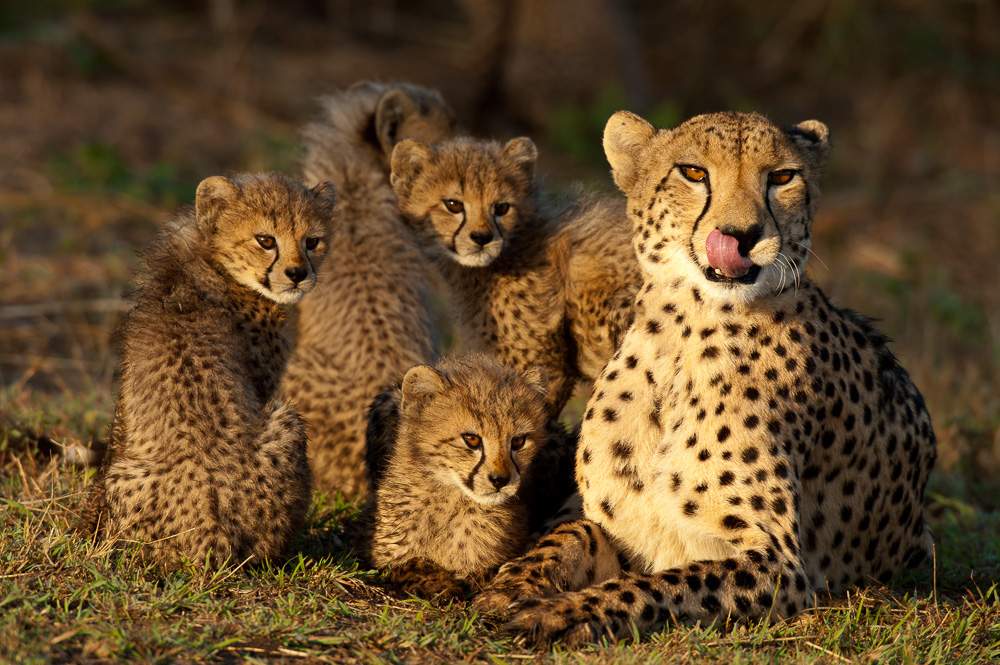
A comprehensive overview of health and safety considerations for a safari in Tanzania, including vaccinations, food and water safety, and wildlife encounters.
 Country Guides
Kenya Safari Health and Safety Overview
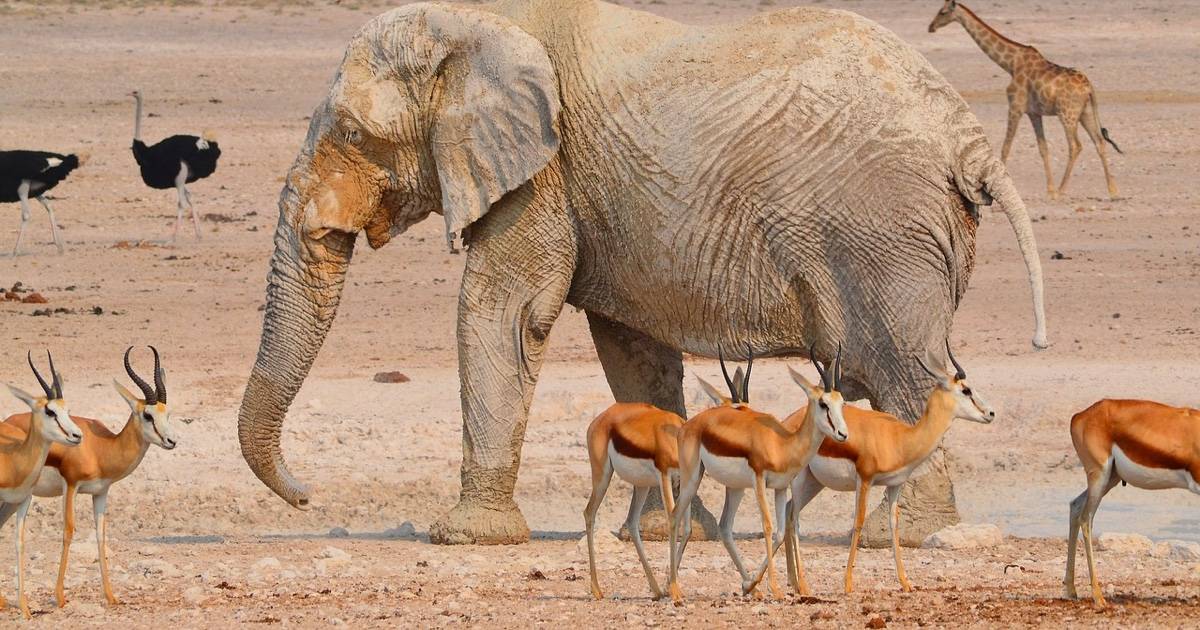
An essential guide to health and safety for a Kenyan safari, covering everything from required vaccinations to wildlife etiquette and personal security.
 Country Guides
South Africa Safari Health and Safety Overview
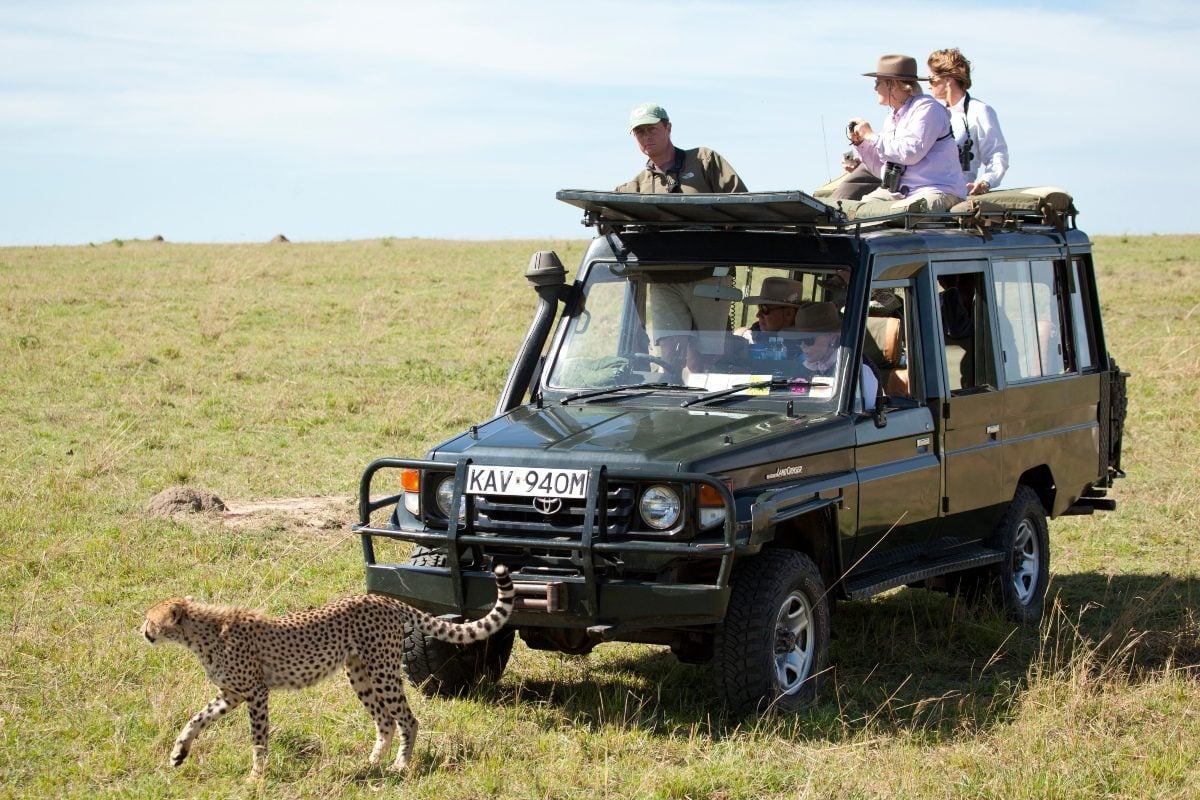
A guide to staying healthy and safe on a South African safari, from malaria prevention and vaccinations to wildlife encounters and personal security.
 Safari Comparison Articles
Guided Safari vs Self-Drive Safari in Botswana
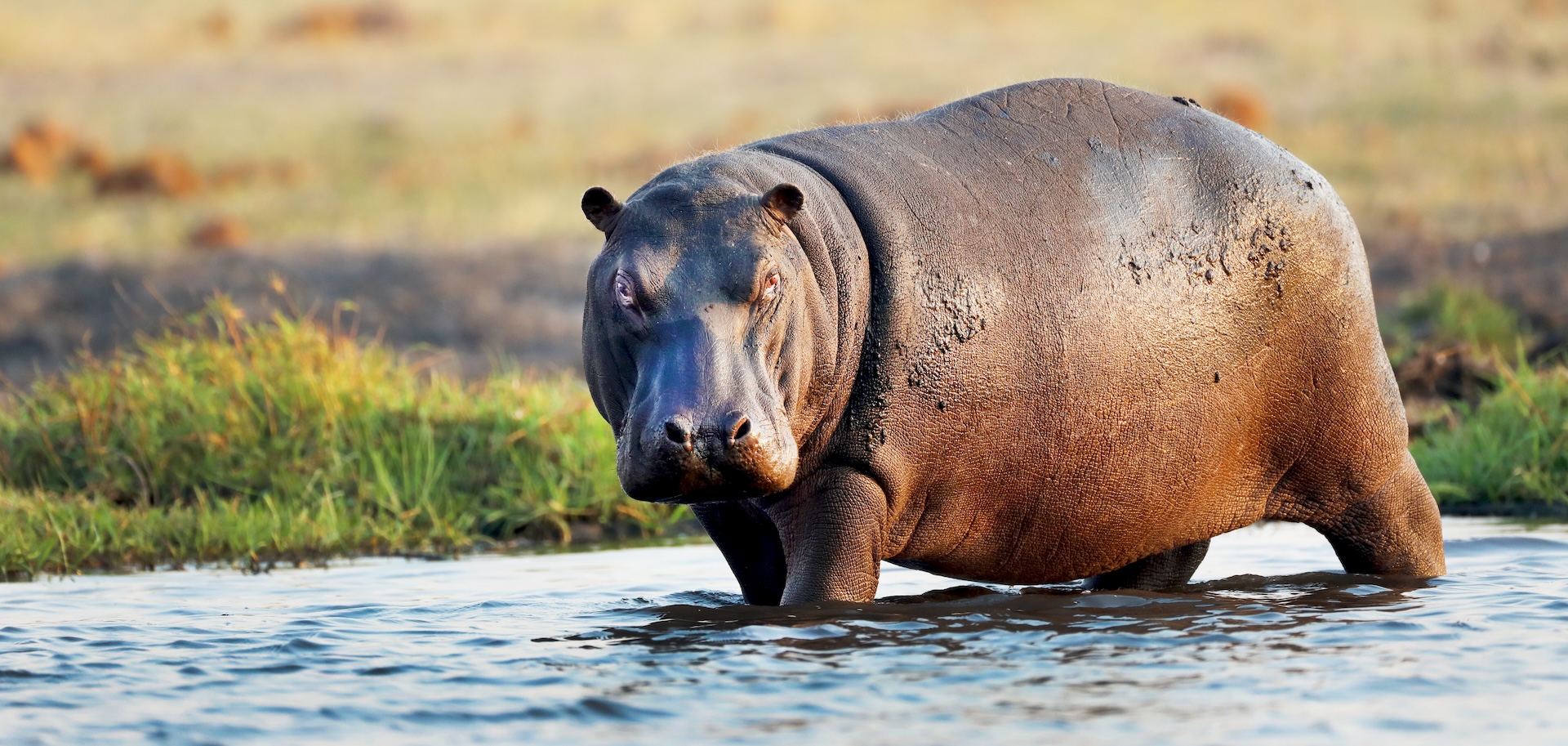
An in-depth comparison of Guided Safari vs Self-Drive Safari in Botswana to help you choose the perfect safari experience. Explore the pros, cons, and key diffe
 Packing & Preparation
Safari Pre-Trip Health Checkup Guide
Learn all about Safari Pre-Trip Health Checkup Guide in this comprehensive guide.
 Safari Safety
Wildlife Safety on Safari
Planning an African safari? Our guide to wildlife safety provides essential tips for staying safe around wild animals, from game drives to walking safaris.