
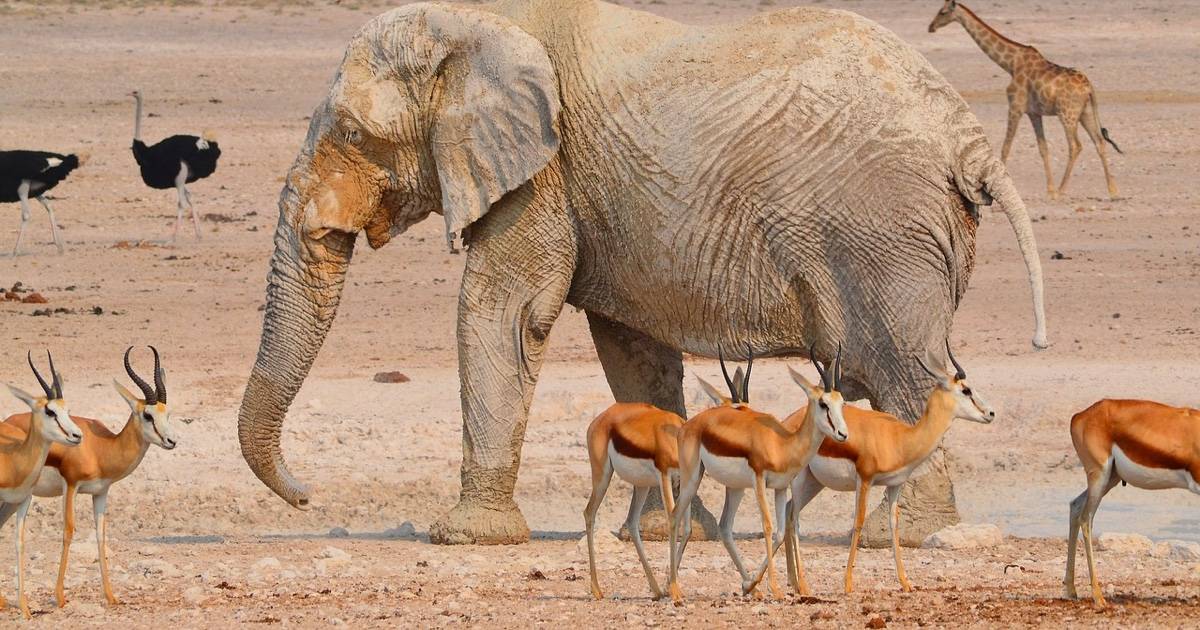
An essential guide to health and safety for a Kenyan safari, covering everything from required vaccinations to wildlife etiquette and personal security.
Pre-Travel Health Preparations
Before embarking on a Kenyan safari, it is vital to consult your doctor to ensure you are up-to-date on all necessary vaccinations. A Yellow Fever vaccination may be required depending on your country of origin. Other recommended vaccinations include Hepatitis A and B, Typhoid, and Tetanus. Malaria is a risk in many parts of Kenya, so anti-malarial medication is strongly advised. For more comprehensive health information, our knowledge center is a valuable resource.
Food, Water, and Sun Protection
To maintain good health during your safari, drink only bottled or purified water and avoid tap water and ice. Be selective about where you eat, and opt for well-cooked meals. Safari lodges and camps generally maintain high standards of food hygiene. The African sun can be intense, so it is essential to use a high-SPF sunscreen, wear a wide-brimmed hat, and stay hydrated throughout the day. Our safari operators can recommend lodges that prioritize guest health and safety.
Still researching? Let us help.
Our advisory team has planned safaris across 9 African countries. We can turn your research into a real plan.
Talk to an AdvisorWildlife Encounters and Park Rules
Kenya's national parks and reserves are home to a spectacular array of wildlife. Always remember that these are wild animals and should be treated with respect. Adhere to your guide's instructions, stay in the vehicle during game drives unless in a designated area, and maintain a safe distance from all animals. In urban areas, be mindful of your personal security. Avoid displaying expensive jewelry or large amounts of cash, and be cautious when walking at night. To explore the diverse safari destinations in Kenya, visit our destinations page.
Navigating Medical Services and Emergencies in Kenya
While major cities like Nairobi have excellent medical facilities, such as The Nairobi Hospital and Aga Khan University Hospital, the same cannot be said for remote safari destinations. In areas like the Maasai Mara or Samburu National Reserve, medical clinics are basic and ill-equipped to handle serious emergencies. This is where a service like the AMREF Flying Doctors becomes indispensable. For a nominal fee, travelers can register for their air ambulance service, which provides emergency medical evacuation from remote bush airstrips to Nairobi's top hospitals. It is a critical safety net that we strongly recommend for all our clients.
Furthermore, comprehensive travel insurance is non-negotiable. Ensure your policy includes high-coverage medical evacuation (at least $200,000 USD), as an air ambulance transfer and subsequent medical treatment can be prohibitively expensive. Before your trip, verify the direct billing arrangements between your insurance provider and Kenyan hospitals to avoid upfront payments.
A Deeper Look at Wildlife Safety
To illustrate the importance of park rules, consider a scenario in Amboseli National Park. You might be fortunate enough to encounter a large breeding herd of elephants. In this situation, your guide will turn off the vehicle's engine and maintain a significant distance. This is because getting too close, making loud noises, or using a flash for photography can be interpreted as a threat by the matriarch, potentially provoking a defensive mock charge. The key is to observe quietly and let the animals dictate the encounter. Never pressure your guide to get closer for a better photo; their primary responsibility is your safety.
Done Reading? Let's Build Your Safari.
Skip the guesswork. Work with an advisor who has been on the ground across East and Southern Africa.
Plan With UsNavigating Kenya by Road: A Guide to Safe Ground Travel
While Kenya offers some of Africa's most rewarding wildlife viewing, ground transportation can present significant safety challenges. Self-driving is strongly discouraged for first-time visitors. Roads can be poorly maintained, signage is often inadequate, and driving standards can be erratic. A journey that appears short on a map, like the 250 km (155-mile) drive from Nairobi to the Maasai Mara, can take over six hours due to rough sections and heavy traffic leaving the capital.
A far safer and more enriching alternative is to travel with a reputable safari operator whose vehicles are specifically outfitted for safari conditions. These 4x4 Land Cruisers or Land Rovers are equipped with long-range radio systems for communication in remote areas and are maintained to a high standard. More importantly, they are driven by experienced local guides who understand the road conditions and potential hazards. For instance, during the rainy seasons (April-May and November), certain tracks in parks like Tsavo East can become impassable black cotton soil. A professional guide knows which routes to avoid and has the mechanical expertise to handle common issues, ensuring your journey is not just safe, but seamless. When booking your trip, ask potential companies about their vehicle maintenance schedule and driver training programs. Our operator directory lists providers with proven safety records.
Beyond Malaria: Other Environmental Health Risks
While malaria prevention is paramount, travelers should be aware of other localized health risks. Tsetse flies, carriers of African Trypanosomiasis (sleeping sickness), are found in certain woodland areas, particularly in parts of Tsavo West National Park and the Shimba Hills National Reserve. These large, day-biting flies are attracted to dark, moving objects. To minimize risk, wear neutral-colored clothing (khaki, beige, or green) and avoid blue or black, as these colors are known to attract them. While the risk of contracting sleeping sickness is very low for tourists, the bites can be painful and cause a significant allergic reaction.
Tick-bite fever, a bacterial infection transmitted by ticks, is another concern, especially for those engaging in walking safaris or hiking. After any walking activities in grassy or wooded areas, it is crucial to check yourself thoroughly for ticks. Pay close attention to your scalp, ankles, and behind the knees. If you find a tick, remove it carefully with tweezers, ensuring the head is not left behind. Symptoms can include fever, headache, and a characteristic black mark at the site of the bite. Early treatment with antibiotics is highly effective.
Personal Security: Contrasting Urban and Safari Environments
It is important to distinguish between the security environment in major cities and that of the safari circuit. In Nairobi, exercising a high degree of caution is necessary. Petty crime, such as pickpocketing and snatch-and-run theft, can occur in crowded areas. It is advisable to use ride-hailing apps like Uber or Bolt rather than hailing taxis on the street. Avoid displaying expensive electronics or jewelry, and only carry a small amount of cash. When dining out in the evening, choose reputable establishments and arrange for transportation directly from your hotel.
In contrast, the environment within safari lodges and camps is generally very secure. These properties are often located in remote private conservancies or within national parks, with controlled access and dedicated security staff. Once you arrive at your safari destination, your primary guardian is your guide and the lodge team. The main security focus shifts from human threats to wildlife safety, where following the rules and listening to expert advice is the key to a safe and memorable experience. For personalized advice on planning a secure itinerary, our safari operators are available for consultation.
Need Expert Safari Guidance?
Get expert advisory support from a firm founded by a former safari guide — with real operational knowledge across 9 African countries and full-journey accountability.
Related Planning Guides
Recommended Reading
 Country Guides
Tanzania Safari Health and Safety Overview
A comprehensive overview of health and safety considerations for a safari in Tanzania, including vaccinations, food and water safety, and wildlife encounters.
 Country Guides
Botswana Safari Health and Safety Overview
A guide to staying healthy and safe on a Botswana safari, from malaria prevention and vaccinations to wildlife encounters and personal security.
 Country Guides
South Africa Safari Health and Safety Overview
A guide to staying healthy and safe on a South African safari, from malaria prevention and vaccinations to wildlife encounters and personal security.
 Safari Safety
Wildlife Safety on Safari
Planning an African safari? Our guide to wildlife safety provides essential tips for staying safe around wild animals, from game drives to walking safaris.
Packing & PreparationSafari Pre-Trip Health Checkup Guide
Learn all about Safari Pre-Trip Health Checkup Guide in this comprehensive guide.
 Safari Safety
Safari Safety Tips for First-Time Visitors
Planning your first African safari? Our expert guide provides essential safari safety tips for a worry-free adventure, from wildlife encounters to health advice.