
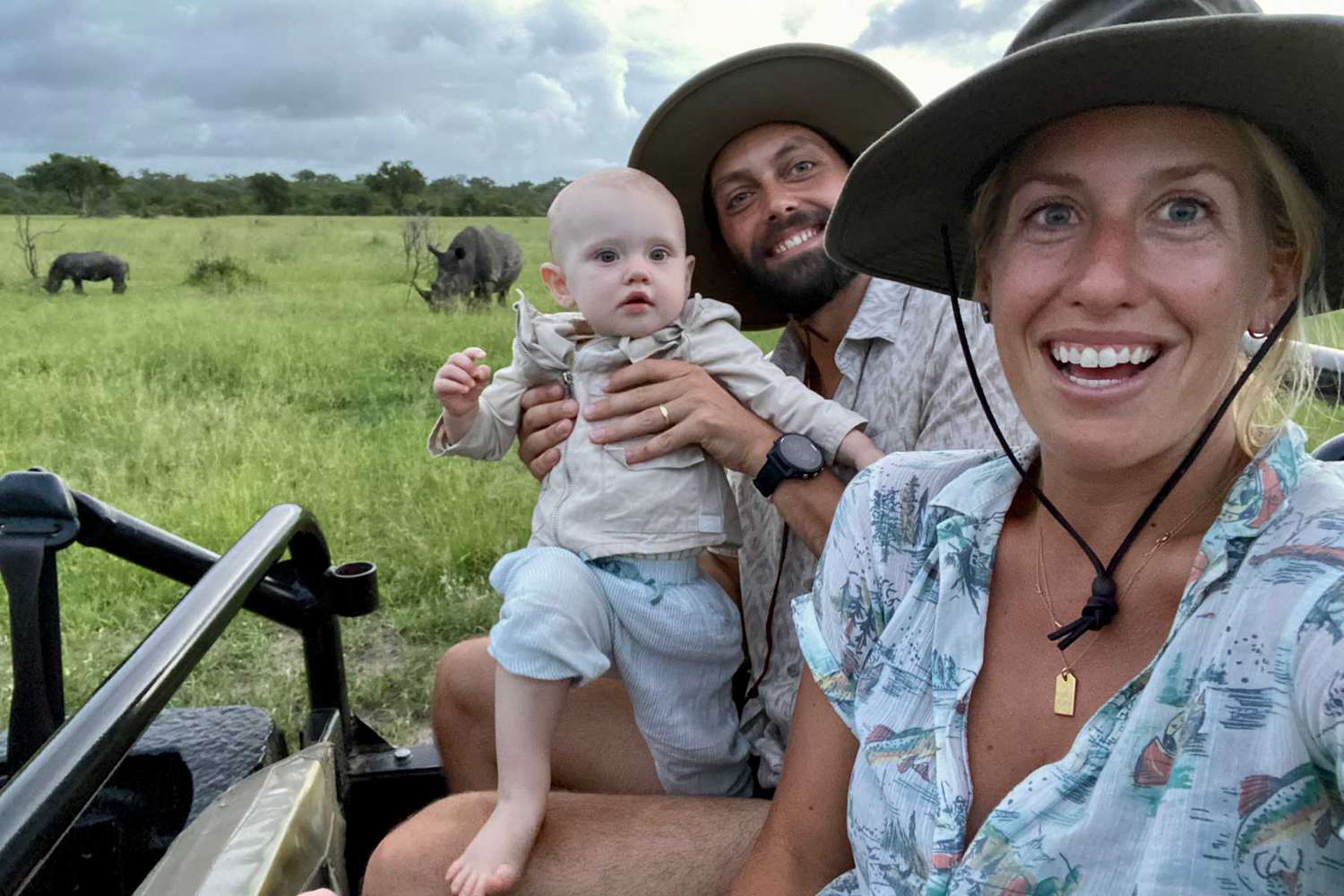
Learn all about Safari Daypack Essentials in this comprehensive guide.
Understanding the Climate and Terrain in Africa
When packing for a safari in Africa, it's essential to consider the local climate and terrain. Africa has a diverse landscape, from vast plains to dense forests. Temperatures can fluctuate significantly, with warm days and cool evenings. Lightweight, breathable fabrics are your best friend. For more on planning your trip, see our destination guide for Africa.
Essential Clothing Items
Neutral-colored clothing is highly recommended to blend in with the environment and avoid startling the wildlife. Think khaki, olive, and brown. You'll want to pack a mix of short-sleeved shirts and long-sleeved shirts for sun protection. A lightweight waterproof jacket is also a must, as rain showers can be unpredictable. For personalized packing advice, consider consulting with one of our safari operators.
Still researching? Let us help.
Our advisory team has planned safaris across 9 African countries. We can turn your research into a real plan.
Talk to an AdvisorFootwear for All Activities
Comfortable, broken-in walking shoes are non-negotiable. Whether you're on a walking safari or just exploring your lodge, you'll be on your feet a lot. A pair of sandals or flip-flops is also great for relaxing at the lodge. If you're planning any strenuous hikes, be sure to bring appropriate hiking boots. Our safari cost calculator can help you budget for any specialized gear you may need to purchase.
Sun and Insect Protection
A wide-brimmed hat, sunglasses, and high-SPF sunscreen are crucial for protecting yourself from the African sun. Insect repellent is also a must, especially in the evenings. Look for a repellent containing DEET for the most effective protection against mosquitoes and other biting insects. For more health and safety tips, visit our knowledge base.
Evening and Lodge Attire
Evenings on safari can be a mix of casual and smart-casual. Most lodges have a relaxed dress code, but it's always a good idea to pack a slightly nicer outfit for dinner. A pashmina or wrap is perfect for adding a touch of warmth and style. Before you book, be sure to research safari operators in Africa to understand the specific dress codes at their lodges.
Done Reading? Let's Build Your Safari.
Skip the guesswork. Work with an advisor who has been on the ground across East and Southern Africa.
Plan With UsChoosing the Right Daypack for Your Safari
Your choice of a daypack is more than just a matter of convenience; it's a critical piece of gear that will accompany you on every game drive and excursion. The ideal safari daypack should be lightweight, comfortable to carry, and large enough to hold your essentials without being cumbersome in a safari vehicle. We recommend a capacity between 20 and 30 liters, which provides ample space without encouraging overpacking.
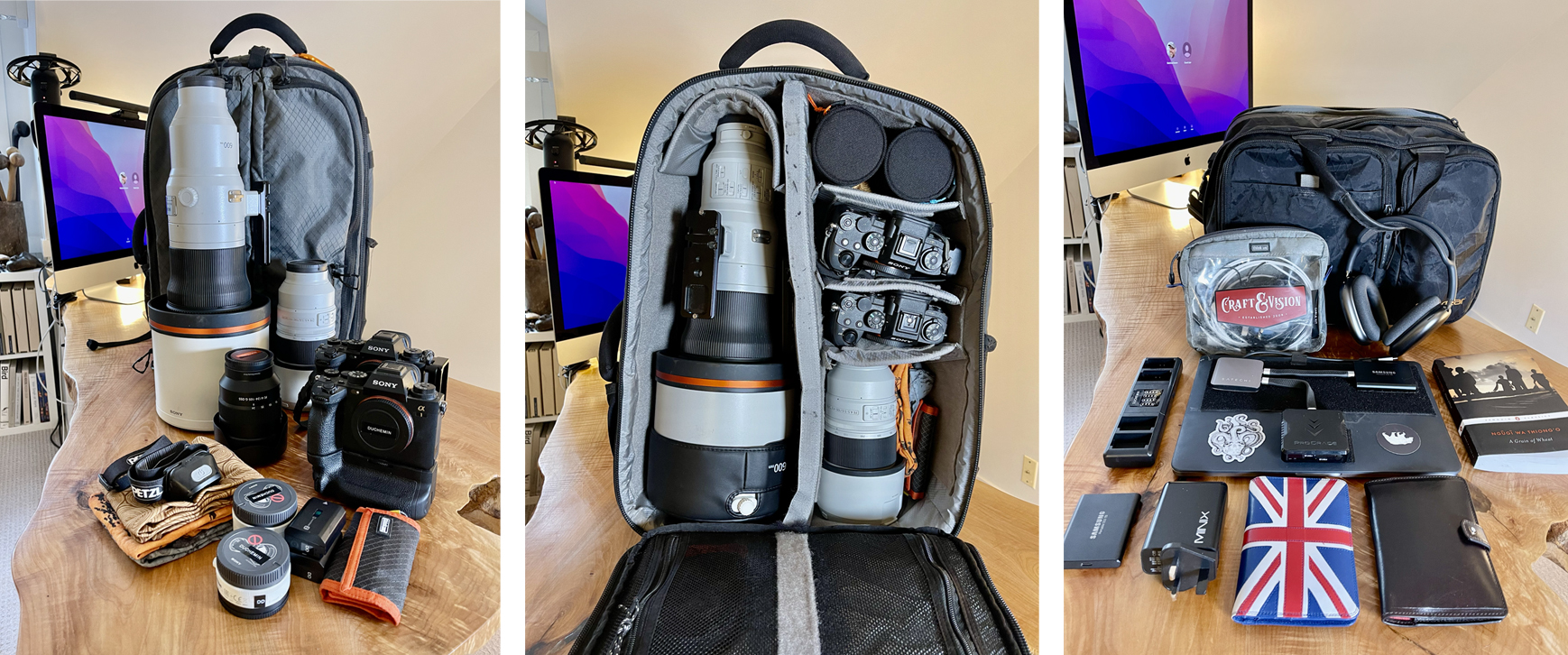
Look for a daypack with multiple compartments. This allows you to organize your gear effectively, keeping your camera and binoculars separate from snacks and sunscreen. Water-resistant material is a significant plus, as it will protect your electronics and other sensitive items from unexpected rain showers, especially if you're traveling during the 'green season' in destinations like the Serengeti or Botswana's Okavango Delta. Padded shoulder straps are a must for comfort, particularly on longer days or if you plan on doing any walking safaris.
> Expert Insight: While a backpack is the most common choice, some travelers prefer a shoulder bag or a camera-specific bag. The best choice depends on your personal comfort and the amount of camera gear you plan to carry. Whatever you choose, ensure it's soft-sided to fit easily in the limited space of a safari vehicle. Our safari operators can provide personalized recommendations based on your itinerary.
Core Gear for Every Game Drive
While every traveler's needs are slightly different, there are several items that should be in everyone's daypack. These are the essentials that will enhance your wildlife viewing experience and ensure your comfort and safety throughout the day.
High-Quality Binoculars: A good pair of binoculars is arguably the most important item in your daypack. They bring distant animals into sharp focus, allowing you to appreciate the subtle details of a leopard's coat or the vibrant plumage of a lilac-breasted roller. We recommend binoculars with a magnification of 8x42 or 10x42. The first number refers to the magnification (8x or 10x), while the second refers to the diameter of the objective lens in millimeters. A larger objective lens lets in more light, which is crucial for viewing wildlife during the golden hours of dawn and dusk.
Camera and Accessories: For many, capturing the memories of a safari is a top priority. Whether you have a professional DSLR with a powerful zoom lens or a high-quality point-and-shoot camera, make sure you have it with you on every drive. Remember to pack extra batteries and memory cards, as you'll likely take more photos than you expect. A dust-proof bag or cover can be invaluable for protecting your camera on dusty roads, particularly in arid environments like Namibia's Etosha National Park.
Personal First-Aid Kit: While your safari guide will have a comprehensive first-aid kit, it's always wise to carry a small personal kit with your own essentials. This should include any personal medications, pain relievers, antiseptic wipes, bandages, and blister treatment. For more comprehensive health and safety information, please visit our knowledge center.
Electronics and Power on the Go
In today's connected world, keeping your devices charged is essential for both photography and communication. Safari vehicles are not always equipped with charging ports, and power at lodges can sometimes be limited to certain hours. A reliable power bank is a must-have for keeping your phone, camera batteries, and other electronics charged throughout the day.
> Traveler's Tip: Choose a power bank with a capacity of at least 10,000mAh, which should be enough to charge a smartphone two to three times. If you are a heavy camera user, consider a larger power bank or a second one as a backup. Don't forget to pack the appropriate charging cables and a universal travel adapter that will work in the countries you are visiting. For detailed packing lists tailored to your destination, plan your safari with us.
Specialized Gear for Unique Safari Activities
Your packing list may need a few additions depending on the specific activities included in your itinerary. Here are some recommendations for popular safari experiences:
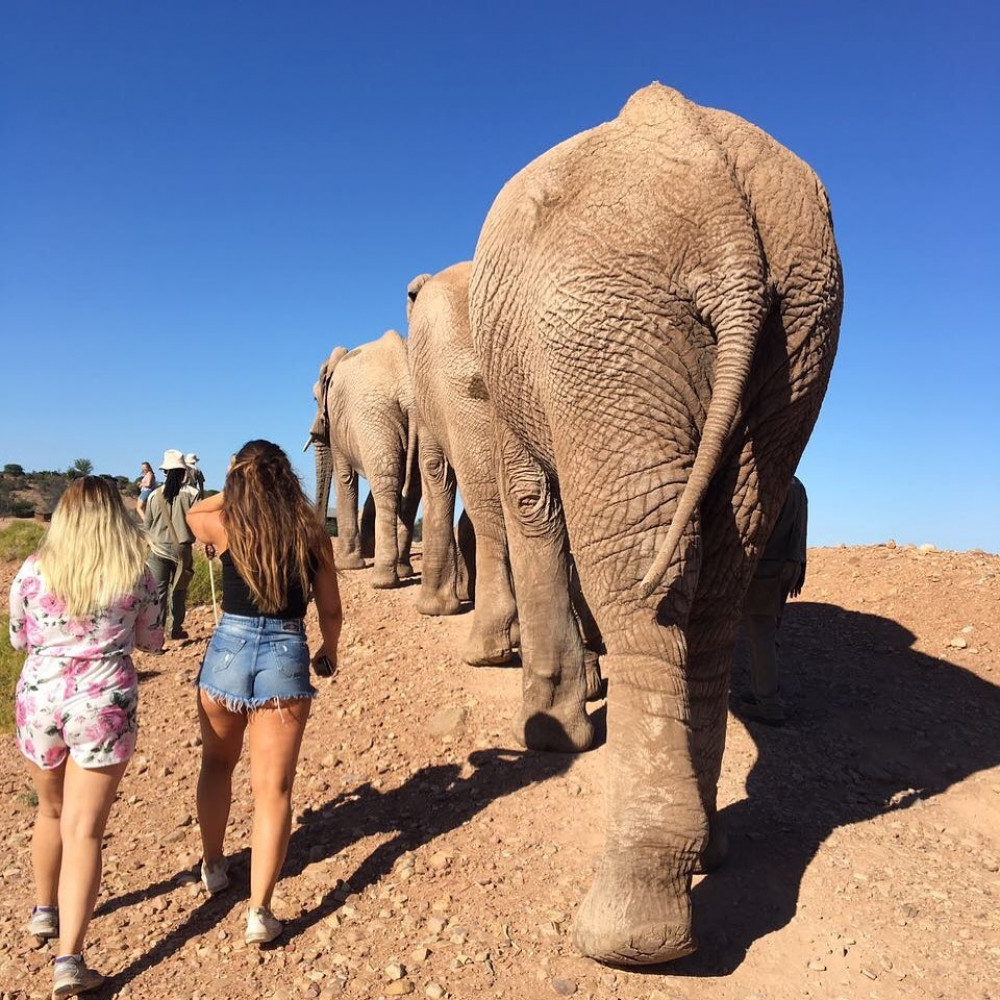
Walking Safaris: Getting out of the vehicle and exploring the bush on foot is an exhilarating experience. For a walking safari, you'll want to wear comfortable, broken-in walking shoes. It's also a good idea to have insect repellent containing DEET, especially in areas known for tsetse flies, such as Tanzania's Tarangire National Park. Neutral-colored clothing is even more important on foot than it is in a vehicle.
Gorilla and Chimpanzee Trekking: Trekking to see our primate cousins in Uganda's Bwindi Impenetrable Forest or Rwanda's Volcanoes National Park requires some specific gear. Sturdy hiking boots with good ankle support are essential for navigating the steep and often muddy terrain. A pair of gardening gloves can be very helpful for grabbing onto branches and vines for stability. You'll also want a lightweight waterproof jacket, as rain is common in these high-altitude forests. To understand how these activities might fit into your budget, explore our cost calculator.
What Not to Pack in Your Daypack
Just as important as what you do pack is what you don't. To ensure the safety and enjoyment of yourself and others, as well as the well-being of the wildlife, please leave the following items at your lodge:
- Drones: The use of drones is prohibited in almost all national parks and wildlife reserves in Africa.
- Brightly Colored Clothing: Avoid wearing white, black, blue, or other bright colors, as they can startle the animals. Stick to neutral, earthy tones like khaki, green, and brown.
- Strong Perfumes or Colognes: Strong scents can attract unwanted attention from insects and may be distracting to both wildlife and your fellow travelers.
- Plastic Bags: Many African countries, including Kenya, Tanzania, and Rwanda, have banned single-use plastic bags. Be sure to leave these at home and use reusable alternatives instead.
By carefully packing your safari daypack, you'll be well-prepared for an incredible adventure in the African bush. For more expert advice on planning your dream trip, browse our destinations and connect with our team of experts.
Need Expert Safari Guidance?
Get expert advisory support from a firm founded by a former safari guide — with real operational knowledge across 9 African countries and full-journey accountability.
Related Planning Guides
Recommended Reading
 Safari Comparison Articles
Night Safari vs Day Safari Comparison
An in-depth comparison of Night Safari vs Day Safari Comparison to help you choose the perfect safari experience. Explore the pros, cons, and key differences to
 Travel Logistics
Safari First Aid Kit Essentials
A well-stocked first aid kit is a must-have for any safari. Our guide to first aid kit essentials will help you be prepared for minor injuries and ailments.
 Safari Costs
Average Safari Cost Per Day
Learn about the average safari cost per day, from budget to luxury. This guide breaks down costs by country and what\
 Travel Logistics
Safari Hot Day Temperature Management
A comprehensive guide to Safari Hot Day Temperature Management. Learn everything you need to know for your safari adventure.
 Safari Planning
What a Typical Day on Safari Actually Looks Like: Hour by Hour
Wondering what a typical day on an African safari looks like? This hour-by-hour guide covers wake-up calls, game drives, meals, sundowners, and evening routines so you know exactly what to expect.
 Packing & Preparation
Safari Footwear Guide
Learn all about Safari Footwear Guide in this comprehensive guide.