
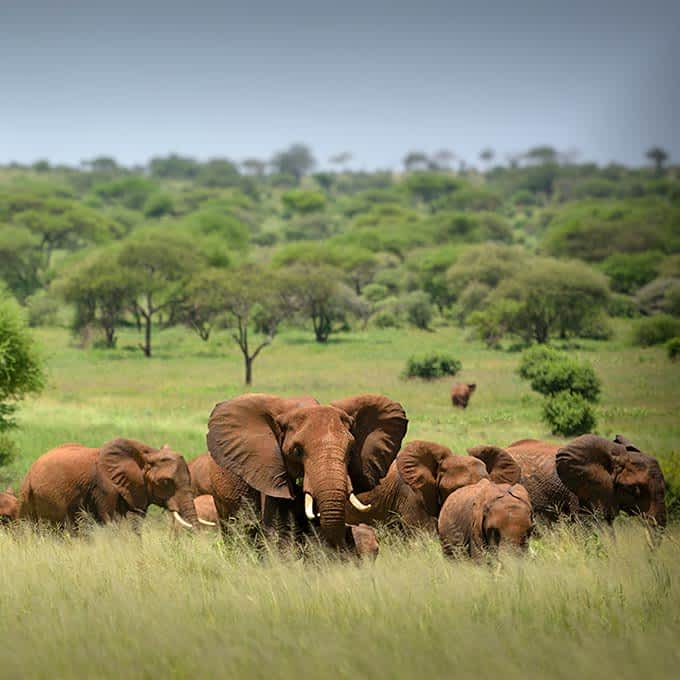
Learn how to budget for a family safari with our guide to costs in Kenya, Tanzania, and South Africa. Get tips on saving money and choosing the right safari.
An African safari is the trip of a lifetime, and sharing it with your family creates memories that will last forever. But let's be honest: planning a safari can feel overwhelming, especially when it comes to the cost. With so many variables, from destinations and accommodation to activities and time of year, understanding the total investment is a critical first step. This guide is here to demystify the safari cost for families, helping you understand the key factors that influence your budget and how to plan a trip that balances unforgettable experiences with practical financial planning.
Understanding the Key Cost Factors for a Family Safari
Four main elements will determine the overall cost of your family safari: accommodation, activities, season, and destination. Understanding how each of these impacts the price will empower you to make informed decisions that align with your budget and travel style.
Accommodation Style: From Budget to Luxury
Your choice of lodging is often the single biggest driver of your safari cost. Family-friendly safari accommodations range from rustic tented camps to ultra-luxurious lodges with private plunge pools. A mid-range lodge might cost between $400 and $700 per person, per night, while a high-end luxury lodge can easily exceed $1,500 per person. For a family of four, this difference can add up quickly. Many lodges offer family suites or interconnected tents, which can sometimes be more cost-effective than booking two separate rooms.
Safari Activities: Game Drives, Walking Safaris, and More
Most safari packages are all-inclusive, meaning your accommodation, meals, and standard game drives are covered. However, specialized activities often come at an additional cost. Hot air ballooning over the Serengeti, for example, can cost over $500 per person. Other activities like guided bush walks, night drives, or cultural visits to local villages may also be extra. When planning your budget, be sure to account for these unique experiences to avoid surprises.
Time of Year: Peak vs. Shoulder Season Travel
The time of year you travel has a significant impact on pricing. The peak season, which typically coincides with the dry season and major wildlife events like the Great Migration (July to October), sees the highest demand and, therefore, the highest prices. Traveling during the shoulder season (the months just before and after peak season) can offer significant savings—often 20-30% less than peak rates—while still providing excellent wildlife viewing and more pleasant weather.
Destination: How Country Choice Affects Price
Where you go matters. Some African countries are simply more expensive to visit than others due to park fees, infrastructure, and the general cost of tourism. For example, a safari in Botswana, which focuses on low-volume, high-cost tourism, will be considerably more expensive than a safari in South Africa or Kenya. We'll explore this in more detail in the next section.
Average Family Safari Costs: A Country-by-Country Guide
To give you a clearer picture, here's a breakdown of what a family of four might expect to pay for a one-week, mid-range safari in some of Africa's most popular destinations. These estimates typically include accommodation, meals, park fees, and standard activities but exclude international flights.
Kenya: Classic Safaris in the [Maasai Mara](/destinations/kenya)
Kenya is one of the most iconic safari destinations, and for good reason. The Maasai Mara offers incredible wildlife viewing year-round. For a family of four, a mid-range safari in Kenya can range from $12,000 to $20,000 for a week. This would typically include a few days in the Maasai Mara and perhaps another park like Amboseli or Samburu.
Tanzania: The Serengeti and Ngorongoro Crater
Tanzania is home to the world-famous Serengeti and the unique Ngorongoro Crater. A one-week family safari in Tanzania's northern circuit will likely cost between $15,000 and $25,000. This higher price point is partly due to higher park fees, especially for the Ngorongoro Conservation Area.
South Africa: [Kruger National Park](/destinations/south-africa) and Malaria-Free Reserves
South Africa offers a wide range of options, from self-drive safaris in Kruger National Park to all-inclusive stays in private reserves. For a guided, all-inclusive family safari in a private reserve bordering Kruger, expect to pay between $10,000 and $18,000. Many reserves in the Eastern Cape are malaria-free, making them an excellent choice for families with young children.
Botswana: High-End Safaris in the [Okavango Delta](/destinations/botswana)
Botswana is a premium safari destination known for its pristine wilderness and exclusive camps. A family safari here is a significant investment, with prices for a week-long trip often starting at $25,000 and going well beyond $40,000. The experience, however, is unparalleled, with a strong focus on conservation and privacy.
Still researching? Let us help.
Our advisory team has planned safaris across 9 African countries. We can turn your research into a real plan.
Talk to an AdvisorHow Ages Impact Your Safari Budget
Traveling with children brings its own set of considerations that can affect your safari cost. From discounts to age restrictions, here's what you need to know.
Child Discounts and Age Policies
Many lodges offer reduced rates for children, but the policies vary widely. Some offer a percentage discount for children under 12 sharing a room with adults, while others have specific family suites with set pricing. It's always worth asking about child rates, as they can lead to significant savings.
Age Restrictions for Activities like Gorilla Trekking
Certain safari activities have minimum age requirements for safety reasons. For example, gorilla trekking in Uganda and Rwanda has a strict minimum age of 15. Walking safaris and canoe trips often have a minimum age of 12 or 16. Be sure to check these restrictions when planning your itinerary to avoid disappointment.
Choosing Family-Friendly Lodges and Camps
Not all lodges are created equal when it comes to families. Some are specifically designed with children in mind, offering kids' clubs, educational programs, and flexible meal times. While these may sometimes come at a premium, the value they provide in terms of experience and convenience is often well worth it.
Hidden Costs to Watch Out For
Your safari quote will cover the major expenses, but there are always additional costs to consider. Budgeting for these "hidden" expenses will ensure you have a stress-free trip.
International Flights and Visas
International airfare is a significant expense that is almost never included in safari packages. Depending on your origin, expect to pay between $1,000 and $2,500 per person. Visa fees, which vary by country, can add another $50 to $100 per person.
Tipping Guides and Lodge Staff
Tipping is a customary practice on safari and an important part of the local tourism economy. As a general guideline, you should budget around $10-$15 per person, per day for your guide, and a similar amount for the general lodge staff.
Travel Insurance and Medical Expenses
Comprehensive travel insurance is non-negotiable for a family safari. This should include medical evacuation coverage. You should also budget for any necessary vaccinations or anti-malarial medication, which can add up for a family.
Optional Activities and Souvenirs
From hot air balloon rides to local craft market purchases, there will be plenty of opportunities for extra spending. It's a good idea to set aside a miscellaneous fund for these optional activities and souvenirs.
Practical Tips for Saving on Your Family Safari
A family safari doesn't have to break the bank. With some smart planning, you can reduce the cost without sacrificing the quality of your experience.
Travel in the Shoulder Season
As mentioned earlier, traveling in the shoulder season (April-May and November-December) can save you thousands of dollars. The wildlife viewing is still fantastic, and you'll have the added benefit of fewer crowds.
Choose Accommodations Wisely
Opting for mid-range lodges or even a mix of budget and mid-range options can significantly lower your overall cost. Look for lodges that offer family rooms or have generous child discounts.
Look for All-Inclusive Packages
All-inclusive packages offer excellent value for money. By bundling your accommodation, meals, and activities, you can often get a better deal than if you were to pay for everything separately. It also makes budgeting much easier.
Book in Advance
Booking your safari at least 9-12 months in advance gives you the best chance of securing availability at the lodges you want, especially if you're traveling during peak season. Early booking can also sometimes unlock special offers.
Done Reading? Let's Build Your Safari.
Skip the guesswork. Work with an advisor who has been on the ground across East and Southern Africa.
Plan With UsChoosing the Right Safari for Your Family's Budget
Ultimately, the right safari for your family is one that aligns with your budget and exceeds your expectations. Here's how to find that perfect balance.
Mid-Range vs. Luxury: What's the Difference?
The primary difference between mid-range and luxury safaris lies in the level of exclusivity, accommodation style, and personalized service. Luxury lodges offer more spacious rooms, gourmet dining, and often a more private guiding experience. However, the wildlife you see is the same, and a well-chosen mid-range safari can offer an equally incredible experience.
Balancing Cost and Experience
Instead of focusing solely on the bottom line, think about the kind of experience you want. Is a hot air balloon ride a must-do? Are you willing to trade a bit of luxury for a more authentic bush camp experience? Answering these questions will help you allocate your budget effectively.
Working with a [Safari Planning Guide](/operators)
Navigating the complexities of safari planning is what we do best. A knowledgeable safari planning guide can help you make sense of all the options, find the best value for your budget, and craft an itinerary that is perfectly tailored to your family's needs and interests. This expert guidance is invaluable and can save you both time and money in the long run.
Planning a family safari is an exciting journey, and understanding the costs is a crucial part of the process. By considering the factors outlined in this guide, you can create a realistic budget and design a trip that will provide a lifetime of cherished memories for you and your family.
Need Expert Safari Guidance?
Get expert advisory support from a firm founded by a former safari guide — with real operational knowledge across 9 African countries and full-journey accountability.
Related Planning Guides
Explore Related Topics
Recommended Reading
 Safari Costs
Budget Safari vs Luxury Safari Costs
Discover the key cost differences between budget and luxury safaris, from accommodation and guiding to game drives and locations, to choose the right trip for you.
 Safari Costs
Safari Vehicle and Guide Costs
Planning a safari? This guide breaks down safari vehicle and guide costs, covering private vs. shared options, vehicle types, and what to budget for your trip.
 Safari Costs
Hidden Safari Costs Travelers Should Know
Discover the hidden costs of an African safari. Our guide covers unexpected expenses like flights, visas, tips, and optional activities to help you budget.
 Safari Cost Guides
How Much Does a South Africa Safari Cost in 2026
Planning a safari? Learn about how much does a south africa safari cost in 2026. Get expert advice and insights from Safari Intelligence to plan your perfect trip.
 Safari Cost Guides
Safari Flight Costs Within Africa
Planning a safari? Learn about safari flight costs within africa. Get expert advice and insights from Safari Intelligence to plan your perfect trip.
 Safari Cost Guides
Safari Cost Comparison East Africa vs Southern Africa
Learn about safari cost comparison east africa vs southern africa in this comprehensive safari guide covering key insights and practical advice.