
Learn how to save money on an African safari with expert tips on shoulder season travel, value destinations, smart accommodation choices, and group tours.
Smart Strategies for Affordable Safari Travel
An African safari does not have to break the bank. With strategic planning and insider knowledge, you can experience extraordinary wildlife encounters while keeping costs manageable. The key is understanding where to find value without sacrificing the quality of your experience.
Saving money on safari is not about choosing the cheapest option available. It is about making informed decisions that maximize the value of every dollar you spend.
Travel During Green Season
The single most effective way to reduce safari costs is to travel during the green season, typically November through May in East Africa and November through March in Southern Africa. Green season rates are often 30% to 50% lower than peak season prices.
Contrary to popular belief, green season offers excellent wildlife viewing. The landscape is lush and photogenic, birdwatching is at its best with migratory species present, and many animals give birth during this period. The main trade-offs are occasional rain showers and slightly more challenging road conditions in some areas.
Still researching? Let us help.
Our advisory team has planned safaris across 9 African countries. We can turn your research into a real plan.
Talk to an AdvisorChoose Affordable Destinations
Some safari destinations offer significantly better value than others. Kenya and Tanzania provide excellent wildlife viewing at a range of price points. South Africa offers exceptional value, particularly in Kruger National Park and surrounding private reserves. Uganda and Zambia are emerging as excellent value destinations with world-class wildlife.
Botswana and Rwanda, while offering extraordinary experiences, tend to be among the most expensive safari destinations. If budget is a primary concern, these countries may be better saved for a future trip.
Book Group Safaris
Joining a scheduled group safari rather than booking a private trip can reduce costs by 20% to 40%. Group safaris share vehicle and guide costs among multiple travelers, making them significantly more affordable.
Many group safaris are well-organized with compatible travelers and experienced guides. The trade-off is less flexibility in scheduling and routing, but the wildlife viewing experience is often identical to private safaris.
Combine Popular and Lesser-Known Parks
Instead of spending your entire safari in premium-priced parks, consider combining one or two famous reserves with lesser-known alternatives. For example, pairing the Masai Mara with Lake Nakuru or Amboseli in Kenya provides diverse experiences at lower overall cost.
Lesser-known parks often offer excellent wildlife viewing with fewer crowds and lower park fees. Your guide can help identify hidden gems that match your wildlife interests.
Done Reading? Let's Build Your Safari.
Skip the guesswork. Work with an advisor who has been on the ground across East and Southern Africa.
Plan With UsBook Early or Last Minute
Booking well in advance, typically 8 to 12 months before travel, often secures early-bird discounts of 10% to 15%. This also guarantees availability at popular lodges and camps.
Alternatively, last-minute deals can offer significant savings, sometimes 30% to 50% off regular rates. However, this approach carries risk, as availability may be limited and preferred properties may be fully booked.
Consider Camping Safaris
Camping safaris offer the most affordable way to experience African wildlife. Basic camping safaris in Kenya and Tanzania can cost as little as $150 to $200 per person per day, including meals, transportation, and park fees.
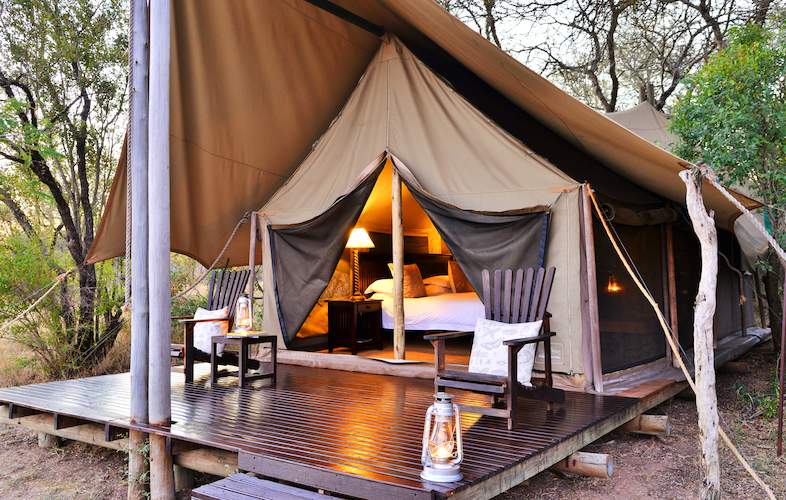
Modern camping safaris are comfortable and well-organized, with quality tents, mattresses, and camp staff who prepare meals. The experience of sleeping in the bush, surrounded by wildlife sounds, is often more memorable than staying in a luxury lodge.
Negotiate and Compare
Do not accept the first price quoted. Compare quotes from multiple operators, ask about available discounts, and negotiate where appropriate. Many operators offer discounts for longer stays, repeat clients, or referrals.
Working with a safari planning guide who has relationships with multiple operators can help you access competitive pricing and identify the best value options for your specific requirements.
Reduce Ancillary Costs
- Book flights well in advance and use airline miles when possible
- Choose destinations with affordable visa fees or visa-on-arrival options
- Pack efficiently to avoid excess baggage charges on internal flights
- Bring your own binoculars and camera equipment rather than renting
- Carry a reusable water bottle to reduce bottled water purchases
Need Expert Safari Guidance?
Get expert advisory support from a firm founded by a former safari guide — with real operational knowledge across 9 African countries and full-journey accountability.
Related Planning Guides
Explore Related Topics
Recommended Reading
 Safari Advisor Content
How a Safari Advisor Saves You Money
Discover the essentials of how a safari advisor saves you money for an unforgettable African safari adventure.
 Country Guides
South Africa Safari Currency and Money Guide
A comprehensive guide to South Africa Safari Currency and Money Guide. Learn everything you need to know for your next safari adventure.
 Travel Logistics
Safari Travel Money and ATM Access
Navigating safari travel money can be complex. Our guide covers everything from ATM access in remote areas to currency exchange and carrying cash safely.
 Country Guides
Tanzania Safari Currency and Money Guide
A comprehensive guide to Tanzania Safari Currency and Money Guide. Learn everything you need to know for your next safari adventure.
 Country Guides
Kenya Safari Currency and Money Guide
A comprehensive guide to Kenya Safari Currency and Money Guide. Learn everything you need to know for your next safari adventure.
 Travel Logistics
Safari Mobile Money Options
Mobile money is transforming financial transactions in Africa. Learn about the most popular mobile money services and how you can use them on your safari.