
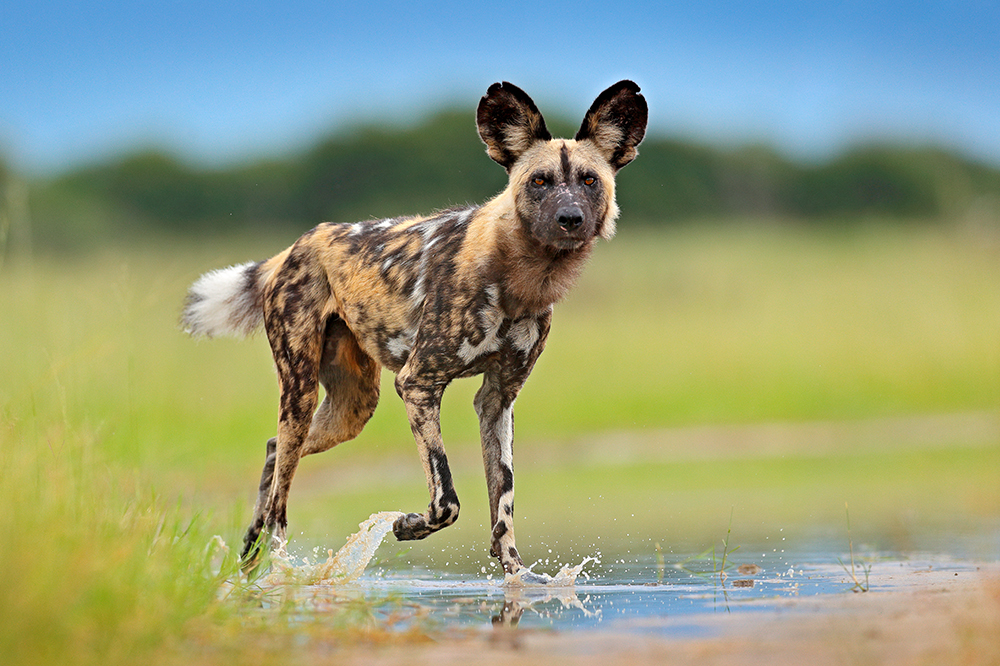
A guide to navigating Namibia\
The Main Arteries of Namibia
Namibia's road network is characterized by a combination of paved highways and extensive gravel roads. The main arterial roads, which connect the capital, Windhoek, to major towns and tourist destinations, are paved and generally in good condition. These tarred roads allow for comfortable and efficient travel over long distances. However, the true Namibian driving experience begins when you turn off the tarmac and onto the gravel. For an overview of what this incredible country has to offer, check out our destinations page.
The Gravel Plains
A significant portion of Namibia's road network consists of gravel roads. While these are regularly graded and maintained, they can still be challenging to drive on. Corrugations, loose gravel, and dust are common, and it is essential to drive at a reduced speed to maintain control of your vehicle. A 4x4 is not always necessary for the main tourist routes, but it provides a more comfortable and safer driving experience, especially on the less-traveled tracks. Our safari operators can help you choose the right vehicle for your Namibian adventure.
Still researching? Let us help.
Our advisory team has planned safaris across 9 African countries. We can turn your research into a real plan.
Talk to an AdvisorDesert Tracks and National Parks
Driving in Namibia's national parks, such as Etosha National Park and the Namib-Naukluft Park, is a unique experience. The road networks within these parks are almost entirely gravel, and conditions can vary from smooth, hard-packed surfaces to deep sand. A 4x4 vehicle is highly recommended for exploring these areas, as it will allow you to access the more remote and rewarding parts of the parks. To understand the potential costs of a Namibian safari, use our cost calculator. For more in-depth information, our knowledge center is an excellent resource.
A Deeper Look at Namibia's Road Network
While Namibia's primary highways (B-routes) are paved and in excellent condition, the true safari experience begins when you turn onto the gravel C and D-routes. These roads form the backbone of the country's rural infrastructure, connecting major attractions like Etosha National Park and the Skeleton Coast.
- C-Routes: These are the main gravel roads and are generally well-maintained by the Roads Authority. They are wide, graded regularly, and suitable for most vehicles, though a 4x4 offers greater stability and comfort. Expect to encounter dust, loose gravel, and occasional corrugations (washboard-like ripples).
- D-Routes: These are secondary gravel roads that often lead to more remote lodges, viewpoints, and communities. Their condition can vary dramatically. Some D-routes are smooth and easy to drive, while others can be sandy, rocky, or poorly maintained, especially after heavy rains. It is on these roads that a high-clearance 4x4 becomes essential.
> Expert Insight: Tire pressure is critical when driving on Namibia's gravel roads. Lowering your tire pressure increases the tire's surface area, improving traction on sand and reducing the risk of punctures from sharp stones. Always re-inflate your tires to the recommended pressure as soon as you return to paved surfaces to ensure safety at higher speeds.
Accommodation Infrastructure: From Rustic to Refined
Namibia's accommodation infrastructure is as diverse as its landscapes, offering options for every type of traveler. The level of infrastructure at each directly impacts your experience.
- Luxury Lodges & Camps: In prime locations like Sossusvlei or private reserves bordering Etosha, you will find lodges with remarkable infrastructure. Expect spacious suites with private plunge pools, air conditioning, and reliable Wi-Fi, often powered by large solar farms. Water is typically sourced from boreholes and filtered for safe drinking. These establishments offer a high level of comfort in the heart of the wilderness.
- Mid-Range Guesthouses & Tented Camps: These offer a balance of comfort and value. Infrastructure is practical and reliable, with en-suite bathrooms, comfortable beds, and electricity (often from a generator with specific running times). Internet access might be limited to the main lodge area and can be slow.
- Community-Run Conservancies: Staying in a conservancy provides a unique opportunity to support local communities directly. The infrastructure is often more rustic but is clean, functional, and authentic. It's a chance to experience Namibian hospitality while contributing to conservation efforts. Our safari operators can recommend reputable conservancies that align with your travel style.
- Campsites: For the self-drive enthusiast, Namibia offers a superb network of campsites. These range from basic sites with shared ablution blocks to private campsites at exclusive lodges. Many government-run campsites within national parks have been privatized and upgraded, offering clean facilities and stunning locations.
Done Reading? Let's Build Your Safari.
Skip the guesswork. Work with an advisor who has been on the ground across East and Southern Africa.
Plan With UsAir Travel: The Fly-In Safari Advantage
Given the vast distances, Namibia is perfectly suited for fly-in safaris. This approach utilizes a network of small aircraft and private airstrips to connect remote lodges and key attractions, maximizing your time on the ground.
Hosea Kutako International Airport (WDH) is the primary gateway, while Eros Airport (ERS) in Windhoek serves as the hub for most domestic charter flights. From here, companies like Wilderness Air and Scenic Air operate reliable services to destinations such as the Hoanib Valley, Skeleton Coast, and the Zambezi Region.
Benefits of a Fly-In Safari:
- Time Efficiency: Turn a full day of driving into a 90-minute scenic flight.
- Access to Remote Areas: Reach exclusive, isolated lodges that are difficult or impossible to access by road.
- Spectacular Aerial Views: Witnessing the Namib Desert, Skeleton Coast, or Etosha Pan from above is an unforgettable experience.
While more expensive than driving, a fly-in safari is the epitome of luxury and efficiency. For complex itineraries, our team can help you plan your safari by seamlessly integrating charter flights.
Communication and Staying Connected
Namibia is a sparsely populated country, and you should expect to be offline for significant portions of your journey. Mobile coverage, primarily from MTC, is reliable in towns and along major B-routes. However, once you venture into the national parks and remote conservation areas, service becomes intermittent or non-existent.
> Traveler's Tip: Upon arrival in Windhoek, purchase a local MTC SIM card. This is an affordable and effective way to stay connected wherever there is a signal. Download offline maps for your entire route using an app like Google Maps or Maps.me before you leave a Wi-Fi zone.
Most lodges offer Wi-Fi, but it is often restricted to the main common area and may come at an additional cost. The speed and reliability can be inconsistent, so it's best to use it for essential communication rather than streaming or large downloads. For those venturing into truly remote regions like Kaokoland, renting a satellite phone is a wise safety precaution.
Need Expert Safari Guidance?
Get expert advisory support from a firm founded by a former safari guide — with real operational knowledge across 9 African countries and full-journey accountability.
Related Planning Guides
Recommended Reading
 Country Guides
Tanzania Safari Infrastructure and Roads
Your complete guide to Tanzania Safari Infrastructure and Roads. Find the best destinations, planning tips, and more for your next safari adventure.
 Country Guides
Kenya Safari Infrastructure and Roads
Your complete guide to Kenya Safari Infrastructure and Roads. Find the best destinations, planning tips, and more for your next safari adventure.
 Country Guides
Botswana Safari Infrastructure and Roads
Your complete guide to Botswana Safari Infrastructure and Roads. Find the best destinations, planning tips, and more for your next safari adventure.
 Safari Cost Guides
How Much Does a Namibia Safari Cost in 2026
Planning a safari? Learn about how much does a namibia safari cost in 2026. Get expert advice and insights from Safari Intelligence to plan your perfect trip.
 Safari Comparison Articles
Guided Safari vs Self-Drive Safari in Namibia
An in-depth comparison of Guided Safari vs Self-Drive Safari in Namibia to help you choose the perfect safari experience. Explore the pros, cons, and key differ
 Safari Comparison Articles
Namibia Desert vs Etosha Safari
Compare the stark beauty and unique wildlife of the Namib Desert with the classic game viewing of Etosha National Park. This guide will help you plan your perfect Namibian adventure.