
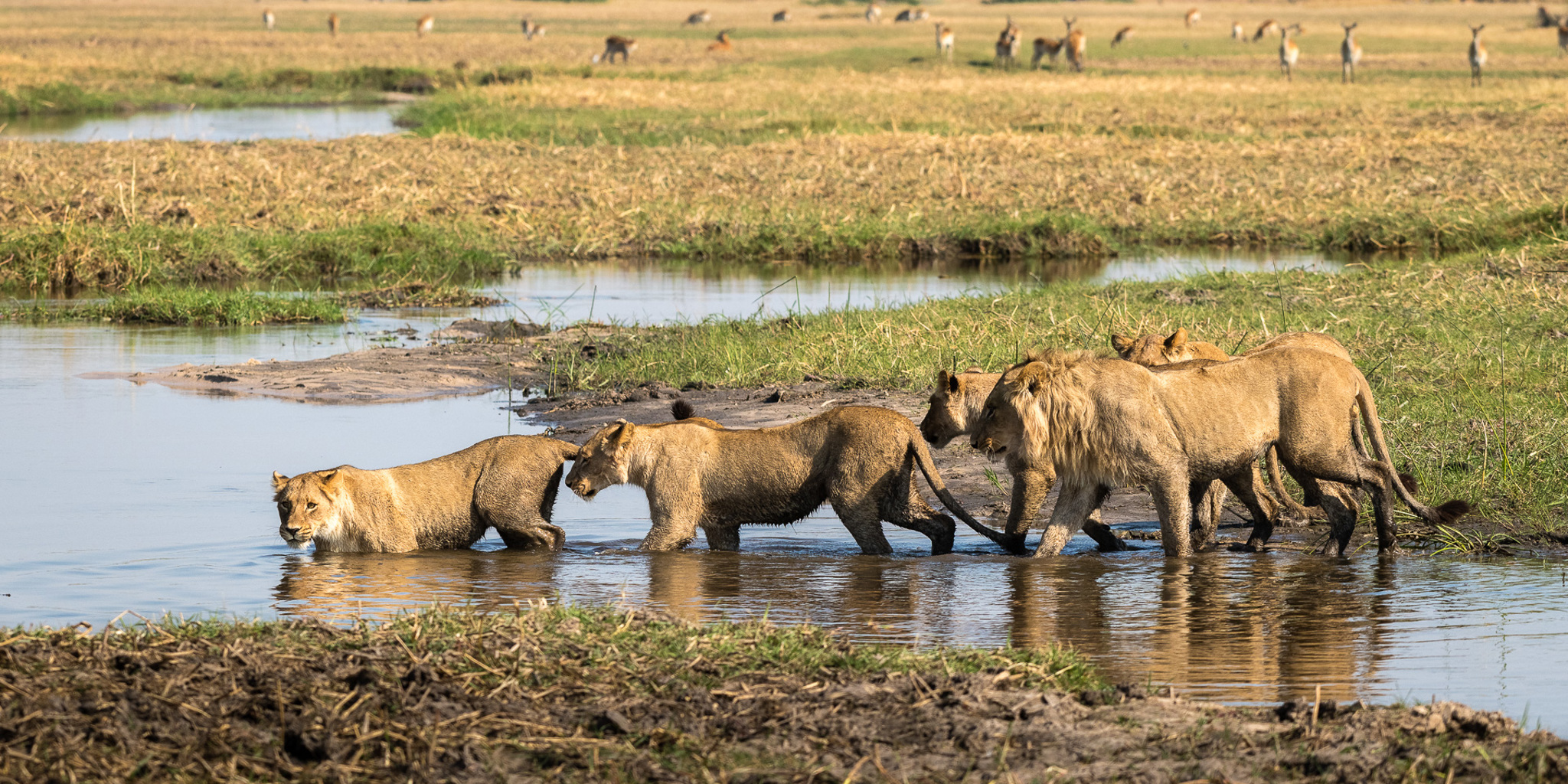
Learn why medical evacuation insurance is essential for a safe African safari. This guide covers how it works, what to look for in a policy, and how to prepare.
An African safari is an adventure of a lifetime, offering unparalleled wildlife encounters in some of the world's most breathtaking landscapes. While the focus is rightly on the thrill of the experience, it is crucial to prepare for the unexpected. The remote nature of many safari destinations means that access to advanced medical care is not always readily available. This is where medical evacuation insurance becomes an essential part of your safari planning, providing a critical safety net that ensures you can be transported to a suitable medical facility in an emergency.
What is Medical Evacuation and Why is it Essential for Safaris?
Medical evacuation, often shortened to "medevac," is the process of transporting a person to the nearest appropriate medical facility by air or ground ambulance. It is important to distinguish this from standard travel medical insurance, which covers the costs of treatment once you are at a hospital. Medical evacuation insurance specifically covers the transportation to get you there.
On safari, you might be hours away from the nearest major hospital. A medical emergency, whether from a sudden illness, an allergic reaction, or an injury, can become life-threatening without prompt access to specialized care. In destinations like the Serengeti in Tanzania, the Okavango Delta in Botswana, or Bwindi Impenetrable Forest in Uganda, a simple road ambulance is often not a viable option. Medical evacuation services use a network of aircraft, including helicopters and fixed-wing planes, to reach remote bush airstrips and transport patients to well-equipped hospitals in cities like Nairobi, Johannesburg, or even back to your home country.
Medical Insurance vs. Medical Evacuation
Think of it this way: your medical insurance pays for the doctors and treatment at the hospital, while your medical evacuation insurance pays for the flight to get you to that hospital. Many standard health insurance plans do not cover international medical evacuations, which can cost upwards of $100,000. Therefore, having a dedicated medical evacuation policy is not just a recommendation; it is a necessity for any safari traveler.
How Medical Evacuation Works in Remote Safari Locations
In the event of a serious medical emergency, a well-defined protocol is set in motion. Your safari lodge or guide will have a satellite phone or radio to contact their partner medical evacuation provider. Reputable providers, such as AMREF Flying Doctors in East Africa, have a 24/7 emergency response center.
Once contacted, the process typically unfolds as follows:
- Initial Assessment: The medical team at the response center will speak with the staff on the ground to assess the patient's condition and determine the urgency of the situation.
- Dispatch: A specially equipped air ambulance is dispatched to the nearest airstrip. This could be a helicopter for short distances or a fixed-wing aircraft for longer flights.
- Stabilization and Transport: The medical team on the aircraft will stabilize the patient for transport.
- Hospital Admission: The patient is flown to a pre-determined hospital that is equipped to handle the specific medical condition. In many cases, this will be a private hospital in a major African city.
The entire process is designed to be as swift as possible, recognizing the importance of the "golden hour" in medical emergencies. The efficiency of this system is a testament to the experience and professionalism of the medical evacuation providers operating in Africa.
Still researching? Let us help.
Our advisory team has planned safaris across 9 African countries. We can turn your research into a real plan.
Talk to an AdvisorChoosing the Right Medical Evacuation Coverage
When selecting a medical evacuation plan, it is essential to look beyond the price and consider the details of the coverage. You have two main options: a standalone policy or a comprehensive travel insurance plan that includes medical evacuation.
Standalone Medevac Policies vs. Comprehensive Travel Insurance
A standalone medical evacuation policy, such as those offered by Global Rescue, focuses solely on emergency transport. These plans often have higher coverage limits for evacuations and may offer additional services like field rescue. A comprehensive travel insurance plan, on the other hand, bundles medical evacuation with other benefits like trip cancellation, trip interruption, and medical expense coverage.
For most safari travelers, a comprehensive plan is a good starting point, but you must verify that the medical evacuation limit is sufficient. We recommend a minimum of $250,000 in medical evacuation coverage.
Key Coverage Features to Look For
- Coverage Amount: As mentioned, a minimum of $250,000 is advisable. For very remote or multi-country itineraries, consider a higher limit.
- Geographic Scope: Ensure the policy covers all the countries you will be visiting on your safari.
- Pre-existing Conditions: If you have a pre-existing medical condition, check the policy's terms to ensure you are covered.
- Repatriation of Remains: While an unpleasant thought, this coverage is important for your family in a worst-case scenario.
The Role of Your [Safari Operator](/knowledge/how-to-choose-a-safari-operator) in an Emergency
Your choice of safari operator plays a significant role in your safety and well-being. Reputable operators have robust emergency plans and are affiliated with established medical evacuation providers. Many tour operators in East Africa, for example, include AMREF Flying Doctors coverage as part of their safari packages. However, it is crucial to understand what this included coverage entails. Often, it covers evacuation to the nearest major hospital in that country but not onward international repatriation.
Before booking your safari, ask your operator about their emergency procedures and their medical evacuation partner. A professional and experienced operator will be transparent about their safety protocols and will be able to advise you on the appropriate level of insurance for your trip.
Preparing for a Safe and Healthy Safari
Beyond securing the right insurance, there are several steps you can take to prepare for a safe and healthy safari experience.
Pre-Travel Medical Check-up
Visit your doctor for a pre-travel consultation to discuss your itinerary and any personal health concerns. This is also the time to get any required vaccinations and prescriptions for anti-malarial medication.
Personal Medical Kit
Pack a personal medical kit with essentials such as pain relievers, antihistamines, antiseptic wipes, bandages, and any personal medications you require. Be sure to bring enough of your prescription medications for the entire duration of your trip, plus extra in case of delays.
Share Your Information
Provide a copy of your medical evacuation insurance policy and emergency contact information to your safari operator. It is also a good idea to leave a copy with a family member or friend back home.
In conclusion, while a medical emergency on safari is unlikely, it is a possibility that every traveler must prepare for. Medical evacuation insurance is a non-negotiable component of a safe and responsible safari plan. By understanding how it works, choosing the right coverage, and booking with a reputable operator, you can embark on your African adventure with the peace of mind that comes from knowing you are in good hands.
Need Expert Safari Guidance?
Get expert advisory support from a firm founded by a former safari guide — with real operational knowledge across 9 African countries and full-journey accountability.
Related Planning Guides
Explore Related Topics
Recommended Reading
 Travel Logistics
Safari Medical and Travel Insurance
Travel insurance is essential for any safari. Our guide to medical and travel insurance will help you choose the right policy and travel with peace of mind.
 Safari Operator Articles
How Safari Operators Handle Medical Emergencies
An overview of the medical emergency protocols that safari operators have in place to ensure the health and safety of their clients.
 Travel Logistics
Safari Emergency Evacuation Procedures
Your safety is the top priority on safari. Our guide to emergency evacuation procedures will give you peace of mind in the unlikely event of an emergency.
 Travel Logistics
Safari Medical Facilities by Country
Knowing where to find medical help is an important part of travel planning. Our guide to medical facilities by country will help you be prepared.
 Safari Advisor Content
How a Safari Advisor Helps With Medical Considerations
Discover the essentials of how a safari advisor helps with medical considerations for an unforgettable African safari adventure.
 Safari Planning
Step-by-Step Guide to Planning an African Safari
Learn how to plan your first African safari with our step-by-step guide. We cover everything from choosing a destination to booking your trip and packing.