
Discover the essentials of how a safari advisor helps with medical considerations for an unforgettable African safari adventure.
How a Safari Planning Guide Helps With Medical Considerations
Understanding how a safari planning guide helps with medical considerations can make the difference between a good safari and an extraordinary one. This guide combines insider knowledge with practical advice to ensure you are fully prepared.
Regional Considerations Across Africa
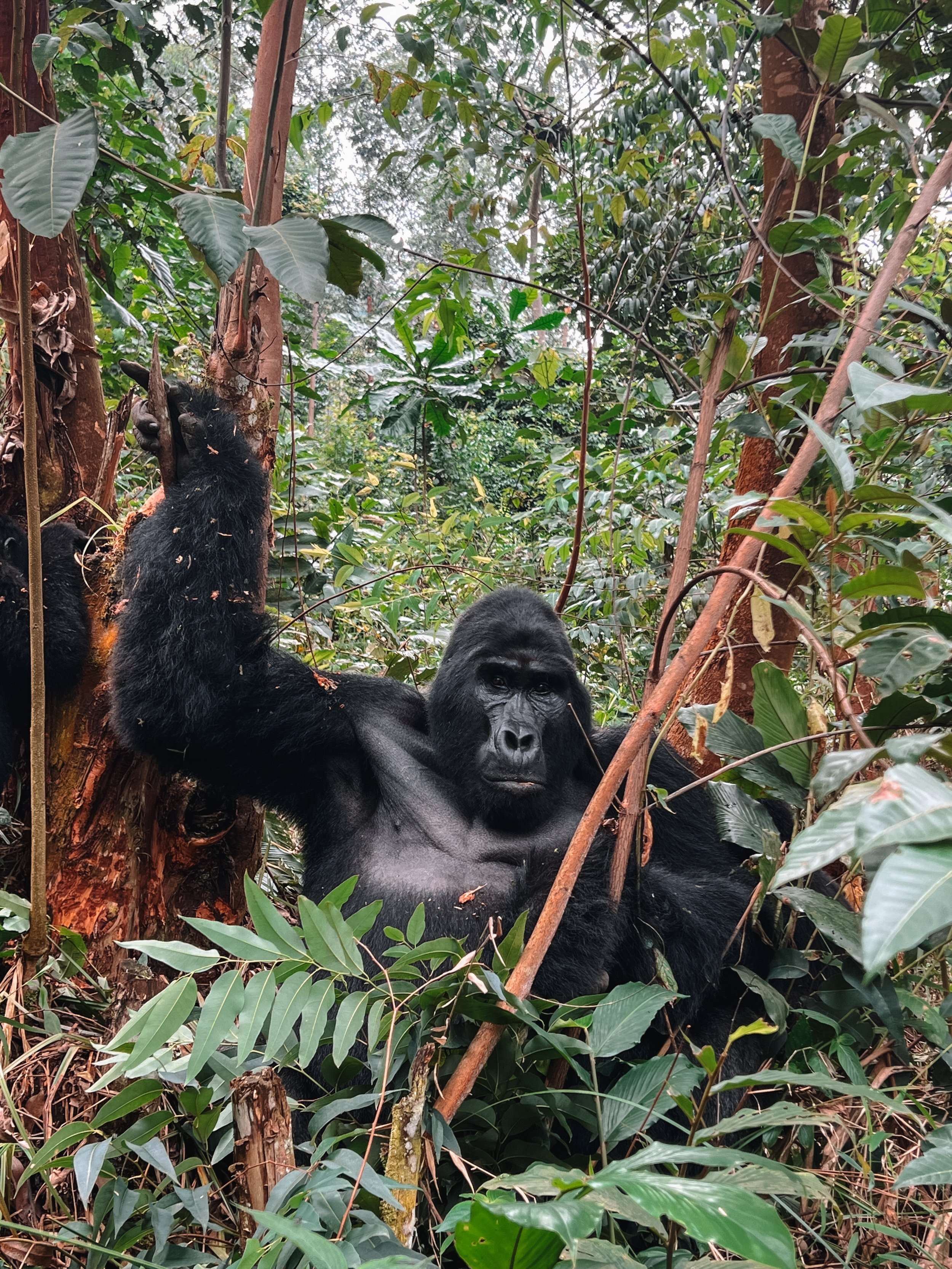
Central and West African destinations, including Uganda, Rwanda, and the Congo, offer specialized experiences like gorilla trekking that bring their own set of requirements. These destinations often involve more challenging terrain and different logistical considerations compared to the classic savanna safari.
Southern Africa presents a different landscape for how a safari planning guide helps with medical considerations. Countries like Botswana, South Africa, Namibia, and Zimbabwe each have established infrastructure and practices that reflect their unique environments. The Okavango Delta, for instance, requires water-based considerations that land-based safaris in Kruger National Park do not.
Still researching? Let us help.
Our advisory team has planned safaris across 9 African countries. We can turn your research into a real plan.
Talk to an AdvisorCommon Mistakes to Avoid: How a Safari Planning Guide Helps With Medical Considerations
Underestimating the importance of how a safari planning guide helps with medical considerations is perhaps the biggest mistake of all. Travelers who give this aspect of their safari proper attention consistently report more satisfying experiences than those who treat it as an afterthought.
Another common error is relying solely on online reviews without consulting experienced professionals. While traveler reviews provide valuable perspectives, they often lack the context and expertise that a qualified safari planning guide can offer. The best approach combines both sources of information.
One of the most frequent mistakes travelers make with how a safari planning guide helps with medical considerations is waiting too long to start planning. Popular safari destinations and lodges book up months in advance, especially during peak season. Last-minute planning often results in limited options and higher costs.
Understanding the Fundamentals: How a Safari Planning Guide Helps With Medical Considerations
Experienced safari operators emphasize that preparation is the single most important factor in how a safari planning guide helps with medical considerations. This means doing your research well in advance, consulting with knowledgeable advisors, and being willing to adapt your plans based on current conditions. The best safari experiences come from travelers who approach their journey with both enthusiasm and informed flexibility.
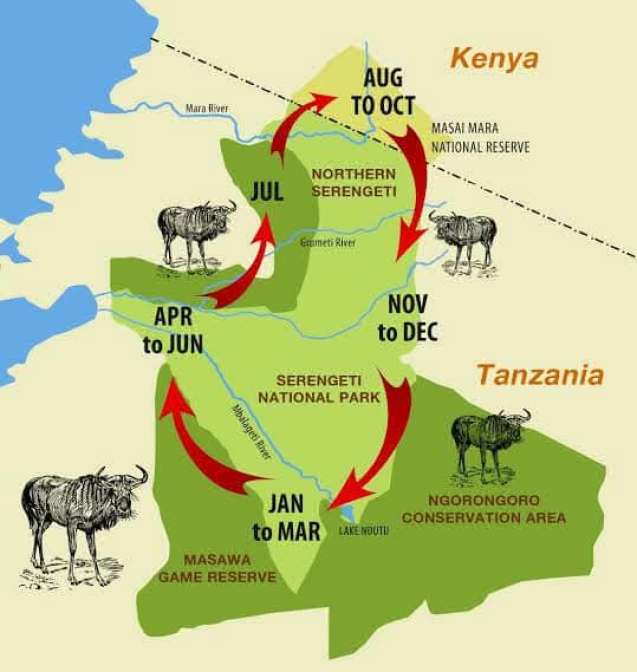
The foundation of how a safari planning guide helps with medical considerations begins with understanding the basic principles. Safari environments across Africa present unique conditions that differ significantly from what most travelers are accustomed to. In East Africa, the vast savannas of Kenya and Tanzania create one set of considerations, while the dense forests of Uganda and Rwanda present entirely different challenges. Southern African destinations like Botswana and South Africa add yet another dimension.
Safety and Health Considerations: How a Safari Planning Guide Helps With Medical Considerations
Travel insurance that specifically covers safari activities is strongly recommended. Standard travel insurance policies may not cover all the activities and situations you might encounter on an African safari. Ensure your policy covers medical evacuation, trip cancellation, and activity-specific risks.
Health preparation is an essential component of how a safari planning guide helps with medical considerations. Consult with a travel medicine specialist at least six weeks before your departure to discuss vaccinations, malaria prophylaxis, and other health precautions specific to your destinations.
Done Reading? Let's Build Your Safari.
Skip the guesswork. Work with an advisor who has been on the ground across East and Southern Africa.
Plan With UsMaking the Most of Your Experience: How a Safari Planning Guide Helps With Medical Considerations
To truly optimize how a safari planning guide helps with medical considerations, approach your safari with an open mind and realistic expectations. Africa has a way of surprising even the most experienced travelers, and some of the best moments come from unexpected encounters and unplanned detours.
Finally, remember that a safari is more than just wildlife viewing. The cultural experiences, landscapes, and personal connections you make along the way are equally valuable. Approaching how a safari planning guide helps with medical considerations with this broader perspective will enrich your entire journey.
Related Resources
For more information on planning your safari, explore our destination guides, browse the safari operator directory, or connect with an experienced safari planning guide for personalized guidance.
Navigating Pre-Travel Vaccinations and Medications
A crucial aspect of safari planning is addressing the necessary vaccinations and prophylactic medications. Your safari planning guide provides indispensable guidance in this area, ensuring your health and safety are prioritized. While we are not medical professionals, we work with you and your doctor to ensure you are aware of the requirements and recommendations for your chosen destinations.
For instance, a Yellow Fever vaccination is mandatory for entry into many countries in East and Central Africa, including Uganda and Rwanda, especially if you are arriving from a country with a risk of Yellow Fever transmission. Your advisor will ensure you have the proper documentation, such as the International Certificate of Vaccination or Prophylaxis (ICVP), to avoid any issues at immigration.
Malaria is another significant consideration in many safari regions. Your advisor can discuss the different malaria zones, the times of year with the highest risk, and the various prophylactic medications available. They can share insights on the pros and cons of common options like Malarone, Doxycycline, and Lariam, helping you have a more informed conversation with your doctor about which is best for you.
> Expert Insight: When discussing malaria prevention with your doctor, be sure to mention your full itinerary, including any city stopovers. Some urban areas may have a lower risk than the remote safari locations, which can influence your medication plan. Your safari planning guide can provide a detailed itinerary to share with your physician.
Managing Chronic Health Conditions Abroad
Traveling with a chronic health condition requires careful planning, and this is where a safari planning guide's expertise becomes invaluable. Whether you are managing diabetes, a heart condition, a food allergy, or mobility limitations, your advisor can tailor your itinerary to ensure a safe and comfortable experience.
For travelers with diabetes, a planning guide can work with lodges and camps to accommodate dietary needs and ensure access to refrigeration for insulin storage. They can also plan an itinerary that avoids overly strenuous activities or long, hot days in the sun without breaks. For those with mobility concerns, your advisor can select lodges with accessible rooms and vehicles, and plan game drives on smoother tracks.
Communicating your needs clearly with your advisor is the first step. They will then act as your advocate, liaising with ground operators and accommodation providers to make the necessary arrangements. This proactive approach allows you to relax and enjoy your safari, knowing that your health needs have been anticipated and addressed. Explore our destinations to see which parks and lodges are best suited for your needs.
Assembling a Safari-Specific Medical Kit
While your safari lodge or camp will have a basic first-aid kit, it is wise to carry a personal medical kit tailored to the safari environment. Your safari planning guide can provide a checklist of recommended items based on your itinerary and personal health needs. Beyond the standard plasters and pain relievers, consider including:
- Prescription Medications: Bring enough for your entire trip, plus extra in case of delays. Keep them in their original containers with a copy of your prescription.
- Broad-Spectrum Antibiotics: Discuss with your doctor about a prescription for a broad-spectrum antibiotic for common travel-related infections.
- Antihistamines: Cream and tablets for insect bites and allergic reactions.
- Insect Repellent: A high-quality repellent containing DEET is essential for protection against mosquitoes and tsetse flies.
- Rehydration Salts: To treat dehydration from heat or stomach upset.
- Anti-diarrhea Medication: A necessary precaution for any international travel.
> Traveler's Tip: Pack your medical kit in your carry-on luggage. This ensures you have access to it even if your checked baggage is delayed. Our plan your safari guide offers more packing tips.
The Critical Role of Comprehensive Travel Insurance
No safari should be undertaken without comprehensive travel insurance, and your advisor will stress this point. Standard travel insurance is not enough; you need a policy that includes robust medical coverage and, most importantly, emergency medical evacuation.
In the remote wilderness areas where safaris take place, a medical emergency can require an airlift to a well-equipped hospital in a major city like Nairobi or Johannesburg. The cost of such an evacuation can be astronomical. Your safari planning guide can recommend reputable insurance providers that specialize in covering adventure travel and can help you understand the fine print of your policy. When evaluating a policy, look for:
- High Coverage Limits: At least $1,000,000 in medical coverage is recommended.
- Emergency Evacuation and Repatriation: This should cover the cost of getting you to the nearest appropriate medical facility and, if necessary, back to your home country.
- Pre-existing Condition Coverage: If you have a chronic health condition, ensure your policy covers it.
- Trip Cancellation and Interruption: This protects your investment if you have to cancel or cut your trip short due to a medical issue.
Understanding the financial implications of medical emergencies can be daunting. Our cost calculator can help you budget for your trip, including the essential cost of comprehensive travel insurance.
Need Expert Safari Guidance?
Get expert advisory support from a firm founded by a former safari guide — with real operational knowledge across 9 African countries and full-journey accountability.
Related Planning Guides
Recommended Reading
 Safari Advisor Content
How a Safari Advisor Helps You Avoid Mistakes
Discover the essentials of how a safari advisor helps you avoid mistakes for an unforgettable African safari adventure.
 Safari Advisor Content
How a Safari Advisor Helps You Choose the Right Destination
Discover the essentials of how a safari advisor helps you choose the right destination for an unforgettable African safari adventure.
 Safari Advisor Content
How a Safari Advisor Helps You Choose the Right Operator
Discover the essentials of how a safari advisor helps you choose the right operator for an unforgettable African safari adventure.
 Safari Comparison Articles
Safari With Advisor vs Without Advisor
An in-depth comparison of Safari With Advisor vs Without Advisor to help you choose the perfect safari experience. Explore the pros, cons, and key differences t
 Safari Safety
Medical Evacuation on Safari
Learn why medical evacuation insurance is essential for a safe African safari. This guide covers how it works, what to look for in a policy, and how to prepare.
 Safari Operator Articles
How Safari Operators Handle Medical Emergencies
An overview of the medical emergency protocols that safari operators have in place to ensure the health and safety of their clients.