

Comprehensive guide to marine wildlife of the east african coast covering key species, habitats, viewing tips, and conservation status for safari travelers.
The Coral Reefs of the Indian Ocean
The East African coast is home to some of the world's most spectacular coral reefs. These underwater ecosystems are teeming with life, from colorful fish to graceful sea turtles. The reefs of Zanzibar, Pemba, and Mafia islands in Tanzania are particularly renowned for their biodiversity. Snorkeling and diving are popular activities, offering a chance to get up close with this incredible marine world. Our destinations guide has more information on coastal destinations.
Giants of the Deep: Whales and Dolphins
The waters off the East African coast are a playground for a variety of marine mammals. Humpback whales migrate through these waters between July and October, and can often be seen breaching and tail-slapping. Several species of dolphins, including bottlenose and spinner dolphins, are resident in the area and can be seen year-round. Whale watching and dolphin tours are a popular and exciting way to experience these magnificent creatures. Use our cost calculator to plan your coastal adventure.
Still researching? Let us help.
Our advisory team has planned safaris across 9 African countries. We can turn your research into a real plan.
Talk to an AdvisorConservation of Marine Ecosystems
Marine ecosystems in East Africa face threats from overfishing, pollution, and climate change. Marine protected areas (MPAs) have been established to conserve these fragile habitats. These MPAs regulate fishing activities and protect critical breeding grounds for fish and other marine life. By supporting responsible tourism operators and respecting marine park regulations, you can help protect this precious underwater world. Our safari operators can recommend eco-friendly lodges and tour operators.
Spotlight on Key Marine Parks and Reserves
While the concept of a Marine Protected Area (MPA) is a great start, let's dive into some of the specific, must-visit marine parks and reserves that anchor the East African coastal experience. Each offers a unique window into the underwater world.
Watamu Marine National Park & Reserve, Kenya
Located just south of Malindi, Watamu is one of Kenya’s oldest and most celebrated marine parks. It’s a designated UNESCO Biosphere Reserve, and for good reason. The park’s coral gardens are home to an estimated 150 species of hard and soft corals, creating a vibrant, complex habitat for over 600 species of fish.
> Expert Insight: Watamu is particularly famous for its green sea turtles. The local conservation project, which has been running for decades, has helped to protect nesting sites and release thousands of hatchlings back into the ocean. A visit to the turtle rehabilitation center is a powerful educational experience.
Beyond the turtles, you can expect to see moray eels, octopus, and a kaleidoscope of reef fish. For those interested in more than just snorkeling, the park’s deeper channels offer excellent dive sites. Our safari operators can help you arrange a day trip from a coastal hotel.
Chumbe Island Coral Park, Tanzania
Chumbe Island, just off the coast of Zanzibar, is a world-class example of ecotourism and marine conservation. This privately managed park is funded entirely by visitors, and the results are stunning. The coral reef surrounding the island is pristine, having been protected from fishing for over 20 years. As a result, the fish populations are dense and diverse.
What makes Chumbe truly special is its commitment to sustainability. The eco-bungalows on the island are architectural marvels, featuring rainwater harvesting, solar power, and composting toilets. A stay here is not just a holiday; it’s a lesson in conservation. The guided snorkeling tours are led by former fishermen who have been retrained as park rangers, providing them with an alternative livelihood and a stake in the reef’s protection.
The Gentle Giants: Whale Shark and Manta Ray Encounters
For many, the ultimate marine wildlife experience is an encounter with the ocean’s largest fish, the whale shark. These gentle giants migrate along the East African coast, feeding on plankton in the nutrient-rich waters.
Mafia Island, south of Zanzibar, is the undisputed hotspot for whale shark sightings in Tanzania. From October to March, these magnificent creatures congregate in the waters around the island, offering a reliable opportunity for a swim alongside them. A typical excursion involves a boat trip out to the feeding grounds, with a spotter plane often used to locate the sharks. When a shark is found, you’ll have the chance to slip into the water and snorkel alongside it – a truly humbling experience.
> Traveler's Tip: When choosing a whale shark tour operator, it’s crucial to select one that follows a strict code of conduct. This includes maintaining a safe distance from the animals, limiting the number of swimmers in the water at one time, and never touching the sharks. Responsible tourism is key to ensuring these encounters are sustainable.
Manta rays, with their graceful, wing-like fins, are another highlight. While they can be seen in many of the region’s marine parks, the Mnemba Atoll off the northeastern coast of Zanzibar is a particularly good spot for sightings.
Done Reading? Let's Build Your Safari.
Skip the guesswork. Work with an advisor who has been on the ground across East and Southern Africa.
Plan With UsDiving and Snorkeling the East African Coast: A Practical Guide
Whether you’re a seasoned diver or a first-time snorkeler, the East African coast has something to offer. The warm, clear waters of the Indian Ocean provide excellent visibility, often exceeding 20-30 meters, especially from October to March.
For those new to diving, there are numerous PADI-certified dive centers in Zanzibar, Pemba, and along the Kenyan coast. A Discover Scuba Diving course, which includes a brief introduction and a shallow dive with an instructor, typically costs between $120 and $150. A full Open Water certification course will cost in the range of $450 to $550.
For certified divers, a two-tank dive package usually ranges from $100 to $140, including equipment rental. The region’s dive sites are incredibly varied, from the shallow coral gardens of Watamu to the dramatic wall dives off Pemba Island. You can explore shipwrecks, drift along gentle currents, and encounter everything from tiny nudibranchs to large groupers and Napoleon wrasse. Our cost calculator can help you budget for these activities as part of a larger safari itinerary.
Beyond the Reef: Other Marine Encounters
The marine biodiversity of East Africa extends far beyond the coral reefs. The region is also a fantastic destination for dolphin watching. The Kisite-Mpunguti Marine Park in southern Kenya is particularly renowned for its resident pods of bottlenose and spinner dolphins. It’s not uncommon to be surrounded by dozens of these playful animals on a boat trip.
From July to September, the East African coast also plays host to another magnificent migration: humpback whales. These gentle giants travel from the cold waters of the Antarctic to the warmer climes of the Indian Ocean to breed and calve. The waters around Zanzibar and the Kenyan coast offer excellent opportunities for whale watching during this period.
Conservation in Action: How You Can Contribute
As a traveler, you have a vital role to play in the conservation of East Africa’s marine ecosystems. By making informed choices, you can ensure your visit has a positive impact.
- Choose Eco-Certified Operators: Look for lodges and tour operators that have been certified by reputable organizations like Ecotourism Kenya or Responsible Tourism Tanzania. This ensures they adhere to strict environmental and social standards.
- Respect Marine Park Rules: Always follow the guidance of your park ranger or dive master. This includes not touching coral or marine life, not removing anything from the ocean, and not littering.
- Support Local Communities: Many conservation initiatives are closely linked to community development. By purchasing locally made crafts, eating at local restaurants, and supporting community-run tourism enterprises, you can contribute to a sustainable local economy that values marine conservation.
For more ideas on how to plan a sustainable and impactful trip, visit our plan your safari page or consult with one of our safari operators. The future of this incredible underwater world depends on the choices we all make.
Need Expert Safari Guidance?
Get expert advisory support from a firm founded by a former safari guide — with real operational knowledge across 9 African countries and full-journey accountability.
Related Planning Guides
Explore Related Topics
Recommended Reading
 Wildlife Guides
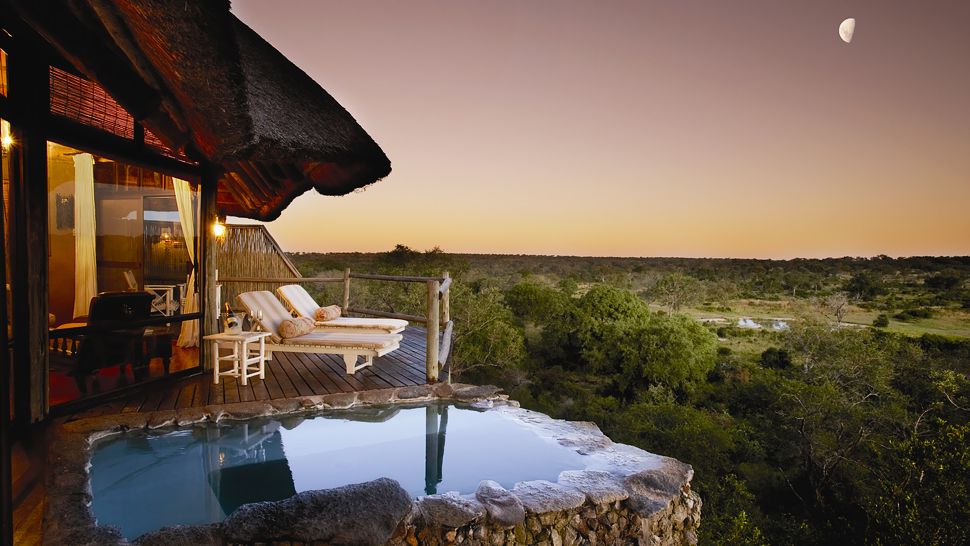
Complete Guide to Sea Turtles of the African Coast
Learn all about Complete Guide to Sea Turtles of the African Coast in this comprehensive guide. Discover the best time to go, what to see, and how to plan your trip.
 Wildlife Guides
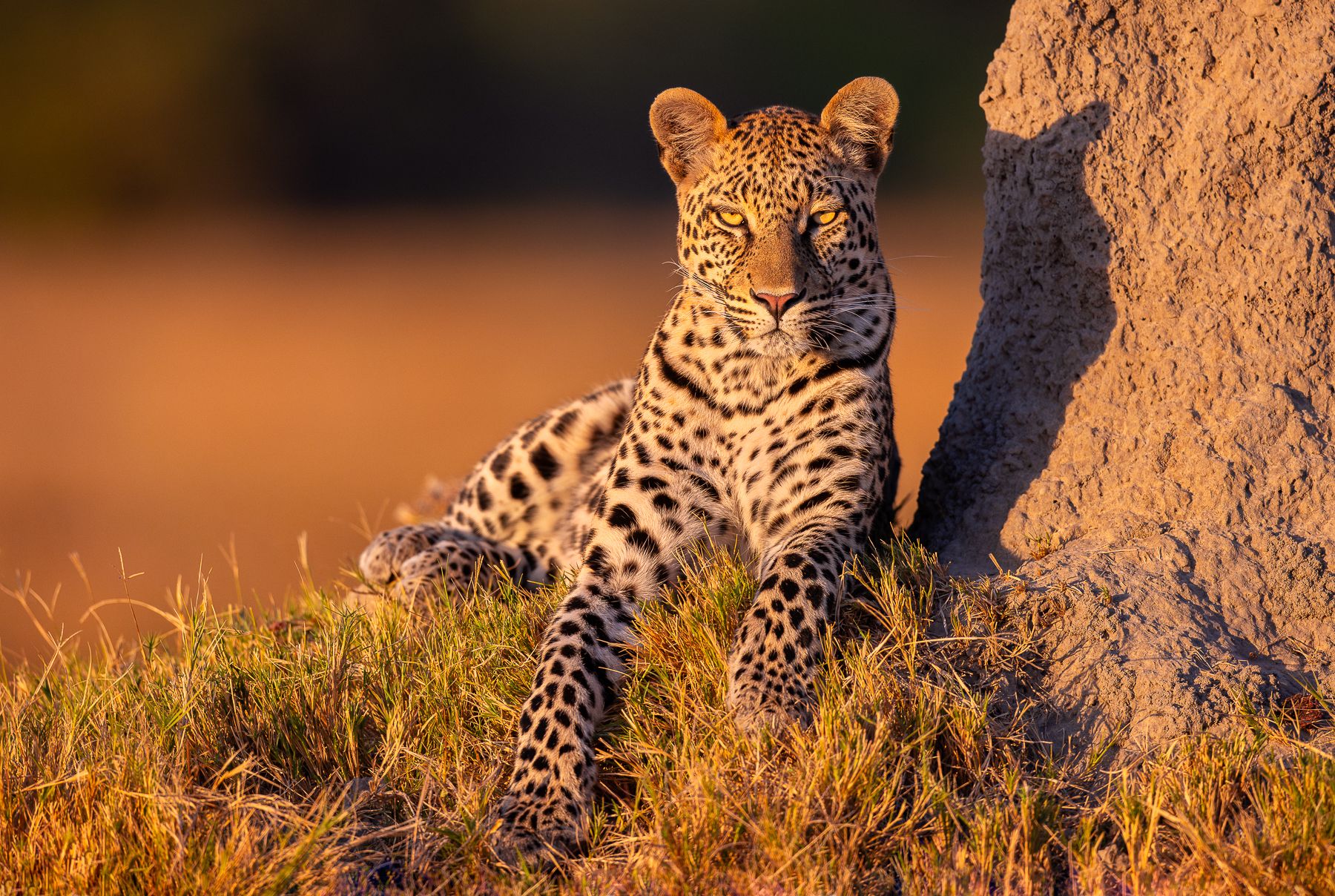
Wildlife Corridor Conservation in Africa
Learn about Africa\
 Wildlife Guides
Complete Guide to African Wild Dog Pack Dynamics
Learn all about Complete Guide to African Wild Dog Pack Dynamics in this comprehensive guide. Discover the best time to go, what to see, and how to plan your trip.
 Safari Safety
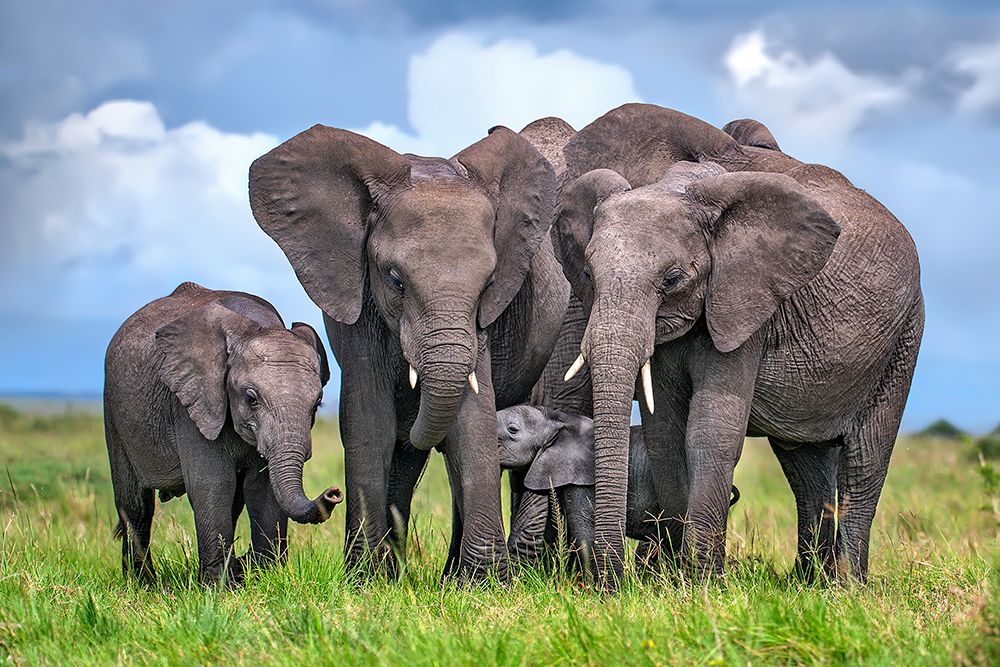
Travel Safety in East Africa
Travel safely in East Africa with our expert tips. This guide covers health, urban safety, and wildlife precautions for your safari in Kenya, Tanzania, and beyond.
 Safari Planning Guides
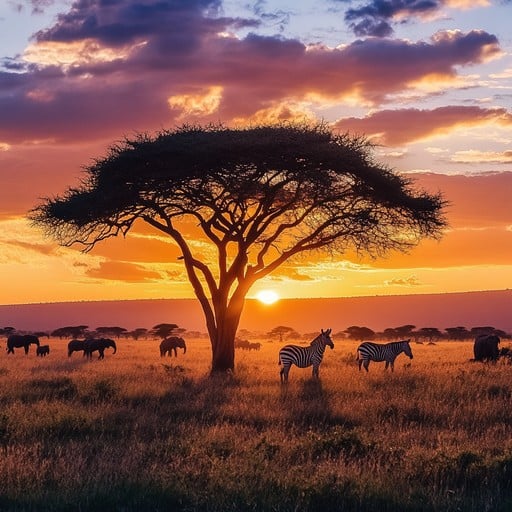
How to Plan a Safari for Marine Wildlife
Learn about how to plan a safari for marine wildlife in this comprehensive safari guide covering key insights and practical advice.
 Safari Cost Guides
Safari Cost Comparison East Africa vs Southern Africa
Learn about safari cost comparison east africa vs southern africa in this comprehensive safari guide covering key insights and practical advice.