
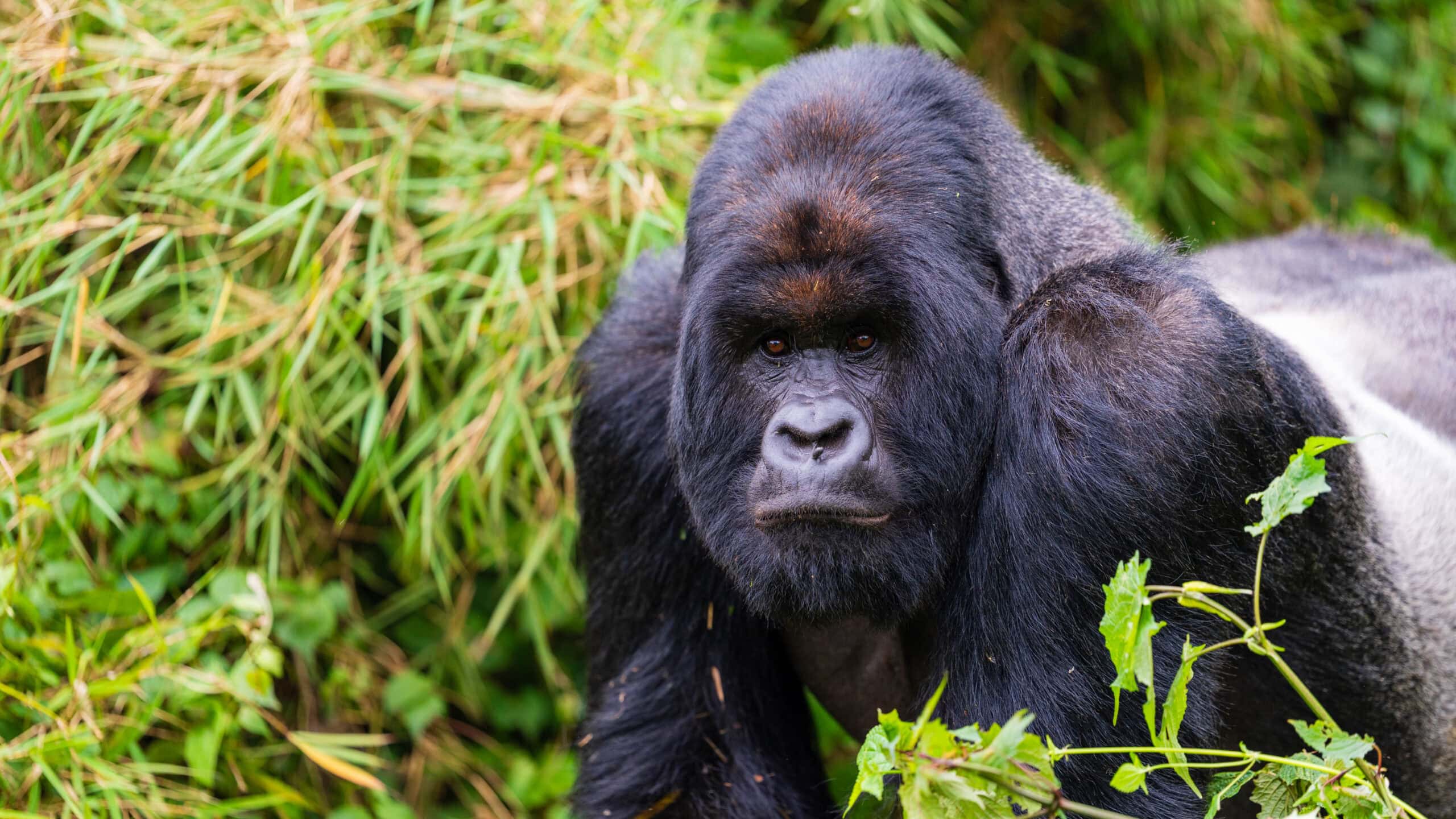
Your complete guide to Kenya Safari Entry Requirements and Visas. Find the best destinations, planning tips, and more for your next safari adventure.
Kenya Safari Entry Requirements and Visas
When it comes to kenya safari entry requirements and visas, there is no shortage of opinions. This evidence-based guide cuts through the noise to give you actionable, trustworthy information for your safari planning.
Safety and Health Considerations
Health preparation is an essential component of kenya safari entry requirements and visas. Consult with a travel medicine specialist at least six weeks before your departure to discuss vaccinations, malaria prophylaxis, and other health precautions specific to your destinations.
Travel insurance that specifically covers safari activities is strongly recommended. Standard travel insurance policies may not cover all the activities and situations you might encounter on an African safari. Ensure your policy covers medical evacuation, trip cancellation, and activity-specific risks.
Still researching? Let us help.
Our advisory team has planned safaris across 9 African countries. We can turn your research into a real plan.
Talk to an AdvisorExpert Recommendations
Working with a qualified safari planning guide can significantly improve your experience with kenya safari entry requirements and visas. Advisors who have personal experience in your chosen destinations can provide insights that no guidebook or website can match. They understand the subtle differences between properties, the best times to visit specific areas, and how to structure an itinerary that maximizes your time.
Budget considerations play an important role in kenya safari entry requirements and visas. While it is tempting to cut corners, experienced travelers consistently report that investing in quality where it matters most leads to significantly better outcomes. The key is knowing where to allocate your budget for maximum impact.
Making the Most of Your Experience
Finally, remember that a safari is more than just wildlife viewing. The cultural experiences, landscapes, and personal connections you make along the way are equally valuable. Approaching kenya safari entry requirements and visas with this broader perspective will enrich your entire journey.
To truly optimize kenya safari entry requirements and visas, approach your safari with an open mind and realistic expectations. Africa has a way of surprising even the most experienced travelers, and some of the best moments come from unexpected encounters and unplanned detours.
Regional Considerations Across Africa: Kenya Safari Entry Requirements and Visas
Central and West African destinations, including Uganda, Rwanda, and the Congo, offer specialized experiences like gorilla trekking that bring their own set of requirements. These destinations often involve more challenging terrain and different logistical considerations compared to the classic savanna safari.
Southern Africa presents a different landscape for kenya safari entry requirements and visas. Countries like Botswana, South Africa, Namibia, and Zimbabwe each have established infrastructure and practices that reflect their unique environments. The Okavango Delta, for instance, requires water-based considerations that land-based safaris in Kruger National Park do not.
Done Reading? Let's Build Your Safari.
Skip the guesswork. Work with an advisor who has been on the ground across East and Southern Africa.
Plan With UsPractical Planning Steps
Step three is creating a detailed plan that accounts for all aspects of kenya safari entry requirements and visas. This should include timelines, budgets, backup options, and contingency plans. The most successful safari travelers are those who plan thoroughly while remaining flexible enough to adapt to changing conditions.
Step two involves researching your options thoroughly. Compare different destinations, operators, and approaches to kenya safari entry requirements and visas. Read reviews from verified travelers, consult with safari operators, and cross-reference information from multiple sources.
Step one in addressing kenya safari entry requirements and visas is to clearly define your priorities and expectations. Are you focused on specific wildlife sightings, cultural experiences, photography opportunities, or a combination? Your answer will shape every subsequent decision.
Understanding Kenya's Electronic Travel Authorisation (eTA)
As of January 2024, Kenya has implemented a new digital travel system, replacing the previous e-visa requirement for all foreign visitors. All travelers, regardless of nationality (with the exception of East African Community citizens), must now apply for an Electronic Travel Authorisation (eTA) before their departure. This is a mandatory prerequisite for boarding your flight to Kenya.
The application is completed exclusively through the official government website, `etakenya.go.ke`. Be wary of third-party sites that may charge additional fees. The standard processing fee for the eTA is approximately $34 USD per person, and it is recommended to apply at least 72 hours before your travel date. However, we advise applying as soon as your flights and initial accommodation are booked to avoid any last-minute stress. For the application, you will need a valid passport with at least six months of validity, a recent passport-style photograph, your flight confirmation details, and proof of your accommodation booking for at least the first night of your stay.
Passport, Health, and Vaccination Requirements
Beyond the eTA, your passport must be valid for at least six months from your date of entry into Kenya and contain a minimum of two blank pages for entry and exit stamps. This is a strict requirement enforced by immigration officials at Jomo Kenyatta International Airport (NBO) and other ports of entry.
Regarding health, a Yellow Fever vaccination certificate is mandatory if you are arriving from a country with a risk of Yellow Fever transmission. This includes many countries in Africa and South America. Even if you are only transiting for more than 12 hours through an airport in a risk country, you will be required to show proof of vaccination. We strongly recommend consulting the CDC or your national health authority for the latest list of at-risk countries before you travel. Other recommended vaccinations for travel to Kenya include Hepatitis A, Typhoid, and ensuring your routine immunizations like Tetanus are up to date. While not mandatory, carrying a small medical kit with essentials like insect repellent, antiseptic wipes, and basic pain relievers is a practical measure for any safari.
Related Resources
For more information on planning your safari, explore our destination guides, browse the safari operator directory, or connect with an experienced safari planning guide for personalized guidance.
Advanced Tips for the eTA Application
While the eTA application is generally straightforward, several details can ensure a smooth process. When preparing your documents for upload, ensure they are in digital format (JPEG, PNG, or PDF) and that the file sizes are not excessively large. A common point of failure is a blurry or improperly formatted passport photo. The photo must be a recent, clear, front-facing image with a neutral background, similar to a standard passport photograph. When entering your accommodation details, providing the confirmation voucher or a letter from your safari operator can be more effective than a simple hotel booking confirmation, as it shows a more comprehensive itinerary.
For travelers with families, it's important to note that every individual, including infants and children, must have their own approved eTA. You can submit applications as a group, but each person requires a separate form and fee. After submission, you will receive an email confirmation. The official approval document is typically processed within 72 hours and sent via email. We strongly advise printing a physical copy of the approved eTA and keeping it with your passport, in addition to having a digital copy saved on your phone.
Navigating Immigration and Customs at the Airport
Upon arrival at Jomo Kenyatta International Airport (NBO) in Nairobi, you will proceed to the immigration hall. Have your documents ready for inspection: your passport, the printed copy of your eTA approval, and your Yellow Fever vaccination certificate if arriving from a designated risk country. The immigration officer will scan your passport, verify your eTA in their system, and may ask a few basic questions about the purpose of your visit and your intended length of stay. Having your return flight details and the contact information for your safari operator or first hotel readily available can expedite this process.
After clearing immigration and collecting your luggage, you will pass through customs. Kenya has a strict ban on all single-use plastics, including plastic bags and duty-free bags. All luggage is scanned, and any plastic bags will be confiscated. To avoid issues, ensure you pack using reusable bags or other compliant materials. If you are carrying professional camera equipment or drones, be prepared to declare them. While standard tourist camera gear is not an issue, drones require special permits obtained in advance from the Kenya Civil Aviation Authority (KCAA), and flying them in national parks is heavily restricted. It is often best to leave drones at home unless you have secured the necessary and complex permissions through your safari planning guide.
Need Expert Safari Guidance?
Get expert advisory support from a firm founded by a former safari guide — with real operational knowledge across 9 African countries and full-journey accountability.
Related Planning Guides
Recommended Reading
 Country Guides
Tanzania Safari Entry Requirements and Visas
Your complete guide to Tanzania Safari Entry Requirements and Visas. Find the best destinations, planning tips, and more for your next safari adventure.
 Country Guides
Botswana Safari Entry Requirements and Visas
Your complete guide to Botswana Safari Entry Requirements and Visas. Find the best destinations, planning tips, and more for your next safari adventure.
 Country Guides
South Africa Safari Entry Requirements and Visas
Your complete guide to South Africa Safari Entry Requirements and Visas. Find the best destinations, planning tips, and more for your next safari adventure.
 Safari Advisor Content
How a Safari Advisor Helps With Visa Requirements
Discover the essentials of how a safari advisor helps with visa requirements for an unforgettable African safari adventure.
 Safari Planning
Visa Requirements for African Safaris
Learn about visa requirements for African safaris, including e-Visas, visas on arrival, and visa-free travel for popular safari destinations.
 Safari Planning Guides
How to Plan a Short 3-Day Safari in Kenya
Discover how to plan your dream safari with our expert guide on How to Plan a Short 3-Day Safari in Kenya. Get tips on destinations, costs, and more.