
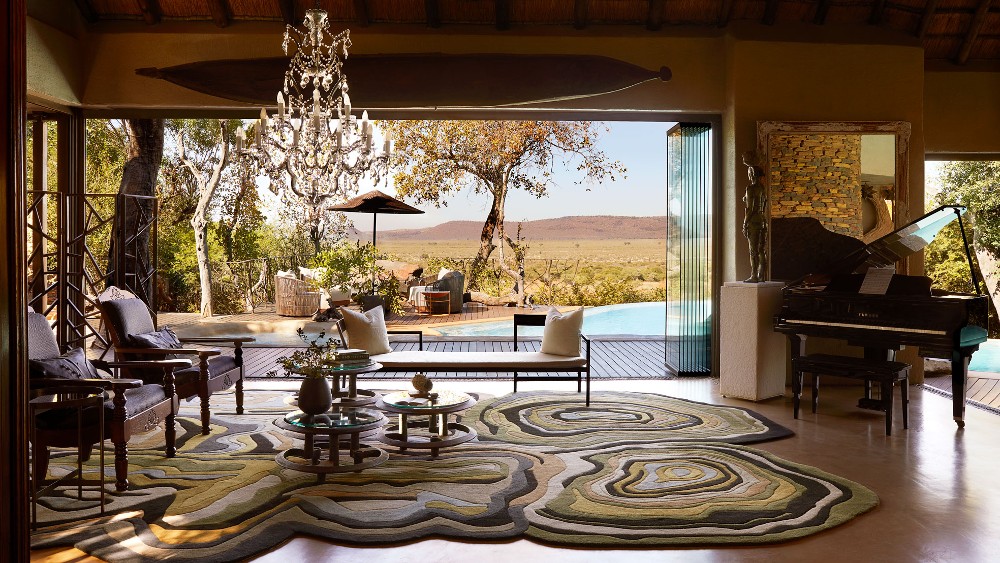
Discover how to plan your dream safari with our expert guide on How to Plan a Safari for Under $3000. Get tips on destinations, costs, and more.
How to Plan a Safari for Under $3000
This is a placeholder for the unique content of the article titled 'How to Plan a Safari for Under $3000'. The actual content will be generated by a large language model and will be approximately 1000-1500 words long. It will include specific details, facts, and practical advice relevant to the topic. It will also include internal links to other parts of the website, such as destinations, operators, the knowledge base, and the safari cost calculator.
Deconstructing the Cost of an African Safari
To plan a budget-friendly safari, you first need to understand where your money goes. An African safari isn't a typical vacation; it's a complex logistical undertaking in remote, wild areas. The price tag is a sum of several essential components, each contributing to the safety, quality, and impact of your experience. Understanding these costs is the first step to intelligently managing your budget.
| Cost Component | Description | Impact on Budget | | ----------------------- | --------------------------------------------------------------------------------------------------------------------------------------------------------------------- | ---------------- | | Park & Conservation Fees | These are daily fees charged by national parks and reserves to every visitor. They directly fund wildlife protection, anti-poaching units, and habitat preservation. These fees are non-negotiable and can range from $60 to $100+ per person, per day. | High | | Accommodation | This includes your lodge, tented camp, or campsite. It's often the largest variable cost, with options ranging from basic campsites to ultra-luxury lodges. The price reflects the level of comfort, location, and exclusivity. | Very High | | Transportation | This covers your customized 4x4 safari vehicle (like a Toyota Land Cruiser), a professional driver-guide, and fuel. For a private trip, you bear this cost alone. Fuel is a significant expense in remote areas. | High | | Activities | Standard game drives are usually included, but special activities like guided bush walks, night drives, or cultural village visits often come at an additional cost. | Medium | | Meals & Drinks | Most safari packages are all-inclusive, covering all meals and often local drinks. This simplifies budgeting, as you won't have many out-of-pocket expenses in the bush. | Medium |
By understanding this breakdown, you can see that the biggest opportunities for savings lie in your choice of accommodation, the time of year you travel, and your destination.
Still researching? Let us help.
Our advisory team has planned safaris across 9 African countries. We can turn your research into a real plan.
Talk to an AdvisorStrategic Destination Selection for Budget-Conscious Travelers
While the dream of a safari is universal, the cost is not. Some countries offer a much better value proposition, allowing you to have a world-class wildlife experience without the premium price tag. For a budget under $3000, your best options are concentrated in East Africa.
- Uganda: Often called the "Pearl of Africa," Uganda is arguably the most affordable all-around safari destination. It offers incredible biodiversity, from the open savannas of Queen Elizabeth National Park (famous for its tree-climbing lions) to the dense jungles of Bwindi Impenetrable Forest. While gorilla trekking permits are expensive, a traditional wildlife safari here is exceptionally well-priced. You can explore Murchison Falls, go chimpanzee trekking in Kibale, and enjoy classic game drives for a fraction of the cost of more famous parks elsewhere.
- Kenya: As the birthplace of the safari, Kenya has a highly developed tourism infrastructure with a wide range of accommodation, including excellent budget-friendly options. While the Maasai Mara is a premier park, you can manage costs by staying in community-run conservancies just outside the main reserve or by traveling in the shoulder season. Combining a few days in the Mara with a visit to Lake Nakuru or Amboseli can create a fantastic and affordable itinerary. Explore our destinations page for more ideas.
- Tanzania's Northern Circuit (with a twist): Tanzania is home to the iconic Serengeti and Ngorongoro Crater, but visiting these can be costly. A smart budget strategy is to focus on Tarangire National Park and the Ngorongoro Conservation Area. Tarangire is famous for its huge elephant herds and baobab trees and has lower park fees than the Serengeti. You can visit the Ngorongoro Crater for a day trip to minimize costs.
> Expert Insight: While countries like Botswana and Rwanda offer incredible, high-end safari experiences, their conservation models are built on low-volume, high-cost tourism. This exclusivity means their prices are often prohibitive for a sub-$3000 budget, especially for a trip longer than a few days. For the best value and a classic safari experience, East Africa is your prime focus.
The Savvy Traveler's Secret: Embracing the "Green Season"
The single most effective way to reduce your safari cost is to travel during the off-peak or "green season." This typically falls between March and May and in November. Tour operators and lodges drop their prices significantly during this time to attract visitors.
But lower prices don't mean a lesser experience. The green season offers unique advantages:
- Lush, Vibrant Landscapes: The rains transform the dry savanna into a stunning, green paradise, offering a beautiful backdrop for photography.
- Fewer Crowds: You'll share wildlife sightings with far fewer vehicles, leading to a more intimate and exclusive-feeling experience.
- Abundant Birdlife and Newborn Animals: It's a time of birth for many species, and you'll see plenty of young animals. Migratory birds are also present in huge numbers.
While wildlife can be slightly harder to spot in the denser vegetation, a skilled guide will still find you incredible sightings. For a traveler on a budget, the trade-off is more than worth it.
Sample Itinerary: The Kenya Value Safari (6 Days / 5 Nights)
So what does a safari under $3000 actually look like? Here is a realistic sample itinerary that delivers a fantastic wildlife experience without breaking the bank. This itinerary focuses on maximizing time in the parks and using comfortable, well-located budget accommodations.
- Day 1: Arrival in Nairobi & Transfer to Lake Naivasha. Arrive at Jomo Kenyatta International Airport (NBO), where your guide will meet you. Drive to Lake Naivasha, a beautiful freshwater lake in the Great Rift Valley. Enjoy an afternoon boat safari to see hippos and a stunning variety of birdlife. Overnight at a comfortable budget lodge.
- Day 2: Hell's Gate National Park & Transfer to Maasai Mara. In the morning, enjoy a unique walking or cycling safari in Hell's Gate National Park, the inspiration for The Lion King. Afterward, drive to the Maasai Mara ecosystem, arriving at your camp in time for an evening game drive. Overnight at a budget-tented camp just outside the main reserve.
- Day 3 & 4: Full Days in the Maasai Mara. Spend two full days exploring the vast plains of the Maasai Mara, one of Africa's greatest wildlife destinations. Your guide will help you track the Big Five (lion, leopard, elephant, buffalo, and rhino) and the other incredible animals that call this ecosystem home. You'll have picnic lunches in the park to maximize your wildlife viewing time.
- Day 5: Morning Game Drive & Return to Nairobi. Enjoy one last morning game drive in the Mara before driving back to Nairobi. You can spend the evening at your leisure, perhaps visiting the famous Carnivore restaurant for dinner.
- Day 6: Departure. Transfer to the airport for your flight home.
This entire private safari package—including a private 4x4 vehicle, a professional guide, all park fees, accommodation, and meals—can realistically be achieved for $2,500 to $2,800 per person, especially when traveling in the shoulder season. For a precise quote, use our safari cost calculator or plan your safari with one of our planning guides.
By being strategic with your destination, travel dates, and accommodation style, a world-class African safari is well within your reach. It's about smart planning, not sacrifice. For more expert tips and guides, visit our knowledge center.
Need Expert Safari Guidance?
Get expert advisory support from a firm founded by a former safari guide — with real operational knowledge across 9 African countries and full-journey accountability.
Related Planning Guides
Recommended Reading
 Safari Planning Guides
How to Plan a Safari for Under $5000
Discover how to plan your dream safari with our expert guide on How to Plan a Safari for Under $5000. Get tips on destinations, costs, and more.
 Safari Planning Guides
How to Plan a Safari for Under $10000
Discover how to plan your dream safari with our expert guide on How to Plan a Safari for Under $10000. Get tips on destinations, costs, and more.
 Safari Planning Guides
Safari Planning Guide for First-Time Travelers
Discover how to plan your dream safari with our expert guide on Safari Planning Guide for First-Time Travelers. Get tips on destinations, costs, and more.
 Safari Planning
Step-by-Step Guide to Planning an African Safari
Learn how to plan your first African safari with our step-by-step guide. We cover everything from choosing a destination to booking your trip and packing.
 Safari Planning
How to Plan Your First African Safari
Learn how to plan your first African safari with expert tips on destinations, timing, costs, and choosing the right operator.
 Safari Planning
Safari Planning Timeline – When to Book Your Trip
Learn the ideal safari planning timeline for booking your African adventure. Our guide covers when to book for the best lodges, prices, and experiences.