
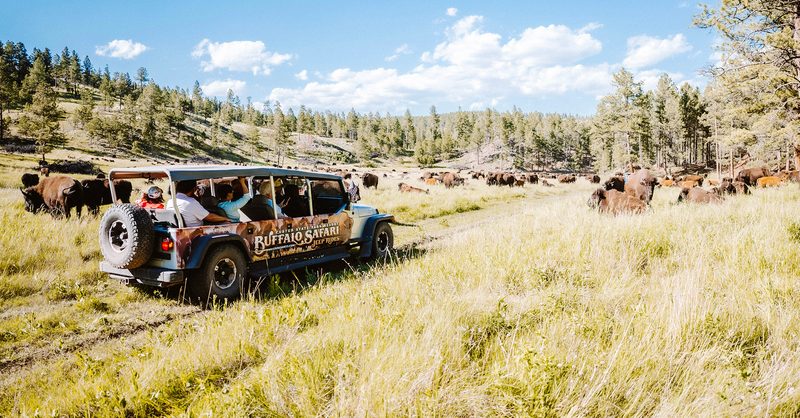
Discover how to plan your dream safari with our expert guide on How to Choose Between Flying and Driving on Safari. Get tips on destinations, costs, and more.
How to Choose Between Flying and Driving on Safari
This is a placeholder for the unique content of the article titled 'How to Choose Between Flying and Driving on Safari'. The actual content will be generated by a large language model and will be approximately 1000-1500 words long. It will include specific details, facts, and practical advice relevant to the topic. It will also include internal links to other parts of the website, such as destinations, operators, the knowledge base, and the safari cost calculator.
_Generated by an AI model._
Deep Dive: A Cost-Benefit Analysis of Flying vs. Driving
When planning your safari, the decision to fly or drive between locations is one of the most significant choices you'll make, with major implications for your budget, timeline, and overall experience. While driving may seem like the more economical option upfront, a deeper analysis often reveals a more nuanced picture. Let's break down the real costs and benefits.
The Driving Equation: More Than Just a Daily Rate
A private safari vehicle with a dedicated driver-guide is the classic way to experience a safari. The cost typically ranges from $250 to $400 per day, but this figure can be misleading. This fee includes the vehicle, fuel, and the guide's salary and park entry fees. However, you must also factor in the transit days. For example, driving from Arusha to the Serengeti takes a full day, and the return trip takes another. That's two days of your itinerary dedicated to travel, during which you are still paying the full daily rate for the vehicle and guide, plus your own accommodation and park fees.
Expert Insight: While a long drive through the Tanzanian countryside can be an adventure in itself, offering glimpses into local life, it's crucial to weigh this against the cost of a lost day for game viewing. For itineraries under seven days, these transit days can significantly reduce your time in prime wildlife areas.
The Flying Equation: Factoring in All Variables
Internal flights on small bush planes (like a Cessna Caravan) are a popular way to hop between parks. A one-way flight from Arusha to a Serengeti airstrip might cost between $250 and $500 per person. While this seems high, it reduces a full-day drive to a 90-minute flight. This means you can wake up in Arusha and be on a game drive in the Serengeti by lunchtime.
However, flying has its own set of associated costs. You will still need a vehicle and guide for game drives at your destination. Most fly-in camps and lodges offer shared game drives in their own vehicles. If you require a private vehicle, the cost can be substantial, often ranging from $400 to $700 per day. Therefore, a fly-in safari is often best suited for travelers who are comfortable with shared game drives.
| Feature | Driving Safari | Flying Safari | | :--- | :--- | :--- | | Vehicle Cost | $250 - $400/day (private) | $400 - $700/day (private, at lodge) | | Transit Time | 1-2 full days per long transfer | 1-3 hours per flight | | Experience | Immersive, cultural, continuous | Efficient, aerial views, less fatigue | | Luggage | Flexible (within vehicle limits) | Strict (15kg/33lbs in soft bags) | | Best For | Longer itineraries, budget-conscious travelers, photographers | Short itineraries, luxury travelers, multi-country trips |
Still researching? Let us help.
Our advisory team has planned safaris across 9 African countries. We can turn your research into a real plan.
Talk to an AdvisorThe Experiential Difference: What Do You Gain and Lose?
Beyond the numbers, the choice between flying and driving shapes the very nature of your safari experience.
The Immersive Journey of the Road
Driving offers a ground-level perspective that connects you to the landscape and its people. You'll pass through villages, see local markets, and witness the gradual changes in terrain as you move from highlands to savanna. This continuous journey provides a sense of scale and context that is lost when you fly over it. For many, this is an integral part of the adventure, offering a more holistic and authentic view of the country.
Traveler's Tip: If you choose to drive, embrace the journey. Ask your safari planning guide to incorporate interesting stops, like the Mto wa Mbu market near Lake Manyara or a visit to a local school or community project. These experiences can be as memorable as the wildlife sightings.
The Thrill and Efficiency of the Air
A flight in a small bush plane is an experience in itself. Flying low over the Great Rift Valley or the vast plains of the Serengeti offers breathtaking panoramic views. You can spot herds of elephants from the air and gain a true appreciation for the sheer scale of the wilderness. It's a thrilling and incredibly efficient way to travel, maximizing your time in the heart of the action.
However, this efficiency comes at the cost of the connection you feel on a road journey. You are transported from one bubble of wilderness to another, with less of the interstitial experience. It can feel more like a series of destinations rather than a single, unfolding journey.
Case Study: The Tale of Two Safaris
Let's consider two hypothetical travelers to illustrate the best choice for different priorities.
Case Study 1: The Photographer on a 10-Day Safari
- Priority: Maximum control over game drives, unlimited luggage for camera gear.
- Best Choice: Driving.
- Rationale: A private vehicle is non-negotiable for a serious photographer. It allows for complete control over positioning, lighting, and the duration of sightings. The flexibility in luggage means they can bring multiple camera bodies, lenses, and tripods without worry. A 10-day itinerary provides enough time to absorb the transit days without feeling rushed.
Case Study 2: The Honeymooners on a 7-Day Luxury Safari
- Priority: Comfort, maximizing time in luxury lodges, minimizing travel fatigue.
- Best Choice: Flying.
- Rationale: For a shorter, high-end trip, flying is the clear winner. It allows the couple to move seamlessly between exclusive camps in different ecosystems, such as the Ngorongoro Crater and a remote corner of the Serengeti. This minimizes time on bumpy roads and maximizes their enjoyment of the lodges and their shared game drives. The strict luggage limit is less of a concern for non-photographers.
The Hybrid Approach: The Best of Both Worlds
For many travelers, the ideal solution is a hybrid safari that combines driving and flying. This approach offers a perfect balance of immersive travel and efficiency.
For example, you might drive from Arusha to Tarangire and then to the Ngorongoro Crater, enjoying the journey through the northern circuit. After your time in the Crater, instead of embarking on the long 4-5 hour drive to the Serengeti, you could take a short flight from the Manyara airstrip. This saves you a long, dusty drive and gives you an extra afternoon on safari in the Serengeti.
This strategy is particularly effective for longer, multi-country itineraries. You might explore southern Kenya by road and then fly to Tanzania or Rwanda to minimize cross-border transit times. Discuss these options with our safari operators to craft the perfect custom itinerary.
Ultimately, the choice between flying and driving is a personal one, dependent on your budget, timeline, and travel style. By understanding the true costs and experiential trade-offs, you can make an informed decision that ensures your safari is everything you dreamed it would be. For more guidance, explore our destinations or use our safari cost calculator to model different scenarios. When you're ready, plan your safari with one of our experts.
Need Expert Safari Guidance?
Get expert advisory support from a firm founded by a former safari guide — with real operational knowledge across 9 African countries and full-journey accountability.
Related Planning Guides
Recommended Reading
 Safari Planning Guides
How to Choose Between a Lodge Safari and Camping Safari
Discover how to plan your dream safari with our expert guide on How to Choose Between a Lodge Safari and Camping Safari. Get tips on destinations, costs, and more.
 Safari Comparison Articles
Walking Safari vs Driving Safari Comparison
An in-depth comparison of Walking Safari vs Driving Safari Comparison to help you choose the perfect safari experience. Explore the pros, cons, and key differen
 Safari Comparison Articles
Short Safari vs Long Safari \u2013 What to Choose
An in-depth comparison of Short Safari vs Long Safari \u2013 What to Choose to help you choose the perfect safari experience. Explore the pros, cons, and key di
 Safari Comparison Articles
Zambia Walking Safari vs Driving Safari
Discover the thrill of a Zambian walking safari versus a classic driving safari. This guide compares the experiences in parks like South Luangwa and the Lower Zambezi to help you choose.
 Safari Advisor Content
How a Safari Advisor Helps You Choose the Right Destination
Discover the essentials of how a safari advisor helps you choose the right destination for an unforgettable African safari adventure.
 Safari Planning
How to Choose a Safari Operator
Learn how to choose a reputable African safari operator with our expert guide. We cover vetting companies, questions to ask, and understanding safari costs.