
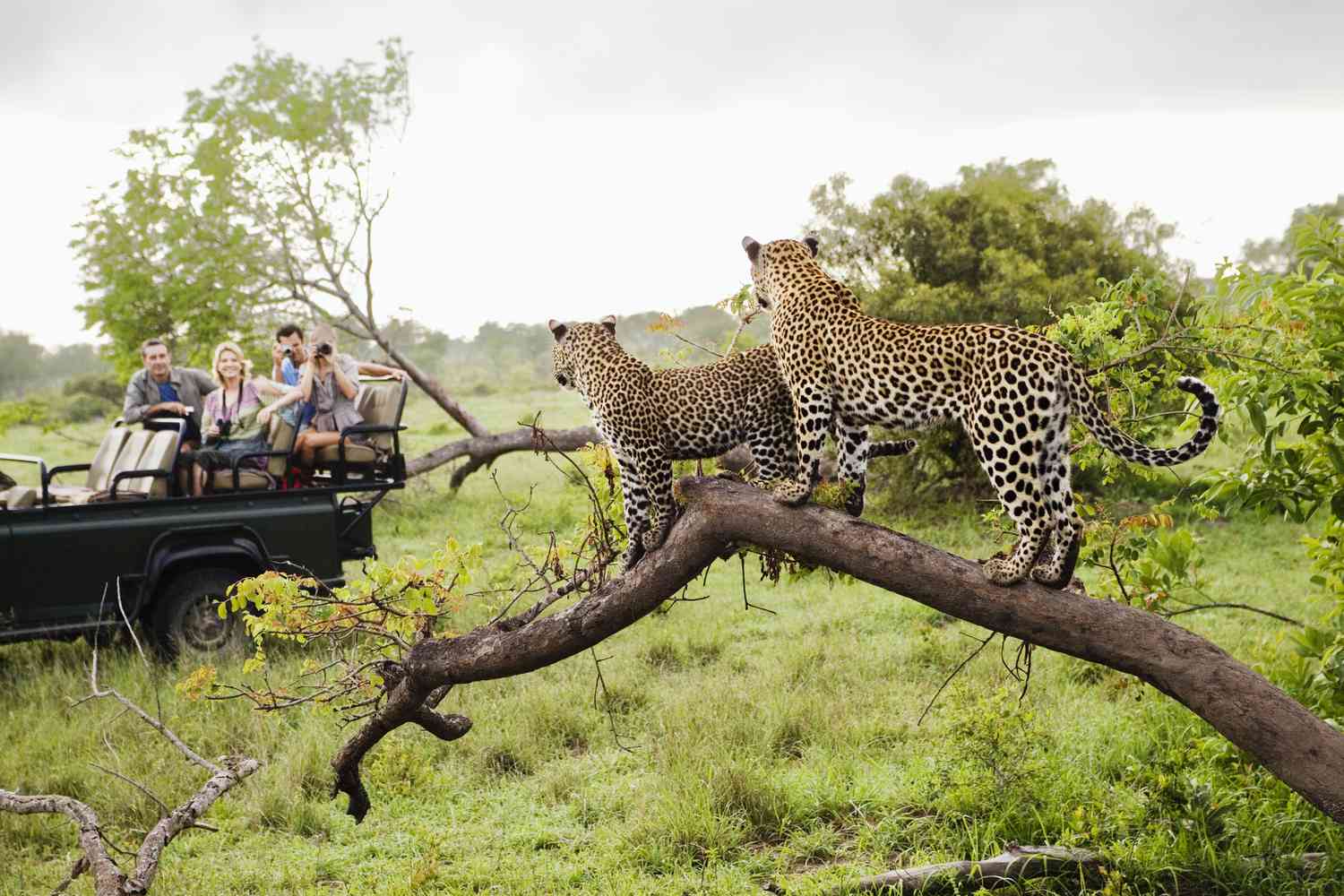
Learn about how to budget for a 21-day safari in this comprehensive safari guide covering key insights and practical advice.
Overview
Understanding the financial aspects of how to budget for a 21-day safari is essential for planning a safari that delivers exceptional value. Safari costs vary significantly based on destination, season, accommodation level, and the specific activities included. This guide breaks down the key cost factors and provides practical budgeting advice to help you plan wisely.
Detailed Analysis
When examining how to budget for a 21-day safari in detail, several important factors come into play. The geographic diversity of African safari destinations means that conditions, pricing, and experiences vary considerably from one region to another. East Africa's open savannas present different considerations than Southern Africa's bushveld or the rainforests of Central Africa. Our destination guides provide region-specific information to help you understand these differences and plan accordingly.
Still researching? Let us help.
Our advisory team has planned safaris across 9 African countries. We can turn your research into a real plan.
Talk to an AdvisorPractical Guidance
Putting your understanding of how to budget for a 21-day safari into practice means taking concrete, well-sequenced steps. Begin with thorough research using reliable sources, then compare multiple options before committing. Don't rush the decision-making process, as the best safari experiences are built on careful preparation and realistic expectations. Our team of safari operators can review your plans and offer suggestions based on years of experience in African travel.
Expert Insights
Industry professionals and experienced safari travelers consistently emphasize the importance of understanding how to budget for a 21-day safari before committing to a specific plan. The consensus among experts is that informed travelers not only have better experiences but also make more sustainable choices that benefit the destinations they visit. Our safari operators embody this philosophy, providing personalized guidance that goes well beyond generic travel advice.
Planning Your Next Steps
As you continue planning your African safari, keep the insights from how to budget for a 21-day safari in mind as valuable reference points. The more thoroughly you understand the various dimensions of safari travel, the better positioned you'll be to create an experience that exceeds your expectations. Explore our destinations, browse the knowledge center, and connect with our safari operators to take the next confident step in your journey.
Done Reading? Let's Build Your Safari.
Skip the guesswork. Work with an advisor who has been on the ground across East and Southern Africa.
Plan With UsSample 21-Day Safari Itinerary & Budget Breakdown
A 21-day safari allows for an immersive multi-country journey, typically combining two or three distinct regions. Let's explore a classic East Africa itinerary that blends Kenya's iconic savannahs with Tanzania's volcanic landscapes and Uganda's primate encounters.
Expert Insight: This itinerary is a popular choice for first-time safari travelers who want to witness the Great Migration, see the "Big Five," and track mountain gorillas. It offers a comprehensive taste of Africa's diverse ecosystems.
Part 1: Kenya's Maasai Mara & Amboseli (8 Days)
- Destinations: Amboseli National Park, Ol Pejeta Conservancy, Maasai Mara National Reserve
- Activities: Game drives, walking safaris, rhino tracking, cultural visits
- Accommodation Style: Mid-range lodges and tented camps
- Estimated Cost: $4,800 - $6,400 per person
This portion of your journey focuses on classic big-game viewing. Amboseli offers breathtaking views of Mount Kilimanjaro and large elephant herds. Ol Pejeta is a model for conservation, home to the last two northern white rhinos and a thriving chimpanzee sanctuary. The Maasai Mara, of course, is the main event, especially during the Great Migration (July-October).
Part 2: Tanzania's Serengeti & Ngorongoro Crater (8 Days)
- Destinations: Serengeti National Park, Ngorongoro Crater, Tarangire National Park
- Activities: Game drives, crater descent, optional hot air balloon safari
- Accommodation Style: Mid-range lodges and mobile camps (to follow the migration)
- Estimated Cost: $5,200 - $7,000 per person
Crossing into Tanzania, you'll follow the migration's path into the vast Serengeti plains. The Ngorongoro Crater, a UNESCO World Heritage Site, offers an unparalleled density of wildlife within its caldera. Tarangire is a hidden gem, known for its large elephant population and baobab-studded landscape.
Part 3: Uganda's Gorilla Trekking Adventure (5 Days)
- Destinations: Bwindi Impenetrable Forest National Park
- Activities: Gorilla trekking, Batwa cultural experience
- Accommodation Style: Forest lodges
- Estimated Cost: $3,500 - $4,500 per person (including gorilla permits)
Traveler's Tip: Gorilla permits in Uganda currently cost $700 per person and are strictly limited. It's essential to book these at least 6-12 months in advance, a process our safari operators can manage for you.
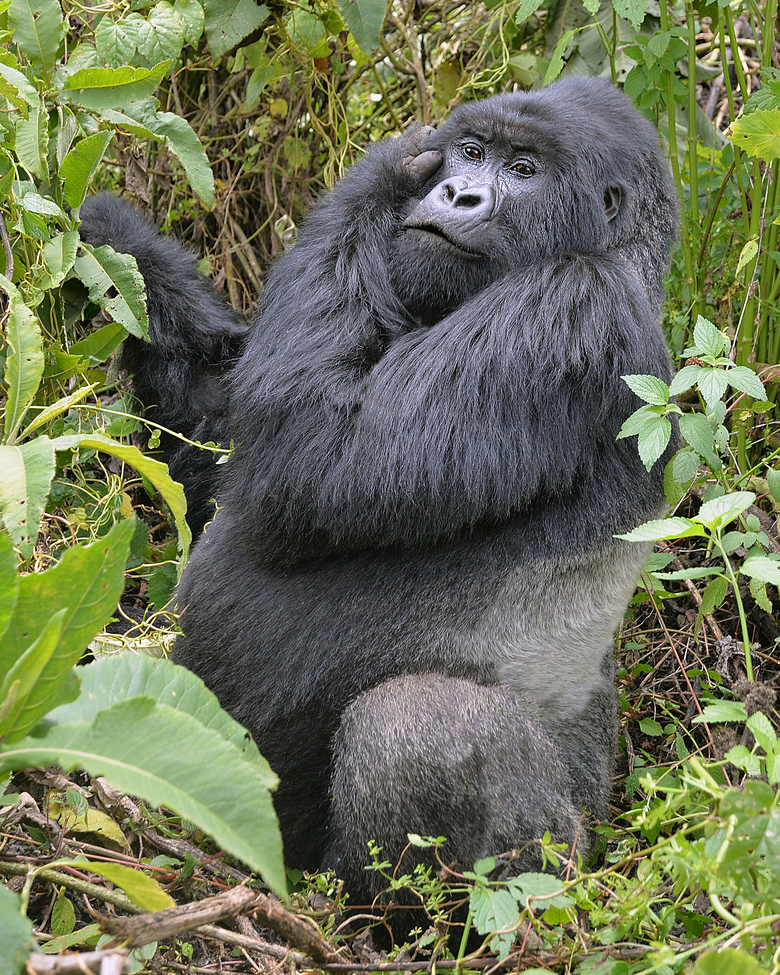
The final leg of your adventure takes you to the misty mountains of Uganda for a once-in-a-lifetime encounter with mountain gorillas. The trek is challenging but incredibly rewarding. This experience provides a powerful contrast to the savannah safaris and a poignant lesson in conservation.
Total Estimated 21-Day Safari Cost (Mid-Range): $13,500 - $17,900 per person.
This budget includes internal flights, park fees, accommodation, meals, and guided activities. International flights to and from Africa are not included. For a more detailed estimate, use our interactive cost calculator.
Key Strategies for Managing Your 21-Day Safari Budget
While a three-week African safari is a significant investment, several strategies can help you manage costs effectively without sacrificing the quality of your experience. The key is to make informed decisions that align with your priorities.
1. Travel During the "Shoulder Seasons"
The most significant factor influencing safari cost is timing. The peak season (usually June to October) sees the highest prices due to dry weather and prime wildlife viewing events like the Great Migration. By traveling during the "shoulder seasons" (April-May and November-early December), you can benefit from lower accommodation rates and fewer crowds.
- Expert Insight: The shoulder seasons often present unique advantages. In the "green season," landscapes are lush and vibrant, and it's a prime time for birdwatching and seeing newborn animals. Parks like the Serengeti and Maasai Mara are spectacular year-round, and a savvy traveler can find exceptional value during these months.
2. Choose Your Accommodation Wisely
Accommodation is the largest component of your daily safari cost. While luxury lodges offer incredible amenities, you can find excellent comfort and service in mid-range and even some budget-friendly options. Consider a mix of accommodation styles:
- Tented Camps: These are not basic tents. They are spacious canvas rooms with en-suite bathrooms, comfortable beds, and a private veranda. They offer an immersive connection to the wilderness.
- Classic Lodges: These are more permanent structures, often with swimming pools and larger communal areas. They provide a higher level of comfort and are great for families.
- Mobile Camps: In regions like the Serengeti, mobile camps move several times a year to stay close to the Great Migration herds. They offer a front-row seat to the action.
By working with our safari operators, you can create a custom itinerary that balances a few "splurge" properties with more economical choices, optimizing your budget across the 21 days.
3. Minimize Internal Flights
While flying between parks saves time, it adds considerable cost. A well-designed itinerary that connects parks via ground transfers can significantly reduce your overall budget. For example, the northern circuit in Tanzania (Tarangire, Ngorongoro, Serengeti) is easily navigable by a private 4x4 vehicle. This not only saves money but also allows you to witness the changing landscapes and local life between destinations.
4. Join a Small Group Safari
For certain legs of your journey, consider joining a pre-scheduled small group departure. This is a great way to share the costs of a vehicle and guide without being crowded. This is a particularly effective strategy for more expensive activities like gorilla trekking or for specific photographic tours. Our plan your safari page details several small group options.
Traveler's Tip: Be cautious of overly cheap "group" safaris that pack 8-10 people into a vehicle. This significantly compromises the experience, as not everyone gets a window seat or a clear line of sight for photography. A quality small group safari should have a maximum of 6 travelers per vehicle.
DIY vs. All-Inclusive: A Cost-Benefit Analysis for a 21-Day Safari
One of the most common questions travelers ask is whether to book an all-inclusive safari package or arrange everything themselves (DIY). For a complex, 21-day multi-country trip, the answer becomes clearer when you weigh the costs and benefits.
The DIY Approach: Perceived Savings vs. Hidden Costs
Booking your own lodges, arranging transport, and paying park fees separately may seem cheaper upfront. However, this approach comes with hidden complexities and potential costs:
- Logistical Challenges: Coordinating multiple bookings across different countries, managing payment schedules, and arranging ground transfers is a full-time job. A single missed connection or booking error can have a cascading effect on your itinerary.
- Lack of On-the-Ground Support: If a problem arises—a vehicle breakdown, a lodge issue, or a medical concern—you are on your own. This lack of a safety net can be stressful and costly.
- Access & Rates: Tour operators often have access to wholesale rates and room availability that individual travelers do not. They also have established relationships with lodges and guides, ensuring a higher level of service.
The All-Inclusive Approach: Value Beyond Price
An all-inclusive safari, planned through a reputable firm like our safari operators, bundles all major costs into a single, transparent price. This typically includes accommodation, meals, park fees, a private vehicle and guide, and internal transfers. The value here extends far beyond convenience:
- Expert Planning: You benefit from deep, on-the-ground knowledge to create the most logical and efficient itinerary, maximizing your time and experiences.
- Seamless Execution: All logistics are handled for you, from airport pickups to border crossings. This allows you to relax and immerse yourself in the experience.
- 24/7 Support: A dedicated team is available to handle any unforeseen issues, providing peace of mind throughout your 21-day journey.
- Financial Protection: Reputable operators are bonded and insured, protecting your investment.
For a trip of this length and complexity, the slightly higher initial cost of an all-inclusive package is almost always offset by the logistical ease, expert guidance, and comprehensive support you receive. It transforms a potentially stressful undertaking into a seamless adventure of a lifetime. To learn more about our process, visit our plan your safari page.
Need Expert Safari Guidance?
Get expert advisory support from a firm founded by a former safari guide — with real operational knowledge across 9 African countries and full-journey accountability.
Related Planning Guides
Recommended Reading
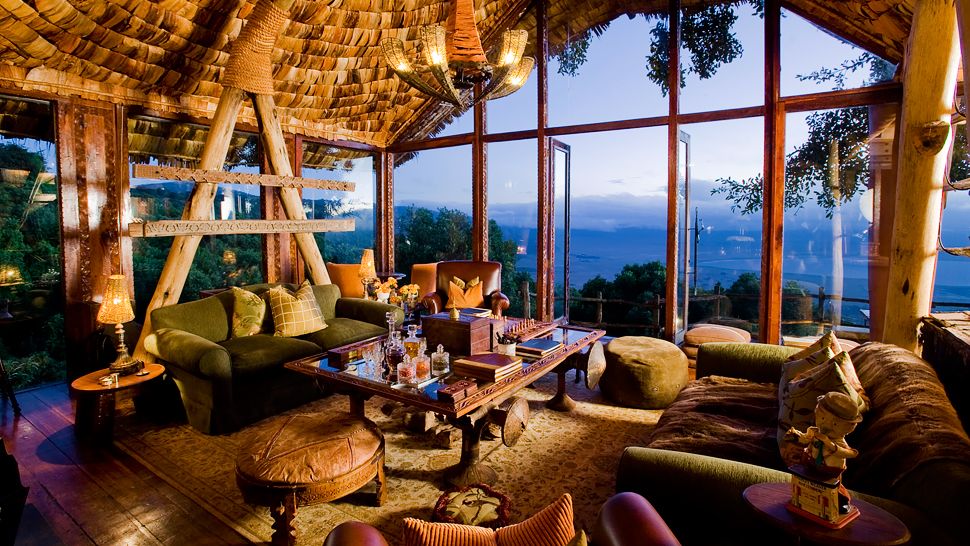 Safari Cost Guides
Safari Clothing and Gear Budget
Planning a safari? Learn about safari clothing and gear budget. Get expert advice and insights from Safari Intelligence to plan your perfect trip.
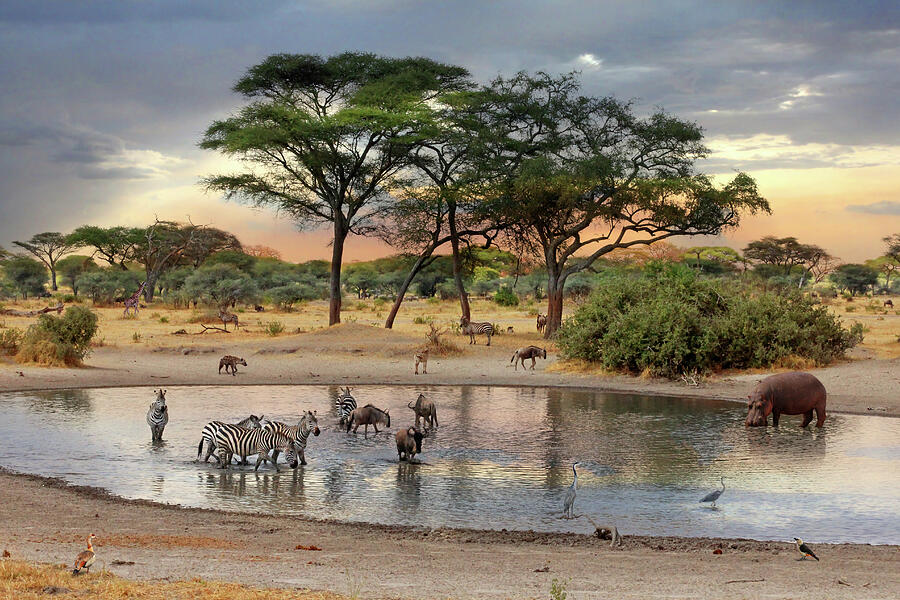 Safari Cost Guides
How to Budget for a 5-Day Safari
Planning a safari? Learn about how to budget for a 5-day safari. Get expert advice and insights from Safari Intelligence to plan your perfect trip.
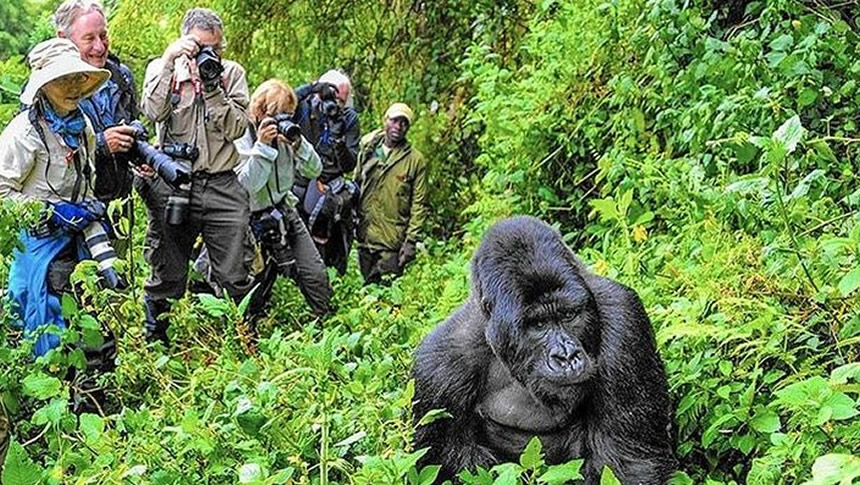 Safari Cost Guides
How to Budget for a 7-Day Safari
Planning a safari? Learn about how to budget for a 7-day safari. Get expert advice and insights from Safari Intelligence to plan your perfect trip.
 Safari Costs
Budget Safari vs Luxury Safari Costs
Discover the key cost differences between budget and luxury safaris, from accommodation and guiding to game drives and locations, to choose the right trip for you.
 Safari Planning Guides
Safari Planning Guide for Budget Travelers
Discover how to plan your dream safari with our expert guide on Safari Planning Guide for Budget Travelers. Get tips on destinations, costs, and more.
 Safari Comparison Articles
Budget Safari vs Mid-Range Safari
An in-depth comparison of Budget Safari vs Mid-Range Safari to help you choose the perfect safari experience. Explore the pros, cons, and key differences to mak