
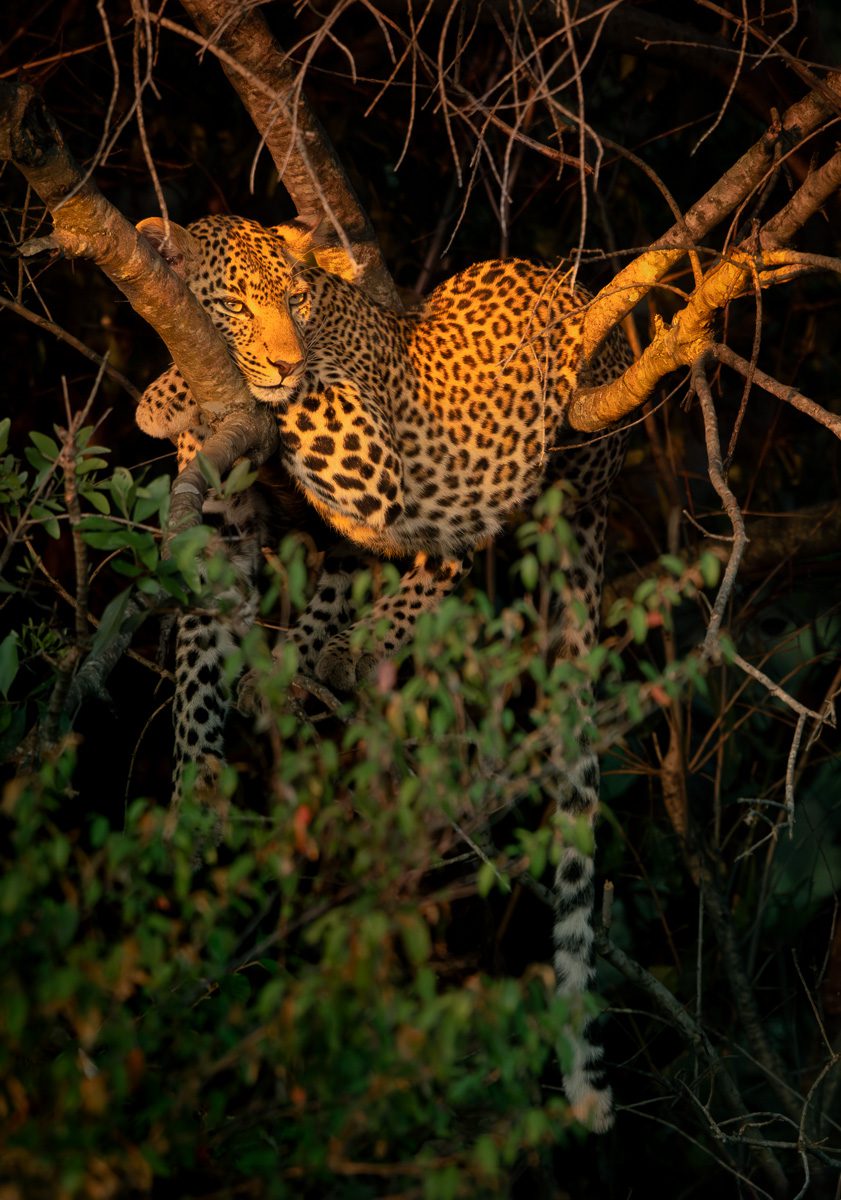
An overview of the rigorous training and certification processes that safari guides undergo to become experts in the African bush.
The Importance of a Great Guide
A safari guide can make or break your safari experience. They are your window into the African bush, and their knowledge, passion, and personality can have a huge impact on your trip. That is why reputable safari operators invest heavily in training and developing their guides. A great guide is not just an expert in wildlife; they are also a skilled driver, a charismatic host, and a dedicated conservationist. Our safari operators can connect you with operators known for their exceptional guides.
The Rigorous Training Process
Becoming a professional safari guide is a long and challenging process. In many countries, guides must undergo a rigorous training and certification program. For example, in Zimbabwe, the professional guide license is one of the most difficult to obtain in Africa, requiring years of study and practical experience. In South Africa, the Field Guides Association of Southern Africa (FGASA) sets the standard for guide training and certification. These programs cover a wide range of subjects, including wildlife behavior, botany, tracking, and guest relations.
Still researching? Let us help.
Our advisory team has planned safaris across 9 African countries. We can turn your research into a real plan.
Talk to an AdvisorThe Different Levels of Guide Certification
In many countries, there are different levels of guide certification, from basic to advanced. For example, the FGASA system has several levels, from Level 1 to Professional Field Guide. The higher the level, the more knowledge and experience the guide has. When choosing a safari operator, inquire about the certification level of their guides. A good operator will be proud to tell you about the qualifications of their team. For more on this topic, visit our knowledge center.
Ongoing Training and Development
The best safari operators understand that guide training is an ongoing process. They provide their guides with regular opportunities for professional development, such as advanced training courses, workshops, and educational trips. This ensures that their guides are always up-to-date on the latest research and conservation issues. By investing in their guides, these operators are investing in the quality of their safaris. Use our cost calculator to see how the quality of your guide can impact the cost of your safari.
The Core Curriculum: What Elite Guides Learn
While basic guide training covers the fundamentals of wildlife identification and safety, top-tier safari operators invest in a far more rigorous and comprehensive curriculum. This advanced training is what transforms a competent guide into an elite one, capable of delivering a truly world-class safari experience. The curriculum is multifaceted, focusing on deep ecological knowledge, sophisticated tracking skills, and exceptional guest service.
Key areas of study include:
- Advanced Wildlife Tracking: This goes beyond identifying footprints. Elite guides learn to interpret subtle signs in the bush—a freshly broken branch, the alarm call of a specific bird, the scent on the wind—to predict animal movements and locate elusive species. They can distinguish between the tracks of a male and female leopard or estimate how long ago an elephant passed through an area. This skill is honed over years of practice in places like the dense woodlands of Tanzania's Selous Game Reserve or the vast plains of the Serengeti.
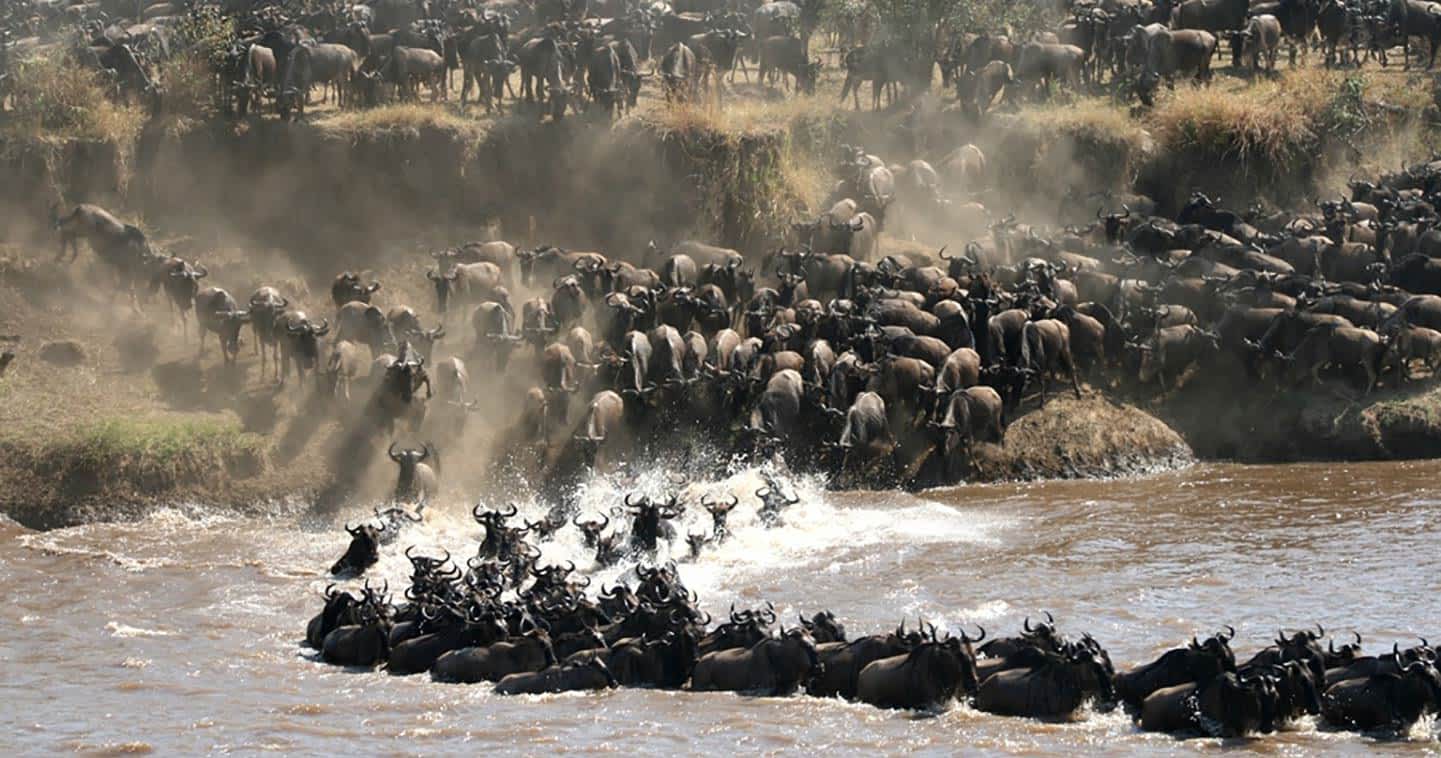
- Animal Behavior and Ecology: A great guide doesn't just show you a lion; they interpret its behavior for you. They can explain the complex social dynamics of a wild dog pack, the meaning behind an elephant's ear-flapping, or the symbiotic relationship between oxpeckers and buffalo. This deep understanding of ecology allows them to anticipate action, positioning the vehicle for the best photographic angles when a cheetah is about to hunt or explaining the significance of a particular wildebeest river crossing during the Great Migration.
- Conservation and Community: Leading operators ensure their guides are ambassadors for conservation. Training includes in-depth knowledge of local conservation challenges, anti-poaching initiatives, and the role of tourism in supporting protected areas. Guides can often articulate the specific conservation work their company supports, from community-led projects around Kenya's Maasai Mara to rhino protection programs in Botswana. This provides travelers with a richer understanding of the ecosystem they are visiting.
> Expert Insight: The Art of Interpretive Guiding > The best guides are not just naturalists; they are master storytellers. They weave together facts about wildlife, geology, and local culture into a compelling narrative that brings the landscape to life. This interpretive skill is a core part of their training, focusing on how to engage guests, anticipate their questions, and tailor the experience to their interests. It's the difference between simply seeing an animal and truly understanding its place in the world.
Done Reading? Let's Build Your Safari.
Skip the guesswork. Work with an advisor who has been on the ground across East and Southern Africa.
Plan With UsSpecialized Training Tracks and Certifications
Beyond the core curriculum, many guides pursue specialized training to become experts in specific fields. This allows safari operators to match guests with guides who align with their interests, whether it's photography, birding, or adventure.
- Walking Safari Specialization: Guiding a safari on foot requires an entirely different skill set. Guides must undergo rigorous training in bushcraft, dangerous game encounters, and advanced tracking. They learn to read the wind and use the terrain to approach animals safely and ethically. Operators in Zambia's South Luangwa National Park and Zimbabwe's Mana Pools National Park are particularly renowned for their highly trained walking safari guides.
- Photographic Guiding: With the rise of photographic safaris, some guides now specialize in helping guests capture the perfect shot. This training covers vehicle positioning for optimal light and angles, understanding camera settings, and anticipating animal behavior for dramatic action shots. A photographic guide knows to position the vehicle so the morning light illuminates a leopard's coat, not silhouettes it.
- Formal Certifications and Standards: In many countries, guide qualifications are formalized through professional associations. The Field Guides Association of Southern Africa (FGASA) and the Kenya Professional Safari Guides Association (KPSGA) are two of the most respected. These bodies set rigorous standards and offer graded qualifications (e.g., KPSGA Bronze, Silver, Gold). When choosing an operator, it's a strong indicator of quality if their guides hold these advanced certifications. For help vetting operators and their guide standards, our team of safari operators can provide expert guidance.
How Training Translates to Your Safari Experience
The investment in guide training directly impacts the quality, safety, and cost of your safari. An operator who pays for ongoing professional development for their team is investing in the success of your trip. A highly trained guide can navigate complex logistical challenges, manage unexpected wildlife encounters with calm authority, and ultimately deliver more profound and memorable wildlife sightings.
This level of expertise is a key differentiator between a budget-friendly tour and a high-quality safari. When you use our cost calculator, you'll see that operators who employ the best guides often have higher price points, but the value they provide is immeasurable. Before booking your trip, don't hesitate to ask operators about their guide training programs and the qualifications their guides hold. It's one of the most important questions you can ask. For more articles and insights to help you plan, visit our knowledge center. Or, when you're ready, start building your journey with our plan your safari tool.
Need Expert Safari Guidance?
Get expert advisory support from a firm founded by a former safari guide — with real operational knowledge across 9 African countries and full-journey accountability.
Related Planning Guides
Recommended Reading
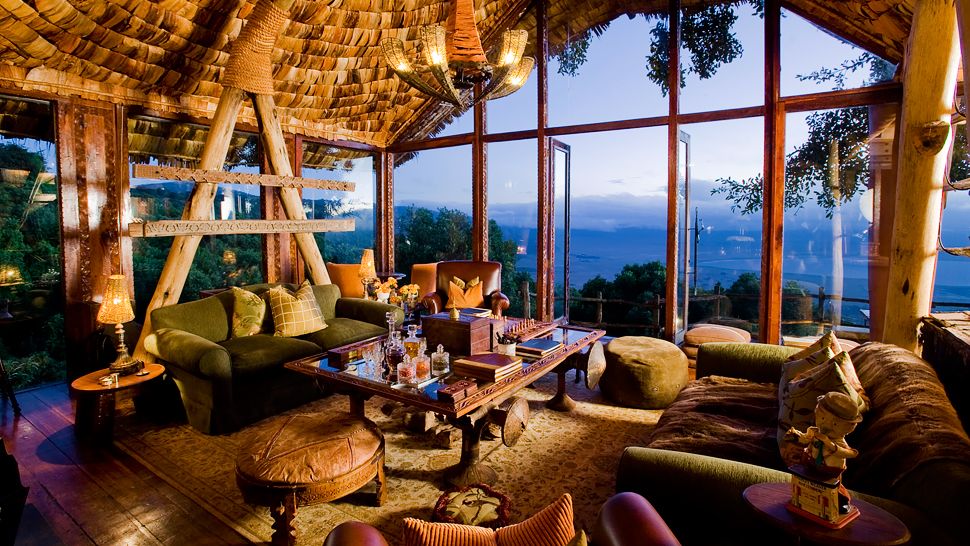 Safari Operator Articles
Safari Operator Guide Qualification Standards
Learn about safari operator guide qualification standards and how it can impact your safari experience. Get expert advice and start planning your dream safari today.
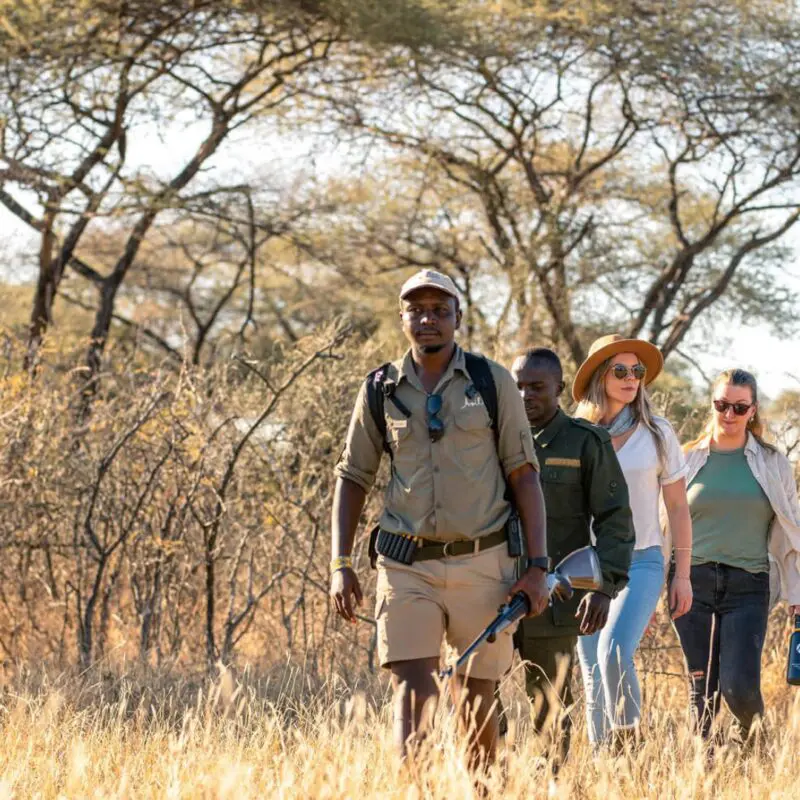 Additional Safari Topics
Safari Guides and Training
A great safari guide can make or break your trip. Learn about the training, qualifications, and what to look for when choosing a safari with a professional guide.
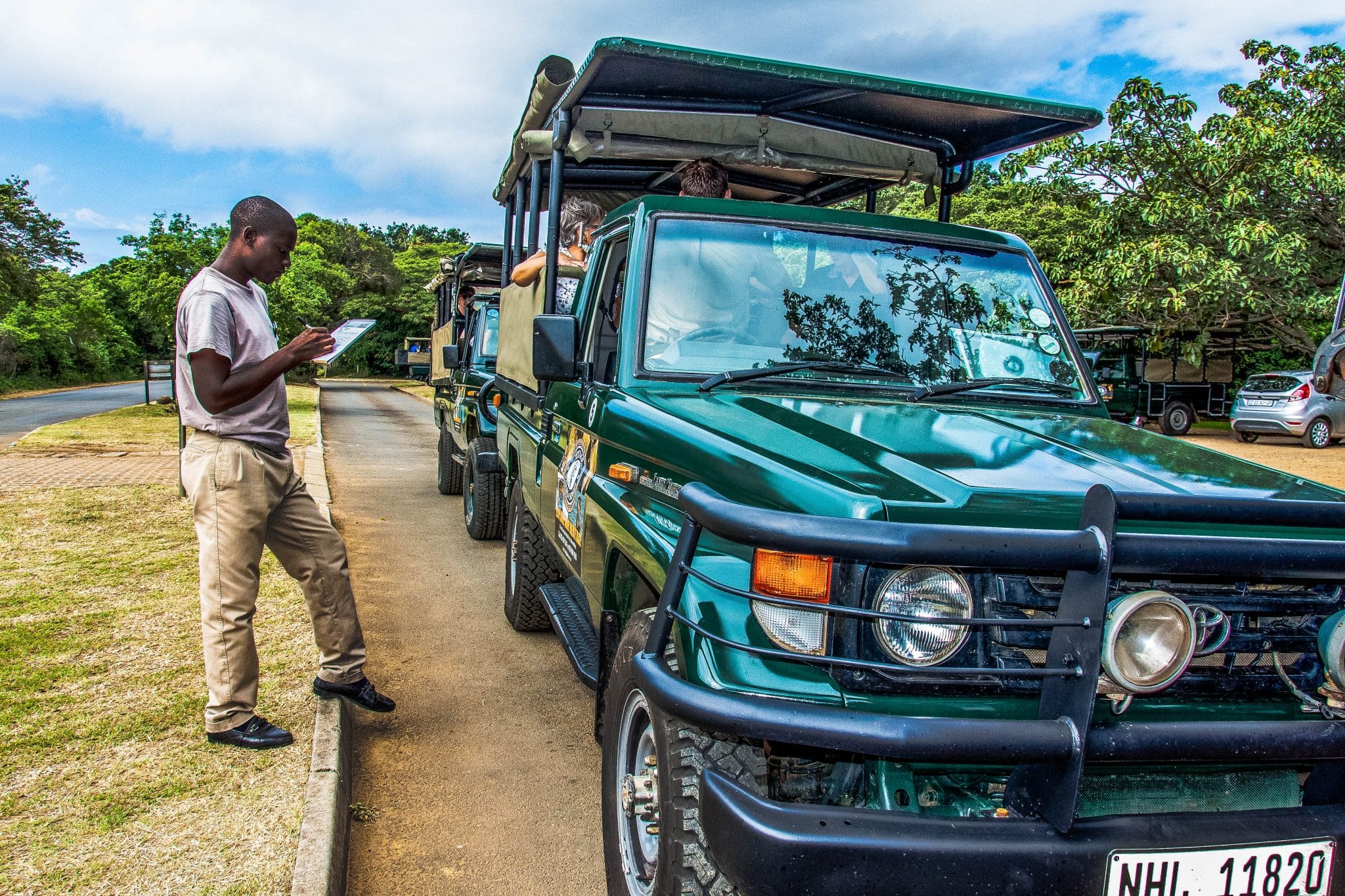 Safari Intelligence Insights
Safari Guide Training Standards
Learn about the rigorous training and certification standards for safari guides in Africa, and what to look for when choosing a guide for your safari.
 Packing & Preparation
Safari Rain Gear Guide
Learn all about Safari Rain Gear Guide in this comprehensive guide.
 Safari Operator Articles
How to Choose a Safari Operator in South Africa
A guide to selecting the best safari operator in South Africa for a memorable trip to Kruger National Park, Sabi Sands, and other world-class reserves.
 Safari Operator Articles
International Safari Operators vs Local Safari Operators
A comparison of international and local safari operators to help you decide which is the right choice for your African safari.