

An inside look at the importance of vehicle maintenance for safari operators and what to look for in a safe and reliable safari vehicle.
The Importance of a Reliable Vehicle
A safari vehicle is your home away from home in the African bush. It is your platform for wildlife viewing, your mode of transportation, and your refuge from the elements. That is why it is essential that your safari vehicle is safe, reliable, and comfortable. A breakdown in a remote area can not only be inconvenient but also dangerous. Reputable safari operators understand this and invest heavily in maintaining their fleet of vehicles. Our safari operators can help you find operators with top-notch vehicles.
The Ideal Safari Vehicle
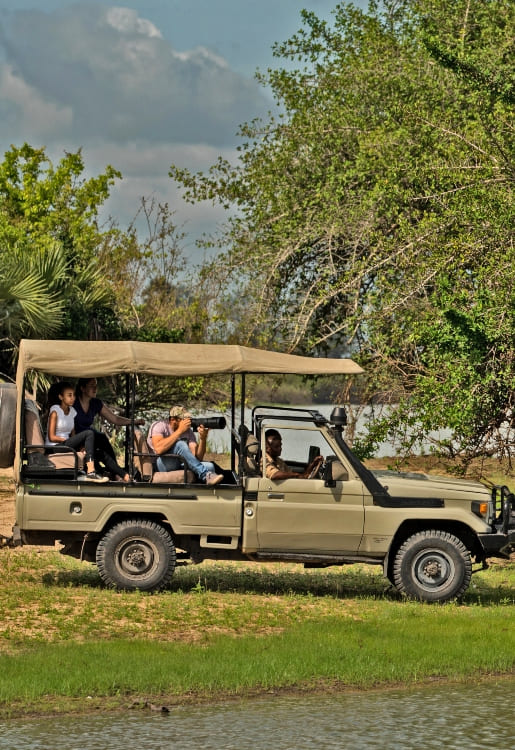
The ideal safari vehicle is a 4x4 vehicle that has been specially modified for wildlife viewing. This often includes features like a pop-up roof for 360-degree views, large windows, and comfortable seating. The most common safari vehicles are the Toyota Land Cruiser and the Land Rover Defender, both of which are known for their durability and off-road capabilities. When choosing an operator, ask about the type and condition of their vehicles.
Still researching? Let us help.
Our advisory team has planned safaris across 9 African countries. We can turn your research into a real plan.
Talk to an AdvisorMaintenance and Safety Checks
A good safari operator has a rigorous maintenance schedule for their vehicles. This includes regular servicing, oil changes, and tire checks. Before each safari, the vehicle should be thoroughly inspected to ensure that it is in good working order. The operator should also have a plan in place for dealing with breakdowns, including having a backup vehicle available if needed. For more on safety, visit our knowledge center.
What to Look for in a Safari Vehicle
When you are on safari, take a moment to inspect your vehicle. Look for signs of good maintenance, such as clean interiors, good tires, and a well-organized toolkit. The vehicle should also be equipped with a first-aid kit and a radio or satellite phone for communication. A well-maintained vehicle is a sign of a professional and responsible safari operator. Use our cost calculator to compare operators and their vehicle standards.
The Unseen Backbone: A Look into a Safari Operator's Workshop
While the safari vehicle is the star of the show on a game drive, the real magic happens behind the scenes in the operator's workshop. A dedicated team of mechanics and technicians forms the unseen backbone of any reputable safari company, ensuring that every vehicle is in peak condition before it heads into the bush. This is not just about routine oil changes; it's a comprehensive and rigorous maintenance schedule designed to withstand the unforgiving African terrain.
Daily Checks: Before every single game drive, a thorough inspection is conducted. This includes checking tire pressure, fluid levels (oil, coolant, brake fluid), and the functionality of all lights and communication equipment. The guide, who is often a trained mechanic, will also listen for any unusual sounds from the engine or suspension. This daily ritual is the first line of defense against mechanical issues in the field.
Weekly Inspections: Once a week, vehicles undergo a more detailed inspection. This involves a closer look at the suspension system, including shock absorbers and leaf springs, which take a heavy beating on rough roads. The braking system is also meticulously checked, and the vehicle is inspected for any signs of wear and tear that could become a problem. This is also a time to address any minor issues reported by guides during the week.
Monthly and Annual Overhauls: On a monthly basis, vehicles are taken out of service for a more significant overhaul. This includes a full engine diagnostic, transmission check, and a thorough inspection of the chassis and frame. Annually, many operators will strip down their vehicles to the chassis for a complete rebuild. This is a significant investment, but it is essential for ensuring the longevity and reliability of the fleet. For more information on how to choose a quality operator, consult with our safari operators.
Done Reading? Let's Build Your Safari.
Skip the guesswork. Work with an advisor who has been on the ground across East and Southern Africa.
Plan With UsCustomizations for the Wild: How Safari Vehicles are Modified for Peak Performance
A standard 4x4 vehicle, while capable, is not a safari vehicle. To truly conquer the African wilderness and provide an exceptional wildlife viewing experience, vehicles must be extensively modified. These customizations are born from decades of experience and are a testament to the ingenuity of safari operators.
Suspension and Tires: The single most important modification is the suspension. Heavy-duty shock absorbers and reinforced leaf springs are installed to handle the constant bumps and jolts of off-road driving. This not only improves the vehicle's durability but also provides a more comfortable ride for passengers. Tires are another critical component. Most operators use high-quality, all-terrain tires with reinforced sidewalls to prevent punctures from sharp rocks and thorns.
Engine and Drivetrain: While the engines are generally kept stock for reliability, they are often fitted with snorkels. These are raised air intakes that allow the vehicle to wade through deep water without the engine taking in water. The drivetrain is also reinforced, and locking differentials are often added to provide extra traction in muddy or sandy conditions.
Passenger Comfort and Safety: The rear of the vehicle is where the most significant changes are made. The standard body is often replaced with a custom-built canopy that provides shade and protection from the elements. Seating is arranged in tiered rows to ensure that every passenger has an unobstructed view. Roll cages are integrated into the design for safety, and pop-up roofs are a common feature, allowing guests to stand up for a better vantage point. To learn more about what to expect on a game drive, visit our knowledge center.
The Cost of Reliability: Understanding the Investment in a Safari Fleet
The cost of a high-quality safari is a reflection of the significant investment that operators make in their vehicles. A brand new Toyota Land Cruiser, the workhorse of the safari industry, can cost upwards of $80,000. The modifications can add another $20,000 to $30,000 to the price tag. When you multiply this by a fleet of 10 or 20 vehicles, it's easy to see how the costs can quickly add up.
But the initial investment is just the beginning. The ongoing maintenance costs are also substantial. A set of high-quality safari tires can cost over $1,000 and may need to be replaced every year. A major engine overhaul can run into the thousands of dollars. Fuel is another significant expense, as safari vehicles are not known for their fuel efficiency.
> Expert Insight: When you see a well-maintained, custom-built safari vehicle, you are looking at a significant financial commitment. This is a clear indicator that the operator prioritizes safety, reliability, and the overall guest experience. It's a tangible sign of a company that is invested in the long-term success of its operation. Our cost calculator can help you understand how these costs factor into the overall price of a safari.
Traveler's Tip: Pre-Safari Vehicle Checklist
Before you head out on your first game drive, take a few moments to give your vehicle a once-over. This simple checklist can give you peace of mind and help you identify any potential issues.
- Tires: Are they in good condition? Is the tread deep? Are there any visible signs of damage?
- Interior: Is it clean and well-maintained? Are the seats comfortable and in good repair?
- Safety Equipment: Is there a first-aid kit on board? What about a fire extinguisher? Is the communication radio or satellite phone visible and in good working order?
- The Guide: Does your guide seem knowledgeable about the vehicle? Do they conduct a pre-drive check?
A well-maintained vehicle is a key ingredient for a successful safari. By understanding what goes into keeping these machines running, you can make a more informed decision when choosing a safari operator. To start planning your own adventure, plan your safari with us today.
Need Expert Safari Guidance?
Get expert advisory support from a firm founded by a former safari guide — with real operational knowledge across 9 African countries and full-journey accountability.
Related Planning Guides
Recommended Reading
 Safari Operator Articles
Safari Operator Vehicle Standards Explained
Learn about safari operator vehicle standards explained and how it can impact your safari experience. Get expert advice and start planning your dream safari today.
 Safari Operator Articles
International Safari Operators vs Local Safari Operators
A comparison of international and local safari operators to help you decide which is the right choice for your African safari.
 Safari Operator Articles
Large Safari Operators vs Small Safari Operators
A comparison of large and small safari operators to help you decide which is the right fit for your African safari adventure.
 Safari Comparison Articles
Safari With International Operator vs Local Operator
An in-depth comparison of Safari With International Operator vs Local Operator to help you choose the perfect safari experience. Explore the pros, cons, and key
 Safari Planning
How to Choose a Safari Operator
Learn how to choose a reputable African safari operator with our expert guide. We cover vetting companies, questions to ask, and understanding safari costs.
 Safari Costs
Safari Vehicle and Guide Costs
Planning a safari? This guide breaks down safari vehicle and guide costs, covering private vs. shared options, vehicle types, and what to budget for your trip.