
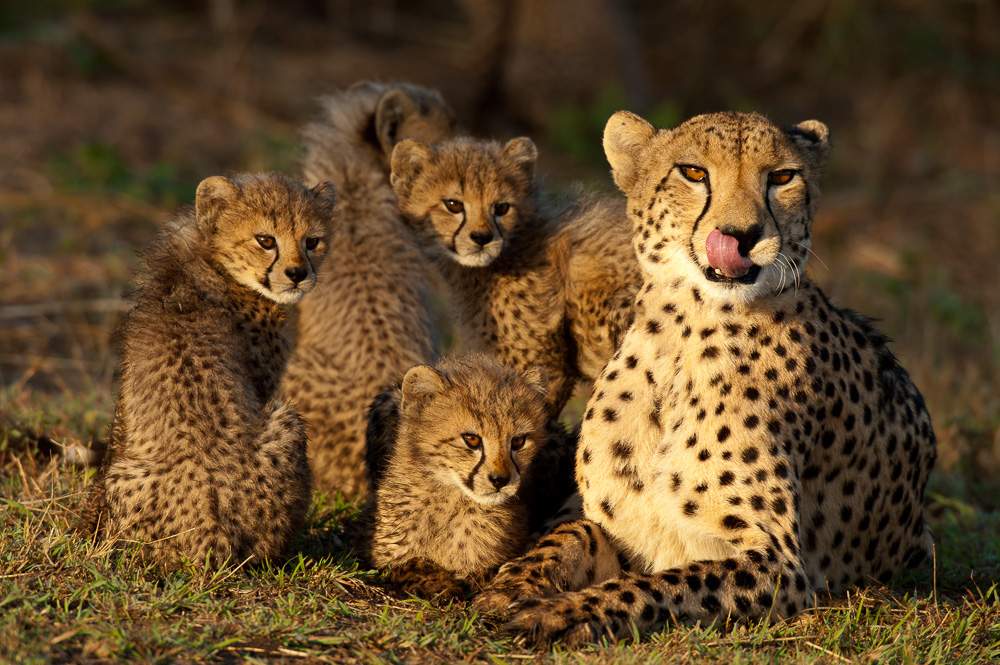
Learn all about Safari Emergency Contact Preparation in this comprehensive guide.
Understanding the Climate and Terrain in Africa
When packing for a safari in Africa, it's essential to consider the local climate and terrain. Africa has a diverse landscape, from vast plains to dense forests. Temperatures can fluctuate significantly, with warm days and cool evenings. Lightweight, breathable fabrics are your best friend. For more on planning your trip, see our destination guide for Africa.
Essential Clothing Items
Neutral-colored clothing is highly recommended to blend in with the environment and avoid startling the wildlife. Think khaki, olive, and brown. You'll want to pack a mix of short-sleeved shirts and long-sleeved shirts for sun protection. A lightweight waterproof jacket is also a must, as rain showers can be unpredictable. For personalized packing advice, consider consulting with one of our safari operators.
Still researching? Let us help.
Our advisory team has planned safaris across 9 African countries. We can turn your research into a real plan.
Talk to an AdvisorFootwear for All Activities
Comfortable, broken-in walking shoes are non-negotiable. Whether you're on a walking safari or just exploring your lodge, you'll be on your feet a lot. A pair of sandals or flip-flops is also great for relaxing at the lodge. If you're planning any strenuous hikes, be sure to bring appropriate hiking boots. Our safari cost calculator can help you budget for any specialized gear you may need to purchase.
Sun and Insect Protection
A wide-brimmed hat, sunglasses, and high-SPF sunscreen are crucial for protecting yourself from the African sun. Insect repellent is also a must, especially in the evenings. Look for a repellent containing DEET for the most effective protection against mosquitoes and other biting insects. For more health and safety tips, visit our knowledge base.
Evening and Lodge Attire
Evenings on safari can be a mix of casual and smart-casual. Most lodges have a relaxed dress code, but it's always a good idea to pack a slightly nicer outfit for dinner. A pashmina or wrap is perfect for adding a touch of warmth and style. Before you book, be sure to research safari operators in Africa to understand the specific dress codes at their lodges.
Done Reading? Let's Build Your Safari.
Skip the guesswork. Work with an advisor who has been on the ground across East and Southern Africa.
Plan With UsCreating a Comprehensive Emergency Contact Sheet
While your safari operator will have emergency protocols in place, personal preparedness is paramount. A well-organized emergency contact sheet is a non-negotiable component of your travel documents. This document should be more than just a list of names and numbers; it should be a comprehensive guide for anyone who might need to assist you in an emergency. We recommend creating both a physical, laminated copy to keep with your passport and a digital version stored securely on your phone and in a cloud service like Google Drive or Dropbox.
Your emergency contact sheet should include the following information:
- Primary and Secondary Emergency Contacts at Home: List at least two trusted individuals, their phone numbers, email addresses, and relationship to you. Inform them of your itinerary and the best way to reach you.
- Safari Operator and Lodge Contacts: Include the name of your safari company, your primary contact person, their 24/7 emergency number, and the contact details for each lodge or camp on your itinerary.
- Travel Insurance Details: Provide the name of your insurance provider, your policy number, and their 24-hour emergency assistance hotline. This is often the first call you or your operator will make in a serious situation.
- Embassy or Consulate Information: Note the contact details for your country's embassy or consulate in the destination country. This is crucial for issues like a lost passport or legal troubles.
- Personal Medical Information: List any pre-existing medical conditions, allergies, and current medications (including generic names). This information can be life-saving for medical professionals who may not have immediate access to your records.
> Expert Insight: When assembling your emergency contact sheet, consider adding a brief, notarized letter of consent for medical treatment. While not always required, it can expedite care in certain situations, particularly if you are traveling alone. For more guidance on preparing for your safari, our safari operators are always available to help.
Communication Strategies in Remote Safari Locations
Many of Africa's most pristine wildlife destinations are, by nature, remote. While this seclusion is part of the appeal, it presents unique communication challenges. Assuming you will have constant Wi-Fi or cellular service is a common mistake that can lead to significant stress during an emergency. A proactive communication plan is essential.
Satellite Phones: For travelers venturing into truly off-the-grid locations, such as parts of the Serengeti or the Okavango Delta, renting a satellite phone is a worthwhile investment. These devices provide a reliable, albeit expensive, line of communication when all other options fail. You can rent them from specialized providers before your trip. Discuss this option with your safari planning guide to determine if it is necessary for your specific itinerary.
Local SIM Cards: Upon arrival in your destination country, purchasing a local SIM card is a cost-effective way to stay connected in areas with cellular coverage. Providers like Safaricom in Kenya or Vodacom in Tanzania offer tourist packages with data and local calling minutes. This is particularly useful for communicating with your local driver-guide or for making local calls to restaurants or your lodge. However, do not expect seamless service once you are deep within a national park.
Setting Expectations with Family: Before you depart, have a frank conversation with your emergency contacts at home. Explain that you may be out of touch for several days at a time. Provide them with your detailed itinerary and the 24/7 emergency number for your safari operator. This prevents unnecessary panic and ensures that if a real emergency occurs, they have the correct point of contact. For more tips on what to expect on safari, explore our knowledge center.
Your Safari Guide: Your First Responder in an Emergency
In the African bush, your safari guide is your most valuable asset, especially in an emergency. These highly trained professionals are more than just wildlife experts; they are certified first responders, skilled mechanics, and experienced problem-solvers. Understanding their role and trusting their judgment is a critical aspect of safari safety.
A professional safari guide's training typically includes:
- Advanced First Aid and CPR: Guides are equipped to handle a wide range of medical situations, from minor cuts and allergic reactions to more serious injuries. They carry well-stocked first aid kits and know how to stabilize a patient until further medical assistance can arrive.
- Vehicle Maintenance and Repair: Breakdowns can happen. A good guide can diagnose and fix many common vehicle issues, ensuring you are not stranded in a remote area. They are also in constant radio contact with the lodge and other guides, so help is never far away.
- Wildlife Behavior and Safety: Your guide's primary responsibility is to keep you safe in the presence of wild animals. They are trained to read animal behavior, anticipate potential threats, and position the vehicle for safe viewing. Always follow their instructions without question.
- Navigation and Communication: Guides have an intimate knowledge of the terrain and are skilled navigators. They are also proficient in using the radio systems to communicate with the lodge, park rangers, and other guides.
> Traveler's Tip: Before you plan your safari, take the time to research the qualifications and training of the guides employed by your chosen safari operator. A reputable company will invest heavily in its guides, and this is a key indicator of their commitment to safety. Our cost calculator can help you budget for a high-quality safari experience with a trusted operator.
Need Expert Safari Guidance?
Get expert advisory support from a firm founded by a former safari guide — with real operational knowledge across 9 African countries and full-journey accountability.
Related Planning Guides
Recommended Reading
 Packing & Preparation
Safari Fitness Preparation Guide
Learn all about Safari Fitness Preparation Guide in this comprehensive guide.
 Packing & Preparation
Walking Safari Fitness Preparation
Learn all about Walking Safari Fitness Preparation in this comprehensive guide.
 Packing & Preparation
Mountain Safari Fitness Preparation
Learn all about Mountain Safari Fitness Preparation in this comprehensive guide.
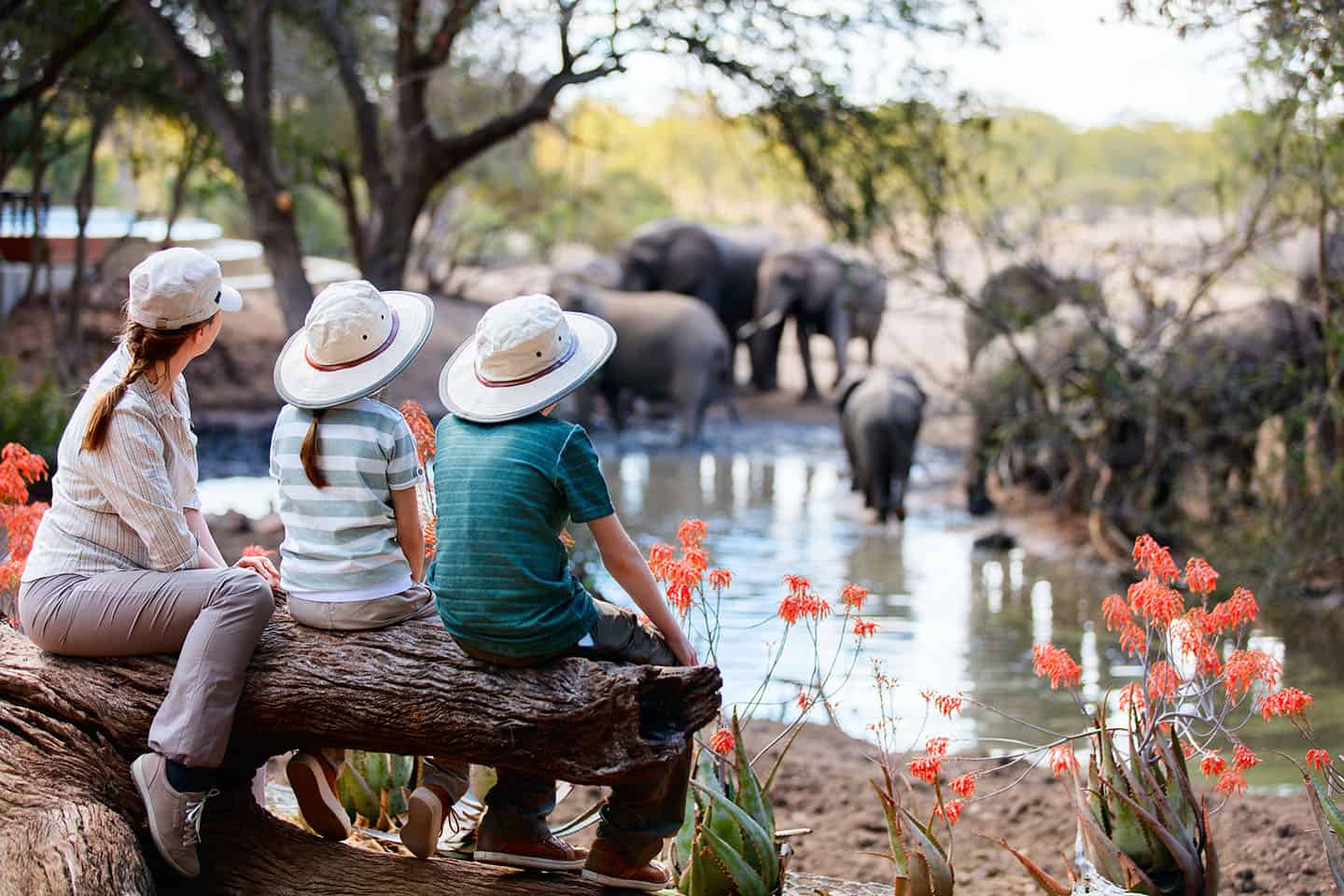 Safari Safety
Emergency Procedures on Safari
Learn about safari emergency procedures, from medical situations to vehicle breakdowns, and see how expert guides and operators keep you safe in the African bush.
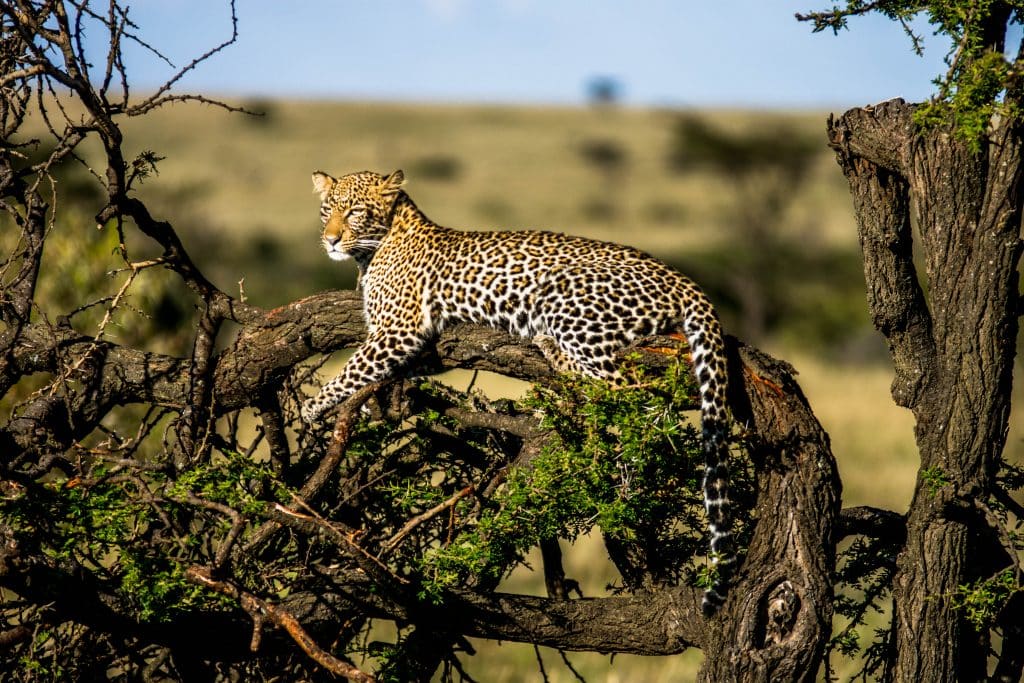 Travel Logistics
Safari Emergency Evacuation Procedures
Your safety is the top priority on safari. Our guide to emergency evacuation procedures will give you peace of mind in the unlikely event of an emergency.
 Travel Logistics
Safari Dental Emergency Procedures
Learn about safari dental emergency procedures in this comprehensive safari guide.