
Planning a safari? Our guide to currency and payments in Africa helps you understand when to use cash or card, which currencies to bring, and how to budget.
Navigating the world of money on an African safari can feel like a safari in itself—full of new territories and unexpected turns. From understanding which currencies to carry to knowing when and how to use your credit cards, managing your finances effectively is a key part of a stress-free journey. This guide is designed to be your financial compass, helping you understand the ins and outs of currency and payments on safari so you can focus on the incredible wildlife and landscapes before you.
Understanding Currencies in Safari Countries
One of the most common questions travelers ask is, "What currency should I bring?" The answer often depends on which countries you are visiting. While local currencies are the official legal tender, the US Dollar (USD) is widely accepted in many safari destinations, especially for tourism-related expenses. This is largely a matter of stability and convenience for tourism operators in economies where local currencies can be more volatile.
The Role of the US Dollar
The US Dollar is the unofficial "safari currency" in many parts of Africa. This is particularly true in countries like Kenya, Tanzania, Uganda, Rwanda, Zambia, and Zimbabwe. Most safari lodges, tour operators, and even some local shops will accept USD for payment. However, there are a few important things to keep in mind:
- Bill Condition: Always bring crisp, clean US dollar bills printed in or after 2009. Older, torn, or marked bills are often not accepted due to concerns about counterfeiting and difficulties for locals to exchange them.
- Denominations: A mix of denominations is recommended. Larger bills ($50s and $100s) are good for paying for larger expenses like lodge bills, while smaller bills ($1s, $5s, $10s, and $20s) are essential for tips, small purchases, and market vendors. Having a good supply of small bills will make your daily transactions much smoother.
Local Currencies
While the US Dollar is widely accepted, it is always a good idea to have some local currency on hand for smaller, everyday expenses. This is especially true if you plan to visit local markets, eat at local restaurants, or explore cities outside of the main tourist areas. Using local currency can also be a more authentic experience and is sometimes more economical for small purchases. Here are some of the local currencies you might encounter:
- South Africa: The South African Rand (ZAR) is the primary currency, and you should plan on using it for most of your expenses within the country.
- Namibia: The Namibian Dollar (NAD) is pegged to the South African Rand, and ZAR is also widely accepted throughout the country.
- Botswana: The Botswana Pula (BWP) is the official currency. While USD might be accepted at high-end lodges, Pula is necessary for most transactions.
- Kenya: The Kenyan Shilling (KES) is the local currency. While USD is accepted for safari-related payments, you'll want Shillings for markets and local eateries in Nairobi or other towns.
- Tanzania: The Tanzanian Shilling (TZS) is the official currency. Similar to Kenya, USD is common in the northern safari circuit, but Shillings are useful for everything else.
- Uganda: The Ugandan Shilling (UGX) is the local currency. It's advisable to have Shillings for any purchases outside of your pre-paid safari expenses.
- Rwanda: The Rwandan Franc (RWF) is the currency of Rwanda. It is recommended to carry Francs for daily expenses, especially in rural areas.
Exchanging Currency
You can exchange currency at airports, banks, and foreign exchange (forex) bureaus in major cities like Nairobi, Arusha, and Johannesburg. It is generally recommended to exchange a small amount of money upon arrival to cover immediate expenses. Avoid exchanging money on the black market, as this is illegal and you risk being scammed or receiving counterfeit currency.
Using Credit and Debit Cards
Credit and debit cards are becoming increasingly accepted in major cities and at larger safari lodges and hotels. Visa and Mastercard are the most widely accepted cards. American Express and Discover are less common, so it's best not to rely on them.
When to Use Cards
Credit cards are a convenient and secure way to pay for larger expenses, such as:
- Safari lodge and hotel bills
- Flights and car rentals
- Upmarket restaurants and shops in cities
Using a card for these larger payments can reduce the amount of cash you need to carry, which is always a good safety practice.
Important Considerations
- Fees: Be aware that many establishments charge a surcharge of 3-5% for credit card payments to cover their processing fees. It is also a good idea to check with your bank about foreign transaction fees. Consider using a travel credit card that waives these fees.
- Connectivity: Do not rely solely on credit cards, especially in remote safari camps. Internet and power outages can make it impossible to process card payments. Always have a cash backup.
- Security: Always keep your card in sight when making a payment. Card skimming can be a problem in some urban areas. Inform your bank of your travel dates and destinations to avoid your card being blocked for suspicious activity.
Still researching? Let us help.
Our advisory team has planned safaris across 9 African countries. We can turn your research into a real plan.
Talk to an AdvisorMobile Payments and Digital Wallets
The use of mobile payments is growing rapidly across Africa, with services like M-Pesa in Kenya and Tanzania being widespread. However, these services are primarily designed for residents and can be difficult for travelers to set up and use. For now, it is best to consider mobile payments as an interesting local phenomenon rather than a practical payment method for your safari.
Cash vs. Card: Finding the Right Balance
For most travelers, a combination of cash (both USD and local currency) and credit cards is the best approach. Here's a general strategy:
- Pre-Safari: Pay for your safari package, international flights, and travel insurance in advance via wire transfer or credit card. This minimizes the amount of money you need to handle upon arrival.
- On Safari: Use a credit card for your final lodge bills and any large, unplanned expenses. Use cash for everything else, including tips, drinks, souvenirs, and meals not included in your safari package.
[Tipping on Safari](/knowledge/tipping-on-safari-explained)
Tipping is a customary practice in the safari industry and a way to show your appreciation for good service. It is an important part of the local tourism economy and is greatly appreciated by the staff. It is important to budget for tips as they can add up. Tipping guidelines vary by country and by camp, but here are some general recommendations:
- Safari Guide: $10-20 per person, per day
- Tracker (if applicable): $5-10 per person, per day
- General Camp Staff: $10-20 per person, per day (often placed in a communal tipping box to be shared among the behind-the-scenes staff like chefs, housekeepers, and groundskeepers)
- Lodge/Hotel Porters: $1-2 per bag
It is best to tip in cash, either in US Dollars or the local currency. Many lodges will have tipping guidelines available, and it is perfectly acceptable to ask the camp manager for their recommendation. It is a good practice to prepare tips in separate envelopes for your guide and for the general staff.
Done Reading? Let's Build Your Safari.
Skip the guesswork. Work with an advisor who has been on the ground across East and Southern Africa.
Plan With UsBudgeting for Your Safari
Beyond the main safari package, there are other costs to consider when budgeting for your trip. These can include:
- International flights
- Travel insurance
- Visas
- Vaccinations and medical expenses
- Tips
- Drinks and meals not included in your package
- Souvenirs and personal shopping
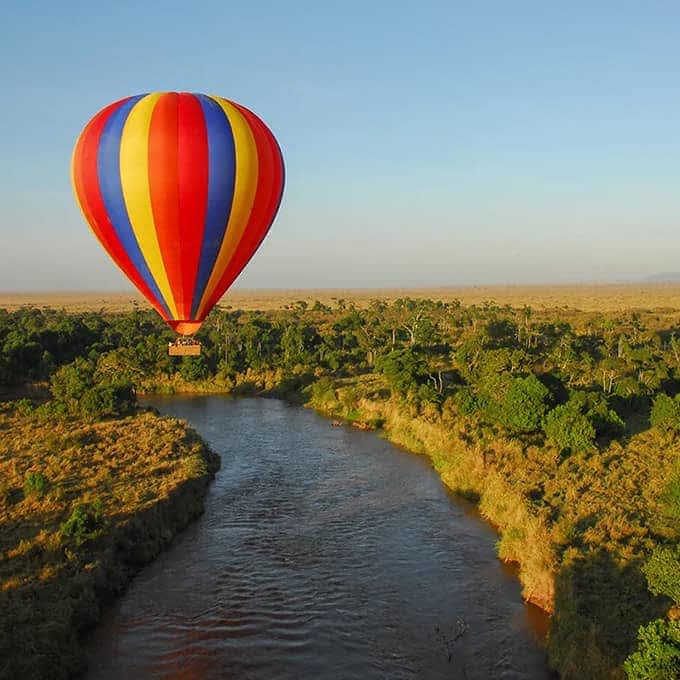
- Optional activities (e.g., hot air balloon rides, village visits)
It is a good idea to create a detailed budget before you go to ensure you have enough money to cover all your expenses. Overestimating slightly is always a wise strategy to ensure you are prepared for any unexpected costs.
Conclusion
By planning your finances in advance, you can avoid unnecessary stress and focus on enjoying the magic of your African safari. A thoughtful combination of US Dollars, local currency, and credit cards will give you the flexibility you need to handle any situation that may arise. Remember to bring clean, new US dollar bills, be mindful of credit card fees, and always keep your money and valuables secure. With a little preparation, you can ensure that your safari adventure is both unforgettable and financially smooth, allowing you to immerse yourself fully in the incredible experience of being on safari in Africa.
Need Expert Safari Guidance?
Get expert advisory support from a firm founded by a former safari guide — with real operational knowledge across 9 African countries and full-journey accountability.
Related Planning Guides
Explore Related Topics
Recommended Reading
 Safari Cost Guides
Safari Payment Methods and Currency Tips
Learn about safari payment methods and currency tips in this comprehensive safari guide covering key insights and practical advice.
 Country Guides
South Africa Safari Currency and Money Guide
A comprehensive guide to South Africa Safari Currency and Money Guide. Learn everything you need to know for your next safari adventure.
 Country Guides
Tanzania Safari Currency and Money Guide
A comprehensive guide to Tanzania Safari Currency and Money Guide. Learn everything you need to know for your next safari adventure.
 Country Guides
Kenya Safari Currency and Money Guide
A comprehensive guide to Kenya Safari Currency and Money Guide. Learn everything you need to know for your next safari adventure.
 Safari Cost Guides
Safari Deposit and Payment Schedules
Learn about safari deposit and payment schedules in this comprehensive safari guide covering key insights and practical advice.
 Safari Operator Articles
Safari Operator Payment Terms Compared
Learn about safari operator payment terms compared and how it can impact your safari experience. Get expert advice and start planning your dream safari today.