
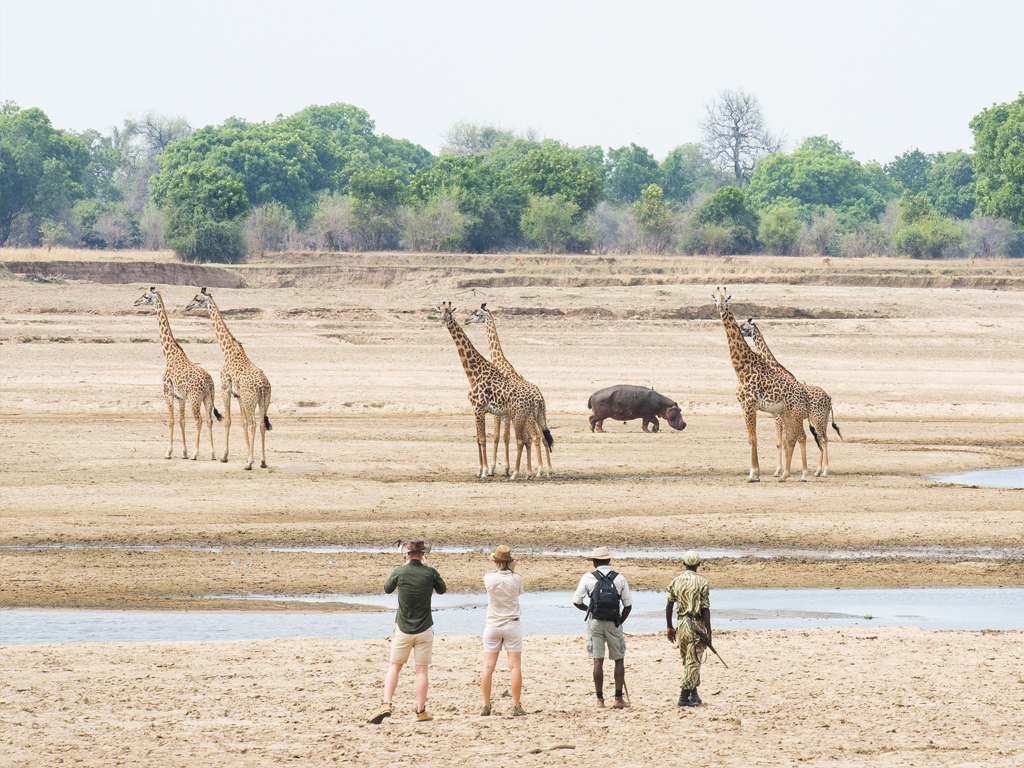
Learn about safari operator payment terms compared and how it can impact your safari experience. Get expert advice and start planning your dream safari today.
Safari Operator Payment Terms Compared
This is the content for the article: Safari Operator Payment Terms Compared.
This article is in the category: Safari Operator Articles.
Here are some internal links:
Understanding Standard Safari Payment Schedules
When planning a safari, understanding the financial milestones is as crucial as choosing your destinations. Safari operators, from boutique local outfits to large international companies, adhere to structured payment schedules to secure bookings and manage the complex logistics of a trip. While specifics can vary, a common framework exists across the industry. Typically, you can expect a two-part payment process: an initial deposit to confirm your booking and a final payment closer to your departure date.
Most operators require a deposit of 20% to 50% of the total safari cost to secure your reservation. This initial payment is a firm commitment and signals to the operator that you are serious about the booking. The deposit amount often depends on the operator's policies and the specific components of your itinerary. For instance, safaris that include gorilla or chimpanzee trekking permits, which are expensive and non-refundable (often costing $700 to $1,500 per person), may require a higher upfront deposit to cover these immediate costs.
> Traveler's Tip: Always clarify what the initial deposit covers. Does it include permits, accommodation pre-payments, or administrative fees? A reputable safari planning guide can help you interpret these terms and ensure transparency.
The final balance is usually due 60 to 90 days before your safari begins. This timeframe allows the operator to finalize payments to lodges, guides, and other local partners. Failing to meet the final payment deadline can result in the cancellation of your trip and the forfeiture of your deposit. It is essential to mark this date on your calendar and communicate with your operator if you anticipate any delays.
Still researching? Let us help.
Our advisory team has planned safaris across 9 African countries. We can turn your research into a real plan.
Talk to an AdvisorWhy Deposits are a Necessary Part of Safari Planning
The requirement of a substantial deposit can sometimes feel daunting, but it is a standard and necessary practice in the safari industry. Unlike a simple hotel booking, a safari involves a complex web of reservations and logistical arrangements made months in advance. Your deposit serves as the financial backbone that allows operators to secure these critical elements on your behalf.
Here’s a breakdown of what your deposit typically funds:
- Accommodation Bookings: Popular lodges and camps, especially in prime wildlife areas like the Maasai Mara in Kenya or the Serengeti in Tanzania, are often booked a year or more in advance. Operators must make non-refundable down payments to hold these rooms for you.
- Securing Permits: As mentioned, permits for activities like gorilla trekking in Uganda's Bwindi Impenetrable Forest or Rwanda's Volcanoes National Park are in high demand and must be paid for in full at the time of booking.
- Logistical Arrangements: Your deposit helps cover the initial costs of arranging private vehicles, booking domestic flights between parks, and scheduling guides and support staff.
- Operational Commitments: The deposit system provides operators with the necessary cash flow to run their business, from paying staff salaries to maintaining their vehicle fleet. It is a sign of a well-managed and financially stable company.
Without this system of deposits, it would be impossible for operators to guarantee the high-quality, seamless experiences that define a well-planned African safari. It is a model built on mutual trust and commitment between the traveler and the operator.
Comparing Payment Structures: A Case Study
To illustrate how payment terms can differ, let’s consider a hypothetical case study of two families planning a 10-day safari to Tanzania, a journey that includes the Serengeti, Ngorongoro Crater, and Tarangire National Park. Both have a budget of approximately $25,000.
Family A books with a large, U.S.-based operator. Their payment schedule is as follows:
- Deposit: 30% ($7,500) due at the time of booking.
- Final Payment: 70% ($17,500) due 90 days before departure.
- Payment Method: Credit card payments are accepted for both the deposit and the final balance, offering an extra layer of consumer protection.
Family B opts for a smaller, locally-based Tanzanian operator known for its exceptional guides.
- Deposit: 50% ($12,500) due at the time of booking.
- Final Payment: 50% ($12,500) due 60 days before departure.
- Payment Method: The deposit must be paid via wire transfer, which involves bank fees and offers less recourse in case of a dispute. The final balance can be paid via credit card, but with a 3.5% processing fee.
The higher deposit required by the local operator reflects their more limited cash flow and the need to secure local bookings immediately. While Family B’s initial outlay is larger, they may be getting a more competitive overall price by booking directly. However, Family A benefits from the convenience and security of credit card payments and a lower initial commitment. Neither approach is inherently better, but they highlight the trade-offs travelers must consider. Our safari cost calculator can help you budget for these initial expenses.
Expert Insight: Protecting Your Safari Investment
Making substantial payments to an operator thousands of miles away requires a high degree of trust. Before sending any money, it is imperative to conduct due diligence to ensure you are dealing with a legitimate and reputable company. A professional safari planning guide will have already vetted the operators they work with, but if you are booking independently, here are some essential steps to take:
- Verify Association Memberships: Check if the operator is a member of recognized tourism bodies like the American Society of Travel Advisors (ASTA), the Association for the Promotion of Tourism to Africa (APTA), or local associations such as the Kenya Association of Tour Operators (KATO) or the Tanzania Association of Tour Operators (TATO).
- Seek Independent Reviews: Look for reviews on trusted third-party platforms like TripAdvisor, Trustpilot, and SafariBookings. Pay attention to how the operator responds to both positive and negative feedback.
- Request References: Ask the operator for references from past clients, preferably from your home country. A reputable company should be happy to connect you with satisfied travelers.
- Scrutinize the Website and Communication: A professional website, prompt and detailed email responses, and a clear, itemized itinerary are all signs of a well-run organization. Be wary of generic responses or pressure to make a payment quickly.
- Insist on a Detailed Contract: Never make a payment without a signed contract that clearly outlines the itinerary, total cost, payment schedule, and cancellation policy. Read the fine print carefully.
Ultimately, the most reliable way to protect your investment is to work with a trusted partner who can guide you through this process. For more information on vetting operators, visit our knowledge center.
Done Reading? Let's Build Your Safari.
Skip the guesswork. Work with an advisor who has been on the ground across East and Southern Africa.
Plan With UsNavigating Cancellation Policies
Cancellation policies are intrinsically linked to payment terms. They dictate what portion of your payment is refundable if you need to cancel your trip. These policies are not designed to be punitive; rather, they reflect the non-refundable costs that operators incur when they book your safari.
Generally, the closer you get to your departure date, the less money you will get back. A typical cancellation schedule might look like this:
- 91+ days before departure: Full refund, minus a small administrative fee.
- 61-90 days before departure: Forfeiture of the deposit.
- 31-60 days before departure: 50% of the total safari cost is non-refundable.
- 0-30 days before departure: 100% of the safari cost is non-refundable.
Given these strict terms, comprehensive travel insurance is not just recommended; it is essential. Ensure your policy includes trip cancellation and interruption coverage to protect you from unforeseen circumstances, such as a medical emergency or family crisis, that might force you to cancel. When you are ready to take the next step, you can plan your safari with confidence, knowing you are well-informed and protected.
Need Expert Safari Guidance?
Get expert advisory support from a firm founded by a former safari guide — with real operational knowledge across 9 African countries and full-journey accountability.
Related Planning Guides
Recommended Reading
 Safari Operator Articles
How to Compare Safari Operator Quotes
A guide to comparing safari operator quotes to ensure you are getting the best value for your money and choosing the right safari for you.
 Safari Operator Articles
Safari Operator Cancellation Policies Compared
Learn about safari operator cancellation policies compared and how it can impact your safari experience. Get expert advice and start planning your dream safari today.
 Safari Operator Articles
Safari Operator Deposit Requirements Compared
Learn about safari operator deposit requirements compared and how it can impact your safari experience. Get expert advice and start planning your dream safari today.
 Safari Advisor Content
Red Flags When Choosing a Safari Advisor or Tour Operator
Learn to identify the red flags of unreliable safari advisors and tour operators. This guide covers warning signs like pressure tactics, vague pricing, and more.
 Safari Comparison Articles
Safari With International Operator vs Local Operator
An in-depth comparison of Safari With International Operator vs Local Operator to help you choose the perfect safari experience. Explore the pros, cons, and key
 Safari Planning
How to Choose a Safari Operator
Learn how to choose a reputable African safari operator with our expert guide. We cover vetting companies, questions to ask, and understanding safari costs.