
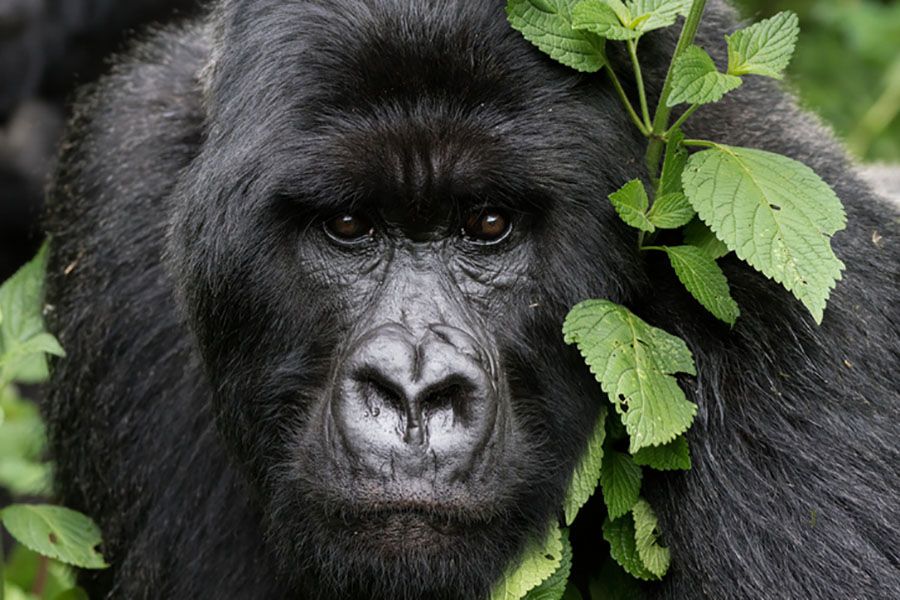
An in-depth comparison of Adventure Safari vs Relaxation Safari to help you choose the perfect safari experience. Explore the pros, cons, and key differences to
Adventure Safari vs Relaxation Safari
Africa offers some of the most incredible wildlife experiences on Earth, and getting adventure safari vs relaxation safari right is essential to making the most of your journey. Here is what experienced safari guides and advisors recommend.
Making the Most of Your Experience: Adventure Safari vs Relaxation Safari
Finally, remember that a safari is more than just wildlife viewing. The cultural experiences, landscapes, and personal connections you make along the way are equally valuable. Approaching adventure safari vs relaxation safari with this broader perspective will enrich your entire journey.
Photography enthusiasts should pay special attention to adventure safari vs relaxation safari as it relates to their equipment and technique. The lighting conditions, distances, and movement patterns of African wildlife create unique challenges and opportunities that benefit from advance preparation.
To truly optimize adventure safari vs relaxation safari, approach your safari with an open mind and realistic expectations. Africa has a way of surprising even the most experienced travelers, and some of the best moments come from unexpected encounters and unplanned detours.
Still researching? Let us help.
Our advisory team has planned safaris across 9 African countries. We can turn your research into a real plan.
Talk to an AdvisorPractical Planning Steps
Step two involves researching your options thoroughly. Compare different destinations, operators, and approaches to adventure safari vs relaxation safari. Read reviews from verified travelers, consult with safari operators, and cross-reference information from multiple sources.
Step one in addressing adventure safari vs relaxation safari is to clearly define your priorities and expectations. Are you focused on specific wildlife sightings, cultural experiences, photography opportunities, or a combination? Your answer will shape every subsequent decision.
Regional Considerations Across Africa: Adventure Safari vs Relaxation Safari
Central and West African destinations, including Uganda, Rwanda, and the Congo, offer specialized experiences like gorilla trekking that bring their own set of requirements. These destinations often involve more challenging terrain and different logistical considerations compared to the classic savanna safari.
Southern Africa presents a different landscape for adventure safari vs relaxation safari. Countries like Botswana, South Africa, Namibia, and Zimbabwe each have established infrastructure and practices that reflect their unique environments. The Okavango Delta, for instance, requires water-based considerations that land-based safaris in Kruger National Park do not.
East African safaris, particularly in Kenya and Tanzania, have their own distinct approach to adventure safari vs relaxation safari. The Serengeti-Mara ecosystem, which hosts the Great Migration, requires specific planning considerations that differ from destinations like Amboseli or Ngorongoro. Understanding these regional differences is crucial for optimizing your experience.
Safety and Health Considerations
Travel insurance that specifically covers safari activities is strongly recommended. Standard travel insurance policies may not cover all the activities and situations you might encounter on an African safari. Ensure your policy covers medical evacuation, trip cancellation, and activity-specific risks.
Health preparation is an essential component of adventure safari vs relaxation safari. Consult with a travel medicine specialist at least six weeks before your departure to discuss vaccinations, malaria prophylaxis, and other health precautions specific to your destinations.
Done Reading? Let's Build Your Safari.
Skip the guesswork. Work with an advisor who has been on the ground across East and Southern Africa.
Plan With UsCase Study: A High-Adventure Itinerary in Uganda
For travelers seeking a physically engaging and diverse experience, a 10-day adventure safari in Uganda offers an excellent example. This itinerary prioritizes active wildlife encounters over leisure. The journey might begin in Entebbe before heading to Kibale Forest National Park for chimpanzee trekking, which involves hiking through dense, humid rainforest. From there, the trip continues to Bwindi Impenetrable Forest for the highlight: mountain gorilla trekking. This activity requires a good level of fitness, as tracking a gorilla family can take several hours on steep, muddy terrain. The cost structure for such an adventure is heavily influenced by permits—a gorilla permit alone costs $700 per person. This type of safari involves multiple road transfers between parks and stays in mid-range lodges that are comfortable but primarily serve as a base for exploration.
Case Study: A Relaxation-Focused Safari in Tanzania
In contrast, a relaxation safari is designed for comfort, exclusivity, and leisurely wildlife viewing. A prime example is a 7-day fly-in safari to a private concession in the Serengeti, Tanzania. Travelers fly directly from Arusha to a luxury tented camp, avoiding long road journeys. Days are structured around unhurried morning and afternoon game drives in search of the Big Five and the Great Migration, with ample downtime back at the lodge. These high-end camps offer amenities like private plunge pools, gourmet dining, and spa services. The focus is on soaking in the environment without a packed schedule. While the per-night cost of a luxury camp (often $1,500 or more) is higher than an adventure lodge, the overall cost may balance out due to fewer logistical transfers and permit fees. This approach is ideal for travelers who want to immerse themselves in a single, wildlife-rich ecosystem without sacrificing comfort.
Related Resources
For more information on planning your safari, explore our destination guides, browse the safari operator directory, or connect with an experienced safari planning guide for personalized guidance.
Key Differences: A Comparative Look
To help you decide, here is a direct comparison between the two safari styles across key planning factors. Understanding these trade-offs is the first step toward designing an itinerary that aligns perfectly with your travel goals.
| Feature | Adventure Safari | Relaxation Safari | | :--- | :--- | :--- | | Pace & Itinerary | Fast-paced, often covering multiple parks and ecosystems. Expect early mornings and long travel days. | Slow-paced and immersive, focusing on one or two locations. Prioritizes downtime and leisure. | | Primary Activities | Physically demanding activities like gorilla/chimp trekking, canoeing, walking safaris, and night drives. | Classic morning and afternoon game drives, sundowners, bush dinners, and lodge-based activities like spa treatments. | | Accommodation Style | Rustic bush camps, mobile tented camps that follow wildlife, or comfortable mid-range lodges. | Luxury permanent tented camps or high-end lodges with premium amenities like plunge pools, fine dining, and spas. | | Logistics & Travel | More reliance on ground transfers, which can be long and bumpy but offer a view of the country and culture. | Often utilizes fly-in transfers to move between locations, maximizing time on safari and minimizing road travel. | | Cost Structure | Generally lower per-night costs for lodging, but higher costs for permits (e.g., gorilla permits) and logistics. | Higher per-night costs for all-inclusive luxury lodging, but potentially lower logistical costs due to fewer transfers. | | Ideal Traveler | Physically fit, experienced travelers, photographers, and those seeking an adrenaline rush and deep immersion. | First-time safari-goers, families with young children, honeymooners, and those prioritizing comfort and exclusivity. |
Blending the Best of Both: The Hybrid Safari Model
It is important to remember that adventure and relaxation are not mutually exclusive. Many of the best itineraries blend elements of both. A hybrid safari allows you to experience the thrill of adventure while still enjoying moments of pure relaxation and luxury. This approach offers a balanced and deeply rewarding journey.
Case Study: A Hybrid Itinerary in Kenya
A perfect example of a hybrid safari is a 10-day trip to Kenya. The journey could begin in the Laikipia Plateau, a region known for its conservation initiatives and active experiences. Here, you might stay at Loisaba Tented Camp, where you can engage in walking safaris, camelback riding, and even sleep under the stars in their famous Star Beds. This portion of the trip satisfies the craving for adventure and unique, hands-on encounters.
After three or four days, you would take a short flight to the Maasai Mara National Reserve. Here, the focus shifts to relaxation and classic, high-quality game viewing. You could stay at a luxury lodge like Angama Mara, perched on the edge of the Great Rift Valley with breathtaking views. Days would be spent on traditional game drives searching for the Big Five, followed by relaxing afternoons by the pool and gourmet dinners. This part of the itinerary delivers the iconic, comfortable safari experience, creating a perfect balance between action and leisure. For more ideas, explore our destination guides or connect with our safari operators.
Need Expert Safari Guidance?
Get expert advisory support from a firm founded by a former safari guide — with real operational knowledge across 9 African countries and full-journey accountability.
Related Planning Guides
Recommended Reading
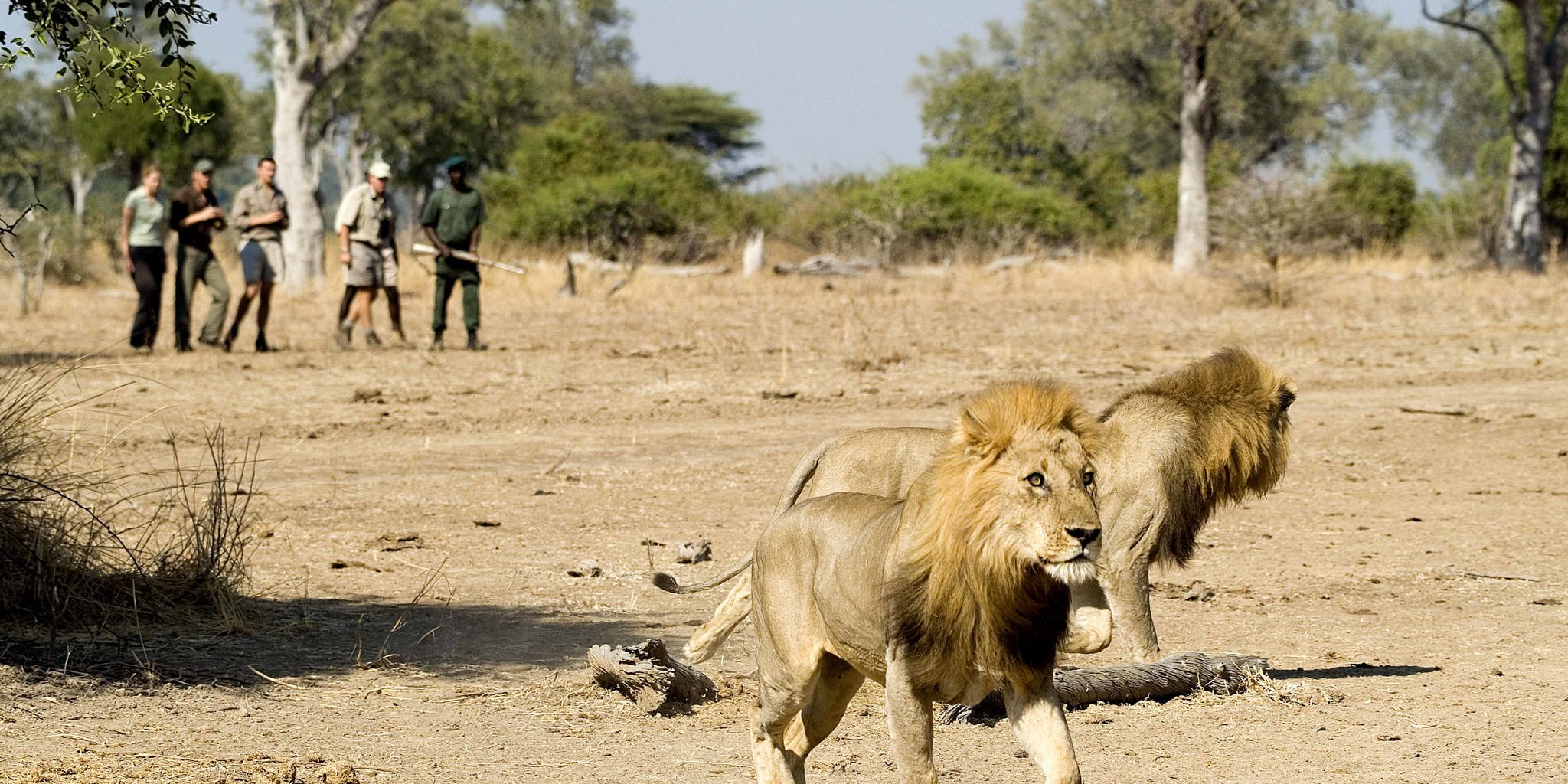 Safari Planning
Packing for a Safari Adventure
Packing for a safari? Our guide covers everything from the best luggage and clothing to essential gear and health precautions for your African adventure.
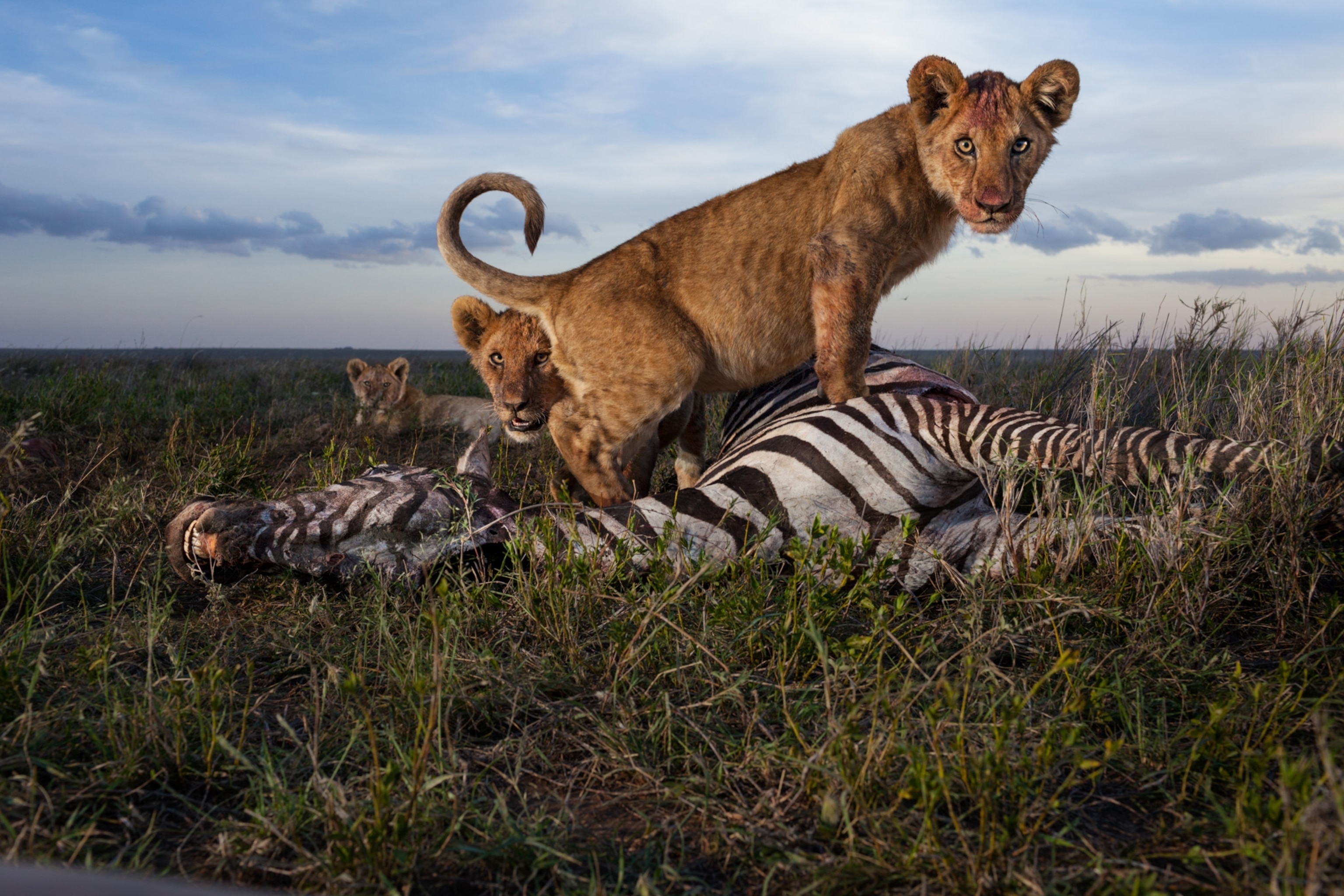 Advanced Safari Planning
Safari Adventure Travel
Discover the ultimate guide to safari adventure travel. Learn about active exploration, top destinations like Uganda and Tanzania, and essential planning tips.
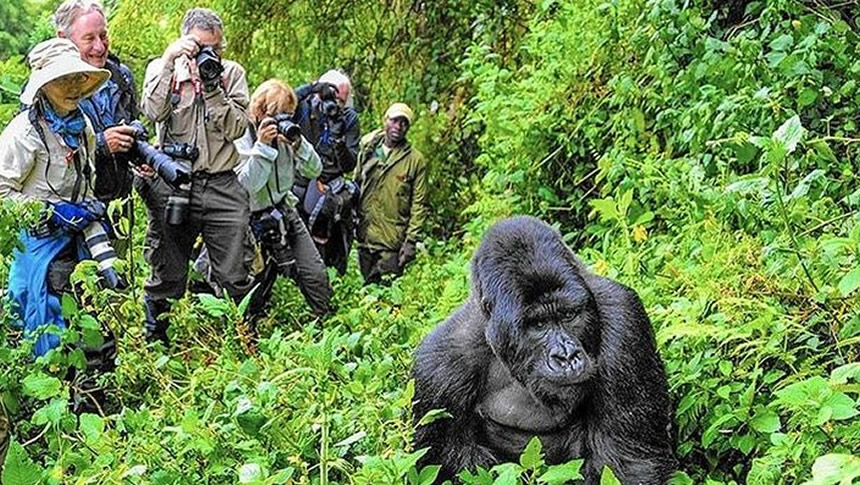 Safari Planning Guides
How to Plan a Safari for Adventure Seekers
Learn about how to plan a safari for adventure seekers in this comprehensive safari guide covering key insights and practical advice.
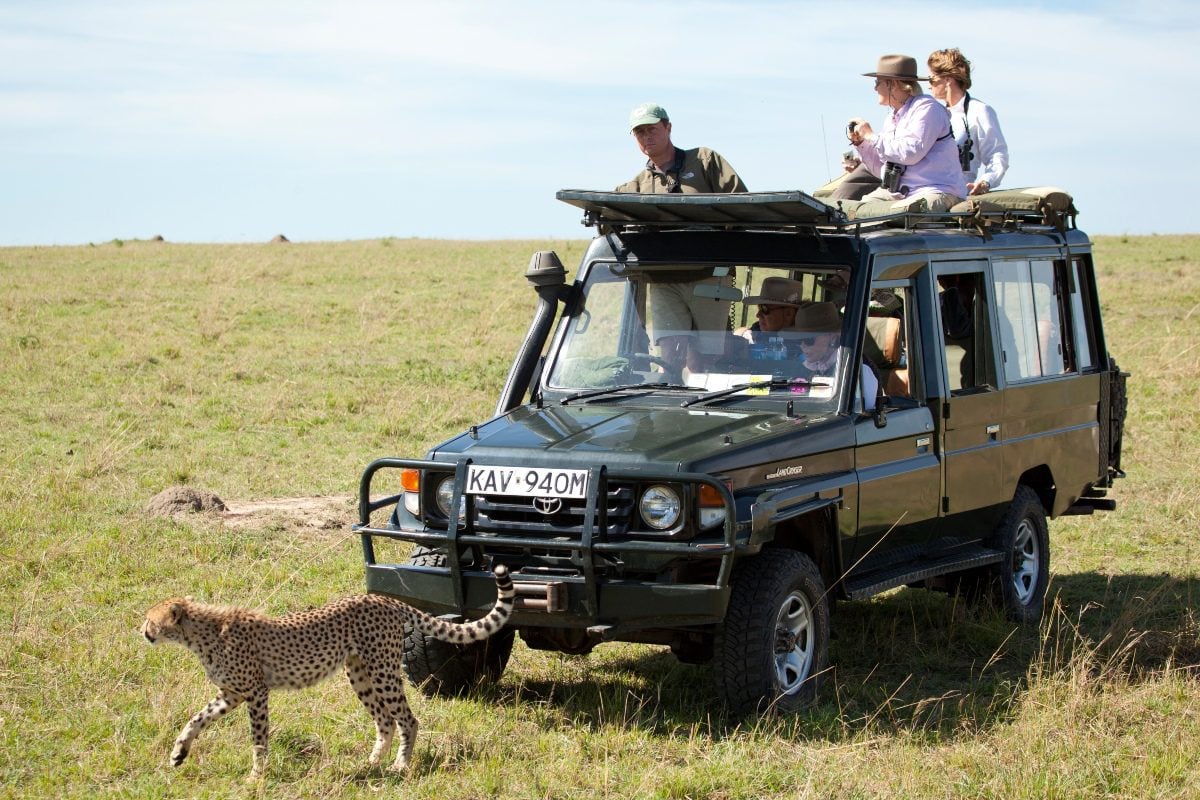 Safari Planning Guides
How to Plan a Safari for Relaxation and Wellness
Learn about how to plan a safari for relaxation and wellness in this comprehensive safari guide covering key insights and practical advice.
 Destination Guides
Victoria Falls: The Smoke that Thunders and Safari Adventures
Discover the best safari options near Victoria Falls, one of the Seven Natural Wonders of the World, and a gateway to incredible wildlife experiences.
Safari Comparison ArticlesWalking Safari vs Driving Safari Comparison
An in-depth comparison of Walking Safari vs Driving Safari Comparison to help you choose the perfect safari experience. Explore the pros, cons, and key differen