
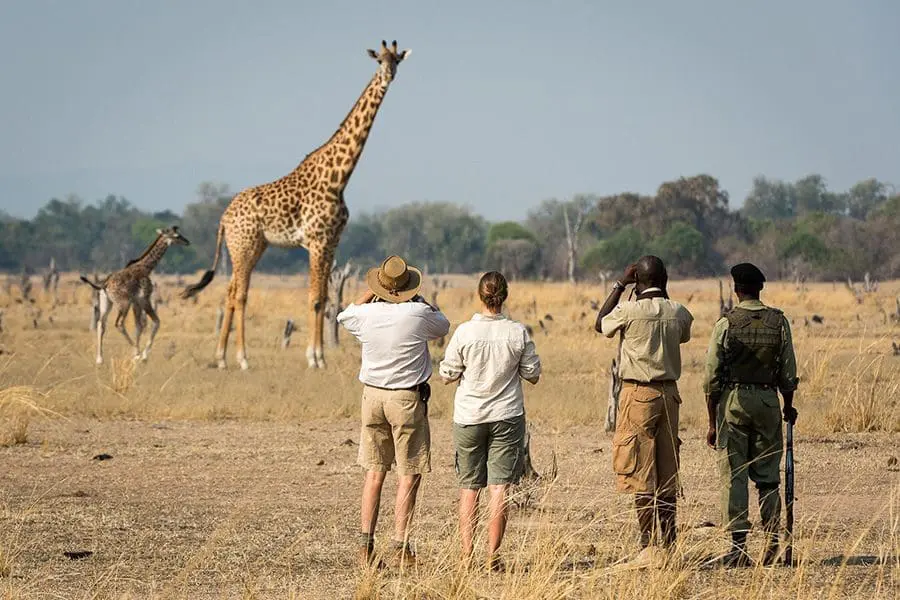
Planning a safari? Learn about cost of safari concession fees. Get expert advice and insights from Safari Intelligence to plan your perfect trip.
Understanding Cost of Safari Concession Fees
Safari costs can vary dramatically depending on destination, accommodation level, season, and trip duration. Cost of Safari Concession Fees breaks down the financial aspects of safari travel so you can plan a trip that fits your budget without sacrificing quality. Knowledge is power when it comes to safari budgeting.
Price Ranges and What to Expect
African safaris range from budget-friendly camping experiences at $150-250 per person per day to ultra-luxury lodges exceeding $2,000 per person per day. Mid-range options typically fall between $400-800 per person per day and offer excellent value with comfortable accommodations and quality guiding. Understanding what's included in these prices is crucial, as most safari rates are fully inclusive of meals, activities, and park fees. Use our cost calculator for personalized estimates.
Still researching? Let us help.
Our advisory team has planned safaris across 9 African countries. We can turn your research into a real plan.
Talk to an AdvisorHidden Costs to Watch For
Beyond the headline safari price, several additional costs can catch travelers off guard. International flights, travel insurance, visa fees, vaccinations, tips for guides and camp staff, and personal purchases all add up. Internal charter flights between camps can also be significant. Budget an additional 15-25% above your core safari cost for these extras. Our detailed safari planning guides help you account for every expense.
How to Get Better Value
Several strategies can help you get more safari for your money. Traveling during shoulder season (just before or after peak season) offers good wildlife viewing at lower prices. Combining popular and lesser-known destinations can reduce costs while maintaining quality. Group departures are typically cheaper than private safaris. And booking well in advance often secures better rates at premium lodges.
Budgeting Tools and Resources
Our cost calculator provides detailed estimates based on your specific preferences. You can also browse our operator directory to compare pricing across different companies and destinations. For personalized budget advice, connect with one of our safari operators who can help optimize your itinerary for the best value.
Done Reading? Let's Build Your Safari.
Skip the guesswork. Work with an advisor who has been on the ground across East and Southern Africa.
Plan With UsA Deeper Dive into Concession Fee Structures
Concession fees are not a one-size-fits-all charge; they vary significantly in their structure, cost, and application depending on the country, the specific park or reserve, and the type of accommodation. Understanding these nuances is key to accurately budgeting for your safari and appreciating the value they provide. The most common models for calculating these fees include a flat per-person, per-night rate, a percentage of the accommodation cost, or a combination of both.
In Botswana, for instance, the model is heavily reliant on high-value, low-volume tourism, particularly within the private concessions bordering the Moremi Game Reserve in the Okavango Delta. Here, concession fees are often bundled into the nightly rate of luxury lodges and can be substantial, reflecting the exclusivity and pristine wilderness experience. These fees directly fund the conservation efforts of the Botswana government and private operators, ensuring these delicate ecosystems are preserved for future generations. A traveler staying in a premium camp might see a line item for concession fees ranging from $100 to over $200 per person, per night.
Kenya presents a different model with its world-renowned conservancies, such as those surrounding the Maasai Mara National Reserve. These are partnerships between tourism operators and local Maasai communities, where land is leased from the community for wildlife conservation and tourism. The fees, often called "conservancy fees," are paid per person, per night and grant access to exclusive-use areas with strict limits on vehicle numbers. This not only provides a more intimate safari experience but also generates a direct and sustainable income stream for the local landowners, creating a powerful incentive for conservation. These fees typically range from $80 to $150 per person, per night.
> Expert Insight: When comparing safari options, it's crucial to look beyond the headline price. A safari in a private concession or conservancy might appear more expensive upfront due to these fees, but it often includes exclusive activities not permitted in national parks, such as night game drives, guided bush walks, and off-road driving to get closer to wildlife sightings. These can significantly enhance your safari experience, offering more flexibility and unique encounters.
The Role of Concession Fees in Conservation and Community Development
Concession fees are a cornerstone of sustainable tourism in Africa, serving as a critical funding mechanism for a wide range of conservation and community initiatives. When you pay these fees, you are making a direct investment in the future of the continent's wildlife and the well-being of its people. The revenue generated is typically allocated to several key areas, ensuring that the benefits of tourism are distributed equitably and effectively.
One of the primary uses of concession fees is to fund the operational costs of managing protected areas. This includes everything from anti-poaching patrols and wildlife monitoring to road maintenance and the salaries of park rangers. In vast and remote ecosystems like the Serengeti in Tanzania or the Luangwa Valley in Zambia, these fees are essential for maintaining the integrity of the park infrastructure and protecting its precious wildlife from threats. Without this revenue stream, many national parks and reserves would struggle to survive, let alone thrive.
Furthermore, a significant portion of concession fees is often channeled into community development projects in the areas surrounding the protected areas. This can take many forms, including the construction of schools and clinics, the provision of clean water and sanitation facilities, and the creation of employment opportunities for local residents. By demonstrating the tangible benefits of conservation, these projects help to foster a positive relationship between the local communities and the protected areas, reducing human-wildlife conflict and encouraging a sense of shared ownership and responsibility.
> Traveler's Tip: When choosing a safari operator, inquire about their commitment to conservation and community development. Reputable companies will be transparent about how their concession fees are used and will often partner with local organizations to support specific projects. By choosing an operator that aligns with your values, you can ensure that your safari has a positive and lasting impact. You can learn more about our commitment to responsible travel in our knowledge center.
Comparing Concession Fees Across Southern and East Africa
To help you better understand the range of concession fees you might encounter, here is a comparative overview of the fee structures in some of Africa's most popular safari destinations:
| Country | Typical Fee Range (per person, per night) | Primary Collection Model | Notable Inclusions or Exclusions | |---------------|-------------------------------------------|-----------------------------------------------------------|---------------------------------------------------------------------------------------------------------------------------------| | Botswana | $100 - $250+ | Bundled into the nightly rate of luxury lodges in private concessions. | Often includes exclusive activities like night drives and walking safaris. | | Kenya | $80 - $150 | Conservancy fees in private conservancies bordering national reserves. | Grants access to exclusive-use areas with limited vehicle numbers, providing a more intimate safari experience. | | Tanzania | $60 - $100 | A combination of park entry fees and concession fees for lodges inside the park. | Fees can vary significantly between the northern and southern circuits. | | Zambia | $50 - $90 | Included in the daily rates of camps and lodges within national parks. | Supports the country's renowned walking safaris and community-based conservation programs. | | South Africa | $20 - $50 | Conservation levies at private game reserves like Sabi Sand and Timbavati. | Generally lower than in East Africa, but can vary depending on the exclusivity of the reserve. |
Note: These figures are estimates and can vary based on the specific location, time of year, and operator. For a precise breakdown, our safari operators can provide a detailed quote based on your travel plans.
By understanding the purpose and structure of concession fees, you can make more informed decisions when planning your safari and appreciate the vital role that your tourism dollars play in the conservation of Africa's natural heritage. To start planning your own journey, visit our plan your safari page or explore our destinations to find the perfect fit for your interests and budget.
Need Expert Safari Guidance?
Get expert advisory support from a firm founded by a former safari guide — with real operational knowledge across 9 African countries and full-journey accountability.
Related Planning Guides
Recommended Reading
 Safari Cost Guides
Cost of Safari Park Entry Fees by Country
Planning a safari? Learn about cost of safari park entry fees by country. Get expert advice and insights from Safari Intelligence to plan your perfect trip.
 Safari Cost Guides
How Park Fee Increases Affect Safari Costs
Learn about how park fee increases affect safari costs in this comprehensive safari guide covering key insights and practical advice.
 Safari Advisor Content
How Much Does a Safari Advisor Cost? Understanding Fees and Value
Learn how safari advisor fees work, from commission-based to flat-fee models. Understand the true value of professional guidance for planning your African safari.
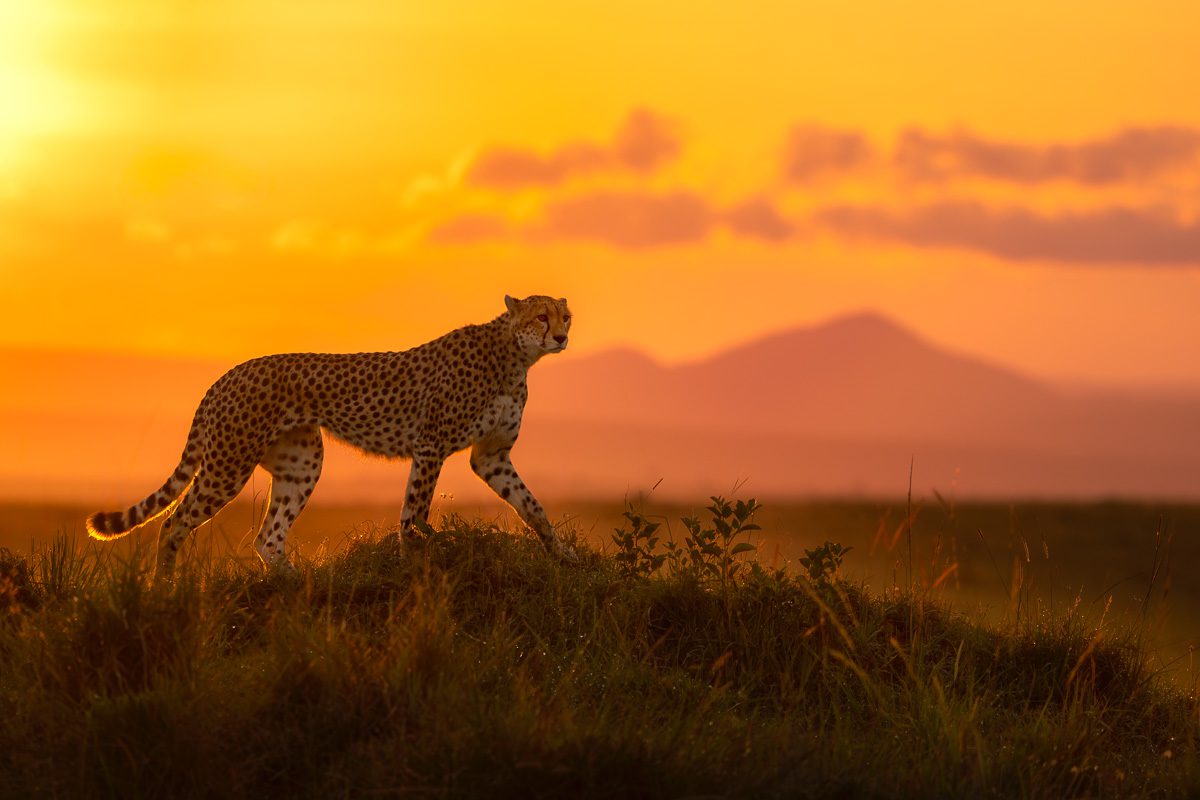 Safari Cost Guides
How Much Does a Tanzania Safari Cost in 2026
Planning a safari? Learn about how much does a tanzania safari cost in 2026. Get expert advice and insights from Safari Intelligence to plan your perfect trip.
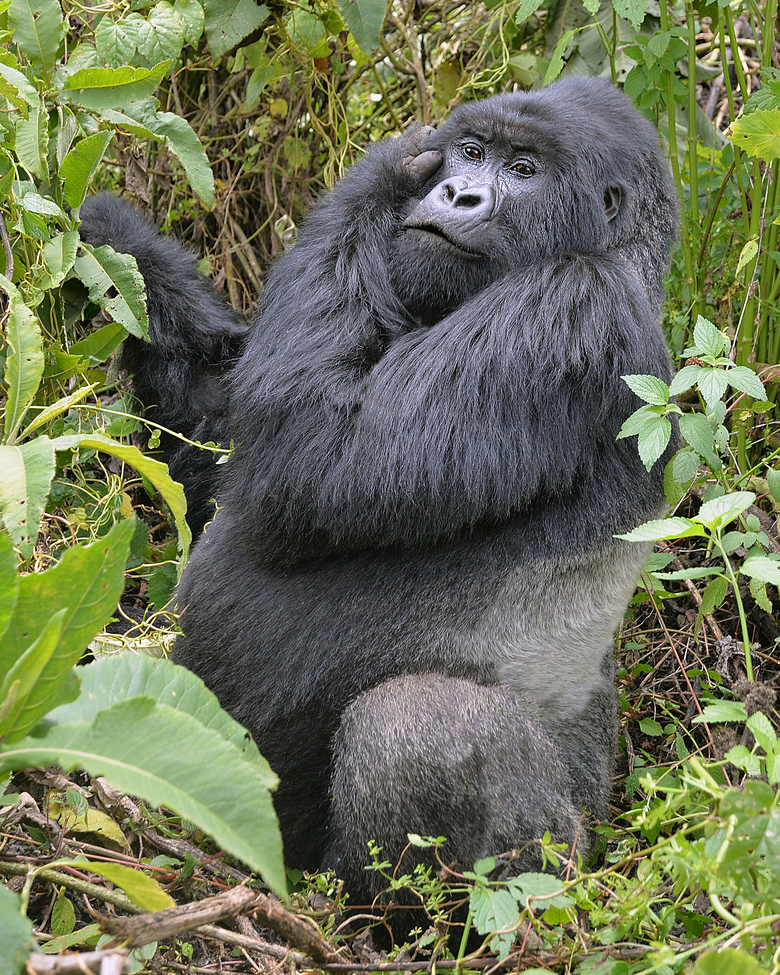 Safari Costs
Budget Safari vs Luxury Safari Costs
Discover the key cost differences between budget and luxury safaris, from accommodation and guiding to game drives and locations, to choose the right trip for you.
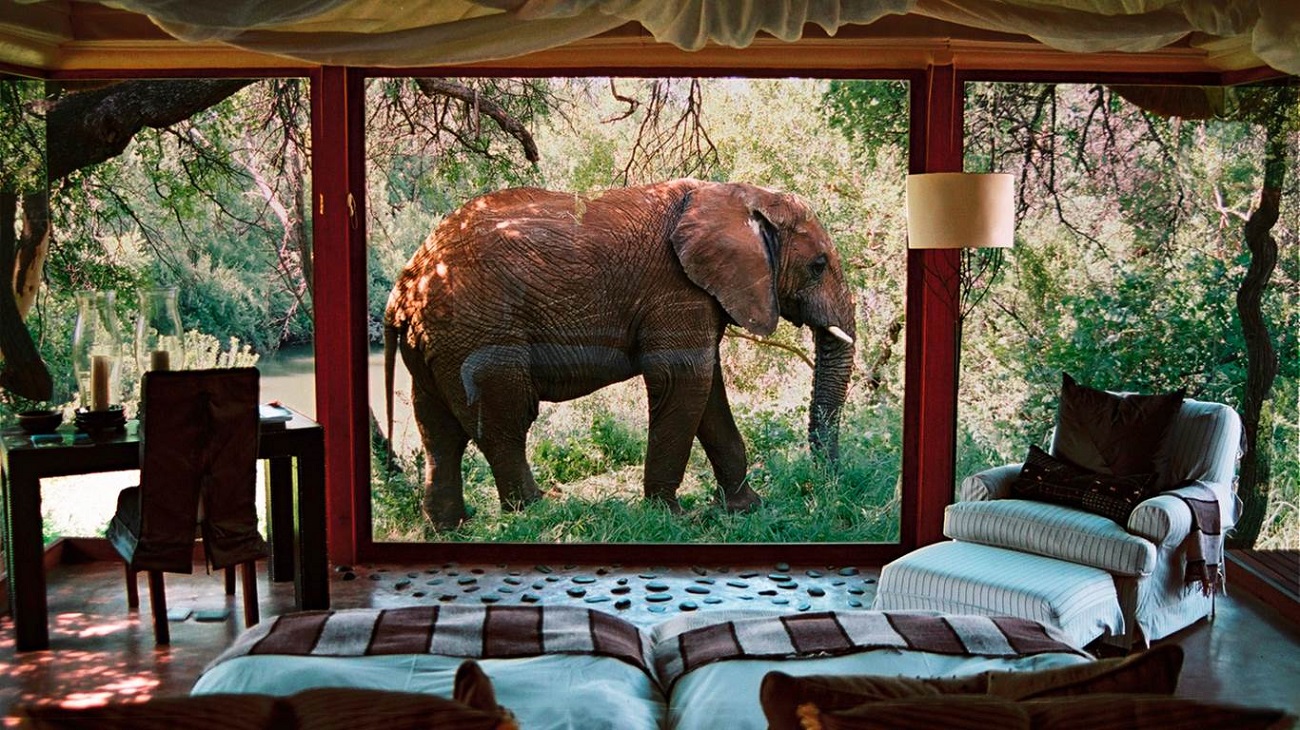 Safari Costs
How Much Does an African Safari Cost?
Learn how much an African safari costs and what factors influence the price. Our guide breaks down safari costs by destination, accommodation, and travel style.