
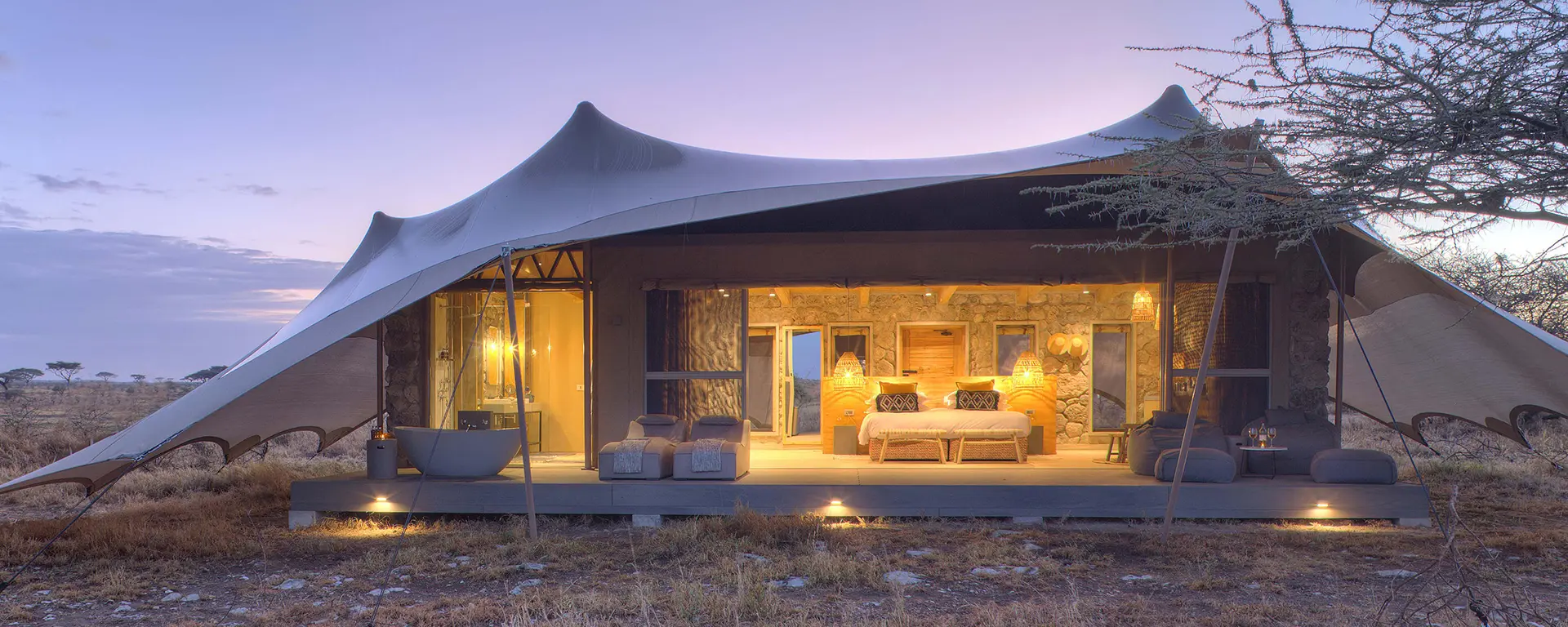
Discover the Ziwa Rhino Sanctuary in Uganda, the only place in the country where you can see rhinos in the wild, and a beacon of hope for rhino conservation.
The Return of the Rhino to Uganda
Ziwa Rhino Sanctuary is a remarkable conservation success story. Located in central Uganda, the sanctuary was established in 2005 to reintroduce southern white rhinos to the country after they were declared extinct in the wild in the early 1980s. The sanctuary started with just six rhinos, and today, the population has grown to over 30 individuals. For more on rhino conservation, see our knowledge center.
On-Foot Rhino Tracking
The main activity at Ziwa is the opportunity to track the rhinos on foot, accompanied by an experienced ranger. This is a truly unique and thrilling experience, allowing you to get up close to these magnificent animals in their natural habitat. The rangers are incredibly knowledgeable and will teach you about the rhinos' behavior and the history of the sanctuary. Our safari operators can help you book a rhino tracking experience.
Still researching? Let us help.
Our advisory team has planned safaris across 9 African countries. We can turn your research into a real plan.
Talk to an AdvisorOther Wildlife and Activities
In addition to rhinos, the sanctuary is home to a variety of other wildlife, including hippos, crocodiles, bushbucks, and a variety of monkeys. The sanctuary is also an excellent birdwatching destination, with over 300 species recorded. Other activities include canoe trips on the Lugogo Swamp and guided nature walks. For more on Uganda's wildlife, visit our destinations page.
Planning Your Visit
Ziwa Rhino Sanctuary is conveniently located on the way to Murchison Falls National Park, making it a perfect stopover on a northern Uganda safari circuit. The sanctuary offers a range of accommodation options, from a guesthouse to a campsite. A visit to Ziwa is a chance to support a vital conservation project and to have an unforgettable wildlife encounter. Use our cost calculator to help plan your Ugandan safari.
The Rhino Tracking Experience: A Step-by-Step Guide
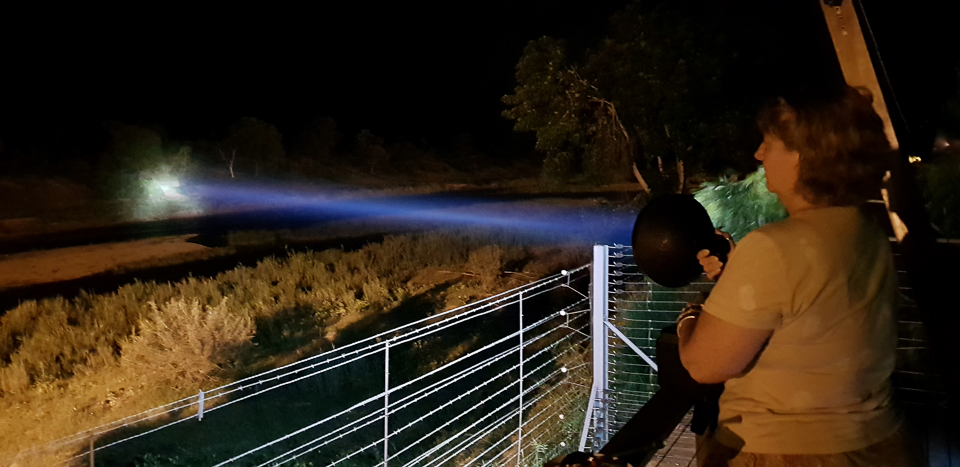
Your rhino tracking adventure begins at the sanctuary headquarters, where you'll meet your assigned Uganda Wildlife Authority (UWA) ranger. After a comprehensive safety briefing, you will proceed by car to the general area where the rhinos are currently located. From there, the final approach is made on foot. The trek is not strenuous, but you should be prepared for a walk of up to 30 minutes through the bush.
The ranger will guide you to a safe viewing distance, typically around 7 to 10 meters, from the rhinos. You will spend approximately one to one-and-a-half hours observing them as they graze, rest, and interact. This is a prime opportunity for photography, but remember to disable your flash. The rangers are experts on the individual rhinos and will share stories about their personalities and the group's social dynamics. For instance, you might learn to identify a specific bull by his unique horn shape or a mother by her protective behavior towards a calf.
Done Reading? Let's Build Your Safari.
Skip the guesswork. Work with an advisor who has been on the ground across East and Southern Africa.
Plan With UsConservation, Breeding, and Future Generations
Ziwa Rhino Sanctuary is more than just a tourist attraction; it is a crucial breeding center with a long-term vision. The ultimate goal of this project, managed by the non-profit Rhino Fund Uganda in partnership with the UWA, is to reintroduce southern white rhinos into Uganda's national parks. Murchison Falls National Park, where rhinos once roamed freely, is the primary candidate for the first reintroduction.
The breeding program has been a remarkable success. A powerful case study is the story of the first calf born in the sanctuary in 2009, a male named 'Obama' in honor of the then-U.S. President. His birth was a monumental event, symbolizing hope for the species' future in Uganda. Since then, dozens of calves have been born, growing the herd and creating a genetically healthy population ready for the next phase of conservation. Visiting Ziwa directly contributes to this success, as all fees support the rhinos' protection, including 24/7 monitoring and veterinary care.
Accommodation at Ziwa: From Budget to Comfort
While many visitors stop at Ziwa for a half-day activity, staying overnight provides a more immersive experience and supports the sanctuary further. The property offers two primary lodging options catering to different budgets, both located within the sanctuary grounds.
For those seeking comfort and a more inclusive experience, Amuka Safari Lodge is the upmarket choice. It features comfortable chalets, a swimming pool, and an on-site restaurant, providing a welcome retreat after a day of walking in the bush. A stay here often includes your rhino tracking permit and offers a touch of luxury. Expect prices to range from $200-$350 per person per night. Given its popularity, booking in advance is essential, particularly during peak travel seasons (June-September and December-February).
For more budget-conscious travelers, the Ziwa Rhino Guesthouse offers basic but clean and perfectly comfortable rooms. It presents a more rustic experience but is ideal for an overnight stay. There is also a campsite available for travelers with their own equipment. Both the guesthouse and campsite are managed directly by Rhino Fund Uganda, meaning your accommodation fees directly fund the conservation program. Guesthouse rooms are typically in the $50-$80 price range, while camping is around $10 per person.
Planning Your Journey to Ziwa
Ziwa Rhino Sanctuary is strategically located in the Nakasongola District, approximately 176 kilometers (109 miles) north of Kampala on the main Gulu highway. Its position makes it a perfect and highly recommended stopover for travelers heading to or from Murchison Falls National Park, which is about a 2-hour drive further north.
By Road: The journey from Kampala or Entebbe International Airport (EBB) typically takes 3 to 4 hours, depending heavily on traffic when departing the city. You can hire a private vehicle with a driver—the most common and convenient method for international visitors. Alternatively, for those on a tighter budget, public buses run from Kampala towards Masindi or Gulu, and you can ask to be dropped at the turn-off. From there, you would need to hire a local 'boda-boda' (motorcycle taxi) for the final 7km to the sanctuary entrance. Our safari operators can help coordinate seamless private transport.
Understanding the Costs: Fees and Contributions
A visit to Ziwa is not just a tour; it's a direct contribution to the complex and expensive work of rhino conservation. The fees are structured to support 24/7 security, veterinary care, ranger salaries, and community programs. As of late 2025, the primary costs are as follows:
| Activity/Fee | International Visitor | East African Resident | | --------------------------- | --------------------- | --------------------- | | Rhino Tracking (per person) | $50 USD | $40 USD | | Birding Walk | $30 USD | $25 USD | | Guided Nature Walk | $30 USD | $25 USD | | Night Walk | $40 USD | $35 USD | | Canoe/Shoebill Trip | $35 USD | $30 USD |
These fees are paid at the reception upon arrival and are separate from any accommodation costs. It is a wise investment in the future of Uganda's wildlife, ensuring that generations to come can also experience the thrill of seeing a rhino in the wild. For a full trip budget, be sure to explore our destination guides for more on Ugandan travel costs.
Need Expert Safari Guidance?
Get expert advisory support from a firm founded by a former safari guide — with real operational knowledge across 9 African countries and full-journey accountability.
Related Planning Guides
Recommended Reading
 Destination Guides
Laikipia Plateau: A Conservation Success Story
A complete guide to Complete Guide to Laikipia Plateau. Learn about the wildlife, activities, and best time to visit this amazing destination.
 Destination Guides
Addo Elephant National Park: A Success Story
A complete guide to Complete Guide to Addo Elephant National Park. Learn about the wildlife, activities, and best time to visit this amazing destination.
 Safari Planning Guides
How to Plan a Safari for Rhino Conservation
Learn about how to plan a safari for rhino conservation in this comprehensive safari guide covering key insights and practical advice.
 Wildlife Guides
Complete Guide to Black Rhinoceros Conservation
Learn all about Complete Guide to Black Rhinoceros Conservation in this comprehensive guide. Discover the best time to go, what to see, and how to plan your trip.
 Destination Guides
Lewa Wildlife Conservancy: A Rhino Haven
A complete guide to Complete Guide to Lewa Wildlife Conservancy. Learn about the wildlife, activities, and best time to visit this amazing destination.
 Wildlife Guides
Rhinos in Africa
Planning a safari? Learn the difference between black and white rhinos, the best places to see them in Africa, and how your travel can help conservation.