
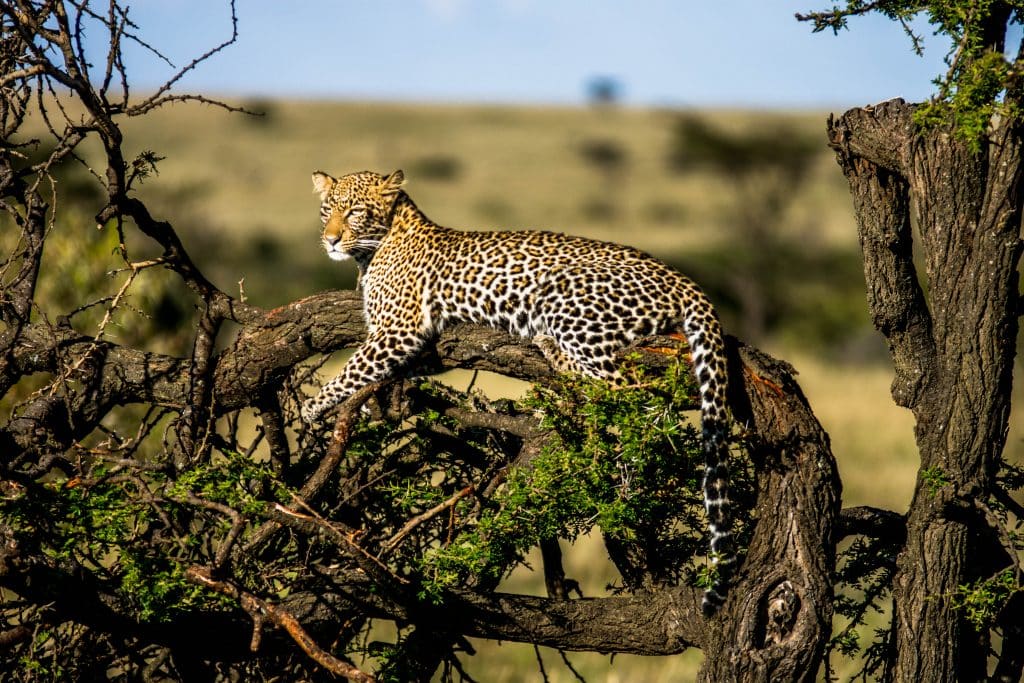
Discover the beauty of Lake Manyara National Park, from its famous tree-climbing lions to the stunning flocks of flamingos. Plan your visit today!
The Famous Tree-Climbing Lions
Lake Manyara National Park is renowned for its unique population of tree-climbing lions. While lions in other parts of Africa occasionally climb trees, the lions of Manyara do so with remarkable frequency. Seeing a pride of lions lounging in the branches of an acacia tree is a truly unforgettable sight. This unusual behavior is just one of the many things that make Lake Manyara a special place. For more on unique wildlife sightings, check our knowledge center.
A Birdwatcher's Paradise
The park's centerpiece is the beautiful Lake Manyara, a shallow alkaline lake that attracts vast flocks of flamingos. The lake's shores are also home to a wide variety of other bird species, including pelicans, storks, and cormorants. With over 400 species of birds recorded, Lake Manyara is a paradise for birdwatchers. Our safari operators can connect you with expert birding guides to enhance your experience.
Still researching? Let us help.
Our advisory team has planned safaris across 9 African countries. We can turn your research into a real plan.
Talk to an AdvisorDiverse Landscapes and Wildlife
Despite its relatively small size, Lake Manyara National Park boasts a remarkable diversity of habitats. From the groundwater forest to the acacia woodlands and the grassy floodplain, each area supports a different range of wildlife. In addition to the famous lions, the park is home to large herds of elephants, buffalos, and giraffes. Exploring the different landscapes is a key part of the Manyara experience. To see how Lake Manyara fits into a larger itinerary, visit our destinations page.
Planning Your Visit to Lake Manyara
Lake Manyara is an ideal stop on a northern Tanzania safari circuit, often combined with visits to the Serengeti and Ngorongoro Crater. The park is accessible year-round, with the dry season offering the best game viewing. To get an idea of the costs for a safari that includes Lake Manyara, use our cost calculator. Our team is ready to help you plan your adventure to this beautiful park.
Beyond the Game Drive: Unique Activities in Manyara
While the wildlife drives are the main attraction, Lake Manyara offers unique activities that provide a different perspective of the park. One of the most popular is the Treetop Walkway, a 370-meter air walk that allows you to stroll through the forest canopy. This elevated vantage point offers incredible, close-up views of monkeys, birds, and the lush groundwater forest ecosystem. It’s a fantastic way to stretch your legs and experience the park from a viewpoint usually reserved for its primate residents.
Depending on water levels during the wet season, canoeing on Lake Manyara is another spectacular option. Paddling quietly along the shore provides an intimate encounter with the park’s famous birdlife, especially the vast flocks of pink flamingos. You may also see hippos, giraffes, and buffalo from a unique, water-level angle, offering unparalleled photographic opportunities and a peaceful escape from the vehicle.
Done Reading? Let's Build Your Safari.
Skip the guesswork. Work with an advisor who has been on the ground across East and Southern Africa.
Plan With UsWhen to Visit: A Seasonal Guide
The park is a rewarding destination year-round, but the experience changes significantly with the seasons. The dry season (June to October) is widely considered the best time for game viewing. As water sources become scarce, animals congregate around the lake and rivers, making them easier to find. The vegetation is also less dense, which improves visibility. However, this is also the busiest time of year, so you can expect more vehicles and higher accommodation rates.
Conversely, the wet season (November to May) transforms the park into a lush, green paradise. This period is a birdwatcher's dream, as migratory birds from Europe and Asia arrive, and resident birds are in their breeding plumage. While some tracks may become muddy, the park is far less crowded, offering a more exclusive safari experience. The landscape is at its most beautiful, and it's a fantastic time for photographers looking to capture the vibrant scenery.
Where to Stay: Lodges and Camps In and Around Manyara
Choosing the right accommodation is crucial for your Lake Manyara experience. The area offers a range of options, from luxurious lodges nestled within the park to comfortable camps perched on the Great Rift Valley escarpment with stunning views.
For unparalleled luxury and immersion, andBeyond Lake Manyara Tree Lodge is the only permanent lodge located inside the park. Its stilted treehouse suites are built in the boughs of ancient mahogany trees in the remote southern end of the park. This exclusive location offers privacy and intimate wildlife encounters, far from the day-tripper crowds. Expect to pay a premium, with rates often starting from $1,200 per person, per night. For travelers seeking this level of service, our safari operators can arrange seamless bookings.
Perched on the edge of the Rift Valley escarpment, Lake Manyara Serena Safari Lodge provides breathtaking panoramic views of the park and the lake below. Its circular, Maasai-inspired huts offer comfortable and stylish accommodation. The lodge features a stunning infinity pool that seems to merge with the horizon, providing a perfect spot for relaxation after a game drive. It represents a fantastic mid-range to high-end option, with excellent service and a prime location just outside the park gates.
For those looking for value without compromising on comfort, the nearby town of Karatu and the community of Mto wa Mbu offer numerous choices. Lodges like Escarpment Luxury Lodge provide a high-end experience with private villas and exceptional views, while tented camps offer a more grounded-in-nature feel. Consulting our operator directory can help you find a lodge that perfectly matches your budget and style.
Park Logistics: Fees, Getting There, and Sample Itinerary
Lake Manyara is one of the most accessible parks in Tanzania's northern circuit. It is approximately a 2.5 to 3-hour drive (130 km or 80 miles) from Arusha, the primary safari hub. The road is paved and in good condition, making for a comfortable journey. For those on a fly-in safari, the Manyara Airstrip (MNY) is located just outside the park and receives scheduled flights from Arusha and the Serengeti.
As of 2026, park entrance fees are around $59 USD per adult per 24-hour period. These fees are essential for conservation efforts and park maintenance. It's important to confirm the latest fees with your tour operator, as they can change.
A typical day trip allows for a thorough exploration of the park's northern section. A sample itinerary might look like this:
- 8:00 AM: Enter the park gate and drive through the lush groundwater forest, looking for blue monkeys, baboon troops, and hornbills.
- 10:00 AM: Emerge into the acacia woodlands, the prime territory for spotting the famous tree-climbing lions and large elephant herds.
- 12:30 PM: Enjoy a picnic lunch at a designated site with views over the lake.
- 2:00 PM: Drive along the lake shore to observe hippos, flamingos, and other waterfowl.
- 4:00 PM: Begin your drive back towards the gate, enjoying the soft afternoon light and a final scan for wildlife.
Beyond Wildlife: The Cultural Melting Pot of Mto wa Mbu
Just outside the park's entrance lies Mto wa Mbu (meaning "Mosquito River" in Swahili), a vibrant town that offers a fascinating cultural diversion. Unlike many other towns, Mto wa Mbu is a microcosm of Tanzania, home to over 120 different ethnic groups who live together in harmony. A visit here provides a rich cultural experience that complements the wildlife safari.
Guided village tours, often conducted by bicycle or on foot, are highly recommended. You can visit local farms to see how the famous red bananas and rice are grown, watch artisans at work creating intricate wood carvings and paintings, and wander through the bustling local market. It's a fantastic opportunity to interact with local people, learn about their diverse traditions, and gain insight into daily life in rural Tanzania. A stop here enriches any northern circuit itinerary, and you can explore options in our destination guides.
Need Expert Safari Guidance?
Get expert advisory support from a firm founded by a former safari guide — with real operational knowledge across 9 African countries and full-journey accountability.
Related Planning Guides
Recommended Reading
 National Park Guides
Lake Nakuru National Park Guide
Discover the ultimate guide to Lake Nakuru National Park. Learn about its famous flamingos, rhino sanctuary, diverse wildlife, and stunning landscapes.
 Destination Guides
Mikumi National Park: An Accessible Safari
Discover Mikumi National Park, an accessible and affordable safari destination in Tanzania. Learn about its wildlife, activities, and when to visit.
 Destination Guides
Katavi National Park: A Remote Wilderness
Experience the raw and remote wilderness of Katavi National Park. This guide covers its incredible wildlife, when to visit, and what to expect.
 Destination Guides
Arusha National Park: A Day Trip Destination
Explore the diverse landscapes of Arusha National Park, from the Momella Lakes to the Ngurdoto Crater. This guide covers everything you need to know for a day t
 National Park Guides
Serengeti National Park Guide
Explore the wonders of Serengeti National Park with our expert guide. Learn about the Great Migration, wildlife, and planning your unforgettable Tanzanian safari.
 National Park Guides
Kruger National Park Guide
Discover the ultimate guide to Kruger National Park. Learn about its incredible wildlife, the best time to visit, and how to plan your dream safari adventure.