
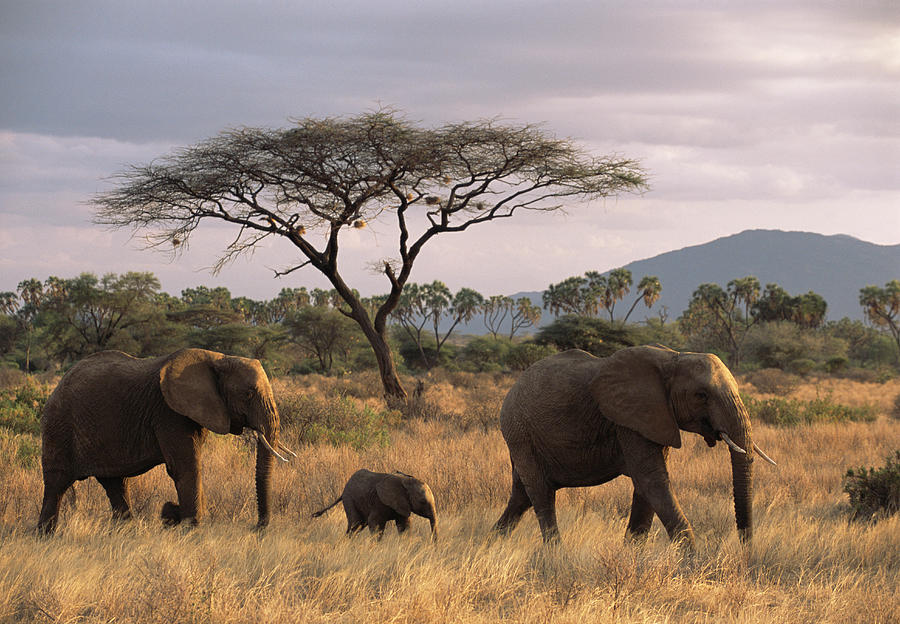
A complete guide to Complete Guide to Madikwe Game Reserve. Learn about the wildlife, activities, and best time to visit this amazing destination.
Introduction to Complete Guide to Madikwe Game Reserve
When it comes to complete guide to madikwe game reserve, experienced safari travelers know that preparation makes all the difference. Africa's diverse landscapes and ecosystems offer unique opportunities, and knowing what to expect helps you make the most of every moment on safari.
Key Details and Considerations
Several critical factors influence complete guide to madikwe game reserve in the African safari context. Geographic location, time of year, and the specific activities you're interested in all play important roles. The diversity of Africa's safari destinations means that no two experiences are alike, and understanding these nuances helps you plan more effectively. Our destination guides provide detailed information for each region.
Still researching? Let us help.
Our advisory team has planned safaris across 9 African countries. We can turn your research into a real plan.
Talk to an AdvisorPractical Advice
For practical guidance on complete guide to madikwe game reserve, consider these expert recommendations. First, start your research early and use reliable sources like our knowledge center for up-to-date information. Second, don't underestimate the value of professional guidance, as a knowledgeable safari planning guide can save you time, money, and potential disappointment. Third, remain flexible in your planning, as Africa's natural environments are dynamic and unpredictable.
Expert Insights
Industry experts emphasize that complete guide to madikwe game reserve continues to evolve as safari tourism grows and adapts to new challenges. Conservation-focused tourism, community engagement, and sustainable practices are increasingly important considerations for discerning travelers. By choosing operators who prioritize these values, you contribute to the long-term preservation of Africa's wild places. Browse our operator directory to find companies committed to responsible tourism.
Planning Your Next Steps
In summary, complete guide to madikwe game reserve is a multifaceted topic that rewards careful study and thoughtful planning. Whether you're a first-time safari traveler or a returning enthusiast, staying informed about the latest developments and best practices ensures the best possible experience. Explore our destinations, consult our safari operators, and use our cost calculator to begin planning your African adventure today.
Done Reading? Let's Build Your Safari.
Skip the guesswork. Work with an advisor who has been on the ground across East and Southern Africa.
Plan With UsA Month-by-Month Guide to Wildlife Viewing in Madikwe
While Madikwe is a year-round destination, understanding its seasonal rhythms is key to optimizing your safari experience. The park's climate is semi-arid, with a hot, wet summer (October to April) and a cool, dry winter (May to September).
Dry Season (May to September)
This is traditionally considered the best time for game viewing. The vegetation thins out, and water becomes scarce, drawing animals to the Madikwe River and the reserve's many waterholes. This concentration of wildlife makes for exceptional and predictable sightings.
- May/June: The bush is still lush from the summer rains, creating beautiful landscapes for photography. Temperatures are pleasant, with cool nights and warm days.
- July/August: The heart of the dry season. The bush is at its thinnest, and animal sightings are at their peak. This is an excellent time to see the endangered African Wild Dog, as they are often denning during these months. Expect cold mornings and evenings, so pack warm layers.
- September: The season's end brings warmer temperatures. It remains a prime viewing month, though the landscape is parched and dusty ahead of the coming rains.
> Expert Insight: The dry season is the best time to track Madikwe's famous Kalahari black-maned lions. With less water available, they are more likely to be found near the main water sources, and the thinner bush makes tracking them on foot with a guide a more manageable and rewarding experience.
Wet Season (October to April)
The wet season transforms Madikwe into a vibrant, green paradise. While the thicker vegetation can make wildlife harder to spot, this period offers its own unique rewards.
- October/November: The first rains arrive, bringing new life to the reserve. This is birthing season for many antelope species, which in turn attracts predators. The dramatic afternoon thunderstorms create spectacular skies.
- December to February: The peak of summer. It's hot and humid, but the birdwatching is absolutely phenomenal, with migratory species arriving in abundance. This is the best time for ornithologists to visit.
- March/April: The rains begin to subside. The landscape is breathtakingly green, and the air is clear. This “shoulder season” offers a wonderful balance of pleasant weather, lush scenery, and good game viewing before the peak season rush.
The Photographer's Guide to Madikwe
Madikwe is a photographer's dream, offering dramatic landscapes and a rich diversity of wildlife. To make the most of your photographic opportunities, consider the following:
- Lens Choice: A versatile telephoto zoom lens (e.g., 100-400mm or 200-600mm) is essential for wildlife photography. A wide-angle lens (e.g., 16-35mm or 24-70mm) is also recommended for capturing the sweeping landscapes and dramatic skies.
- Beanbags: While some lodges provide them, bringing your own beanbag for stabilizing your camera on the vehicle's roll bars is a good idea. It's often more effective than a tripod in a safari vehicle.
- Dust Protection: The dry season can be very dusty. Bring a dust-proof camera bag and lens cloths to protect your gear.
> Traveler's Tip: Don't forget to photograph the smaller wonders. Madikwe is home to a fascinating array of insects, reptiles, and birds that make for compelling macro and close-up subjects. The vibrant plumage of a Lilac-breasted Roller or the intricate patterns of a leopard tortoise can be just as captivating as a lion kill.
Madikwe's Conservation Triumphs
Madikwe Game Reserve is a remarkable success story in conservation. Established in 1991 on reclaimed farmland, it has been the site of one of the largest wildlife translocation projects in the world, Operation Phoenix. Over 8,000 animals of 28 different species were reintroduced to the area.
The reserve operates on a unique three-tiered partnership between the state (North West Parks and Tourism Board), the private sector (the lodge owners), and local communities. This model ensures that the benefits of ecotourism are shared, providing a powerful incentive for conservation.
Key conservation initiatives include:
- African Wild Dog Program: Madikwe is one of the best places in Africa to see these highly endangered predators. The reserve's program has been instrumental in their conservation, with several packs successfully established.
- Rhino Conservation: The reserve plays a vital role in rhino conservation, with significant populations of both black and white rhino. Anti-poaching units are highly active and well-equipped.
- Community Development: A portion of the revenue generated by the lodges is invested in local community projects, including schools, clinics, and small business development.
For more on sustainable tourism, visit our knowledge center.
Choosing Your Lodge: Understanding Madikwe's Tiers
Madikwe offers a range of lodges to suit different budgets and travel styles, from ultra-luxurious to more family-friendly options. Our safari operators can help you select the perfect lodge for your needs, but here is a general overview:
Ultra-Luxury Tier
These lodges offer the pinnacle of service, cuisine, and accommodation. Expect private plunge pools, personal butlers, and exclusive-use safari vehicles. Examples include Molori Safari Lodge and Jamala Madikwe.
Luxury Tier
Offering a superb safari experience with excellent guiding, comfortable accommodation, and fine dining. These lodges provide a balance of luxury and value. Examples include Madikwe Safari Lodge and Tuningi Safari Lodge.
Mid-Range & Family-Friendly Tier
These lodges offer a more relaxed and informal atmosphere, often with dedicated children's programs. They provide a fantastic and affordable way to experience Madikwe. Examples include Jaci's Lodges and Madikwe River Lodge.
Use our cost calculator to estimate the cost of your Madikwe safari based on your preferred lodge tier.
A Sample 3-Day Madikwe Itinerary
To give you a taste of what to expect, here is a sample itinerary for a 3-day safari in Madikwe:
- Day 1: Arrival and Afternoon Game Drive. Arrive at the lodge in time for lunch. Settle in before heading out on your first afternoon game drive. As the sun sets, stop for sundowner drinks in the bush before continuing with a night drive to spot nocturnal animals.
- Day 2: Morning and Afternoon Game Drives. An early start for a morning game drive, the best time to see predators on the move. Return to the lodge for a late breakfast and spend the heat of the day relaxing by the pool. In the afternoon, you might opt for a guided bush walk to learn about the smaller flora and fauna before your evening game drive.
- Day 3: Final Game Drive and Departure. One last morning game drive to track any animals you may have missed. After a final breakfast, you will be transferred to the airstrip for your flight back to Johannesburg.
Ready to start your journey? Plan your safari with us today.
Need Expert Safari Guidance?
Get expert advisory support from a firm founded by a former safari guide — with real operational knowledge across 9 African countries and full-journey accountability.
Related Planning Guides
Recommended Reading
 Destination Guides
Complete Guide to Sabi Sands Game Reserve
A complete guide to Complete Guide to Sabi Sands Game Reserve. Learn about the wildlife, activities, and best time to visit this amazing destination.
 Destination Guides
Complete Guide to Phinda Private Game Reserve
A complete guide to Complete Guide to Phinda Private Game Reserve. Learn about the wildlife, activities, and best time to visit this amazing destination.
 Destination Guides
Complete Guide to Gondwana Game Reserve
A complete guide to Complete Guide to Gondwana Game Reserve. Learn about the wildlife, activities, and best time to visit this amazing destination.
 National Park Guides
Samburu National Reserve Guide
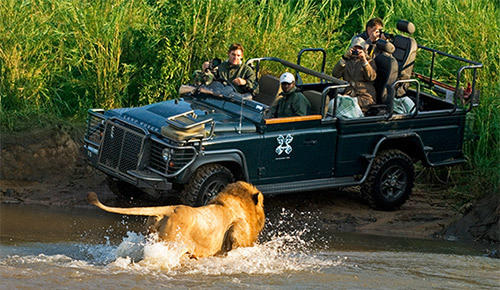
Discover the wonders of Samburu National Reserve, home to the Samburu Special Five. Our guide covers wildlife, when to visit, and cultural experiences.
 Country Guides
Complete Safari Guide to Tanzania
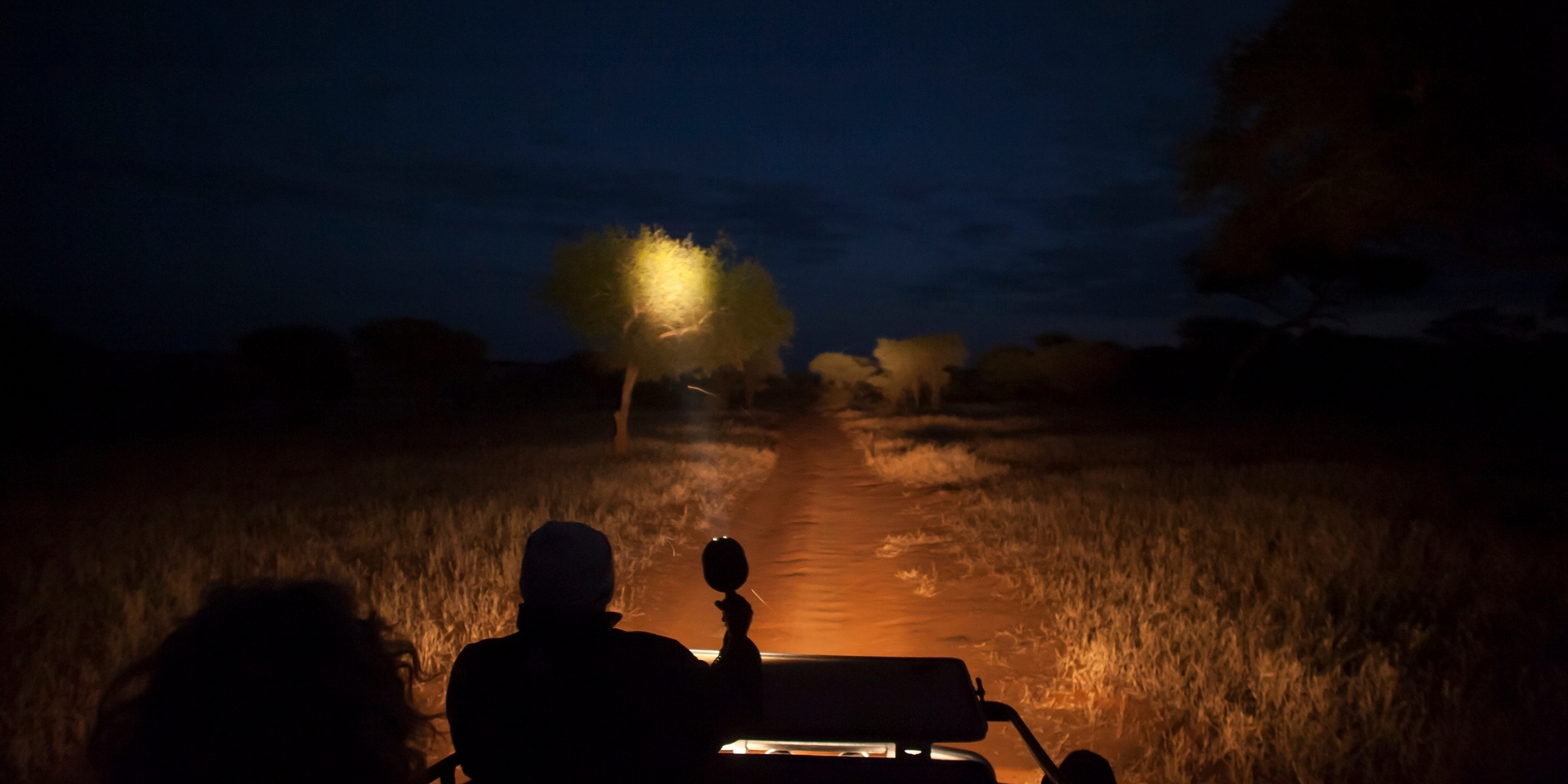
Your complete guide to Complete Safari Guide to Tanzania. Find the best destinations, planning tips, and more for your next safari adventure.
 Country Guides
Complete Safari Guide to Kenya
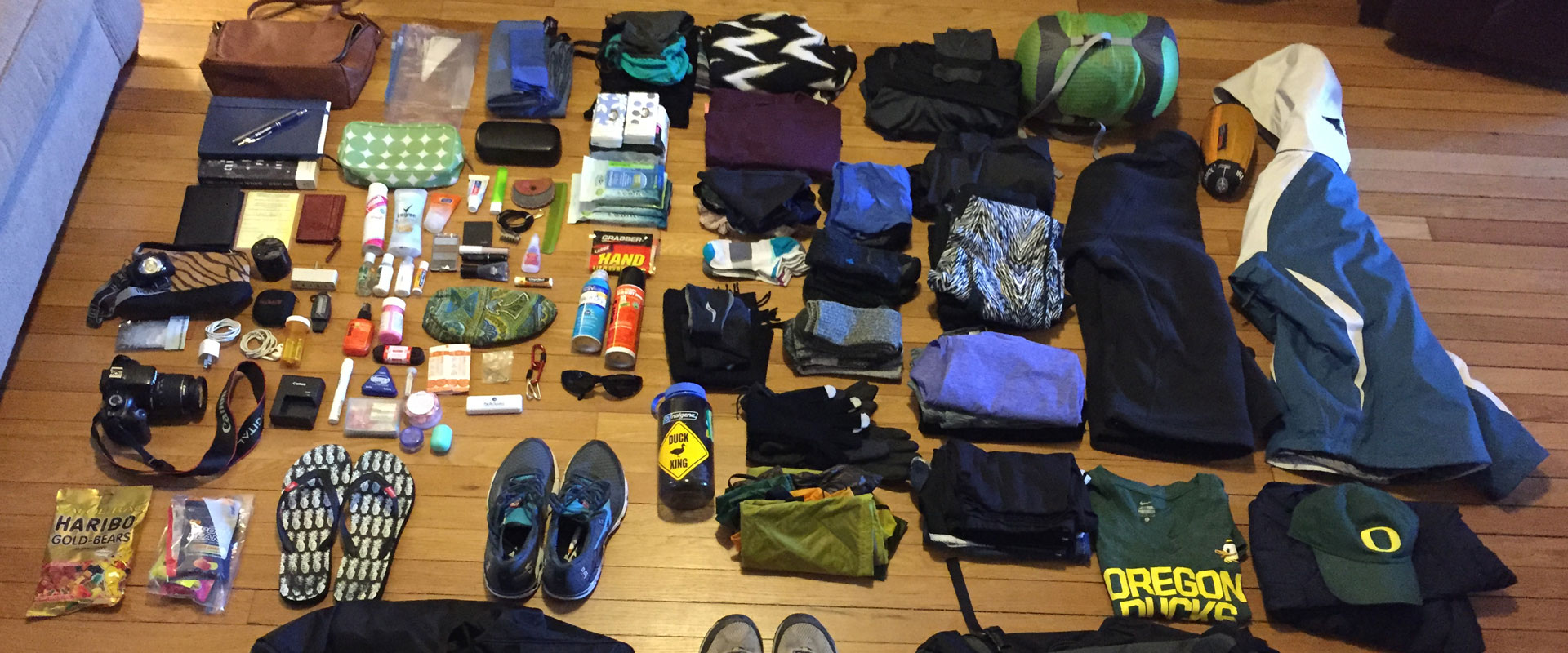
Your complete guide to Complete Safari Guide to Kenya. Find the best destinations, planning tips, and more for your next safari adventure.