
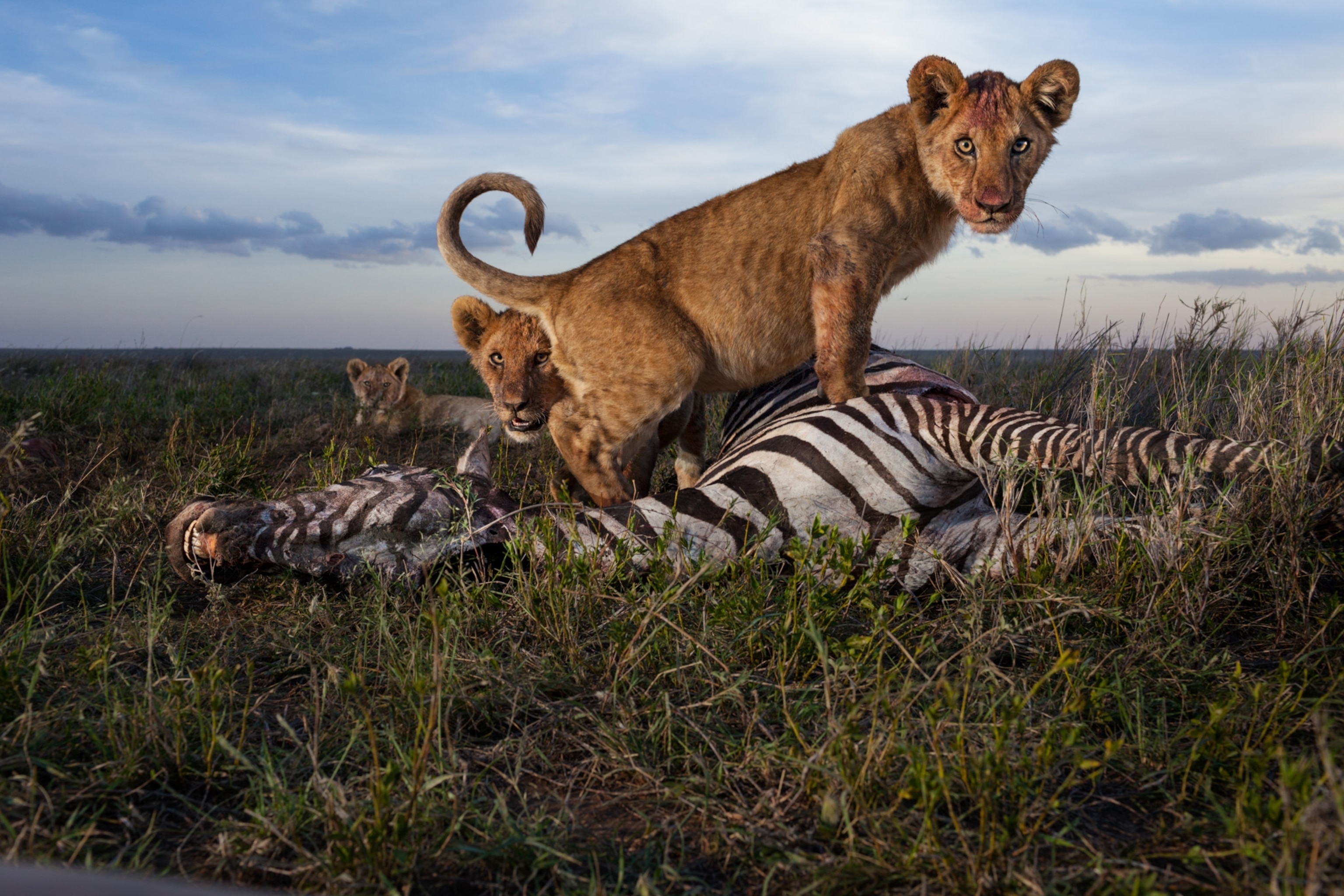
A complete guide to Complete Guide to Kgalagadi Transfrontier Park. Learn about the wildlife, activities, and best time to visit this amazing destination.
A Vast and Arid Wilderness
The Kgalagadi Transfrontier Park is a vast and arid wilderness that straddles the border between South Africa and Botswana. It is a land of red sand dunes, dry riverbeds, and sparse vegetation. The park is a challenging but incredibly rewarding destination for those who are looking for a true desert experience. For more on desert destinations, explore our guide to southern Africa.
The Predators of the Kalahari
The Kgalagadi is famous for its predators. The park is one of the best places in Africa to see cheetahs, and it is also home to a healthy population of the famous black-maned lions of the Kalahari. The sparse vegetation makes it easy to spot wildlife, and game drives in the Kgalagadi are often action-packed and full of excitement. Our safari operators can help you plan a trip that focuses on seeing these incredible predators.
Still researching? Let us help.
Our advisory team has planned safaris across 9 African countries. We can turn your research into a real plan.
Talk to an AdvisorA Photographer's Dream
The Kgalagadi is a photographer's dream. The stark and beautiful landscapes, the incredible light, and the abundance of wildlife make it a perfect destination for photography. The park's unfenced wilderness camps offer a chance to get up close to the action and to capture some truly stunning images. For more on photography safaris, visit our knowledge center.
Planning Your Kgalagadi Safari
The Kgalagadi is a year-round destination, but the best time for game viewing is during the dry season, from May to October. The park is very remote, and a safari here requires careful planning. It is essential to be self-sufficient, as there are limited facilities in the park. To get an idea of the costs for a trip to the Kgalagadi, use our cost calculator. Our team can help you plan a true wilderness adventure in this desert kingdom.
A Tale of Two Seasons: When to Visit the Kgalagadi
The Kgalagadi's raw beauty shifts dramatically with the seasons, offering unique experiences throughout the year. While the dry season is traditionally favored, the wet season unveils a different, equally captivating side of the desert.
The Dry Season (May to October): Prime Time for Predators
This is the classic safari season. As ephemeral water sources evaporate, wildlife congregates around the permanent waterholes along the Auob and Nossob riverbeds. This concentration makes for exceptional and predictable game viewing.
- Wildlife Viewing: The sparse vegetation and reliance on waterholes mean predators like lions, cheetahs, and leopards are frequently seen staking out these vital resources. It's a fantastic time for observing predator-prey interactions. Herds of springbok, gemsbok, and blue wildebeest are a constant presence.
- Weather: Days are generally mild and sunny, but nights can be bitterly cold, with temperatures dropping below freezing. Pack layers, including a warm jacket, beanie, and gloves for early morning game drives.
- Photography: The golden light of winter mornings and evenings is a photographer's dream. The dust kicked up by animals creates a dramatic, atmospheric haze, especially at sunrise and sunset.
> Expert Insight: The dry season is the best time to witness the park's famous black-maned Kalahari lions. Their dark manes stand out magnificently against the pale, dry grasses. For a deeper dive into Africa's iconic species, visit our knowledge center.
The Wet Season (November to April): A Time of Rebirth
The summer rains transform the arid landscape into a surprisingly green and vibrant ecosystem. This period is characterized by dramatic afternoon thunderstorms, baby animals, and migratory birds.
- Wildlife Viewing: While animals are more dispersed due to abundant water and food, this is the birthing season for many species, including springbok and wildebeest. The sight of young, wobbly-legged calves is a major highlight. This is also the best time for birdwatching, as migratory species arrive in their thousands.
- Weather: Expect hot days, often exceeding 40°C (104°F), with high humidity. The afternoon thunderstorms bring relief and create spectacular cloud formations.
- Photography: The landscape is lush and green, offering a completely different color palette. The dramatic skies and frequent rainbows after a storm provide stunning photographic opportunities.
> Traveler's Tip: If visiting during the wet season, be prepared for potential challenges. Roads can become muddy and difficult to navigate, especially in the Botswana section of the park. A 4x4 vehicle is essential year-round but is non-negotiable during these months. Our safari operators can ensure your vehicle and itinerary are perfectly suited for the conditions.
Done Reading? Let's Build Your Safari.
Skip the guesswork. Work with an advisor who has been on the ground across East and Southern Africa.
Plan With UsBeyond the Big Cats: The Kgalagadi’s Unique Inhabitants
While the park is renowned for its predators, the Kgalagadi is also a sanctuary for a host of smaller, more elusive, and equally fascinating creatures. A successful safari here is as much about appreciating these desert specialists as it is about spotting lions.
The Desert Specialists
- Meerkat (Suricata suricatta): These charismatic members of the mongoose family are a delight to watch. Look for them in large social colonies, often standing sentinel on their hind legs near their burrows. Their complex social structures and cooperative behavior are a highlight of any Kgalagadi trip.
- Bat-eared Fox (Otocyon megalotis): With their enormous ears, these foxes are perfectly adapted for detecting insects and other small invertebrates underground. They are often seen in pairs or small family groups, foraging in the cooler hours of the day.
- Honey Badger (Mellivora capensis): Notoriously tough and tenacious, the honey badger is a formidable forager. While primarily nocturnal, they are occasionally seen during the day, digging for rodents, reptiles, or scorpions. A sighting is a true badge of honor for any safari enthusiast.
- Pangolin (Smutsia temminckii): The holy grail of safari sightings. These shy, nocturnal, and critically endangered animals are covered in keratin scales and are incredibly difficult to find. Your best chance of a sighting is on a guided night drive, but it requires immense luck.
Birds of the Arid Plains
The Kgalagadi is a birder's paradise, especially for those interested in raptors. The park's open spaces and abundance of rodents and reptiles support a healthy population of birds of prey.
- Raptors: Look to the skies and the tops of camelthorn trees for Martial Eagles, Bateleurs, and the pale form of the Chanting Goshawk. The diminutive Pygmy Falcon, Africa's smallest raptor, is also a resident.
- Sociable Weavers: You cannot miss the enormous, communal nests of the Sociable Weaver. These massive structures, often built on telephone poles or quiver trees, can house hundreds of birds and are a defining feature of the Kalahari landscape.
> Traveler's Tip: To make the most of your wildlife viewing, vary your game drive patterns. Spend time at waterholes, but also drive slowly along the dune roads, scanning the landscape for smaller creatures. Early mornings and late afternoons are the most productive times. For a comprehensive list of potential sightings, explore our destinations page.
Navigating the Desert: Accommodation and Logistics
A safari in the Kgalagadi is a true adventure, but it requires more planning than a trip to more mainstream parks. Being self-sufficient is key to a safe and enjoyable experience.
Where to Stay
The park offers a range of accommodation, from traditional rest camps to unfenced wilderness camps that offer a more immersive experience.
- Main Rest Camps: Twee Rivieren, Mata-Mata, and Nossob are the three main camps. They offer chalets, campsites, fuel stations, and small shops. Twee Rivieren is the largest and serves as the administrative headquarters.
- Wilderness Camps: For a more rustic and intimate experience, consider one of the six wilderness camps, such as Kieliekrankie or Urikaruus. These camps are unfenced and offer limited self-catering units, placing you right in the heart of the wilderness. Bookings are essential and must be made far in advance.
- Botswana Side: The Botswana side of the park is far more remote, with unfenced campsites that have very basic facilities (or none at all). This area is for experienced and fully self-sufficient 4x4 enthusiasts only.
Vehicle and Driving Considerations
While the main roads on the South African side can be driven in a high-clearance 2WD vehicle, a 4x4 is highly recommended for a complete experience, and it is mandatory for the wilderness trails and the entire Botswana section.
- Tyre Pressure: The sandy roads are the biggest challenge. It is crucial to deflate your tyres to around 1.6 bar (or lower) to increase the surface area and prevent getting stuck. Remember to re-inflate them before driving on tar roads.
- Fuel and Supplies: Fuel is only available at the three main rest camps. Always travel with a full tank and carry extra fuel if you plan to explore extensively. Stock up on all your food and water before entering the park, as the camp shops have very limited supplies.
> Expert Insight: Planning a Kgalagadi safari can be complex. Our team of safari operators can help you craft the perfect itinerary, from booking the best camps to arranging a fully-equipped 4x4 vehicle. Let us handle the logistics so you can focus on the adventure. To get a sense of what a trip like this might cost, use our cost calculator.
A Photographer’s Paradise
The Kgalagadi is a dream destination for photographers. The sparse landscapes, dramatic light, and cooperative subjects create endless opportunities for stunning images.
- The Golden Hour: The first and last hours of daylight are magical. The low, golden light illuminates the red dunes and creates long, dramatic shadows. Position yourself at a waterhole during these times for the best light and potential action.
- Dust and Drama: Don't be afraid of dust. A vehicle or an animal moving through a dusty landscape can create incredibly atmospheric and powerful images, especially when backlit by the rising or setting sun.
- Go Low: Get as low as possible to create a more intimate and engaging perspective, especially for smaller animals like meerkats or birds on the ground. This helps to blur the foreground and background, making your subject stand out.
> Traveler's Tip: Bring a variety of lenses. A long telephoto lens (400mm or more) is essential for wildlife, but a wide-angle lens is also useful for capturing the vast, sweeping landscapes. A beanbag is indispensable for stabilizing your lens on a car door. Ready to start planning your own photographic safari? Plan your safari with us today.
Need Expert Safari Guidance?
Get expert advisory support from a firm founded by a former safari guide — with real operational knowledge across 9 African countries and full-journey accountability.
Related Planning Guides
Recommended Reading
 Destination Guides
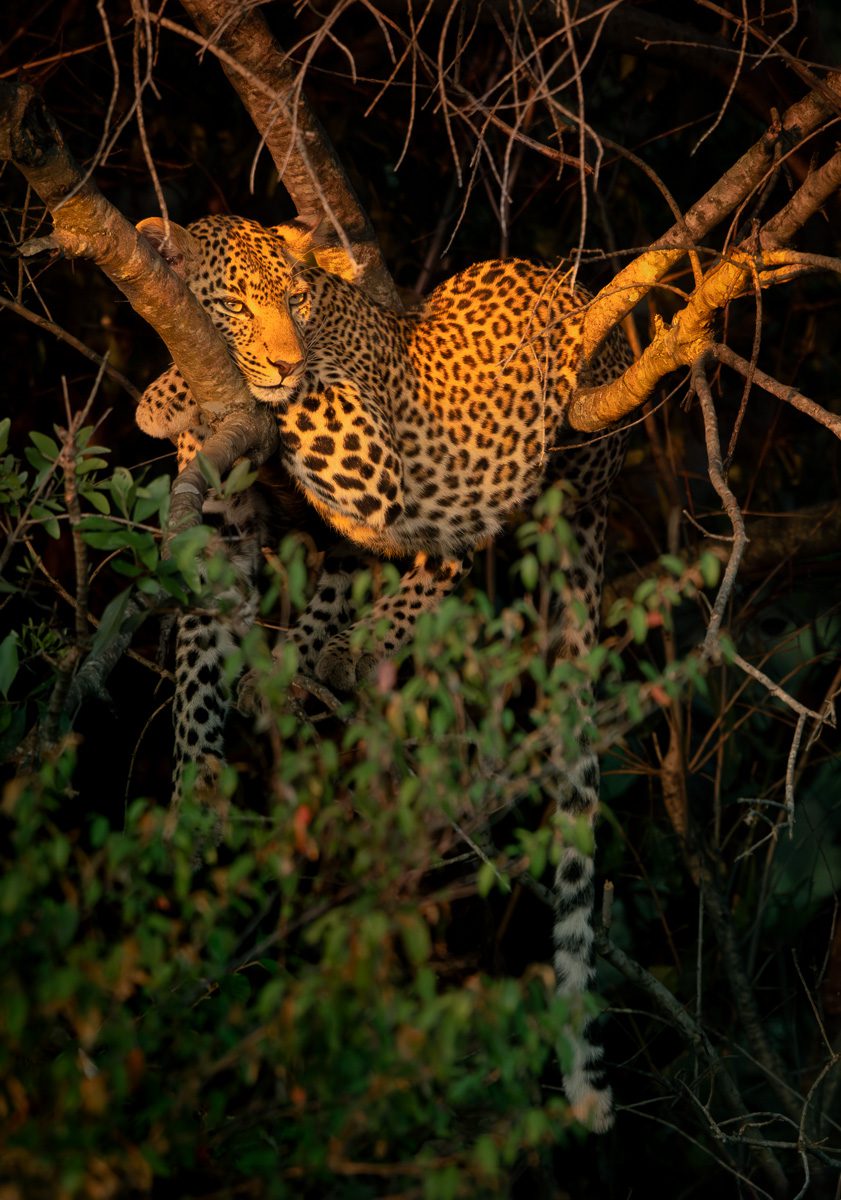
Complete Guide to Table Mountain National Park
A complete guide to Complete Guide to Table Mountain National Park. Learn about the wildlife, activities, and best time to visit this amazing destination.
 Destination Guides
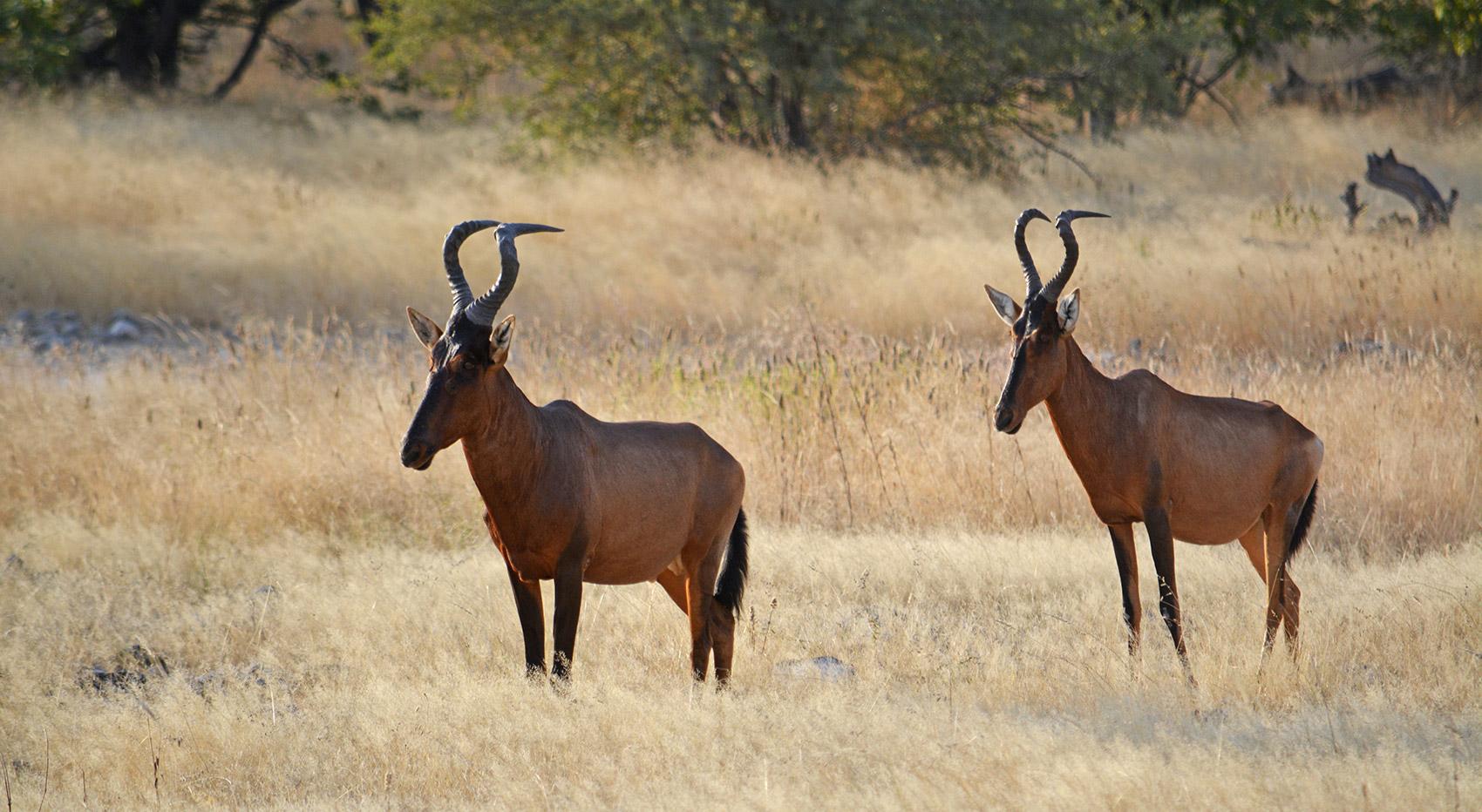
Complete Guide to Sossusvlei and Namib Desert
A complete guide to Complete Guide to Sossusvlei and Namib Desert. Learn about the wildlife, activities, and best time to visit this amazing destination.
 Destination Guides
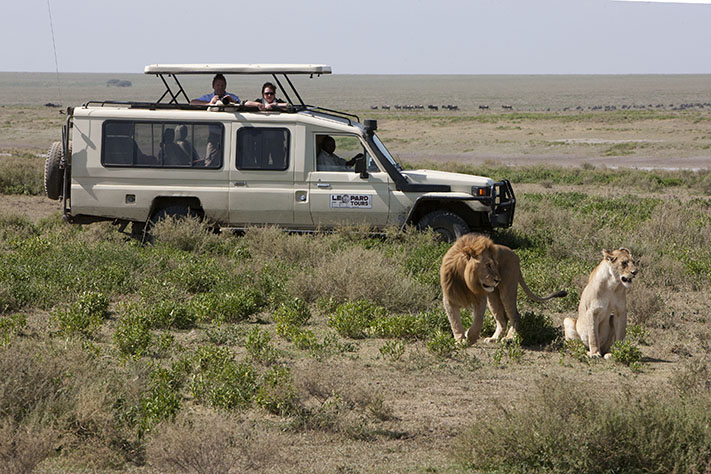
Complete Guide to Nyerere National Park
Learn about complete guide to nyerere national park in this comprehensive safari guide.
 National Park Guides
Serengeti National Park Guide
Explore the wonders of Serengeti National Park with our expert guide. Learn about the Great Migration, wildlife, and planning your unforgettable Tanzanian safari.
 National Park Guides
Kruger National Park Guide
Discover the ultimate guide to Kruger National Park. Learn about its incredible wildlife, the best time to visit, and how to plan your dream safari adventure.
 National Park Guides
Chobe National Park Guide
Discover the ultimate guide to Chobe National Park, Botswana\