
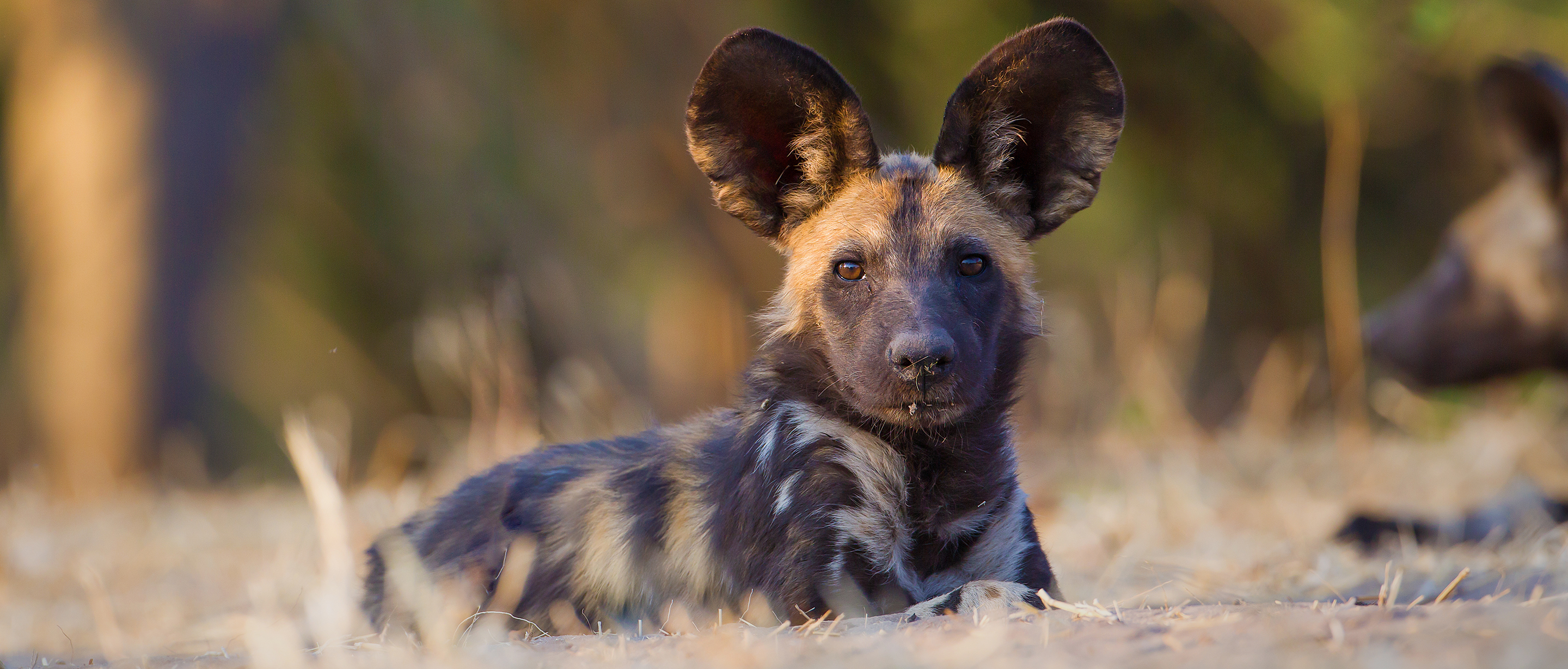
A complete guide to Complete Guide to Skeleton Coast. Learn about the wildlife, activities, and best time to visit this amazing destination.
Introduction to Complete Guide to Skeleton Coast
When it comes to complete guide to skeleton coast, experienced safari travelers know that preparation makes all the difference. Africa's diverse landscapes and ecosystems offer unique opportunities, and knowing what to expect helps you make the most of every moment on safari.
Key Details and Considerations
Delving deeper into complete guide to skeleton coast, travelers discover that Africa's safari industry has evolved significantly over the past decades. Modern safari experiences combine traditional wilderness exploration with contemporary comfort and conservation awareness. The key is finding the right balance for your travel style and budget, which our cost calculator can help you determine.
Still researching? Let us help.
Our advisory team has planned safaris across 9 African countries. We can turn your research into a real plan.
Talk to an AdvisorPractical Advice
When applying insights about complete guide to skeleton coast to your safari planning, remember that the best experiences come from thoughtful preparation combined with openness to the unexpected. Africa has a way of surprising even the most seasoned travelers. Use our comprehensive planning resources to build a solid foundation, then trust your guides and the wilderness to deliver moments you'll never forget.
Expert Insights
Industry experts emphasize that complete guide to skeleton coast continues to evolve as safari tourism grows and adapts to new challenges. Conservation-focused tourism, community engagement, and sustainable practices are increasingly important considerations for discerning travelers. By choosing operators who prioritize these values, you contribute to the long-term preservation of Africa's wild places. Browse our operator directory to find companies committed to responsible tourism.
Planning Your Next Steps
In summary, complete guide to skeleton coast is a multifaceted topic that rewards careful study and thoughtful planning. Whether you're a first-time safari traveler or a returning enthusiast, staying informed about the latest developments and best practices ensures the best possible experience. Explore our destinations, consult our safari operators, and use our cost calculator to begin planning your African adventure today.
Done Reading? Let's Build Your Safari.
Skip the guesswork. Work with an advisor who has been on the ground across East and Southern Africa.
Plan With UsThe Enigmatic Wildlife of the Skeleton Coast: A Study in Adaptation
The Skeleton Coast is far from barren. It is a realm of remarkable adaptation, where life has found ingenious ways to thrive in one of the world's most extreme environments. The near-constant fog that rolls in from the Atlantic is the lifeblood of this ecosystem, providing just enough moisture for a surprising array of flora and fauna.
Desert-Adapted Lions
Perhaps the most iconic of the Skeleton Coast's inhabitants are the desert-adapted lions. These are not a separate subspecies, but rather a unique population of African lions that have learned to survive in this harsh landscape. They have larger home ranges than their savanna counterparts and can go for long periods without water, deriving moisture from their prey. Their diet is also incredibly varied, including seals, cormorants, and even the occasional whale carcass that washes ashore. A sighting of these resilient predators is a rare and unforgettable experience, a true testament to the tenacity of life.
The Elusive Brown Hyena
Another fascinating carnivore of the Skeleton Coast is the brown hyena. These shy, nocturnal animals are primarily scavengers, and the seal colonies of the coast provide a reliable source of food. They are often seen patrolling the beaches at dawn or dusk, their shaggy coats providing excellent camouflage against the sand and rocks. Unlike their spotted cousins, brown hyenas are often solitary, though they live in small family clans.
Desert Elephants
The desert-adapted elephants of Namibia are another marvel of evolution. They are leaner than other African elephants, with longer legs and larger feet, which helps them to walk across vast distances of soft sand. They have an incredible knowledge of their arid environment, remembering the locations of seasonal water sources and feeding grounds. These elephants are known for their gentle nature, but it is crucial to remember that they are wild animals and should be treated with respect and caution.
> Expert Insight: The desert-adapted wildlife of the Skeleton Coast is incredibly vulnerable. When visiting, it is essential to choose a reputable safari operator that adheres to strict conservation principles. This ensures that your visit contributes to the protection of these unique animals and their fragile habitat. For more information on responsible travel, consult our safari operators.
When to Visit the Skeleton Coast: A Seasonal Guide
The Skeleton Coast can be visited year-round, but the experience varies depending on the season. The climate is generally mild, but the infamous fog can create a chilling effect, even in the summer months.
The Dry Season (May to October)
This is the most popular time to visit Namibia as a whole, and for good reason. The dry season offers pleasant daytime temperatures, minimal rainfall, and excellent wildlife viewing opportunities in the interior of the country. Along the coast, the fog is less prevalent during these months, leading to clearer skies and better visibility. This is an ideal time for photography, as the stark landscapes are often bathed in a warm, golden light.
The Wet Season (November to April)
The wet season, also known as the 'green season', brings a chance of rain to the interior of Namibia, but the Skeleton Coast remains relatively dry. The main difference during these months is the increased presence of fog. While this can sometimes limit visibility, it also creates a wonderfully atmospheric and mysterious mood. This is also the time when many animals give birth, so you may have the chance to see young wildlife.
Getting to the Skeleton Coast: Your Travel Options
Due to its remoteness, getting to the Skeleton Coast requires some planning. There are two main ways to access the park: by road or by air.
Self-Driving the Southern Section
The southern part of the Skeleton Coast National Park, from the Ugab River to Torra Bay, is accessible to self-drivers. A 4x4 vehicle is essential, as the roads are gravel and sand. Permits are required and can be purchased at the entrance gates. This is a great option for adventurous travelers who want to explore at their own pace. However, it is crucial to be well-prepared with extra fuel, water, and food, as there are no services within this section of the park.
Fly-In Safaris to the Remote North
The northern section of the Skeleton Coast is the most remote and pristine, and it is only accessible by light aircraft as part of a fly-in safari. This is a more exclusive and expensive option, but it provides access to some of the most spectacular and untouched landscapes in Africa. The fly-in safaris typically include accommodation at one of the few luxury lodges in the area, as well as guided excursions to see the wildlife and explore the dramatic coastline.
> Traveler's Tip: For a comprehensive Namibian itinerary, consider combining a self-drive trip through the southern part of the country with a fly-in safari to the northern Skeleton Coast. This will give you the best of both worlds: the freedom of a road trip and the exclusive access of a fly-in safari. Our plan your safari tool can help you create a customized itinerary.
The Cost of a Skeleton Coast Safari
The cost of a Skeleton Coast safari can vary widely depending on your travel style, the duration of your trip, and the level of comfort you desire. A self-drive trip will be the most budget-friendly option, while a fly-in safari to a luxury lodge will be at the higher end of the price spectrum. To get a better idea of the potential costs, use our cost calculator.
Essential Travel Tips for the Skeleton Coast
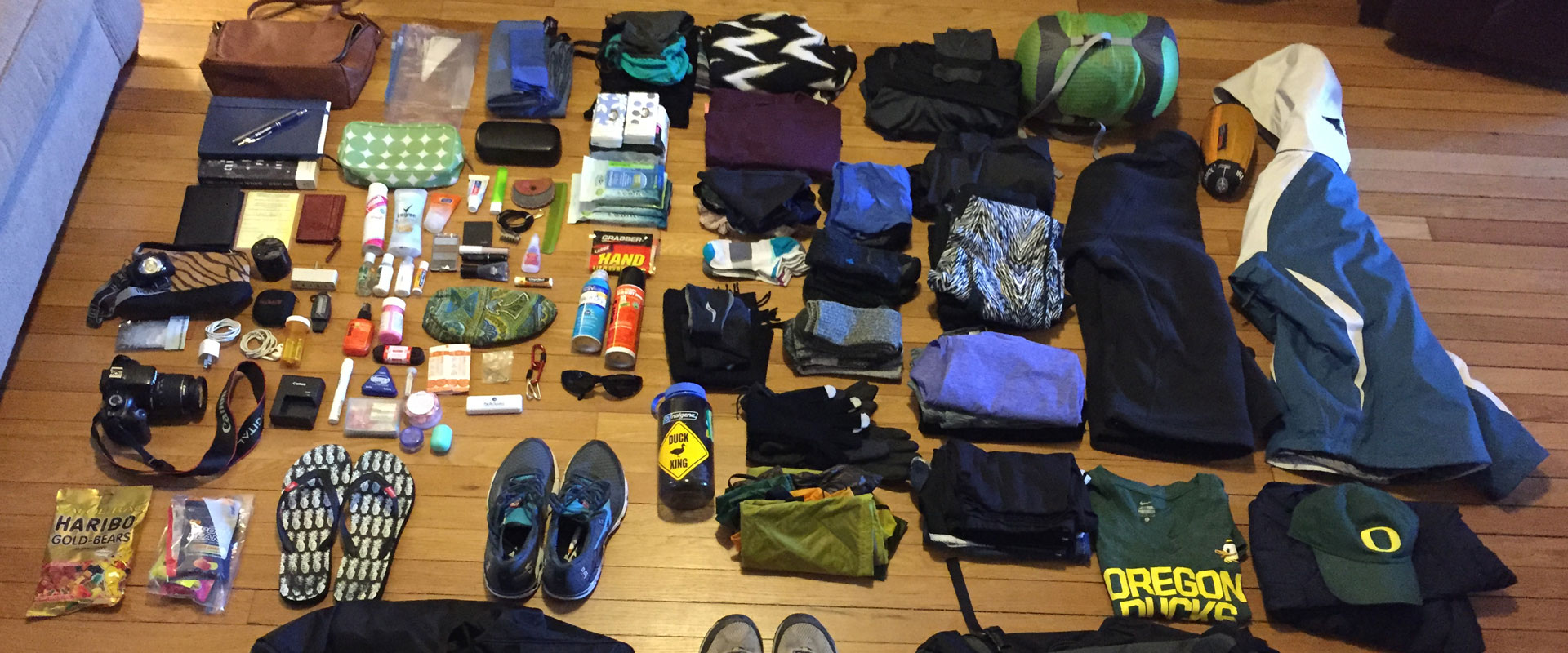
- Packing Essentials: Pack layers of clothing, as the temperature can fluctuate throughout the day. A warm, windproof jacket is a must, even in the summer. Don't forget a hat, sunglasses, and high-SPF sunscreen. A good pair of binoculars will enhance your wildlife viewing experience.
- Safety and Permits: If you are self-driving, make sure your vehicle is in good condition and that you have all the necessary recovery equipment. Always check the tides before driving on the beach, and never drive into areas that are closed to the public. Obtain all necessary permits before entering the park.
- Photography Tips: The Skeleton Coast is a photographer's dream. The dramatic landscapes, ever-changing light, and unique wildlife offer endless opportunities for stunning images. A polarizing filter can help to reduce glare and enhance the colors of the landscape. A tripod is also recommended for low-light photography, especially during the foggy mornings and evenings.
Need Expert Safari Guidance?
Get expert advisory support from a firm founded by a former safari guide — with real operational knowledge across 9 African countries and full-journey accountability.
Related Planning Guides
Recommended Reading
 Wildlife Guides
Complete Guide to Sea Turtles of the African Coast
Learn all about Complete Guide to Sea Turtles of the African Coast in this comprehensive guide. Discover the best time to go, what to see, and how to plan your trip.
 Destination Guides
Complete Guide to Mlilwane Wildlife Sanctuary Eswatini
Discover everything you need to know about Complete Guide to Mlilwane Wildlife Sanctuary Eswatini. From wildlife and landscapes to lodges and activities, this g
 Destination Guides
Complete Guide to Table Mountain National Park
A complete guide to Complete Guide to Table Mountain National Park. Learn about the wildlife, activities, and best time to visit this amazing destination.
 Destination Guides
Complete Guide to Garden Route Safari Options
A complete guide to Complete Guide to Garden Route Safari Options. Learn about the wildlife, activities, and best time to visit this amazing destination.
 Country Guides
Complete Safari Guide to Tanzania
Your complete guide to Complete Safari Guide to Tanzania. Find the best destinations, planning tips, and more for your next safari adventure.
 Country Guides
Complete Safari Guide to Kenya
Your complete guide to Complete Safari Guide to Kenya. Find the best destinations, planning tips, and more for your next safari adventure.