
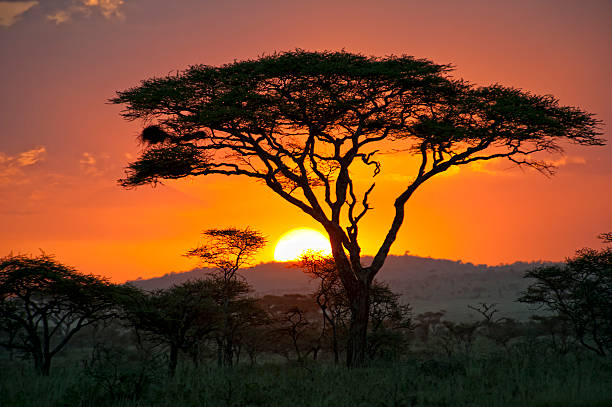
Expert guide on best time to see the great migration in masai mara with month-by-month conditions, pricing, and planning recommendations for safari travelers.
The Arrival of the Herds: July to October
The Great Migration arrives in the Masai Mara in July and stays until October. This is the best time to see the dramatic river crossings, as the herds must cross the Mara River to reach the fresh grazing of the Mara plains. The Masai Mara is a smaller and more concentrated area than the Serengeti, which can make for some incredible game viewing. This is the peak season for tourism in the Masai Mara, so be sure to book your trip well in advance. Our destinations page has more on the Masai Mara.
The Shoulder Seasons
The shoulder seasons, in June and November, can also be a good time to see the Great Migration in the Masai Mara. The herds may be arriving or departing during this time, and you can still see large numbers of animals. The parks are also less crowded than during the peak season, and you can find better deals on accommodation. Our knowledge center has more on the pros and cons of traveling during the shoulder seasons.
Still researching? Let us help.
Our advisory team has planned safaris across 9 African countries. We can turn your research into a real plan.
Talk to an AdvisorA Classic Safari Destination
The Masai Mara is one of the most famous and popular safari destinations in the world. It is home to a huge concentration of wildlife, including the Big Five. The Masai Mara is also home to the Maasai people, who have a rich and fascinating culture. Our safari operators can help you plan a classic Masai Mara safari that includes both wildlife viewing and cultural experiences.
The Drama of the River Crossings: A Spectacle of Life and Death
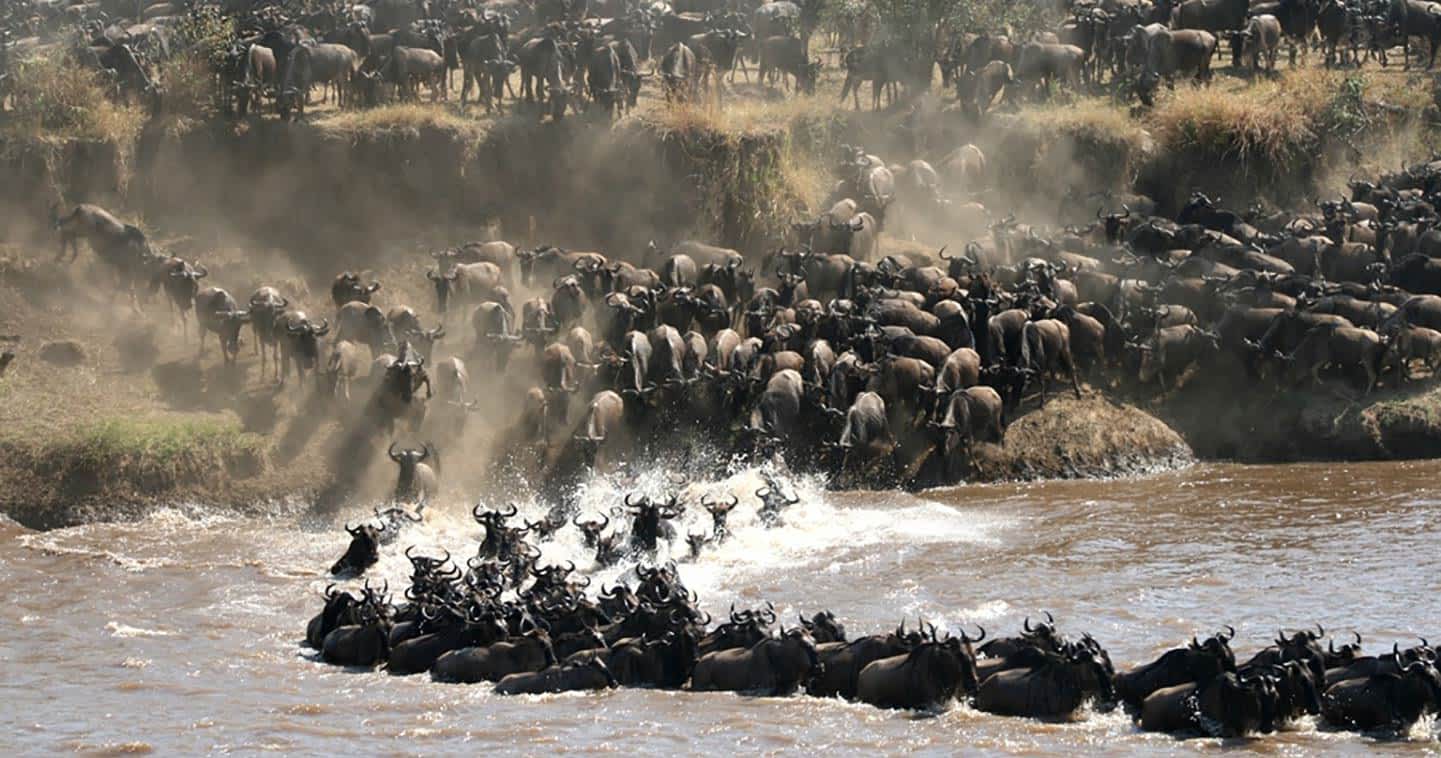
The Great Migration is a year-long journey, but the river crossings in the Masai Mara are arguably its most dramatic and sought-after spectacle. From late July through September, massive herds of wildebeest and zebra congregate on the banks of the Mara and Talek rivers, building in numbers until the pressure to cross becomes irresistible. This is not a gentle wade across a stream; it is a life-or-death struggle against powerful currents and lurking predators.
Expert Insight: The river crossings are not a continuous event. Herds can spend days grazing near the river, building up the courage to cross. Patience is key for any visitor hoping to witness this event. A good guide will know the primary crossing points and will be able to read the behavior of the herds to anticipate a crossing.
Where to Witness the Crossings
The most famous crossing points are along the Mara River, particularly in the Mara Triangle and the central plains of the reserve. The Talek River also offers excellent opportunities to see crossings, often with fewer crowds. The exact location of the crossings can change daily, depending on the movement of the herds. This is where the expertise of a seasoned safari planning guide becomes invaluable. They work with a network of guides on the ground who have real-time information on the herds' locations.
The Predators in Waiting
The river crossings are a feast for predators. Enormous Nile crocodiles, some of the largest in Africa, lie in wait beneath the surface. These prehistoric reptiles have been documented in the Mara River for thousands of years, and the annual migration is a critical part of their survival. On the riverbanks, lions, leopards, and hyenas patrol, ready to ambush any weakened or injured animals that make it to the other side. This raw display of the food chain is a powerful reminder of the unforgiving nature of the African wilderness.
Traveler's Tip: If you are keen on photography, the river crossings offer unparalleled opportunities. A telephoto lens is essential to capture the action without disturbing the animals. Be prepared for a range of emotions; the spectacle can be both thrilling and heart-wrenching.
Beyond the Crossings: The Migration Cycle in the Mara
While the river crossings are the main event, the Great Migration is a dynamic process with distinct phases within the Masai Mara. Understanding this cycle can help you plan a more rewarding safari experience, even if you miss the peak crossing season.
Arrival and Dispersal (July - August)
As the herds arrive from the Serengeti, they spread out across the vast plains of the Masai Mara to graze. This is a time of plenty, and the Mara is transformed into a sea of moving animals. The sheer number of wildebeest and zebra is staggering, and the air is filled with their calls. This is an excellent time for game viewing, as predators are highly active, taking advantage of the abundance of prey.
The Rut and Mating Season (August - September)
Once the herds have settled in the Mara, the wildebeest bulls engage in dramatic territorial battles, competing for the right to mate. This period, known as the rut, is a noisy and action-packed time. Bulls can be seen clashing horns, chasing each other, and calling loudly to attract females. It is a fascinating display of animal behavior and a great time for photographers to capture dynamic shots.
The Return Journey (October - November)
As the short rains begin in the south, the herds start their long journey back to the Serengeti's southern plains, where they will give birth. The return journey is less dramatic than the arrival, but it is still an impressive sight. The herds move in long, single-file lines, creating iconic images of the African savanna. This is also a good time to see predators, as they follow the herds on their way out of the Mara.
Expert Insight: The timing of the migration is entirely dependent on rainfall. A late start to the rains can delay the herds' arrival in the Mara, while an early start can see them leaving sooner than expected. Our safari operators monitor rainfall patterns and have access to the latest information on the herds' movements, ensuring you are in the right place at the right time.
Done Reading? Let's Build Your Safari.
Skip the guesswork. Work with an advisor who has been on the ground across East and Southern Africa.
Plan With UsPlanning Your Great Migration Safari
Witnessing the Great Migration in the Masai Mara is a once-in-a-lifetime experience, but it requires careful planning. The popularity of this event means that accommodations and tours can be booked up months, or even a year, in advance. Here are some key considerations to help you plan your safari.
Booking Your Safari
Expert Insight: For the best chance of seeing the river crossings, we recommend booking your safari at least 9-12 months in advance, especially if you plan to travel during the peak season (July to September). This will give you the best choice of accommodations and ensure you have a spot in one of the prime viewing areas.
Choosing Your Accommodation
The Masai Mara offers a wide range of accommodation options, from luxury lodges to mobile tented camps. For the best migration experience, consider staying in a camp that is strategically located near the river or in an area with high wildlife concentration. Mobile camps are an excellent choice as they move with the herds, maximizing your chances of being in the heart of the action.
Understanding the Costs
A Great Migration safari can be a significant investment. The cost will vary depending on the time of year, the level of accommodation, and the length of your stay. Our cost calculator can give you a preliminary estimate, but for a detailed and personalized quote, we recommend speaking with one of our safari operators. They can help you create an itinerary that fits your budget and interests.
The Value of a Knowledgeable Guide
Your guide is the single most important factor in the success of your safari. A good guide will not only know the best places to find wildlife but will also be able to interpret animal behavior, share insights into the local culture, and ensure your safety and comfort. At Safari Intelligence, we work with a select group of highly experienced and certified guides who have an intimate knowledge of the Masai Mara and its inhabitants.
Traveler's Tip: When booking your safari, ask about the guide's experience and qualifications. A guide who is a member of the Kenya Professional Safari Guides Association (KPSGA) is a good indicator of quality and professionalism.
Ethical Wildlife Viewing: A Responsible Approach to the Migration
The Great Migration is a natural wonder, but its popularity also brings challenges. The influx of tourists can have a significant impact on the environment and the animals if not managed responsibly. At Safari Intelligence, we are committed to promoting ethical and sustainable tourism that protects the wildlife and supports local communities.
The Dangers of Overcrowding
During the peak season, the sheer number of vehicles at a river crossing or a predator sighting can be overwhelming. This can cause stress to the animals and disrupt their natural behavior. In some cases, vehicles have been known to block the herds' access to the river or to chase predators away from their kills. This is not only unethical but also diminishes the quality of the experience for everyone.
Choosing a Responsible Operator
One of the most important decisions you can make is to choose a safari operator that prioritizes responsible tourism. A good operator will have a strict code of conduct for their guides, which includes maintaining a safe distance from the animals, not exceeding the maximum number of vehicles at a sighting, and respecting the park's rules and regulations. They will also be involved in conservation efforts and support local community projects.
Expert Insight: When you book a safari with us, you can be confident that you are traveling with a responsible operator. We have a rigorous vetting process for all our partners, and we only work with those who share our commitment to sustainability and ethical tourism. We believe that tourism can be a powerful force for good, but only if it is done right.
Your Role as a Responsible Traveler
As a traveler, you also have a role to play in protecting the Masai Mara's fragile ecosystem. Here are a few things you can do:
- Choose your operator wisely: Do your research and choose a company that has a proven track record of responsible tourism.
- Respect the wildlife: Do not pressure your guide to get too close to the animals. Remember that you are a guest in their home.
- Leave no trace: Do not leave any litter in the park. Take all your rubbish with you.
- Support local communities: Buy souvenirs from local artisans and support community-owned lodges and camps.
By following these simple guidelines, you can help ensure that the Great Migration remains a natural wonder for generations to come. Our knowledge center has more information on responsible travel and how you can make a positive impact on your safari.
Need Expert Safari Guidance?
Get expert advisory support from a firm founded by a former safari guide — with real operational knowledge across 9 African countries and full-journey accountability.
Related Planning Guides
Recommended Reading
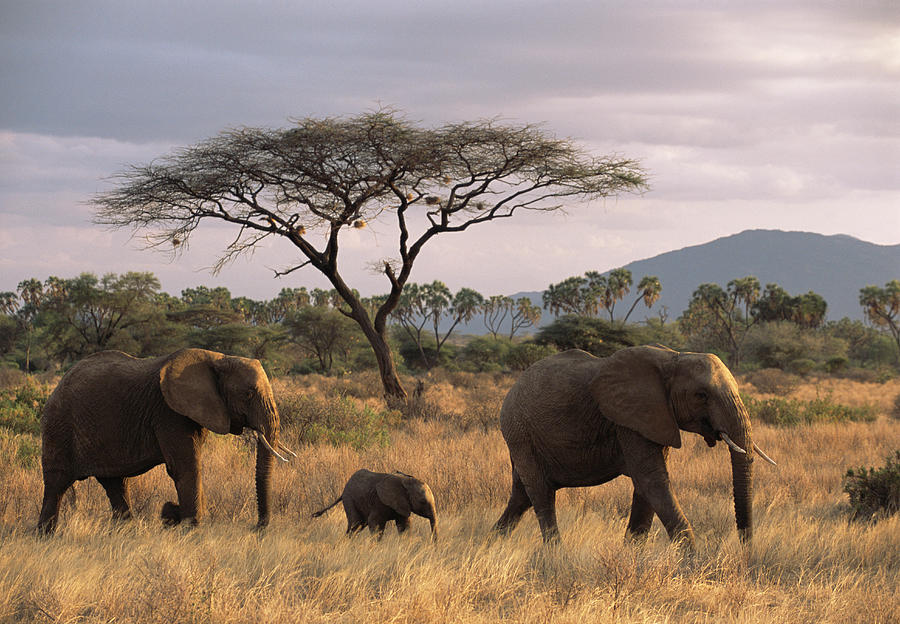 Season & Timing Guides
Best Time to See the Great Migration in Serengeti
Expert guide on best time to see the great migration in serengeti with month-by-month conditions, pricing, and planning recommendations for safari travelers.
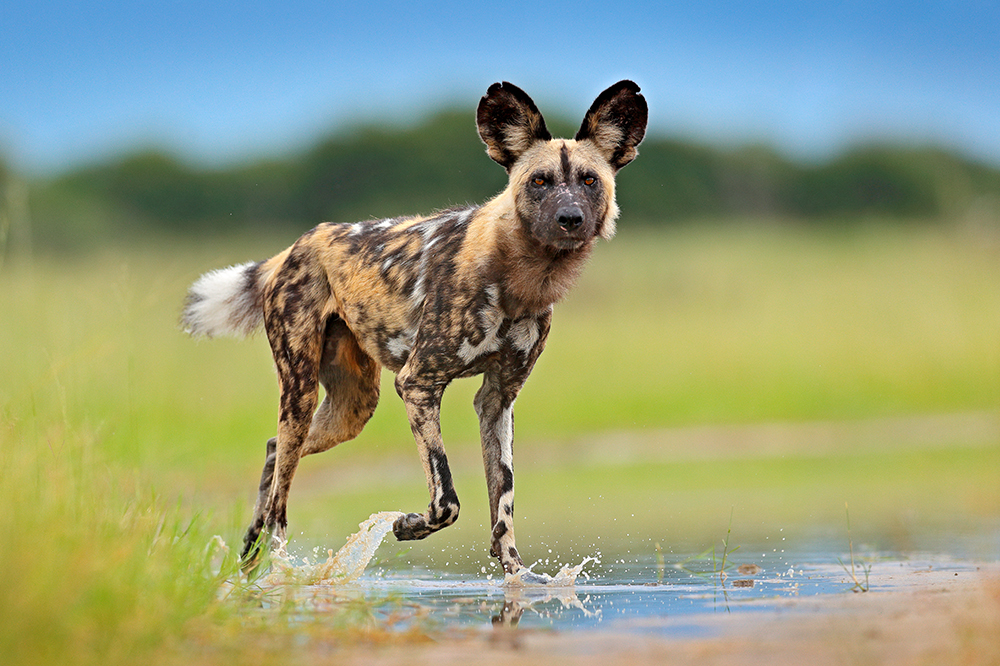 Additional Safari Topics
Best Time to See the Migration
Discover the best time to witness the Great Migration. Our month-by-month guide helps you plan your safari to see this incredible wildlife spectacle.
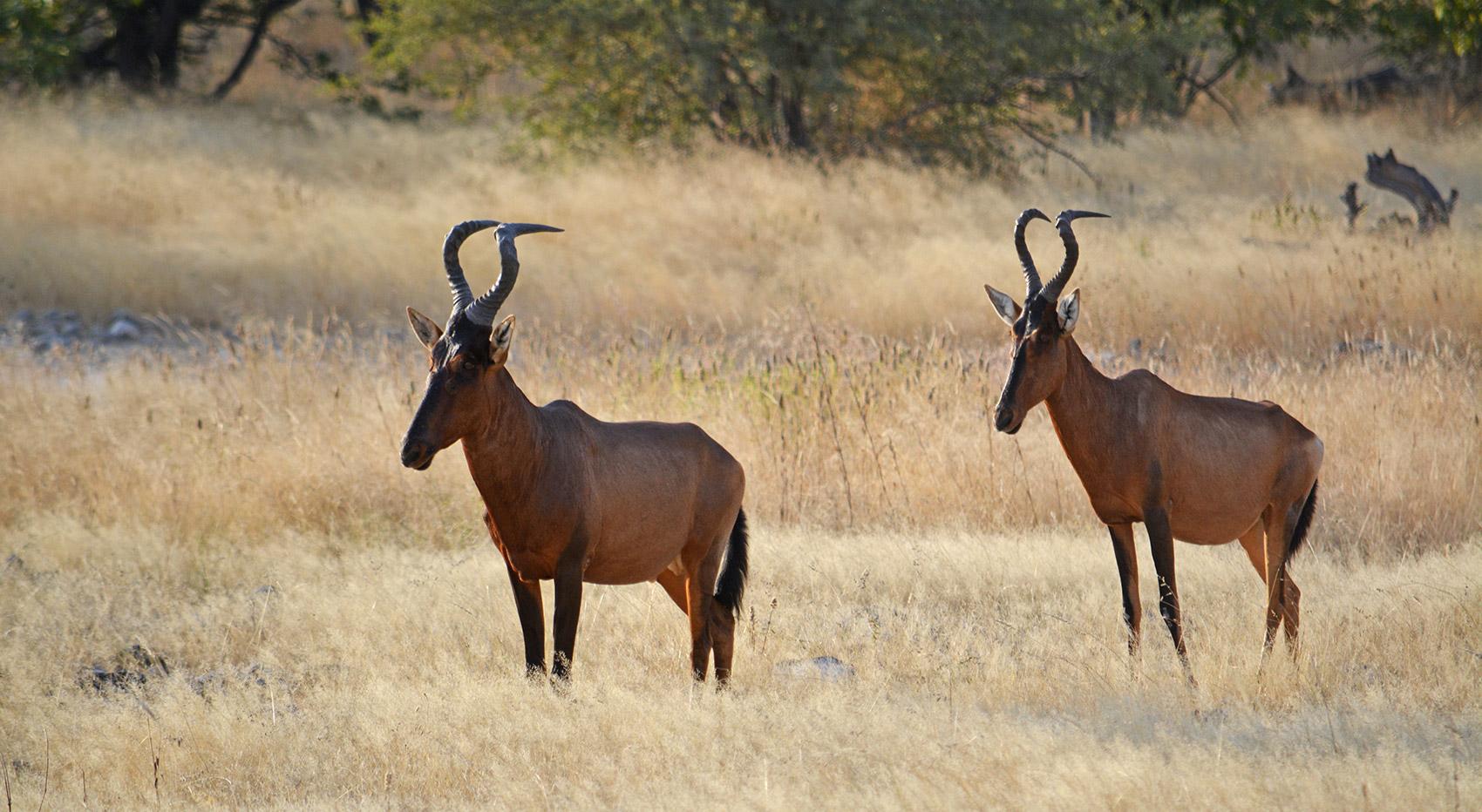 Season & Timing Guides
Best Time to See Baby Animals on Safari
Expert guide on best time to see baby animals on safari with month-by-month conditions, pricing, and planning recommendations for safari travelers.
 Season & Timing Guides
Best Time to See Predator Hunting on Safari
Expert guide on best time to see predator hunting on safari with month-by-month conditions, pricing, and planning recommendations for safari travelers.
 National Park Guides
Masai Mara Safari Guide
Plan the perfect Masai Mara safari with our expert guide. Discover the best time to visit, what to do, and how to choose the right safari for you.
 Additional Safari Topics
Great Migration Guide
Planning a Great Migration safari? Our expert guide covers the annual cycle, top destinations, and essential tips for witnessing this incredible wildlife spectacle.