
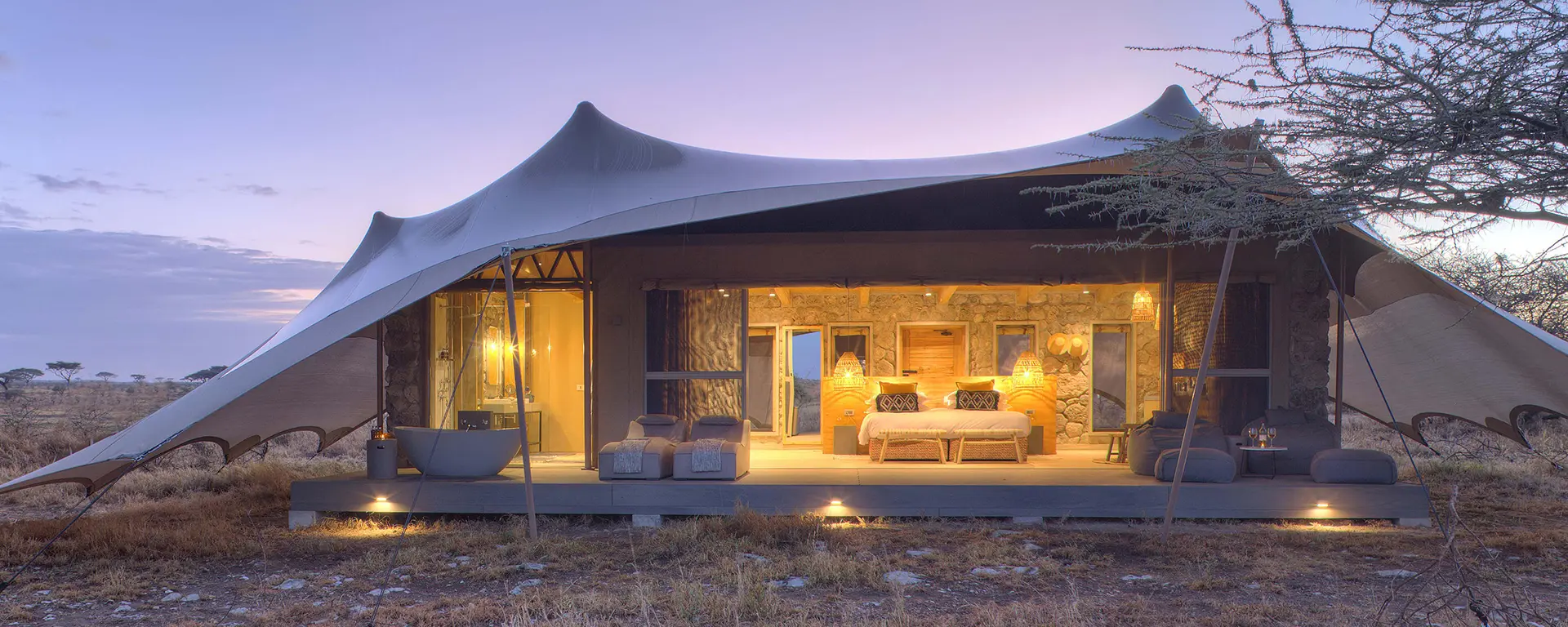
Discover the incredible diversity of antelope species in Africa, from the common impala to the rare hirola. This guide will help you identify these graceful animals.
'''Africa is a continent of vast landscapes and iconic wildlife, and no group of animals is more representative of its wild heart than the antelope. From the vast herds of the Serengeti to the dense forests of the Congo Basin, these graceful herbivores are an integral part of every safari experience. With over 70 species found across the continent, the world of African antelope is as diverse as it is fascinating. For any traveler planning a safari, understanding this incredible variety of species will undoubtedly enrich your wildlife viewing and deepen your appreciation for the complexity of Africa's ecosystems. This guide will introduce you to some of the most common, unique, and rare antelope you might encounter on your journey.
The Great Grazers: Common Antelope Species
These are the antelope you are most likely to encounter on safari, often in large herds that paint a picture of quintessential Africa. They are the grazers of the open plains, the fuel for predators, and a constant, dynamic presence on the savanna.
The Impala: The Fast Food of the Savanna
Often jokingly referred to as the "McDonald's of the bush" because of the "M" marking on their hindquarters, impalas are one of the most common and successful antelope species in Africa. They are incredibly adaptable, found in woodlands and savanna across eastern and southern Africa. You can see them in abundance in parks like the Kruger National Park in South Africa, the Serengeti in Tanzania, and the Maasai Mara in Kenya. Impalas are known for their impressive leaping ability, a tactic used to confuse predators. They are a crucial food source for a wide range of predators, from lions and leopards to wild dogs and cheetahs.
The Wildebeest: Architects of the [Great Migration](/knowledge/great-migration-guide)
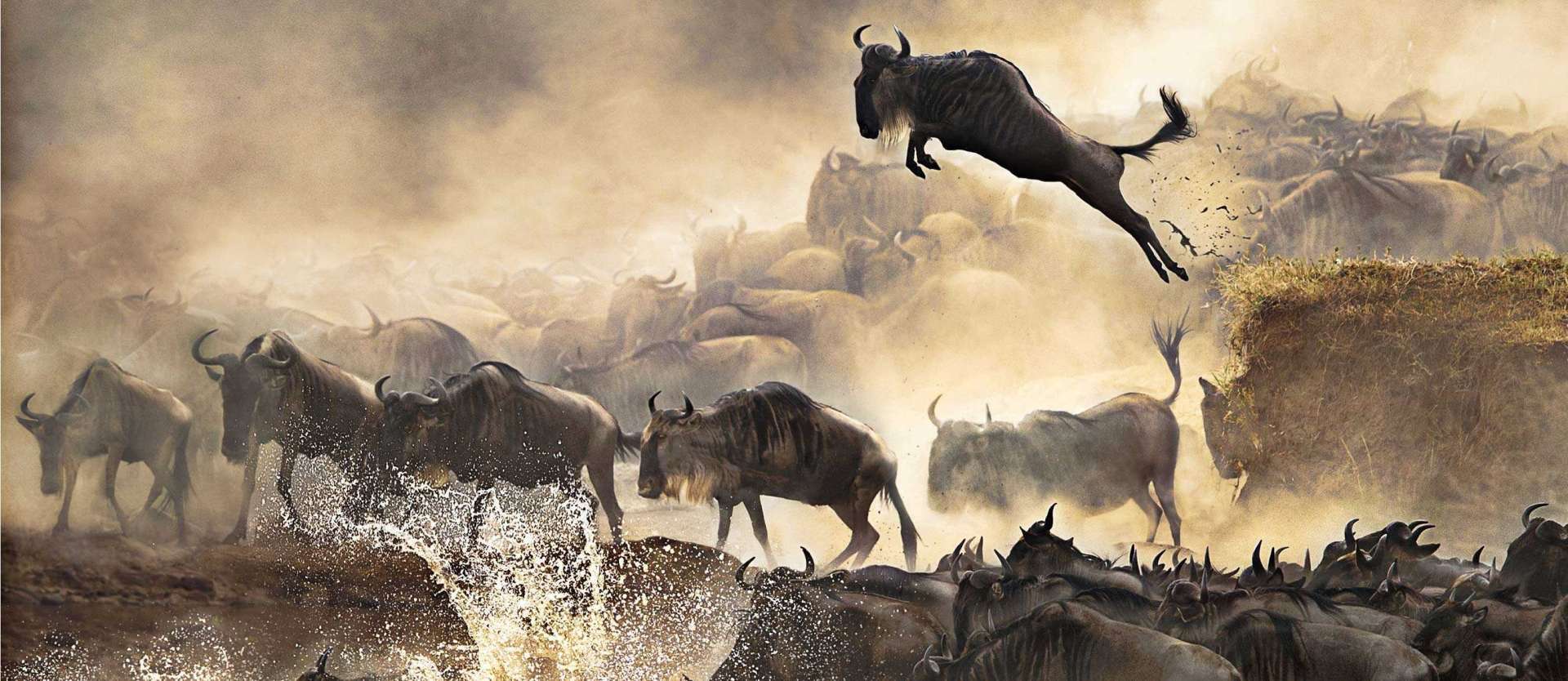
The wildebeest, or gnu, is perhaps the most famous of all African antelope, thanks to its central role in the Great Migration. Every year, over a million wildebeest, accompanied by zebras and gazelles, journey in a clockwise circle through the Serengeti-Mara ecosystem in search of fresh grazing and water. This incredible spectacle is one of Africa's greatest wildlife events. Beyond the migration, wildebeest are a common sight in many other parks in southern and eastern Africa. Their constant grazing and trampling play a vital role in shaping the savanna ecosystem.
The Eland: The World's Largest Antelope
The eland is a truly impressive sight. It is the world's largest antelope, with large males weighing up to 2,000 pounds. Despite their size, they are surprisingly agile and can jump impressive heights from a standing start. There are two species: the common eland and the giant eland. The common eland is found in the savannas and plains of east and southern Africa, while the giant eland, which is even larger, is found in the woodlands of central and west Africa. Elands are often seen in small herds and are known for their gentle nature.
The Shy and Elusive: Forest and Thicket Dwellers
Away from the open plains, a different cast of antelope characters resides in the dense forests and thickets. These species are often more solitary and harder to spot, making a sighting all the more rewarding.
The Bushbuck: A Master of Camouflage
The bushbuck is a medium-sized antelope with a beautiful coat of reddish-brown with white spots and stripes that provides excellent camouflage in the dappled light of the forest. They are found in a wide range of habitats, from dense forests to riverine woodlands, across sub-Saharan Africa. Bushbucks are generally solitary and are most active during the early morning and late afternoon. A glimpse of a bushbuck quietly browsing in the undergrowth is a special safari moment.
The Duiker: Small Antelopes of the Forest Floor
Duikers are a group of small to medium-sized antelope found in the forests of sub-Saharan Africa. The name "duiker" comes from the Afrikaans word for "diver," referring to their habit of diving into the undergrowth when alarmed. There are many different species of duiker, ranging in size from the tiny blue duiker, which stands only 12 inches tall at the shoulder, to the larger yellow-backed duiker. They are notoriously shy and difficult to see, but their presence is a sign of a healthy forest ecosystem.
Still researching? Let us help.
Our advisory team has planned safaris across 9 African countries. We can turn your research into a real plan.
Talk to an AdvisorThe Specialists: Antelope Adapted to Extreme Environments
Africa is a continent of contrasts, and some antelope species have evolved remarkable adaptations to survive in its most extreme environments, from arid deserts to vast wetlands.
The Oryx and Gemsbok: Desert Survivors
The oryx and its close relative, the gemsbok, are true desert specialists. With their striking black and white facial markings and long, straight horns, they are one of the most handsome antelope species. They are found in the arid regions of eastern and southern Africa, including the Kalahari and Namib deserts. These antelope have a remarkable ability to survive in extreme heat and with very little water. They can raise their body temperature to avoid sweating and obtain much of their moisture from the plants they eat.
The Lechwe: Thriving in Wetlands
In stark contrast to the desert-dwelling oryx, the lechwe is an antelope that is perfectly at home in the water. They are found in the wetlands and floodplains of south-central Africa, most notably in the Okavango Delta in Botswana and the Bangweulu Swamps in Zambia. Lechwe have long, slender hooves that are adapted for walking on soft, muddy ground, and they are excellent swimmers. They are often seen wading deep into the water to feed on aquatic plants, with only their heads and backs visible.
The Rare and Endangered: Conservation Concerns
While many antelope species are thriving, some are facing serious threats to their survival. Habitat loss, poaching, and disease have pushed several species to the brink of extinction.
The Hirola: Critically Endangered
The hirola, also known as the "four-eyed antelope" because of its large preorbital glands, is the world's most endangered antelope. It is found only in a small, isolated area along the border of Kenya and Somalia. The hirola population has declined dramatically in recent decades due to a combination of factors, including disease, predation, and competition with livestock. Conservation efforts are underway to protect the remaining hirola and their habitat.
The Upemba Lechwe: A Species on the Brink
The Upemba lechwe is a subspecies of lechwe found only in the Upemba wetlands in the Democratic Republic of Congo. This once-abundant antelope has suffered a catastrophic decline due to poaching and habitat degradation. It is now considered one of the rarest large mammals in the world, with only a tiny population remaining. Urgent conservation action is needed to save this unique antelope from extinction.
Where to See Antelope on Your African Safari
Antelope can be seen in almost every national park and game reserve in Africa. However, some destinations are particularly renowned for their diversity and abundance of antelope species.
East Africa: Tanzania and Kenya
East Africa is the classic safari destination, and for good reason. The vast plains of the Serengeti and Maasai Mara are home to enormous herds of wildebeest, zebra, and gazelle, as well as impala, eland, and many other species. The Ngorongoro Crater in Tanzania is another fantastic place to see a wide variety of antelope in a stunningly beautiful setting.
Southern Africa: Botswana, Namibia, and South Africa
Southern Africa offers a different but equally rewarding safari experience. The Okavango Delta in Botswana is a paradise for water-loving antelope like the lechwe and sitatunga. The arid landscapes of Namibia are home to desert-adapted species like the oryx and springbok. And in South Africa, parks like Kruger offer the chance to see a huge diversity of antelope, from the common impala to the rare sable antelope.
From the common to the critically endangered, the antelope of Africa are a vital and captivating part of the continent's natural heritage. Whether you are on your first safari or your tenth, taking the time to appreciate the incredible diversity of these graceful animals will make your journey all the more memorable. They are a reminder of the wildness and beauty that still exists in the world, and a testament to the power of evolution to shape life in all its forms. '''
Need Expert Safari Guidance?
Get expert advisory support from a firm founded by a former safari guide — with real operational knowledge across 9 African countries and full-journey accountability.
Related Planning Guides
Explore Related Topics
Recommended Reading
 Wildlife Guides
Complete Guide to Vulture Species of Africa
Learn all about Complete Guide to Vulture Species of Africa in this comprehensive guide. Discover the best time to go, what to see, and how to plan your trip.
 Wildlife Guides
Complete Guide to Hornbill Species of Africa
Learn all about Complete Guide to Hornbill Species of Africa in this comprehensive guide. Discover the best time to go, what to see, and how to plan your trip.
 Wildlife Guides
Complete Guide to African Chameleon Species
A comprehensive guide to Complete Guide to African Chameleon Species. Learn about its habitat, behavior, diet, and conservation status.
 Safari Safety
Travel Safety in East Africa
Travel safely in East Africa with our expert tips. This guide covers health, urban safety, and wildlife precautions for your safari in Kenya, Tanzania, and beyond.
 Safari Safety
Travel Safety in Southern Africa
Learn how to travel safely in Southern Africa with our expert guide. Get practical tips on urban safety, safari precautions, and health preparations for your trip.
 Country Guides
Complete Safari Guide to South Africa
Your complete guide to Complete Safari Guide to South Africa. Find the best destinations, planning tips, and more for your next safari adventure.