Destination Overview
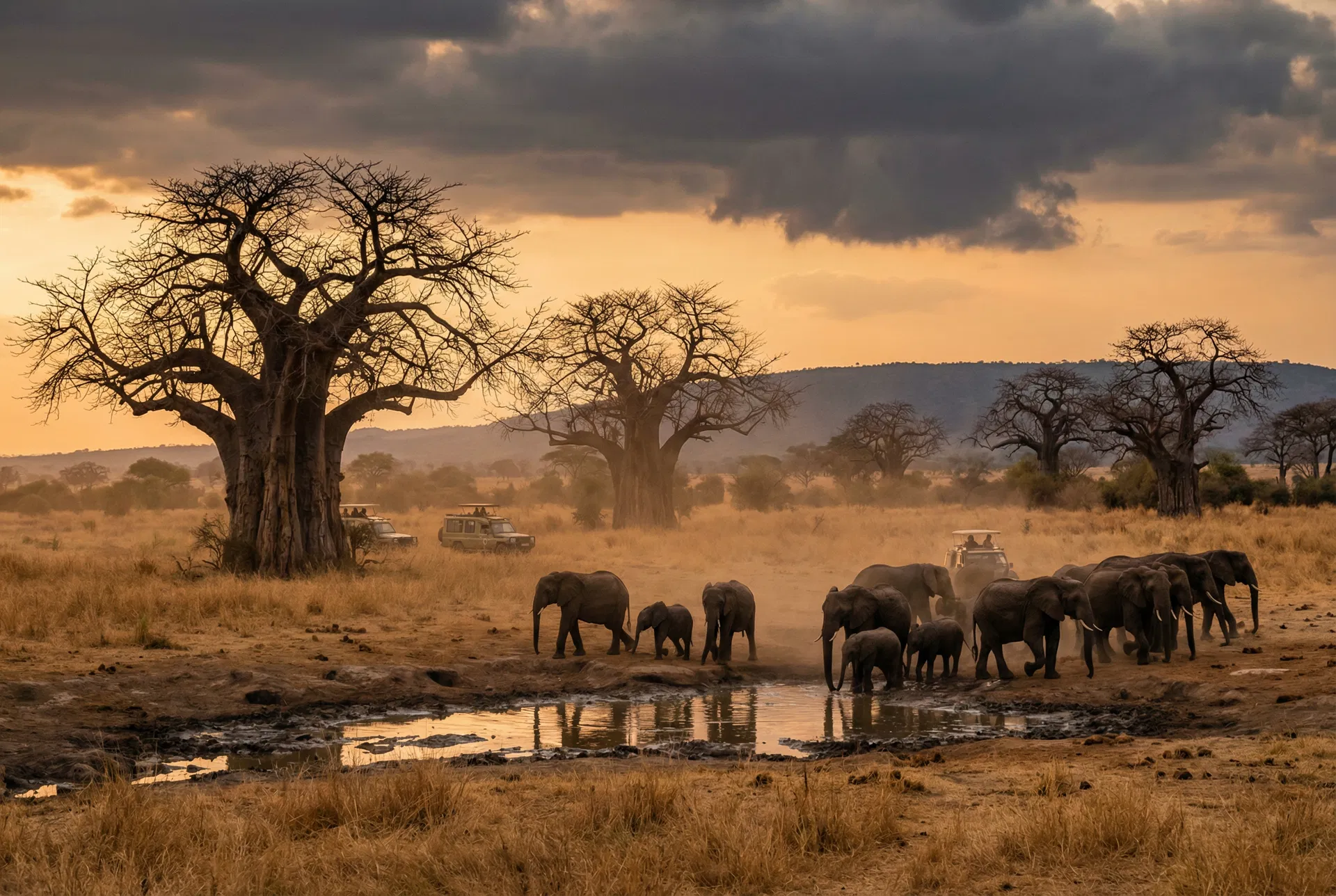
Tarangire National Park, located in Tanzania's Manyara Region, is a hidden gem of the northern safari circuit. While it may be less famous than its neighbors, the Serengeti and Ngorongoro Crater, Tarangire offers a classic and rewarding safari experience, renowned for its massive elephant herds and iconic baobab trees. The park's name is derived from the Tarangire River, which flows through the park and serves as a vital water source for its diverse wildlife, especially during the dry season. It is this river that draws a spectacular concentration of animals from June to October, creating a mini-migration that rivals the more famous Serengeti spectacle in its intensity, if not its scale. The park covers an area of approximately 2,850 square kilometers and is a key component of the greater Tarangire-Manyara ecosystem.
Wildlife Highlights
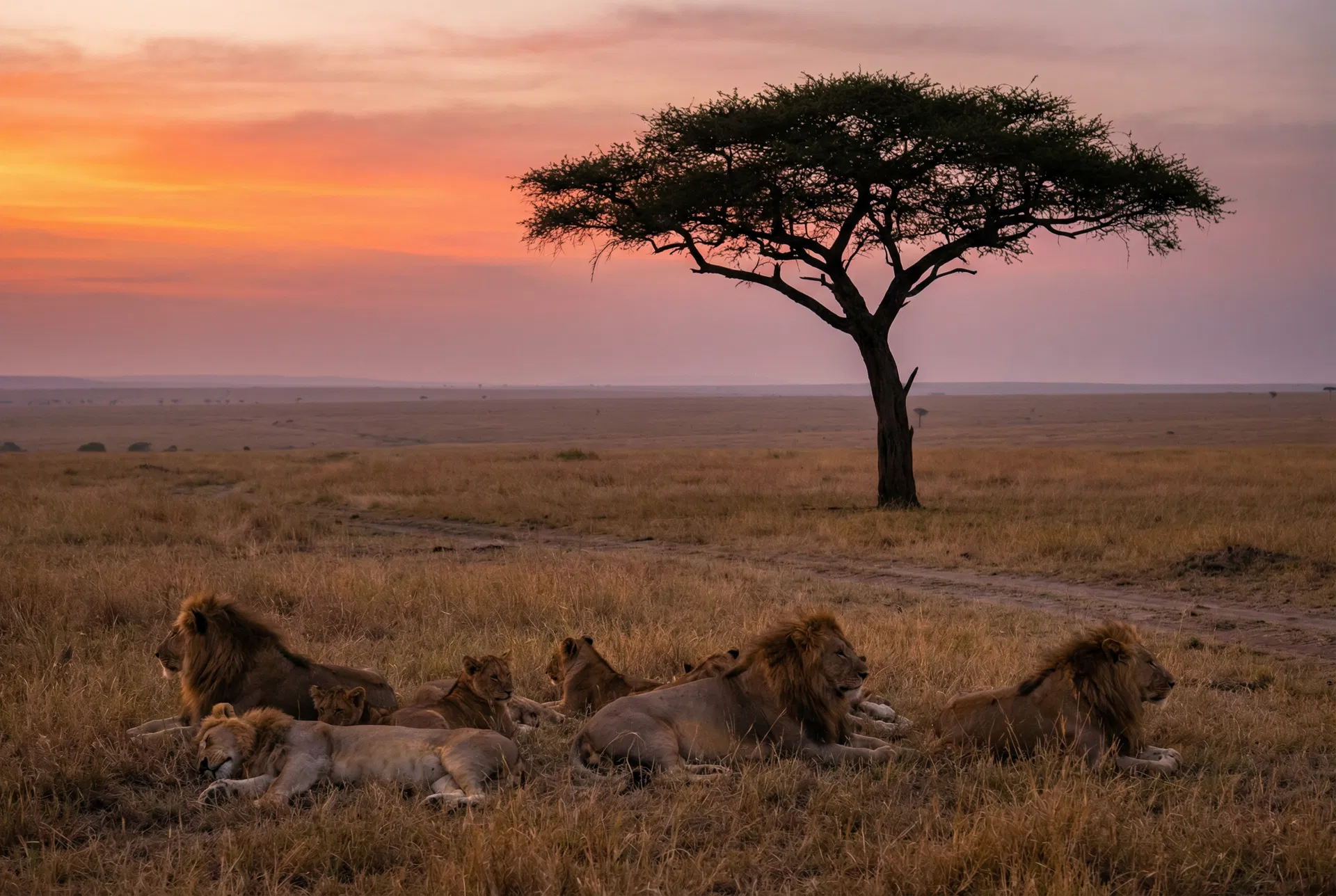
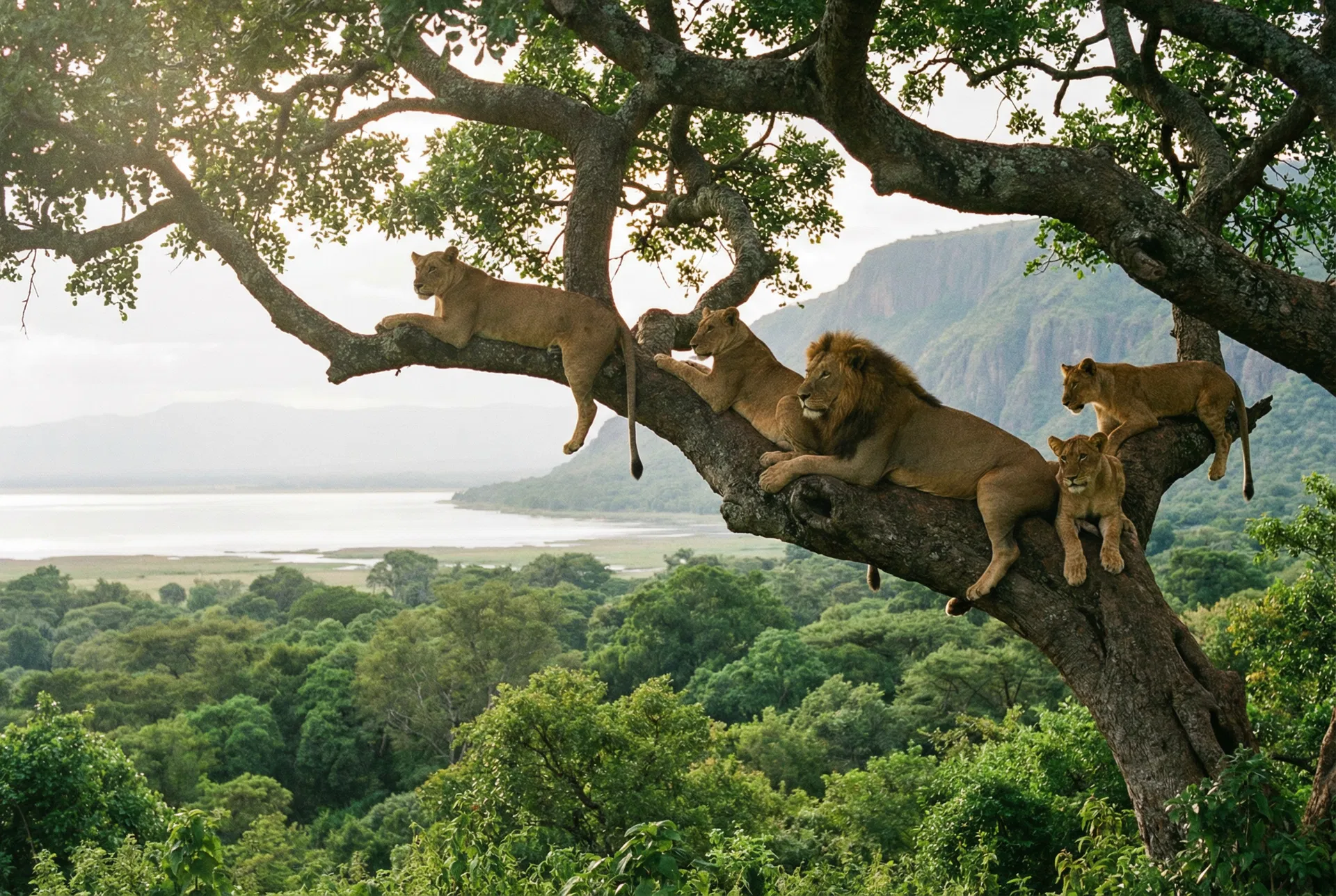
Tarangire is a park of giants. It is most famous for its large population of African bush elephants, with herds of up to 300 individuals a common sight. The park is also a sanctuary for a variety of other large mammals. During the dry season, the Tarangire River becomes a magnet for wildlife, and visitors can expect to see vast herds of wildebeest, zebra, and Cape buffalo. Other resident animals include giraffe, waterbuck, impala, eland, and the diminutive dik-dik. The park is also home to a healthy population of predators, including lions, leopards, and cheetahs. Though less common, African wild dogs are also occasionally spotted. The park's diverse habitats also support a rich variety of smaller mammals, such as banded and dwarf mongooses, and olive baboons. The park is also a birding paradise, with over 550 species recorded, including the ashy starling and the rufous-tailed weaver, which are endemic to Tanzania.
Best Time to Visit
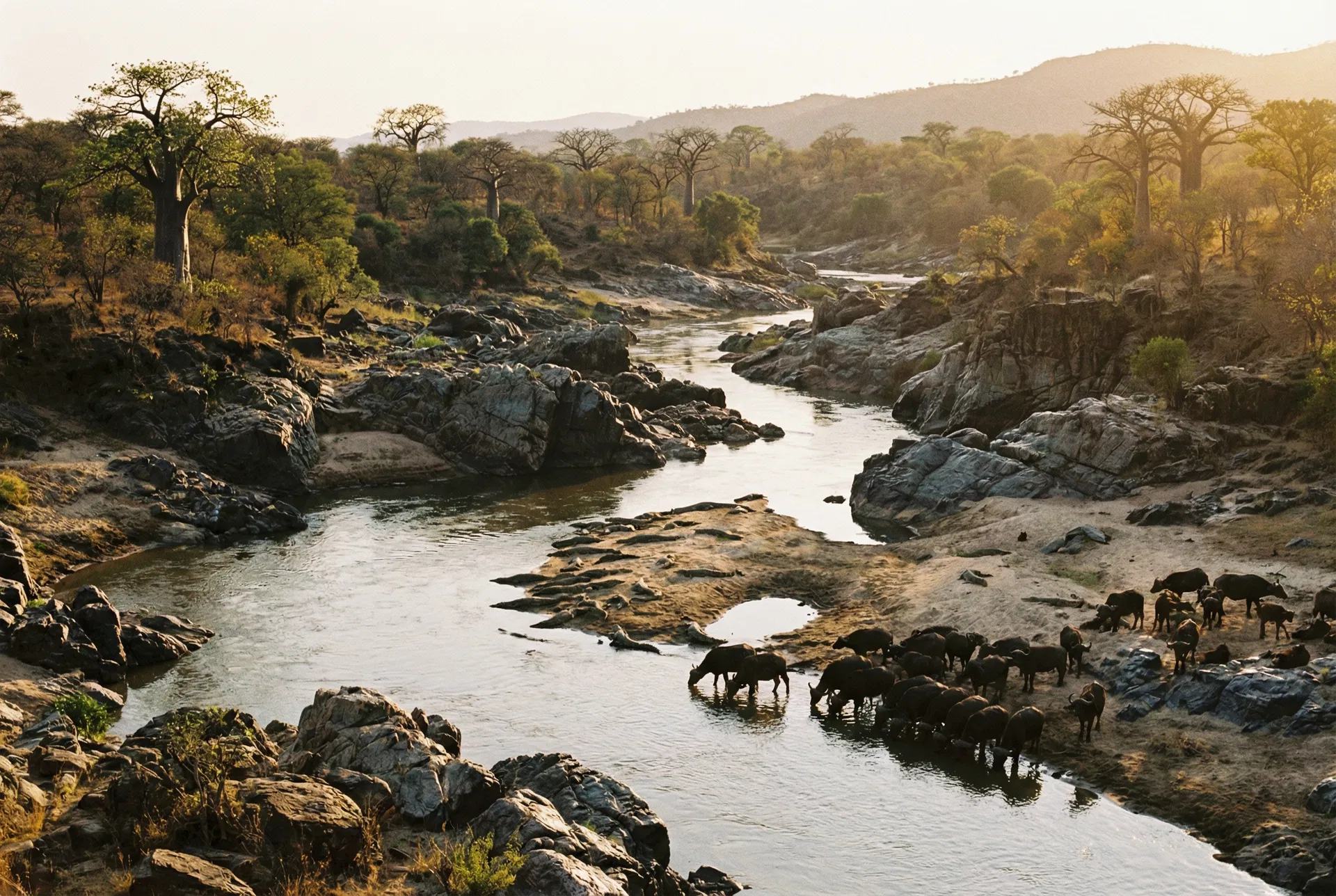
The best time to visit Tarangire National Park for wildlife viewing is during the dry season, from June to October. During these months, the vegetation is sparse, making it easier to spot animals. More importantly, the Tarangire River becomes the only reliable water source in the area, attracting a high concentration of wildlife. This is the time to witness the park's mini-migration, as thousands of animals flock to the river and surrounding floodplains. The weather during the dry season is also pleasant, with sunny days and cool nights. The risk of malaria is also at its lowest during this time.
The wet season, from November to May, offers a different, but equally captivating, experience. The park is transformed into a lush, green paradise, and the birdwatching is at its absolute best. Many migratory birds arrive during this period, adding to the already impressive avian diversity. While wildlife viewing can be more challenging due to the dense vegetation, the park is less crowded, and accommodation rates are often lower. The wet season is also when many animals give birth, so visitors may be lucky enough to see young calves and foals.
Safari Experience
A safari in Tarangire is a classic and authentic experience. The primary activity is game drives in open-sided 4x4 vehicles, which allow for excellent wildlife viewing and photographic opportunities. The park's diverse landscapes, from open grasslands to acacia woodlands and riverine forests, provide a stunning backdrop for a safari. Because Tarangire is less crowded than other parks in the northern circuit, the safari experience feels more exclusive and intimate. Visitors can spend hours observing a herd of elephants or a pride of lions without another vehicle in sight.
In addition to game drives, some lodges and camps in and around the park offer other activities. Guided walking safaris provide a more immersive and adventurous way to experience the bush, allowing visitors to get up close and personal with the smaller flora and fauna. Night game drives are also available at a few select properties, offering a chance to see nocturnal animals such as porcupines, civets, and genets. Cultural visits to nearby Maasai and Barabaig villages can also be arranged, providing a fascinating insight into the local culture and traditions.
Landscape and Ecosystem
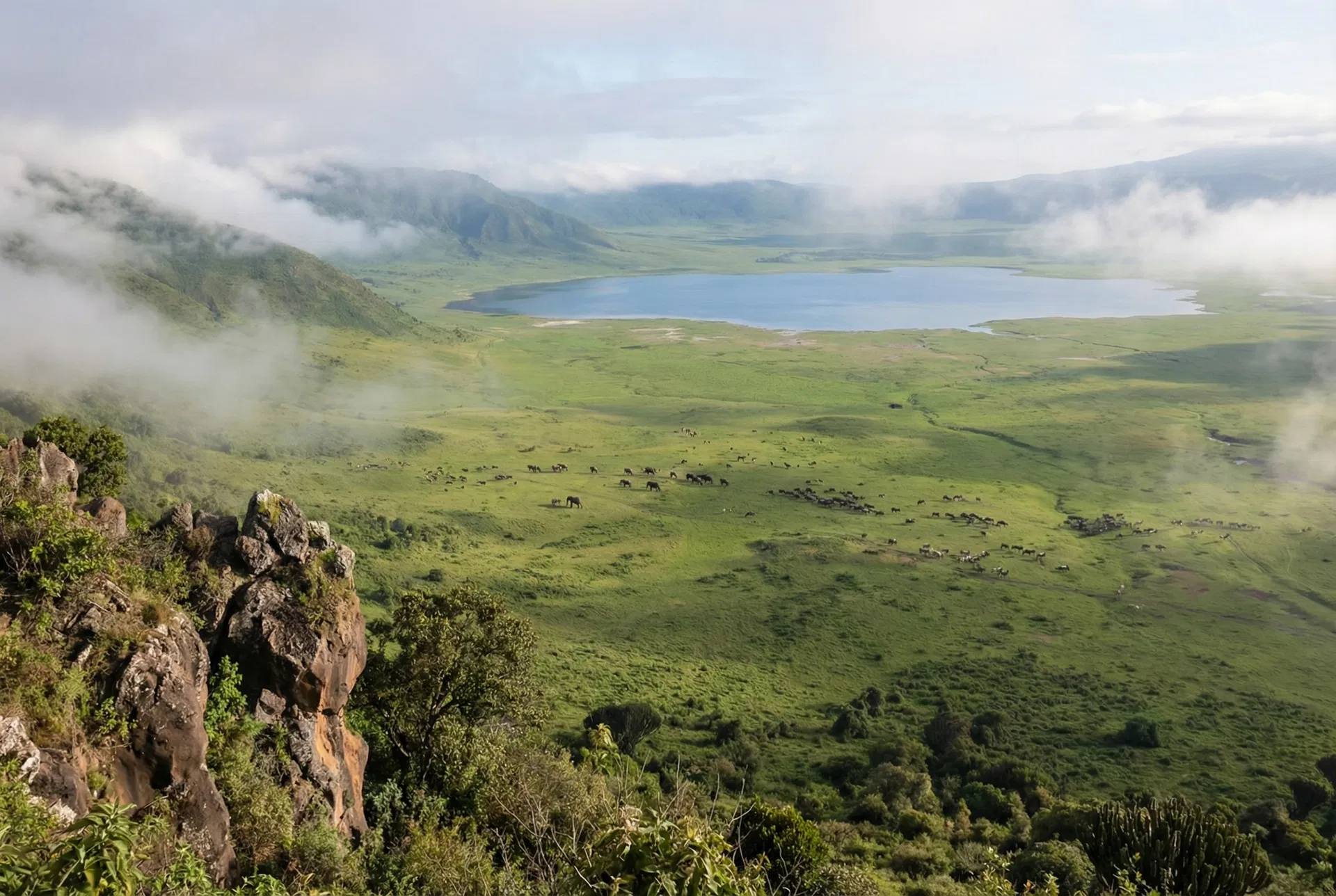
Tarangire's landscape is as diverse as its wildlife. The park is characterized by rolling hills, vast grasslands, and dense woodlands. The iconic baobab tree, often referred to as the
"tree of life," is a prominent feature of the landscape, and its ancient, gnarled branches create a dramatic and unforgettable silhouette against the African sky. The Tarangire River, which winds its way through the park, is the central artery of the ecosystem. Its banks are lined with riverine forest, which provides a welcome refuge for wildlife during the heat of the day. The park also features large areas of swampland, which are particularly important for elephants and other water-dependent animals.
Safari Activities
Tarangire National Park offers a range of activities that allow visitors to experience its stunning landscapes and incredible wildlife. The most popular activity is, of course, game drives. These are typically conducted in the early morning and late afternoon, when the animals are most active. In addition to traditional game drives, some lodges and camps offer guided walking safaris. These walks are led by experienced and knowledgeable guides who can point out the smaller details of the bush, from animal tracks to medicinal plants. For a different perspective, a few properties offer night game drives, which provide a unique opportunity to see nocturnal animals. Birdwatching is another popular activity, and with over 550 species to spot, Tarangire is a bird lover's paradise. For those interested in culture, visits to nearby Maasai and Barabaig villages can be arranged, offering a glimpse into the traditional way of life of these pastoralist communities.
Where It Is Located
Tarangire National Park is located in northern Tanzania, about 120 kilometers (75 miles) southwest of the city of Arusha. The park is part of the northern safari circuit, which also includes Lake Manyara National Park, the Ngorongoro Crater, and the Serengeti National Park. The main gateway to the region is Kilimanjaro International Airport (JRO), which is located about 46 kilometers (29 miles) from Arusha. From Arusha, it is a scenic two-hour drive to the park entrance. The road is paved for most of the way, making it easily accessible. The park is also just a short drive from Lake Manyara National Park, making it easy to combine a visit to both parks in a single itinerary.
Who This Destination Is Best For
Tarangire National Park is an excellent destination for a wide range of travelers. It is particularly well-suited for first-time safari-goers, as it offers a classic safari experience with abundant wildlife and a relatively low number of visitors. The park's large elephant herds make it a must-visit for any elephant lover. Photographers will also be in their element, with the park's dramatic landscapes and iconic baobab trees providing a stunning backdrop for wildlife photography. Families will appreciate the park's easy accessibility and the variety of family-friendly lodges and camps. For those seeking a more exclusive and off-the-beaten-path experience, Tarangire offers a welcome respite from the crowds of the more famous parks in the northern circuit. Finally, with its incredible diversity of birdlife, Tarangire is a top destination for avid birdwatchers.