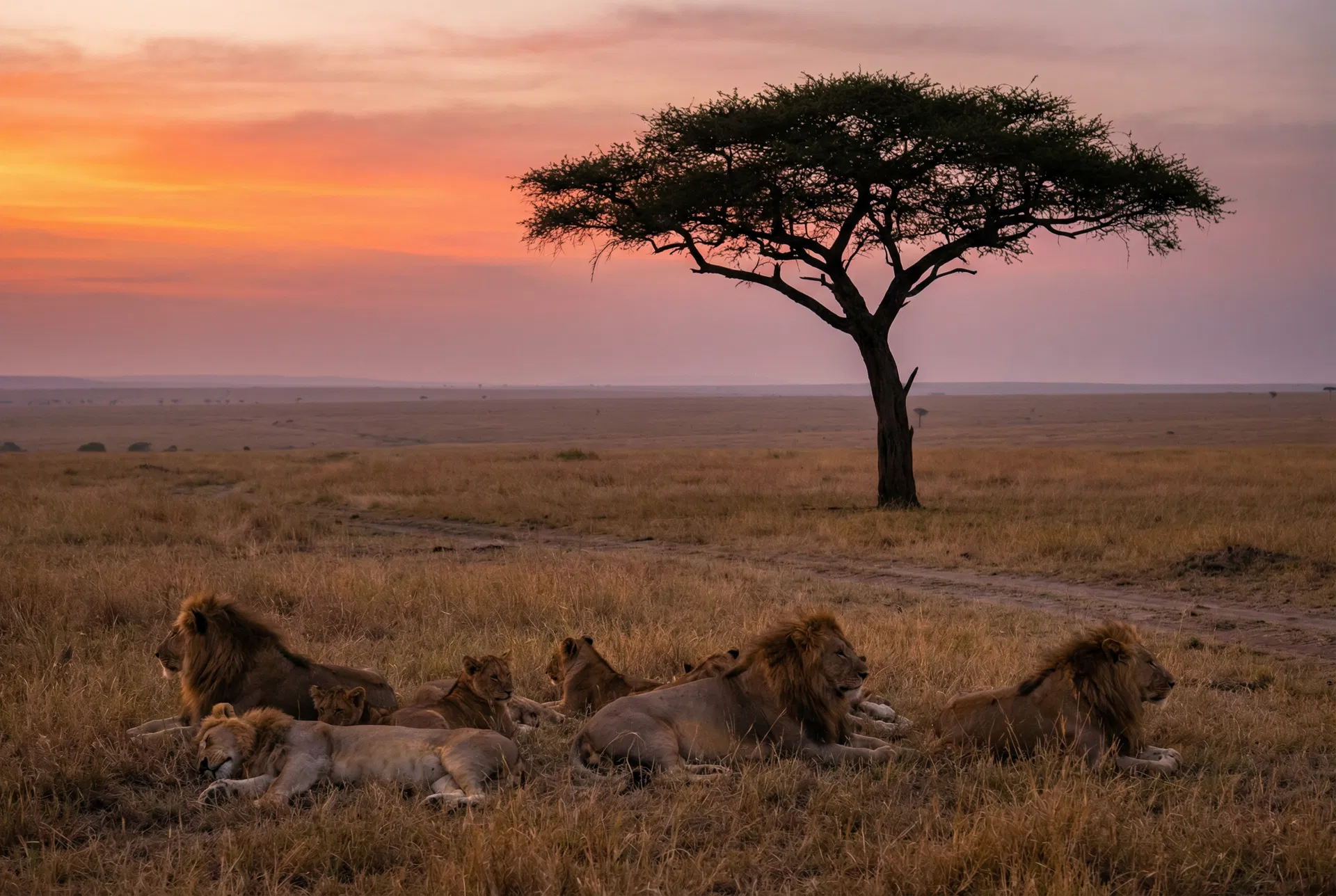
Destination Overview
The Serengeti National Park in Tanzania is the epitome of the African safari experience and a UNESCO World Heritage Site. Its name, derived from the Maasai word "siringet," meaning "endless plains," perfectly captures the vast, breathtaking landscape that stretches for over 14,763 square kilometers. The Serengeti is globally renowned for hosting the Great Migration, one of the most spectacular wildlife events on Earth, where millions of wildebeest, zebra, and gazelle traverse the plains in search of fresh grazing and water. This incredible natural spectacle, combined with an abundance of predators and a classic African savanna backdrop, makes the Serengeti a top destination for travelers seeking an unparalleled wildlife adventure.
Wildlife Highlights
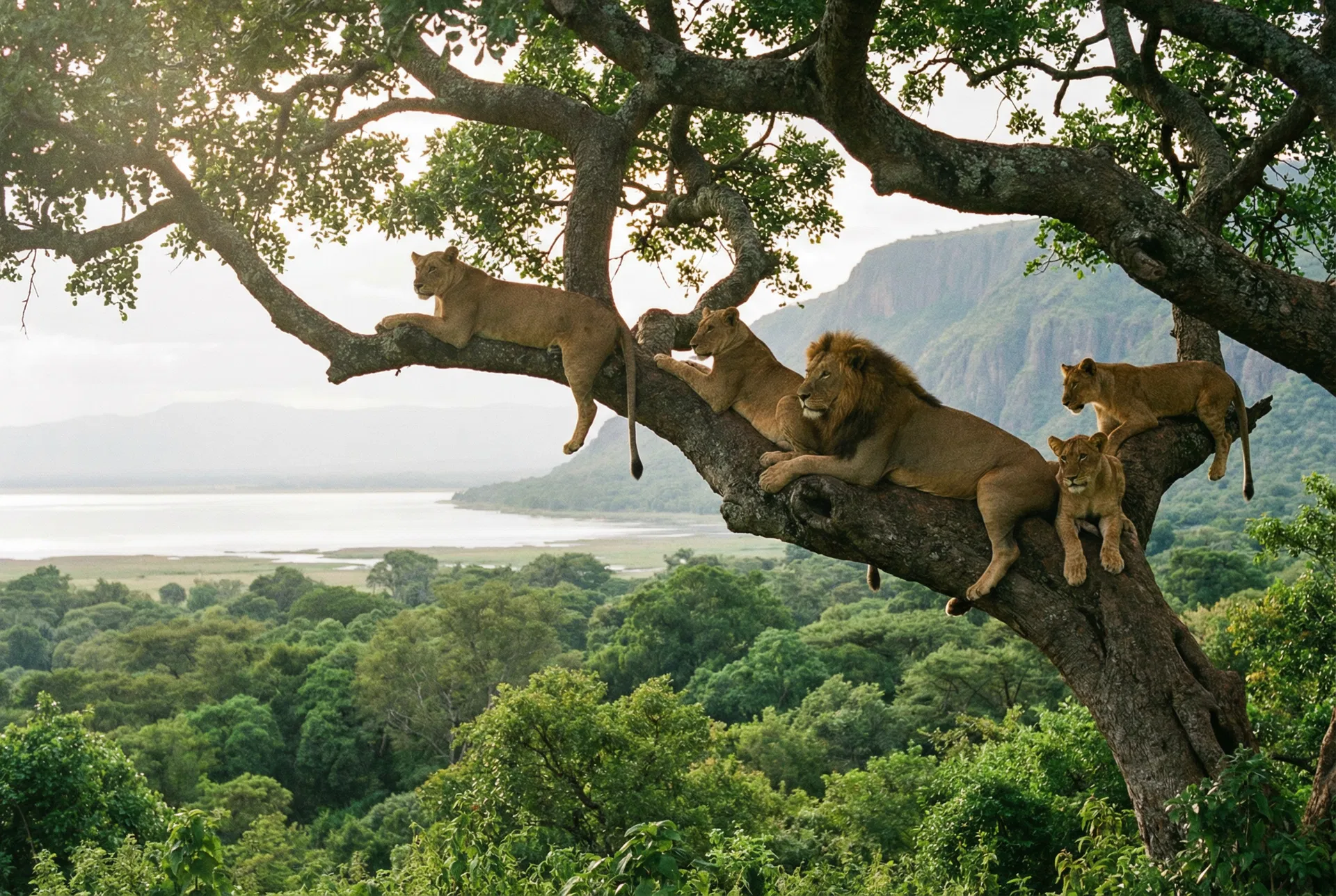
The Serengeti is a sanctuary for an impressive diversity and density of wildlife. It is home to the "Big Five" – lion, leopard, elephant, buffalo, and rhinoceros (though the black rhino is critically endangered and rarely seen). The park boasts the largest lion population in Africa, with prides often seen lounging on kopjes (rocky outcrops) or stalking prey in the grasslands. Cheetahs are frequently spotted on the open plains, using their incredible speed to hunt. Leopards, elusive and solitary, can be found in the riverine forests of the Seronera Valley.
Beyond the Big Five, the Serengeti supports vast herds of herbivores. The Great Migration is the main event, featuring over 1.5 million blue wildebeest, 200,000 plains zebras, and 300,000 Thomson's gazelles. Other common sightings include giraffes, hippos, crocodiles, hyenas, and a rich variety of antelope species such as impala, eland, and topi. The park is also a haven for birdwatchers, with over 500 species recorded, including ostrich, secretary birds, and numerous raptors.
Best Time to Visit
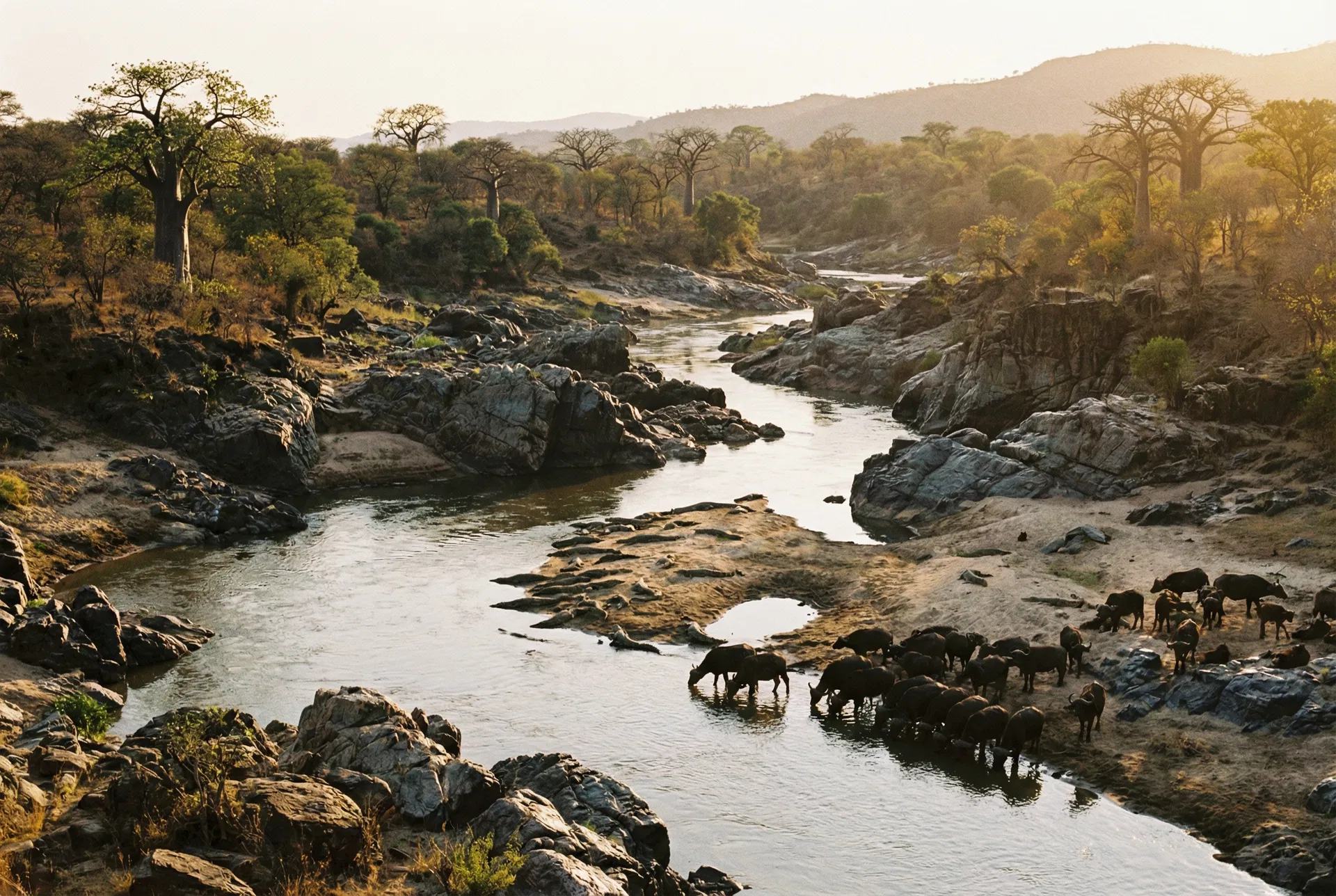
The Serengeti offers excellent wildlife viewing year-round, but the best time to visit depends on what you want to see. The dry season, from late June to October, is generally considered the best time for a safari. During these months, the vegetation is thinner, and animals congregate around rivers and waterholes, making them easier to spot. This period also coincides with the Great Migration crossing the Grumeti and Mara Rivers in the Western and Northern Serengeti, a dramatic spectacle of survival.
The wet season, from November to May, brings lush green landscapes and is the calving season for the wildebeest, which typically occurs from January to February in the southern plains. This time of year offers a chance to see thousands of newborn calves and the ensuing predator action. The rains can be heavy in March and April, which may impact travel on some roads.
Safari Experience
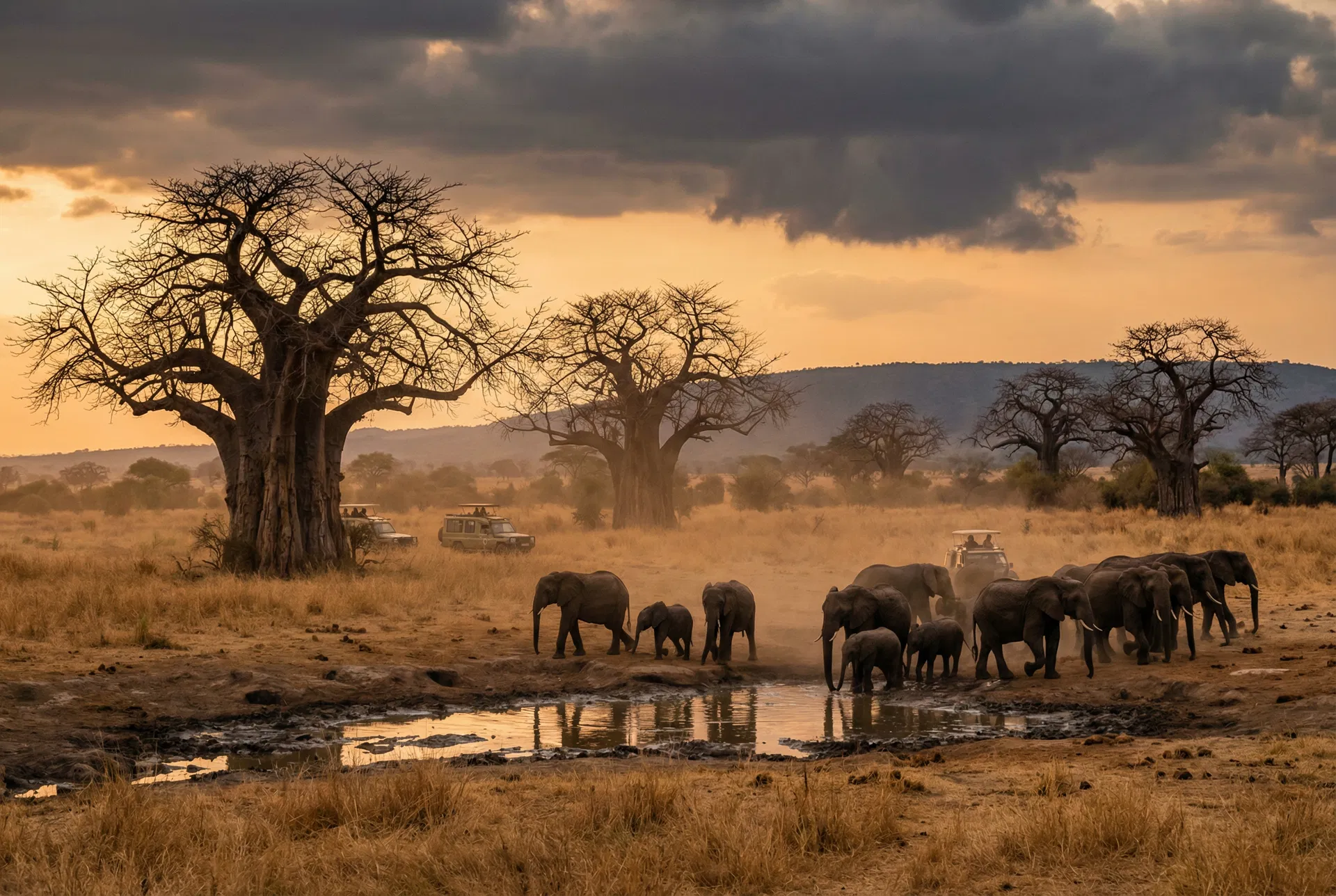
The quintessential safari experience in the Serengeti revolves around game drives in 4x4 vehicles. These drives, led by experienced guides, offer the opportunity to explore the vast plains and track wildlife. The vehicles are typically open-sided or have a pop-up roof to provide unobstructed views and photographic opportunities. Morning and afternoon game drives are the norm, as this is when animals are most active.
For a unique perspective, hot air balloon safaris are available in several areas of the park. Floating silently above the plains at sunrise provides a breathtaking view of the landscape and the animals below. This is often followed by a champagne breakfast in the bush, adding a touch of luxury to the adventure. Walking safaris are more restricted in the Serengeti National Park compared to other reserves but are possible in designated zones and offer an intimate way to connect with the environment.
Landscape and Ecosystem
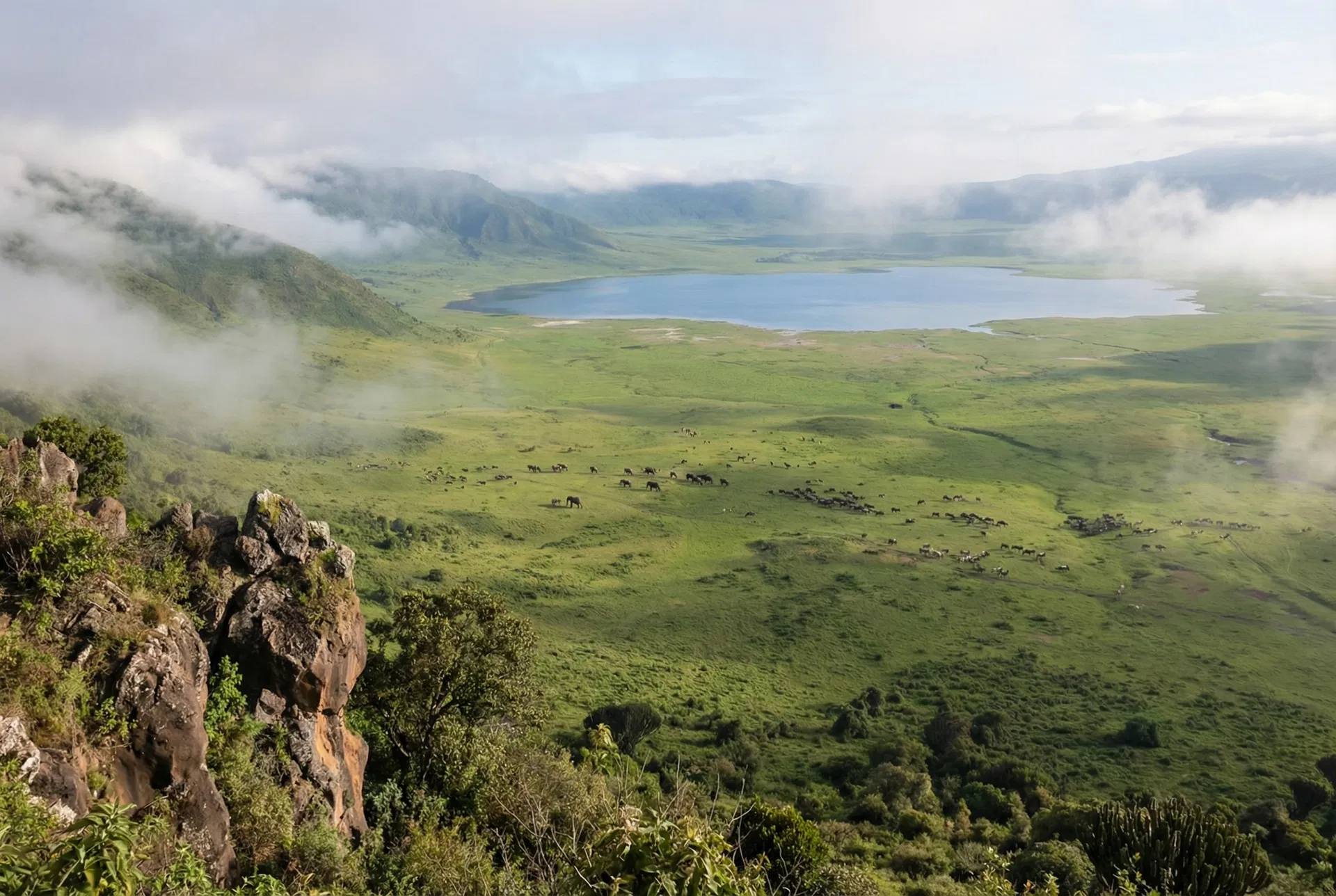
The Serengeti ecosystem is a vast and varied landscape. The southern part of the park is dominated by the iconic short-grass plains, which are rich in nutrients and provide crucial grazing for the migrating herds. The central region, particularly the Seronera Valley, is a network of rivers and acacia woodlands, supporting a high density of resident wildlife. The Western Corridor is characterized by the Grumeti River and its riverine forests, home to large crocodiles and hippos. The Northern Serengeti is hillier and more wooded, bordering Kenya's Maasai Mara National Reserve.
The park's geology is also fascinating, with ancient granite outcrops known as kopjes dotting the plains. These kopjes create their own micro-ecosystems and are favored spots for lions and other predators to survey their territory. The Serengeti's ecological significance lies in its role as a largely intact, functioning ecosystem, where the ancient cycle of migration and predation continues to play out on a grand scale.
Safari Activities
Game drives are the primary activity in the Serengeti, allowing visitors to cover large distances and witness the park's incredible wildlife. In addition to standard game drives, other activities enhance the safari experience:
- Hot Air Balloon Safaris: A magical way to see the Serengeti from above, offering a unique perspective on the Great Migration and the vastness of the plains.
- Birdwatching: With over 500 species, the Serengeti is a paradise for birders. Specialized birding guides can help you spot and identify the diverse avian life.
- Cultural Visits: Opportunities to visit a local Maasai village can be arranged. This provides insight into the culture and traditions of the Maasai people who have coexisted with the wildlife in this region for centuries.
- Walking Safaris: In specific designated areas, guided walks offer a more immersive and adventurous way to experience the bush, focusing on the smaller details of the ecosystem.
Where It Is Located
The Serengeti National Park is located in northern Tanzania, bordering Kenya to the north, where it is contiguous with the Maasai Mara National Reserve. The main gateway for international travelers is Kilimanjaro International Airport (JRO), located between the towns of Arusha and Moshi. From Arusha, it is approximately a 6-7 hour drive to the southern entrance of the park.
Alternatively, visitors can take a scheduled light aircraft flight from Arusha Airport (ARK) or JRO to one of the many airstrips within the Serengeti. Flying is a more efficient way to reach the park, especially for those staying in the more remote northern or western regions. Popular airstrips include Seronera, Grumeti, and Kogatende.
Who This Destination Is Best For
The Serengeti is a versatile destination that caters to a wide range of travelers:
- First-Time Safari Goers: The sheer abundance of wildlife and the classic savanna landscapes make the Serengeti an ideal introduction to the African safari.
- Wildlife Photographers: The open plains, dramatic lighting, and high density of animals, including predators, provide endless photographic opportunities.
- Luxury Travelers: The Serengeti is home to some of Africa's most exclusive and luxurious safari lodges and camps, offering impeccable service and amenities in the heart of the wilderness.
- Families: Many lodges and camps in the Serengeti welcome families and offer activities tailored for children, making it a memorable and educational family vacation.
- Adventure Seekers: For those looking for a more off-the-beaten-path experience, mobile camping safaris that follow the Great Migration offer a sense of adventure and immersion in nature.